Ever wondered why some people decide to try cosmetic surgery to give themselves a little boost? It’s a way to help balance and enhance natural features using careful techniques. With these procedures, experts can adjust facial curves or reshape body contours to create a refreshed, natural look.
It’s a blend of art and science that focuses on improving what you already have. In the next sections, we break down these procedures in simple, clear language so you can see how they work and decide if they might help you feel your best.
What Cosmetic Surgery Means: Scope and Purpose

Cosmetic surgery is an elective procedure that improves your looks using both surgical and non-invasive methods. It’s designed to adjust your facial features and body contours so things look more balanced and natural. Imagine a gentle touch that refines your natural curves, making you feel refreshed and confident. This blend of art and science helps create results that feel naturally you.
On the flip side, reconstructive plastic surgery focuses on restoring function after an injury or illness, while cosmetic surgery is all about appearance. Surgeons who specialize in cosmetic enhancements often have extra training in these elective procedures, giving you peace of mind that you’re in expert hands. In short, cosmetic surgery offers a range of procedures tailored to help you meet your unique aesthetic goals and boost your self-confidence.
Common Cosmetic Surgery Procedures: Surgical and Non-Surgical Techniques

Cosmetic procedures can really boost your self-confidence by enhancing different areas of your face and body. You have the choice between making long-lasting changes with surgery or enjoying a quick, refreshed look with non-invasive treatments. In the sections below, we break down the main surgical and non-surgical options available today.
Surgical Procedures
Surgical methods focus on making long-term changes to your facial or body features with careful, precise work. These procedures can noticeably enhance your appearance by adjusting, reshaping, or repositioning tissues for a more balanced look. Think of it like remodeling your home, each step is planned to create a better overall design. Common procedures include:
- Upper and lower eyelid surgery
- Brow lift
- Facelift
- Chin augmentation
- Rhinoplasty
- Breast augmentation
- Liposuction
Non-Surgical Procedures
Non-surgical treatments are a popular choice for those who want to improve their look without having surgery. These methods often involve injections, light-based therapies, or topical treatments that help refresh the skin and subtly shape features. They usually come with less downtime and are done in a comfortable clinic setting. For example, RF Microneedling uses tiny needles along with gentle radio frequency energy to boost collagen production and renew your skin. Widely used non-invasive techniques include:
- Dermal fillers (like JUVÉDERM®, Restylane, RHA®)
- Chemical peels
- Laser resurfacing (such as ClearLift, LaseMD Ultra)
- RF Microneedling
- Agnes Precision RF
- LED Light Therapy
- Medical weight loss with Ozempic®
- Accufit Body Sculpting
Comparing Cosmetic Surgery and Reconstructive Surgery

Cosmetic surgery is all about making you look and feel your best, while reconstructive surgery focuses on restoring how your body works after damage or trauma. Cosmetic procedures are chosen to improve looks, so they usually aren’t covered by insurance. On the other hand, reconstructive surgeries help fix physical problems caused by accidents or health issues, so insurance often helps pay for them. Think of it like this: one is like updating your home's design for a fresher look, and the other is like fixing a broken window to keep your home safe.
Both types of surgery are taught during a plastic surgeon’s residency, where they learn techniques that can both enhance features and repair damage. Many cosmetic surgeons then decide to get extra training, either through a special fellowship or more hands-on experience, to fine-tune their skills in making you look your best. While they might use similar tools and methods, the main goal is different: one improves overall body function, and the other is aimed at boosting your appearance. This shows us that, even though the procedures share some common techniques, the reasons behind them and how they’re paid for can be quite different.
Benefits and Risks of Cosmetic Surgery

Cosmetic surgery can give you a fresh look while boosting your confidence. It refines your features and improves symmetry, helping you feel great about your appearance. Many people enjoy results that last and truly match their goals. Of course, like any procedure you choose for yourself, there are both upsides and downsides to consider.
Here are some of the benefits you might experience:
- A more balanced and attractive look
- Enhanced symmetry that makes features flow naturally
- A noticeable boost in self-confidence and a refreshed self-image
- Lasting results that often align with your personal aesthetic goals
- Adjustments tailored specifically to your unique needs
But there are a few risks to keep in mind as well:
- The possibility of infection after surgery
- Issues that might come up with anesthesia
- Scarring or unexpected changes in skin texture
- Healing that might take longer than expected, affecting your recovery
- Sometimes even the need for a follow-up or revision surgery
Safety is key. Certified surgeons follow strict cleaning protocols and operate in approved facilities to protect you at every step. They make sure to run thorough checks beforehand to catch any potential complications early on. By trusting skilled professionals with the right credentials, you get both careful treatment and safety you can rely on.
Patient Candidacy, Consultation, and Recovery in Cosmetic Surgery
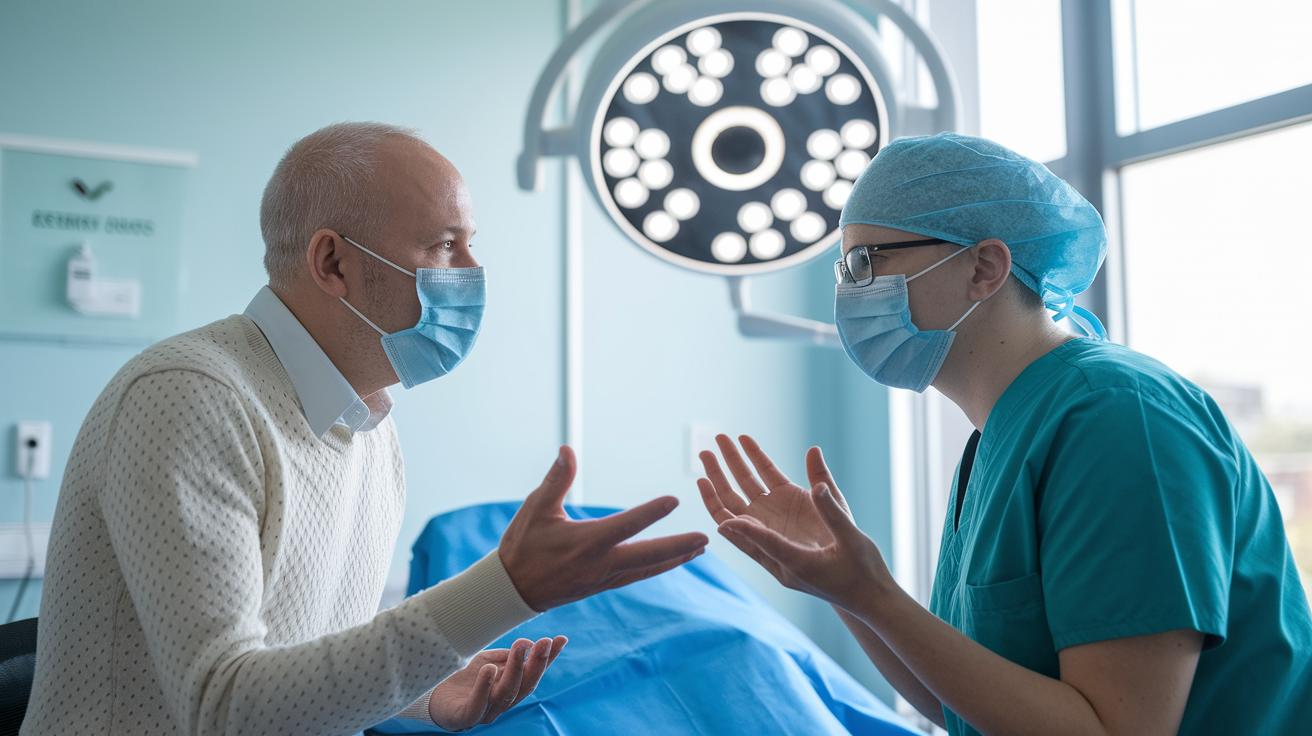
The best candidates for cosmetic surgery are healthy adults with clear, realistic goals. They’re ready for change and understand that procedures work best when they blend naturally with their features. When you know what you want, it makes the whole process smoother and more satisfying.
Before any procedure, you’ll have a thorough consultation with your surgeon. In this one-on-one meeting, you'll review your medical history, discuss your beauty goals, learn about the procedure details, and review costs. Think of it like planning a home renovation, you need to know where every piece fits. This talk helps set clear expectations and answers any questions you might have.
Recovery times can differ based on the treatment you choose. For example, facelifts might need about 2 to 4 weeks of healing, while liposuction usually takes around 1 to 2 weeks. Your surgeon will walk you through each stage of recovery, so you know when to rest and when you can get back to your routine. Taking good care of yourself during this time helps your body adjust and gives you the best possible results.
After surgery, managing pain and caring for your scars are important parts of the healing process. Many patients find that prescription medications, ice packs, and lots of rest help ease discomfort. Plus, using methods like silicone sheets, laser treatments, or gentle massage on scars can minimize their appearance and encourage smoother healing.
Cost and Financing Options for Cosmetic Surgery

The price of cosmetic surgery can vary a lot. Factors such as the procedure type, its complexity, and the surgeon’s experience all play a role. And location matters too, a surgery done in a big city might cost more than one in a small town. This makes every quote unique, just like your personal goals.
Planning ahead can make a big difference. For example, facelifts usually run between $7,000 and $15,000. Nose jobs, or rhinoplasty, tend to cost between $5,000 and $10,000, while dermal fillers can be around $600 to $1,200 per syringe. These figures give you a rough idea, but your exact price will depend on your specific needs and the clinic you choose.
Financing options can help make these procedures more affordable. Many clinics offer in-house financing plans, and using medical credit cards or personal loans is common too. Just keep in mind that insurance typically doesn’t cover cosmetic surgery since it’s an elective procedure. Some clinics even have online cost calculators, which can help you get a clearer picture of your financial commitment before you decide.
Future Trends and Innovations in Cosmetic Surgery

Cosmetic surgery is changing fast thanks to new technology. Treatments are getting more exact and less invasive, which means quicker recovery and natural results. Surgeons now use 3D imaging and simulation to plan every detail, ensuring adjustments blend seamlessly with your features.
New techniques are also refreshing the way we approach facial rejuvenation. For instance, thread lifts and advanced RF Microneedling (a procedure using tiny needles to boost collagen production) work gently to revive your skin. And if you’re looking for body enhancements without surgery, non-invasive options like CoolSculpting and Accufit are making a big difference.
Digital tools are transforming how patients learn about and choose their treatments. Virtual consultations and online tutorials let you explore options and ask questions from the comfort of home, keeping you informed every step of the way. This friendly approach helps simplify the process of finding what works best for you.
Plus, there are even more options emerging. Trends like LED Light Therapy and medical weight-loss injections such as Ozempic® are broadening the range of choices available. These advances ensure you have access to the latest innovations so you can achieve the look you’ve always wanted.
FAQs and Expert Insights on Cosmetic Surgery

Many patients have questions about picking a good surgeon, how long recovery might take, whether results last, and how safety is kept. Both real patient stories and expert advice help guide these choices. For example, one patient said that clear before-and-after photos really made a difference.
How to Choose the Right Cosmetic Surgeon
Start by checking the surgeon’s credentials and reading reviews. Experts suggest looking for board certification and clear pre-op imaging to help you feel confident about your decision. One patient mentioned that every consultation confirmed they were in really good hands.
Typical Downtime and Recovery Expectations
Recovery times can vary from one procedure to another. Experts lay out what you might expect during healing. Many patients mention that recovery can take anywhere from a few days to several weeks, depending on the treatment. For instance, a facelift might need about 2 to 4 weeks to heal.
Permanence of Cosmetic Results
Most results last for many years, although you might need a touch-up now and then. Experts remind us that a little regular maintenance can help keep the effects strong. One patient explained that routine adjustments helped keep their look vibrant.
Ensuring Safety and Quality Outcomes
Safety is always the top priority. Experts recommend using verified facilities and choosing surgeons who follow strict safety steps. One patient shared that careful pre-op imaging and attentive care made them feel completely secure during their treatment.
Final Words
In the action of breaking down complex topics, we've explored what is cosmetic surgery, distinguishing aesthetic goals from reconstructive needs. We discussed various surgical and non-surgical techniques and highlighted risks, benefits, candidacy, and recovery essentials. We've also touched on cost factors and exciting future trends that enhance patient care. Every point helps build the clarity needed to make informed aesthetic transformation decisions. Stay hopeful and motivated as you continue learning and considering safer, advanced treatments for a confident change.
FAQ
What are some cosmetic surgery examples?
The cosmetic surgery examples include surgical treatments such as facelifts and rhinoplasty, along with non-invasive options like dermal fillers and laser resurfacing. These procedures work to boost appearance and balance.
How much does cosmetic surgery cost?
Cosmetic surgery cost depends on the procedure, surgeon, and facility. Price ranges can reach $7,000–$15,000 for facelifts, $5,000–$10,000 for rhinoplasty, and about $600–$1,200 per syringe for fillers.
What types of plastic surgery focus on the face?
Types of plastic surgery for the face include facelifts, eyelid surgery, brow lifts, and rhinoplasty. These treatments are designed to enhance natural proportions and refine facial balance.
Why might cosmetic surgery be viewed negatively?
Cosmetic surgery is sometimes seen as problematic because of potential complications, recovery challenges, and unfounded expectations. Realistic goals and careful consultations can help address these concerns.
What are the most common cosmetic surgery procedures?
The most common cosmetic surgery procedures include facelifts, breast augmentation, liposuction, and Botox injections. Each of these aims to enhance appearance and boost self-confidence.
What are the long-term side effects of plastic surgery?
Long-term side effects of plastic surgery can include scarring, altered sensation, and asymmetry. Thorough preoperative evaluations and experienced care help minimize these risks.
What advantages does plastic surgery offer?
Advantages of plastic surgery include enhanced appearance, increased self-confidence, improved symmetry, refined features, and lasting aesthetic improvements that contribute to a positive self-image.
What is the difference between plastic surgery and cosmetic surgery?
The difference between plastic and cosmetic surgery lies in purpose. Plastic surgery restores form and function, while cosmetic surgery focuses solely on enhancing appearance.
Is cosmetic surgery safe?
Cosmetic surgery safety depends on factors like board certification, accredited facilities, and skilled surgeons. Preoperative consultations and careful evaluations are crucial to minimizing risks.
Why do people choose cosmetic surgery?
People choose cosmetic surgery to enhance self-image, boost confidence, and achieve balanced aesthetics. Detailed consultations help align realistic expectations with the desired outcomes.


