Have you ever wondered if machines can create amazing art? AI art blends technology with creativity to produce images that burst with bright, vivid colors. In just a few short years, computer-made visuals have changed how we see art, blurring the line between a human touch and digital design.
Every image crafted by a computer pushes the limits of what's possible. This innovative style is opening up fresh opportunities in design and media that you might not expect. Look closely at how a few simple words transform into a canvas of magical hues, inviting us to rethink what truly makes art enchanting.
ai aesthetic Ignites Stunning Color Magic
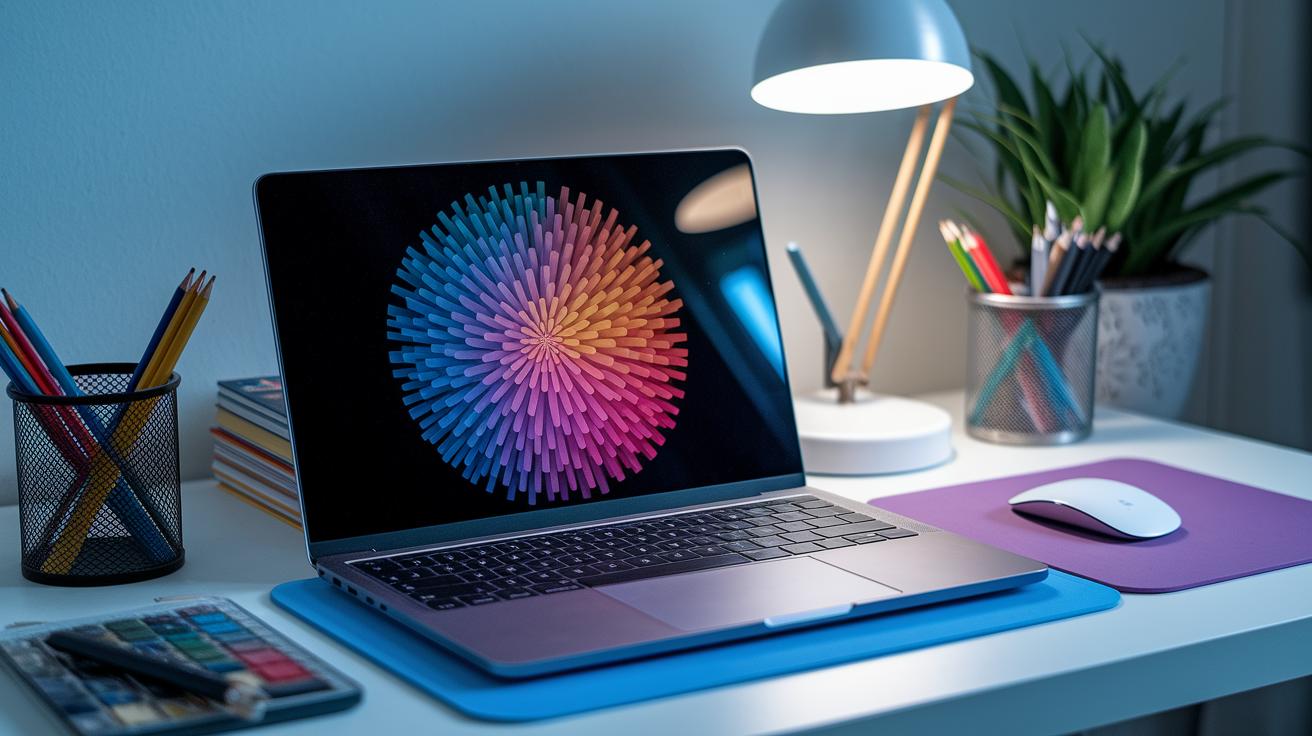
In just a few years, computer-generated visuals have entered mainstream culture, leaving many to wonder how much of the art they see is truly human-made. AI aesthetic is a unique visual style that uses machine learning and digital brainpower to turn simple text prompts into images bursting with vivid colors and lively designs.
Back in 1950, Alan Turing once proposed an "aesthetic Turing Test" to ask if machines could create art that felt just as human as what we make ourselves. Today, the art made by computers challenges us to tell the difference between human creativity and precise, digital algorithms.
The rise of these computer-crafted images is changing the face of design and media in exciting ways. In August 2025, Vogue featured an ad with a model entirely generated by AI, sparking a lively debate about what makes art real. This moment shows how AI can create visuals that both trick our eyes and set fresh trends in design, inviting us all to rethink what art means.
AI Aesthetic Techniques: Underlying Algorithms and Tools
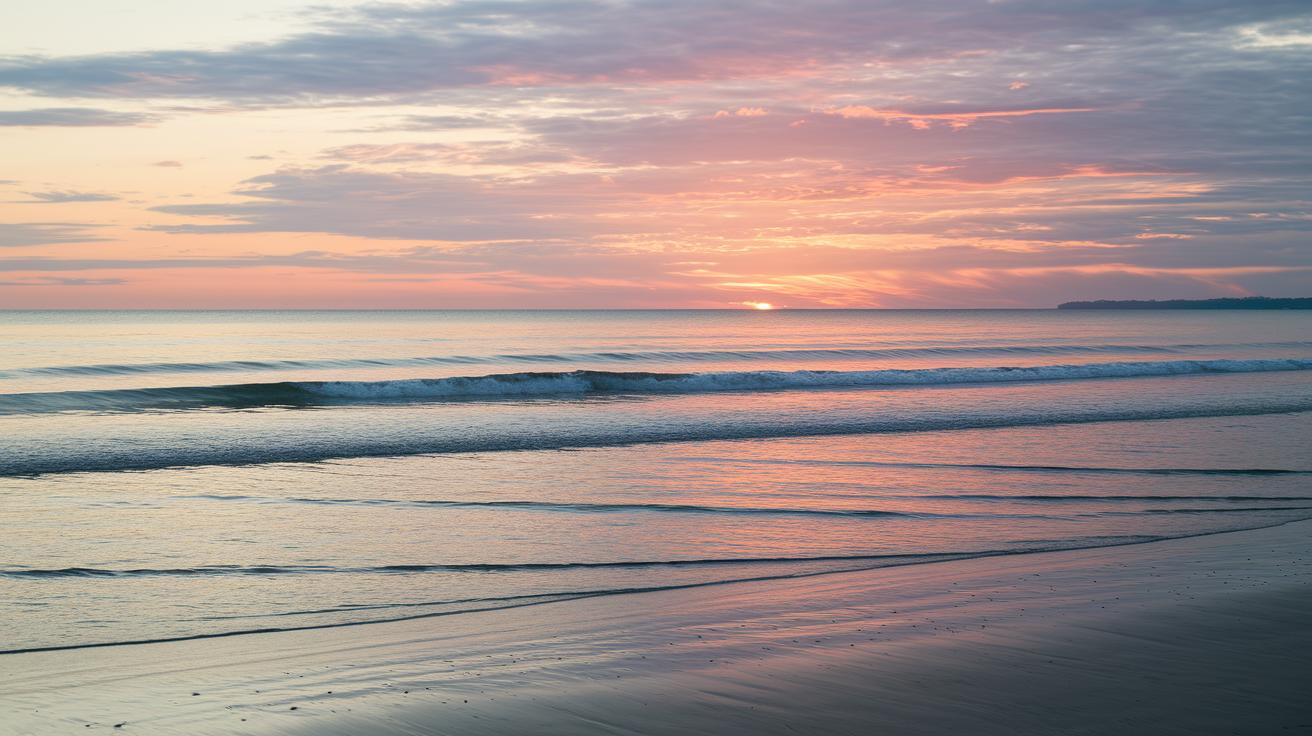
AI aesthetic techniques work by using smart tech like neural style transfer and GANs that turn simple text into vivid images. Imagine typing "a calm ocean at sunset" and then watching a picture appear with colors that blend gently like watercolors on paper. Here’s an interesting tidbit: before an artist developed her signature style, she described a sunset so beautifully that a computer later transformed her words into a breathtaking scene.
Tools such as ImagineArt offer a user-friendly experience, you simply describe what you envision and the tool goes to work immediately. This process relies on models that convert text into images by using your words as creative clues. Behind the scenes, a mix of neural network imagery and smart algorithms brings together classic art styles with a fresh, digital twist.
The technology also pushes the envelope by creating lip-synced AI avatar videos and providing real-time previews on a digital canvas. This gives creators the chance to see live adjustments in lighting, color balance, and mood, much like directing a movie scene where your words serve as the script and the computer acts as the visual storyteller.
This powerful combination of deep learning and artistic guidance is quickly becoming the go-to method for artists aiming to produce digital art that feels both personal and precise, almost like capturing human imagination in a single click.
Current Trends in AI Aesthetic and Generative Art
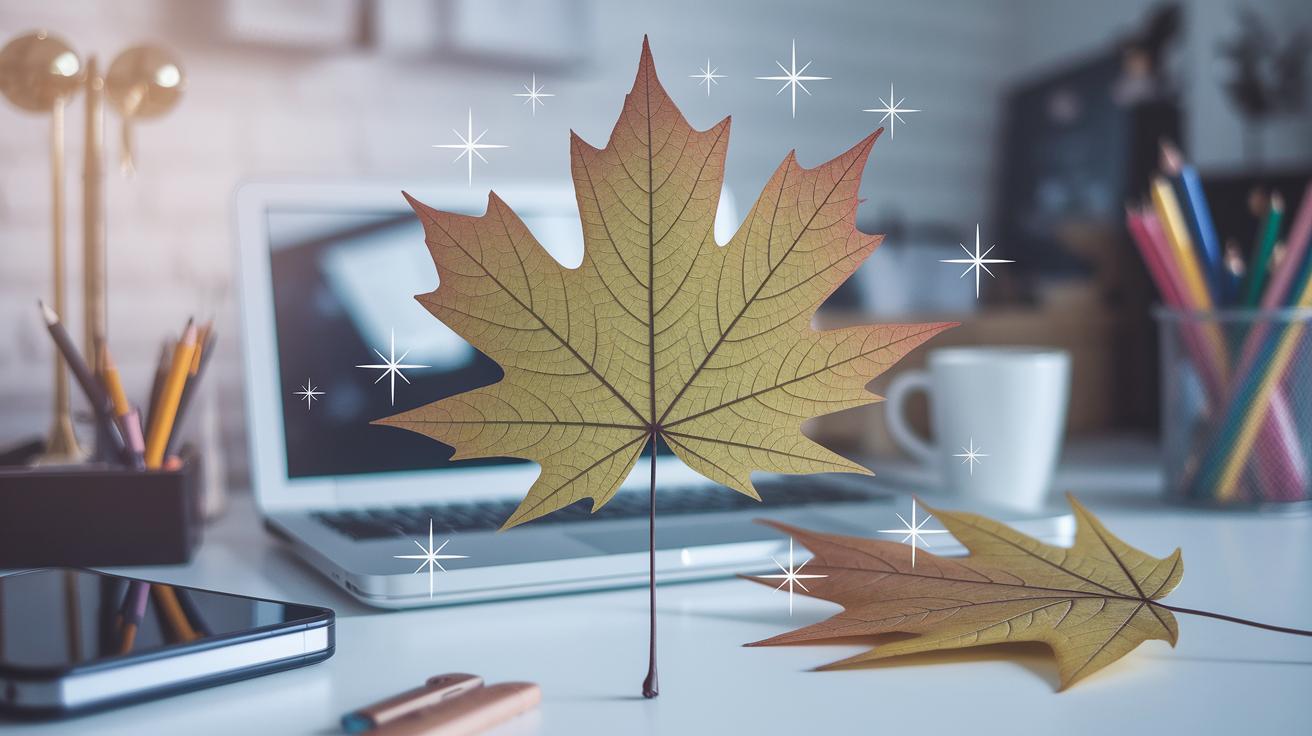
Artificial intelligence is changing the way we create digital art. Many artists now use smart tools that make unexpected and modern images. These tools help produce art for different seasons, from spooky Halloween scenes with moody lighting to cheery Christmas cards bursting with bright hues. Ever notice how Instagram and TikTok are full of creative galleries? People share dreamy collages and playful photo edits that give their online profiles a unique flair.
Picture a digital collage where autumn leaves sparkle against a softly blurred background, almost like a dream you can almost touch. This example shows how new software blends real textures with imaginative visuals. Many users love how easy it is to design these one-of-a-kind graphics using simple, friendly interfaces.
The rise of unusual filters and creative layouts is clear in online art portfolios. Artists mix bold colors and unexpected designs to express their vision. With every new project, the line between classic art skills and modern digital technology blurs just a little more, inviting everyone to see art in a whole new light.
AI Aesthetic vs Traditional Art: Comparative Showcase
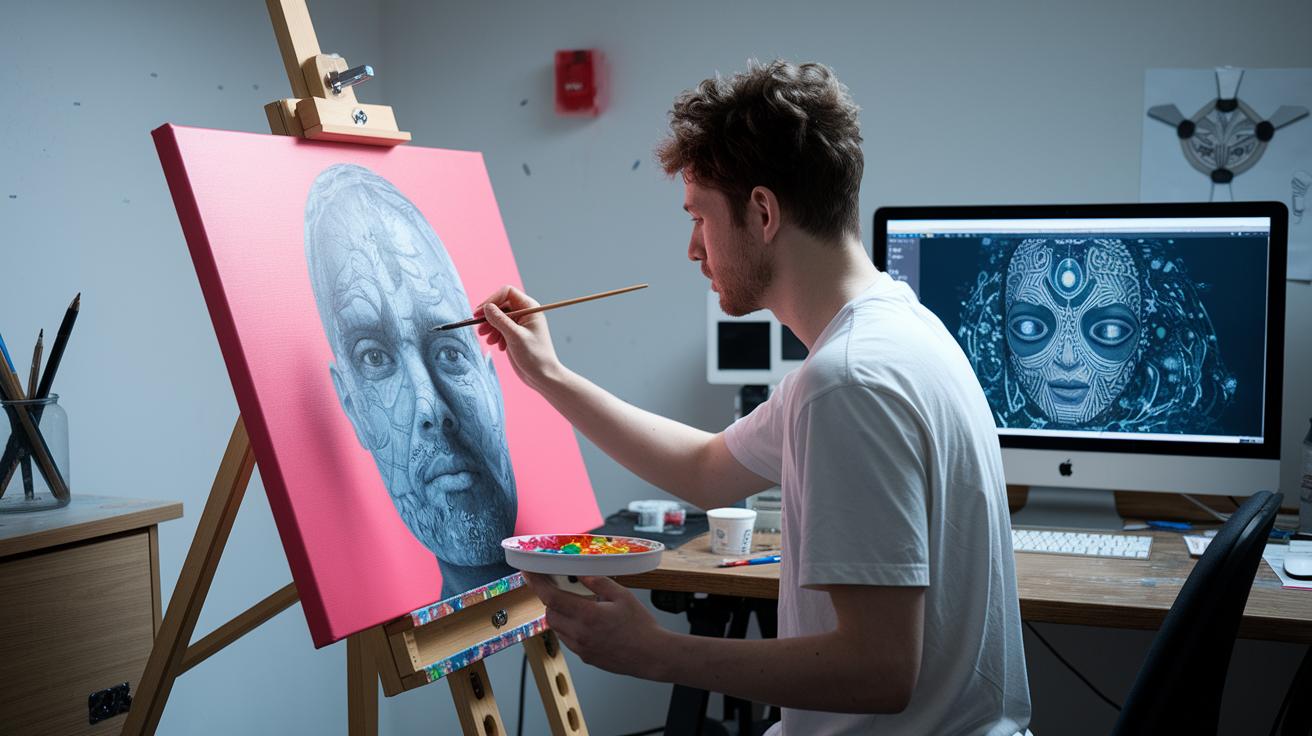
AI aesthetic art pushes the limits of what we think creativity is all about. It uses smart algorithms and plenty of data to create visuals that can easily fool your eyes, almost like acing a visual test. The burst of bright colors and modern precision is truly eye-catching, yet it makes you wonder if that genuine, human touch might be missing. Some critics worry that switching to a fully digital process might lose the deep craftsmanship and rich history found in traditional art. For example, although an AI can whip up striking images in seconds, there’s a concern that these can sometimes feel tied to fleeting trends rather than authentic expression.
Hand-made art, on the other hand, carries a cherished story behind every brushstroke. With traditional techniques that have been trusted for ages, each piece invites you to feel the texture and see the slow build-up of effort. The natural little quirks and imperfections give the art a real, personal touch, proof of the artist’s hands-on skill. This sense of authenticity reassures collectors and art lovers by offering a clear, traceable background that digital creations just can’t match.
| Feature | AI Aesthetic | Traditional Art |
|---|---|---|
| Creativity | Built from clever algorithms and diverse data mixes | Rooted in personal experience and heartfelt emotion |
| Process | Fast, computer-driven creation | Deliberate, hands-on crafting |
| Authenticity | Might miss a clear, human origin | Anchored in time-honored, tangible tradition |
Top Tools for Crafting AI Aesthetic Visuals
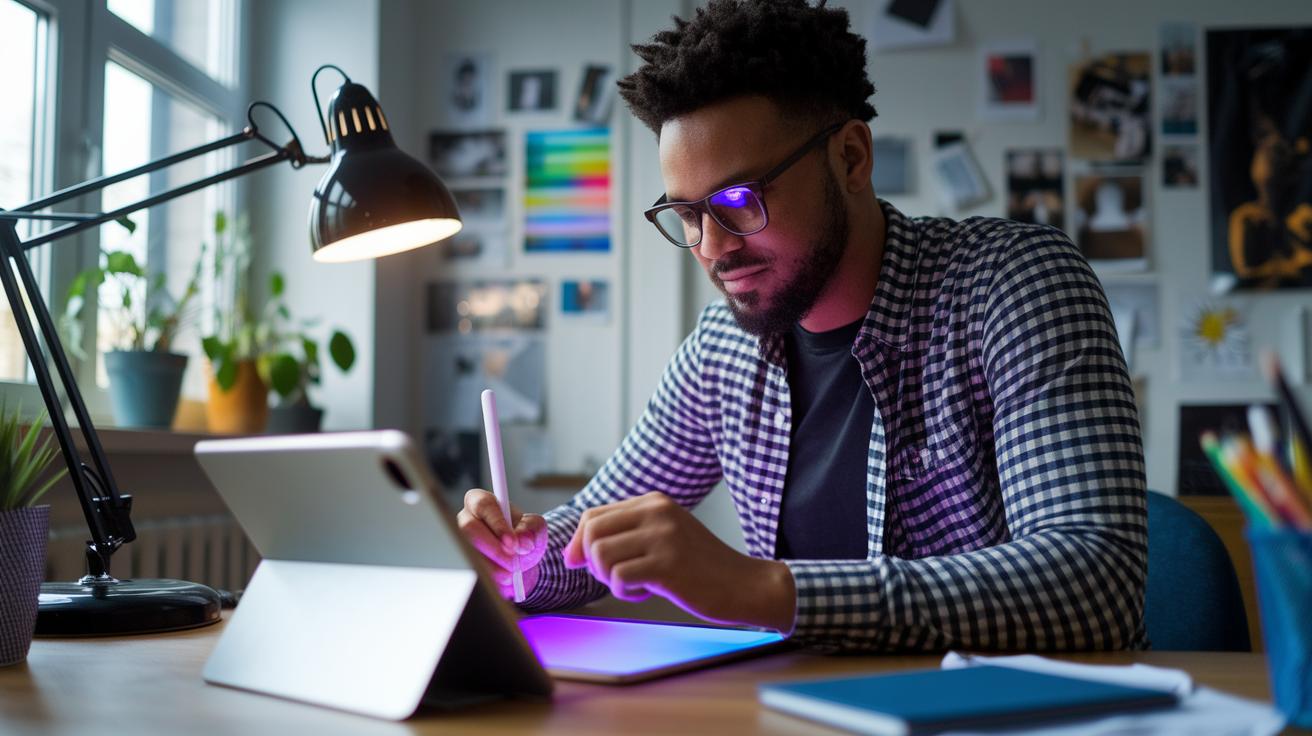
Imagine turning a simple text cue into a vibrant image filled with bold colors and personalized lighting. Today’s creative apps and AI design tools let you craft stunning visuals right in the moment. Many of these platforms let you adjust the lighting, color balance, and overall mood so that every image feels uniquely yours. They offer a live canvas that shows your work with every tweak, almost like painting with light and sound.
Some tools even let you create avatar videos that sync lip movements to audio, making them perfect for social media on YouTube, TikTok, and Instagram. It’s an intuitive way to blend visuals and sound, giving your projects a lively, dynamic touch. Plus, built-in tutorials and community galleries mean beginners can learn the ropes while experienced creators find fresh inspiration. Many of these programs even support affiliate programs, making it easy to weave your creations into branding, digital collages, or seasonal promos.
Below is a quick list of five top tools to kickstart your digital art journey:
- ImagineArt Aesthetic Generator: Offers easy lighting adjustments, mood-based ambiance control, and a simple download option.
- Ideate & Imagine: Boasts a real-time canvas experience with guided tutorials that make learning a breeze.
- Creative Pulse: Comes with built-in social media graphic generators and seasonal design features.
- DesignStream: Provides precise color balance controls and robust customization options.
- CollageCraft: Specializes in digital collage creation and draws inspiration from a vibrant community.
Ethical Dimensions of AI Aesthetic Design
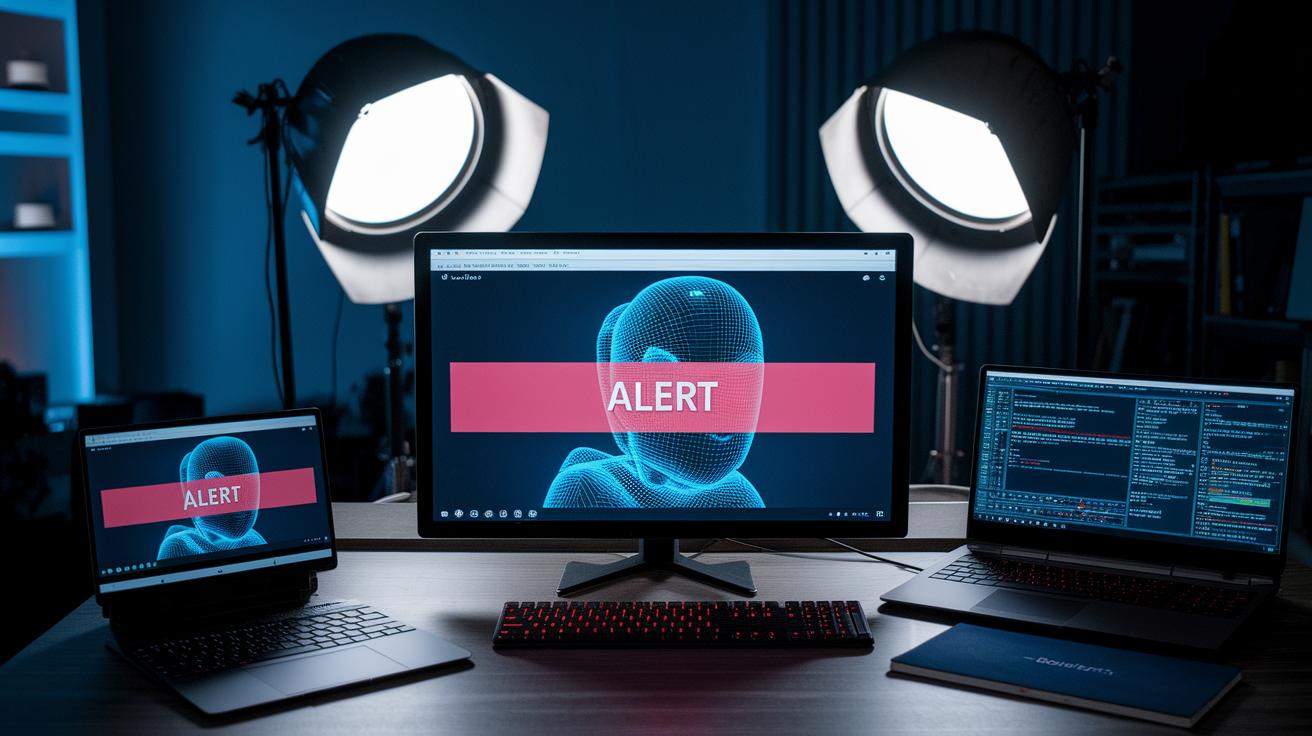
People have started to wonder about the ethical side of art made by algorithms. It’s not just about pretty pictures; some critics say these images sometimes echo harsh political symbols. For example, you might spot details in a design that remind you of rigid far-right propaganda, and it makes you question whether the technology is unintentionally giving a boost to harmful ideas.
The fact that it’s so easy to create synthetic visuals means deepfakes can also spread quickly and trick viewers. Imagine watching a video where a well-known public figure’s face is altered so much that you can barely recognize them. This leaves many of us puzzled, questioning what is truly real and where the art originally came from.
There’s also a growing worry that mass-produced images might lose the personal care and skilled touch that traditional art shows. When machines produce content at lightning speed, it can feel like the unique, handcrafted details are slowly disappearing.
In response, more voices are calling for clear disclosures and strong editorial policies. Experts now suggest that platforms explain exactly how images are created so that everyone, from artists to everyday viewers, can feel confident about what they’re seeing.
Final Words
In the action, we explored how advances in ai aesthetic design are changing visual art. We looked at machine techniques, current trends, and how art is compared with traditional methods. The article also touched on top tools that help shape digital visuals and raised key ethical questions on image authenticity.
Each section provided clear insights to help you feel more confident in decisions around aesthetic procedures. It's exciting to see how technology and art work together to spark creativity and inspire positive change.


