Ever think Botox does more than smooth out wrinkles? Many folks use Botox to soften facial lines and even ease migraine discomfort. But you might worry about possible side effects. Some notice a tiny bruise or a bit of swelling, which usually fades pretty quickly. Today, we'll break down what really happens so you can decide if Botox could be right for you.
Essential Overview of Botox Injections and Side Effects

Botox is a treatment often used to soften wrinkles like those on your forehead, around your frown lines, and by your eyes (crow's feet). It works by blocking the nerve signals that make your muscles contract, which gives your face a smoother, more relaxed look. Most people notice the effects within one or two days, and the treatment usually lasts about three to four months. In addition, Botox is used to help manage chronic migraines by injecting a total of 155 units into seven specific muscles in the head and neck.
The side effects from Botox are usually light. Some patients might see a little bruise, some mild swelling, or feel a brief pinch where the shot was given. These are normal and happen because tiny blood vessels are disturbed during the process. Think of it like a small red spot that fades away in just a few days.
When Botox is given by a trusted provider, it is both safe and effective. Skilled practitioners make sure to use just the right amount so that side effects are kept to a minimum while still getting the best results. All the evidence points to Botox being a reliable choice, whether you're looking to smooth lines on your face or seek relief from chronic pain.
Common Side Effect Duration Analysis for Botox Injections
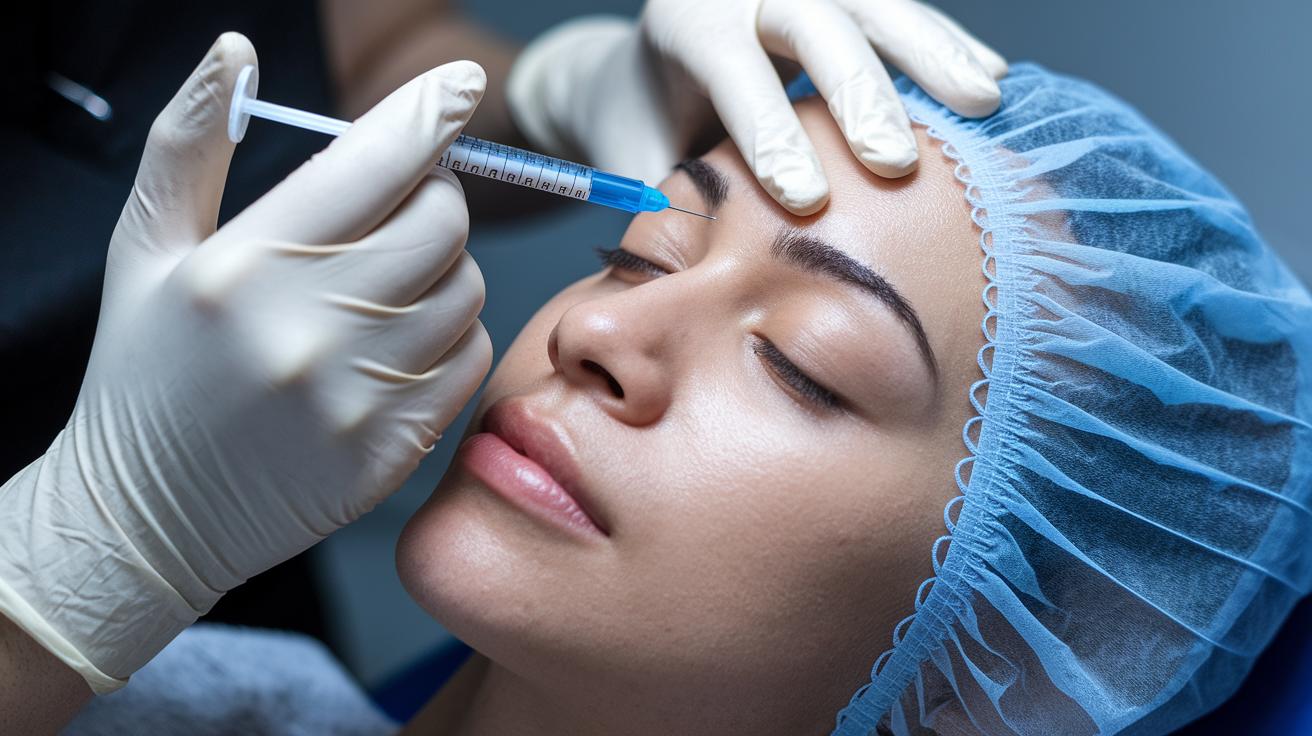
Botox injections can sometimes cause mild side effects that go away on their own. For instance, you might notice a bruise that fades within 3 to 7 days, or see a bit of redness and swelling that usually settles in a few hours to a couple of days. It’s common to feel a little pain at the injection sites, but it isn’t serious and fades with time.
Interestingly, about 9 out of every 100 patients treated for forehead lines report having headaches. These headaches can last anywhere from 2 to 4 weeks, kind of like a light cold that sticks around a bit longer than expected.
Other uncommon side effects include a slight, flu-like feeling or mild nausea. Some people may also feel a bit tired after the treatment, though this usually doesn’t last long. To help with your recovery, try not to rub the treated area for at least 4 hours after your injections.
And remember, avoiding heavy exercise, alcohol, and nicotine for 24 hours can help minimize any unwanted skin reactions and support a smooth recovery.
Botox Injections and Side Effects: Clear Health Insights

Severe nerve-related problems from Botox injections are very rare, but they do require careful attention. In a few unusual cases, the Botox might spread beyond the area you want treated, causing symptoms similar to botulism. This can include noticeable muscle weakness, trouble swallowing, or even difficulty breathing. Picture your speech or swallowing muscles suddenly feeling weak. If that happens, you should seek medical help right away.
After your treatment, you might see your eyelids or eyebrows droop, a condition called ptosis. This usually occurs within 2 to 10 days, especially if your muscles are already a bit weak. You could also experience double vision, blurry vision, an eyelid turning outward, or a brief misalignment of your eyes. Even though these side effects tend to fade as the Botox wears off, they can still be distressing while they last.
Allergic reactions to Botox are rare, but they can show up as mild redness and swelling or, in rare cases, a serious reaction that might need immediate treatment with epinephrine. If you notice a sudden rash, severe itching, or a tightening in your throat, please get medical attention as soon as possible. For more details, check out Signs that need urgent care.
By staying alert to these uncommon but serious signs, both you and your doctor can act quickly. This helps ensure your safety and keeps your confidence in the treatment high.
Long-Term Botox Injection Concerns, Migraine Therapy Considerations, and Facial Risk Factors
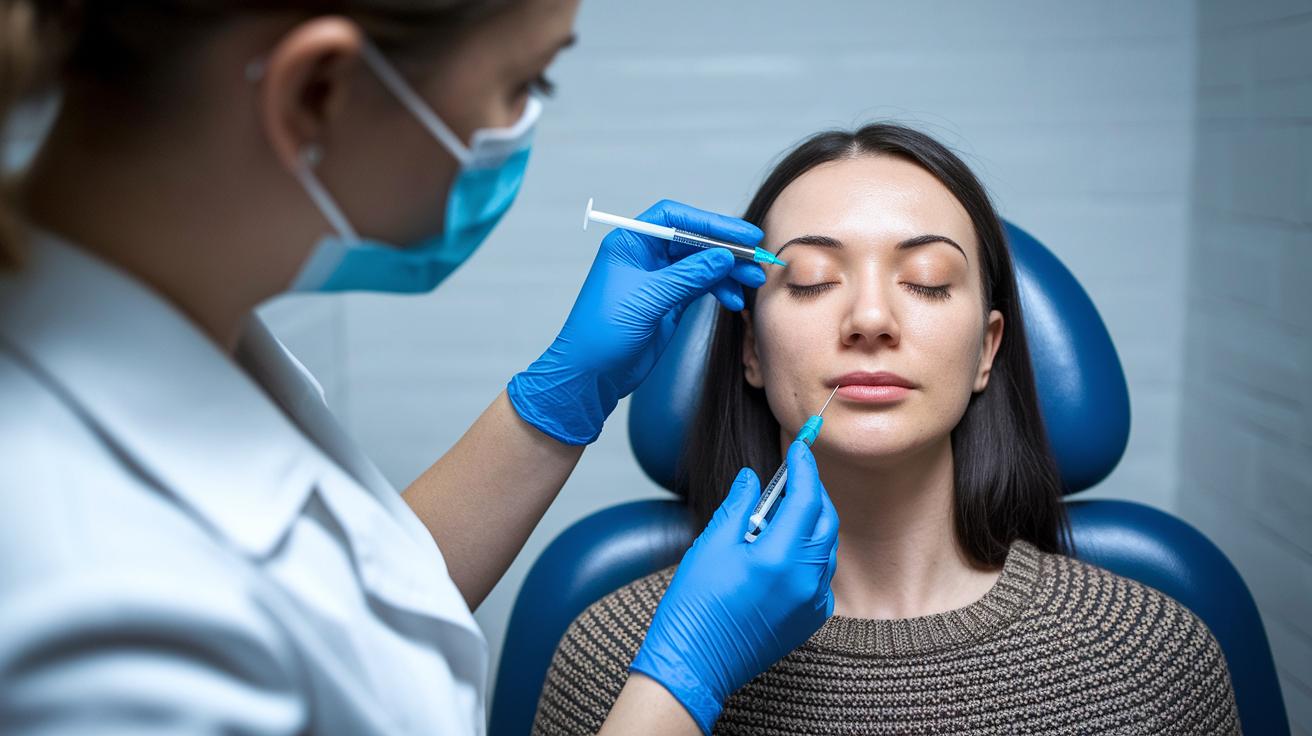
For those using Botox to treat chronic migraines, the treatment usually involves 155 units delivered via 31 separate injections. This approach has a much higher rate of serious side effects compared to using Botox for cosmetic reasons. Imagine it like giving your muscles a rigorous workout repeatedly, eventually, this can lead to some muscle weakening over time.
Muscle recovery is not one-size-fits-all. The slow-twitch Type I fibers bounce back faster than the fast-twitch Type II fibers. Also, muscles nearer to your brain often regain their strength more quickly. It’s kind of like a clock, where the big gears in the center move faster than the smaller ones on the edge.
Doctors typically schedule these treatments every 12 to 16 weeks to help keep the cumulative risks low. If you have a history of neuromuscular issues, past facial surgeries, or connective-tissue conditions, your risk might be higher. In that case, your provider may tweak the treatment plan a bit to protect those more sensitive areas.
When it comes to choosing between cosmetic and therapeutic Botox, it’s crucial to recognize that the safety details can be quite different. A knowledgeable practitioner will check your full medical history and muscle traits to strike the right balance between great results and keeping side effects to a minimum. Often, just a small change in the dose can make a big difference, almost like tuning a musical instrument to get the perfect sound.
Minimizing Botox Injection Complications with Pre-Procedure Strategies and Post-Care Instructions

Before you get Botox injections, have an honest chat with your provider about your complete health history. Let them know if you might be pregnant, have any nerve or muscle issues, or deal with serious allergies. Sharing things like past reactions to similar treatments helps set up a safer plan for you.
When it comes to getting ready for your injection, your provider uses careful dosing and a neat way of mixing the vial ingredients to keep the toxin in check. Think of it like following a recipe where every detail matters. These small tweaks help control unwanted spread and can make a big difference in how you feel during and after the treatment.
After your appointment, it really pays to follow the aftercare guidelines. Stay upright for at least four hours, and try not to massage the area, go near heat, drink alcohol, or do any intense activities for a full day. Keeping a simple log of any unusual feelings or delayed reactions can be really useful. And remember, a follow-up visit about two weeks later is a great chance to catch and fix any issues early on.
Choosing Qualified Botox Injection Providers: Competence Standards and Informed Consent

Great Botox providers are not just board certified in dermatology or plastic surgery; they also have hands-on training with neuromodulators and a solid understanding of how the face is built. They support their work with studies reviewed by experts and check their results regularly, so you know you are getting a safe treatment. This shows they can handle the small details of dosage and injection methods while keeping risks low.
Here are some key things to look for when choosing a Botox provider:
- Board certification in dermatology or plastic surgery
- Verified training in neuromodulator use and injection techniques
- Experience using facial anatomy to plan treatments
- Clear informed consent documents that explain side effects, costs, other treatment options (like Dysport or fillers), and any risks from off-label use
- A system for regularly monitoring safety, including scheduled follow-up appointments to catch any delayed reactions
When you go over the consent papers, ask detailed questions about your treatment choices. Look for explanations that might say something like "botox forehead lines" with a link showing more details, because that shows the provider really understands the topic. This clear sharing of information and steady monitoring makes sure your treatment is both safe and designed just for you.
Final Words
In the action, we navigated the basics of botox injections and side effects. We broke down everything from common injection issues like mild bruising to the rare, more serious risks and safe pre- and post-treatment practices. You now have a clear picture of what to expect and how to approach treatment with trusted providers. The discussion emphasized patient care and safety so you can feel confident about your decisions while keeping up with new advances. Stay informed and enjoy an optimistic outlook on your aesthetic transformation.
FAQ
Q: What are the Botox neurological side effects?
A: The Botox neurological side effects refer to rare symptoms like muscle weakness, difficulty swallowing, and blurred vision when the toxin spreads beyond its intended area. These effects are infrequent with proper administration.
Q: What are the long-term side effects and bad side effects of Botox?
A: The long-term side effects include muscle atrophy from repeated injections, while bad side effects can involve temporary bruising, headache, or minor facial changes. Most reactions are mild and resolve with time.
Q: Can Botox cause cancer?
A: The question of Botox causing cancer is answered by current research, which shows no link between the toxin and cancer development. Botox remains safe when used as approved for cosmetic and therapeutic purposes.
Q: How much does a Botox injection cost?
A: The Botox injection price depends on a variety of factors such as the region, provider, and number of units needed. Pricing is typically per unit and a consultation often provides personalized estimates.
Q: What are the side effects of Botox on the forehead?
A: The Botox side effects on the forehead may include temporary bruising, slight swelling, and mild headaches. These effects are usually short-lived if the injections are performed carefully.
Q: What do Botox side effects pictures show?
A: The Botox side effects pictures display examples of common reactions such as bruising, swelling, or drooping eyelids. These images serve as guides to help patients understand what minor post-treatment effects might look like.
Q: When do Botox side effects go away?
A: The Botox side effects typically clear up within a few days to a week for issues like bruising or swelling, though headaches might last a bit longer. Most minor reactions subside on their own with proper care.
Q: What are some reasons not to get Botox?
A: Common reasons not to get Botox include pregnancy, neuromuscular conditions, severe allergies, or a history of negative reactions. A full medical review is important before starting treatment.
Q: Can Botox cause asthma?
A: The concern of Botox causing asthma is not supported by research. Although individuals with respiratory sensitivities should speak with their doctor, Botox is not linked to triggering asthma.
Q: Is Botox good for eczema?
A: The idea that Botox may help with eczema is not backed by strong evidence. Botox is primarily used for cosmetic treatments and approved therapeutic uses, not for treating eczema.
Q: Can Botox give you a sore throat?
A: The possibility of Botox giving you a sore throat is low. While some patients experience mild flu-like feelings, a sore throat is not commonly reported as a side effect.


