Have you ever spotted small bumps on your skin that make it look a bit like a strawberry? It’s a common sight for many people who wonder if these little marks are simply a quirk of nature or a sign that something might need attention.
These bumps come from a condition known as keratosis pilaris. While it’s completely harmless, it can sometimes chip away at your confidence.
In this post, we’ll walk you through what causes these bumps and share a few easy changes that might help you manage them. With a simple daily routine, you could soon notice a smoother, braver you looking back in the mirror.
Understanding Strawberry Skin: What It Is, Symptoms, and Diagnosis
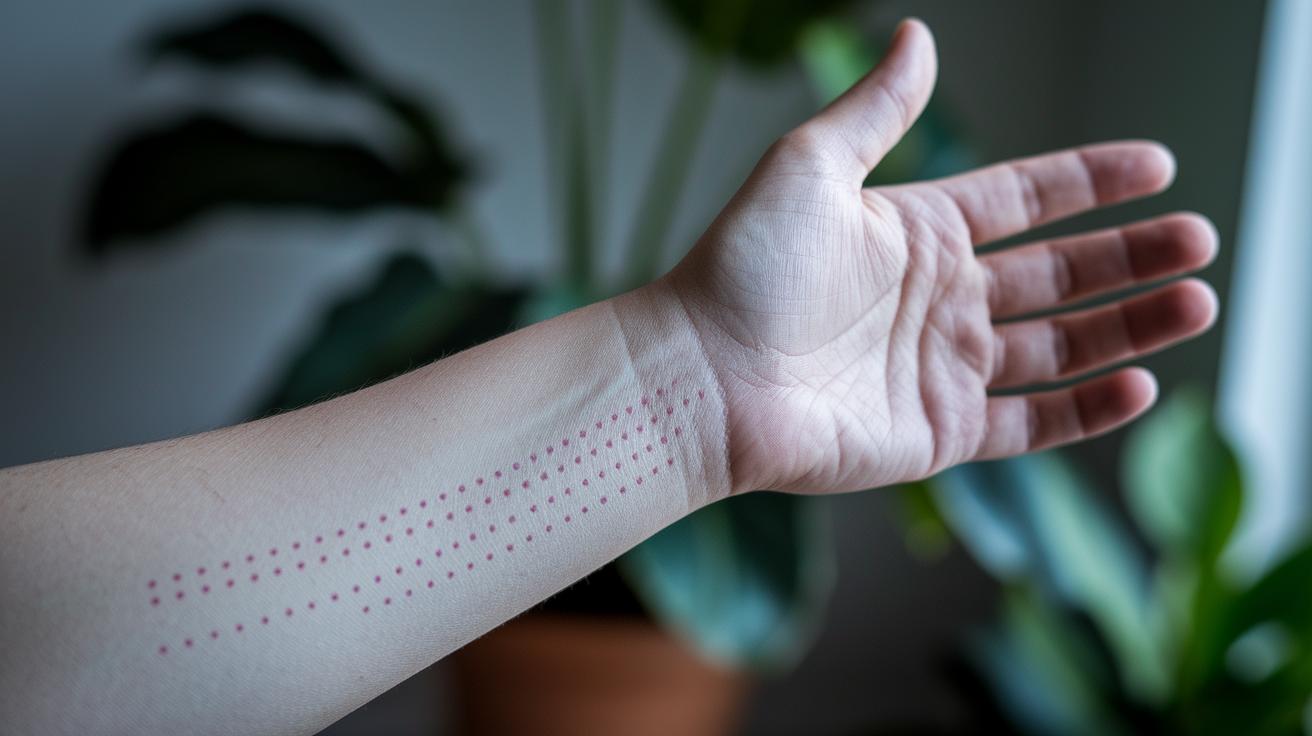
Strawberry skin, in medical terms known as keratosis pilaris (KP), shows up as very small bumps that can be pink, red, or dark on places like your arms, legs, and cheeks. These bumps appear when extra keratin builds up and clogs hair follicles. Even though KP is common and harmless, many people feel self-conscious about the way their skin looks. It isn’t a disease, but it can be a cosmetic concern if you’re hoping for smoother skin. Think about how a small detail, like a minor tweak in a recipe, can transform the whole dish.
If you have dry or sensitive skin, you may also notice some rough patches, dry areas, and a touch of redness along with those bumps. Sometimes, your genes can play a role too. With a gentle routine that includes mild exfoliation and regular moisturizing, many people see a change within four to six weeks. This shows just how much a steady skincare routine can help even out the skin’s texture and tone.
Spotting strawberry skin is pretty straightforward. Look for areas that feel a bit bumpy, often with a pattern of tiny red dots. These signs make it clear that your skin could benefit from some focused care to smooth things out and brighten its look. Catching these early means you can adjust your skincare habits and keep KP under control for the long haul.
Common Triggers Behind Strawberry Skin Bumps
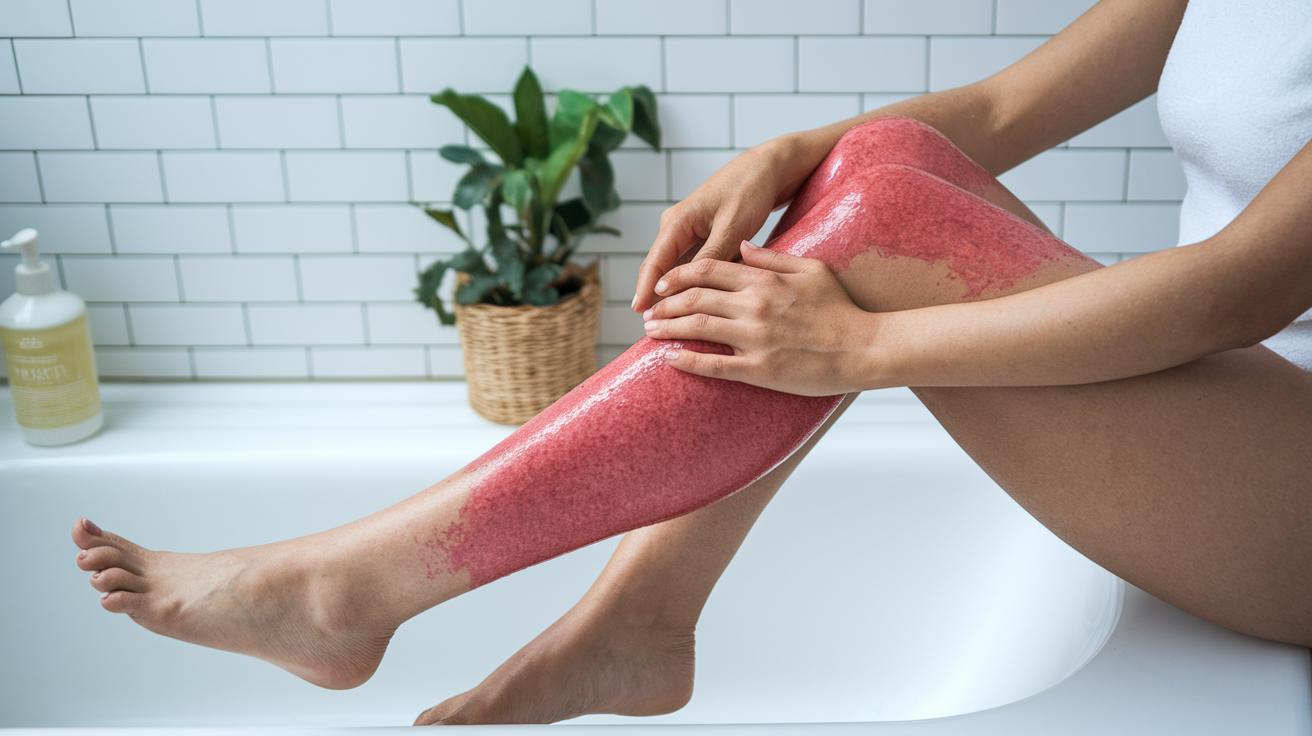
When your skin is dry or extra sensitive, it can lead to those little bumps that look like strawberries. This happens because when your skin lacks moisture, extra keratin can block your hair follicles. People with a family history of sensitive skin often notice this more.
Using a dull razor while shaving is another culprit. An old blade creates extra friction, which irritates your skin. Even a simple session of waxing or epilation can leave small red bumps that look similar to strawberry skin.
What you eat matters, too. Some folks find that dairy, gluten, or high-fat foods can clog pores, making it tough for your skin to breathe. And when the air is dry, like in cold weather or low humidity, it pulls moisture right out of your skin, leaving it even more vulnerable.
A few small tweaks in your daily routine might be all it takes to help your skin feel smoother and more confident. Recognizing and managing these triggers is a great way to keep those strawberry bumps at bay and enjoy a healthier skin texture.
Effective Exfoliation Techniques for Smoother Strawberry Skin
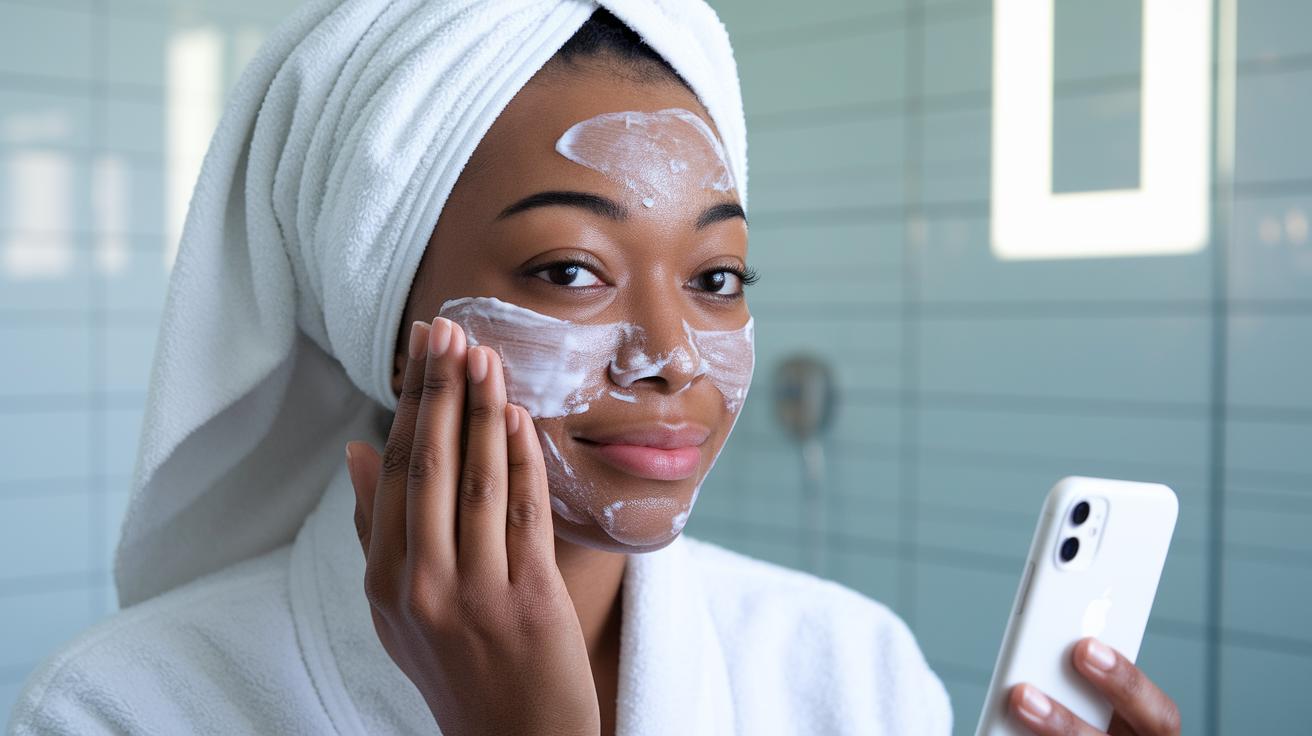
Chemical exfoliants such as glycolic acid, lactic acid, and salicylic acid gently break down old skin cells and clear clogged pores. Over the next 4 to 6 weeks, you'll notice your skin looking smoother and more even. A careful routine keeps irritation low while delivering real results.
Mechanical scrubs like sugar or coffee scrubs work by physically buffing away rough skin. Use these treatments 2 to 3 times a week so your skin isn’t overworked. Think of it like cleaning a foggy window, a quick, careful swipe makes all the difference in your view.
Dr. Pimple Popper’s popular two-step method starts with a soft chemical exfoliation to ease away unwanted skin buildup. Then, a moisturizer is applied to seal in hydration and protect your skin’s natural barrier. This simple routine can smooth out skin texture and reduce those strawberry skin bumps.
| Treatment | How It Helps |
|---|---|
| Glycolic acid | Gently dissolves old skin cells |
| Lactic acid | Smooths and brightens the skin |
| Salicylic acid | Clears out clogged pores |
| Sugar scrub | Provides light physical exfoliation |
| Coffee scrub | Buffs away rough cells naturally |
| DIY acid scrub | Mixes diluted acid with natural extracts for a custom treatment |
A balanced exfoliation routine is the key to smooth, confident skin. By alternating between chemical and mechanical methods, you meet your skin’s various needs without overwhelming it. Always finish with a nourishing moisturizer, like adding a protective topcoat to a beloved painting. With consistent care, you’ll see your skin gradually become more even and glowing.
Strawberry Skin Brightens with Smooth Confidence
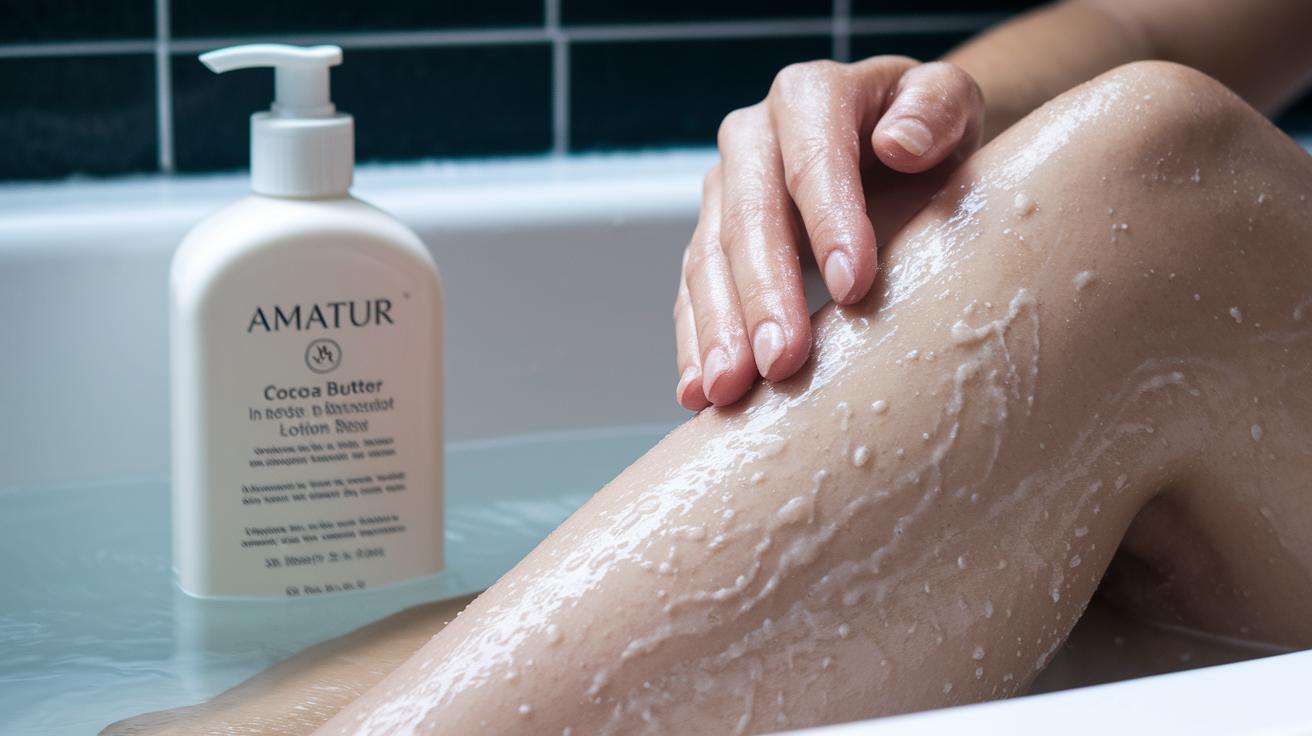
Keeping your skin well-hydrated really makes a difference when you're dealing with strawberry skin. A moisturizer with ingredients like hyaluronic acid and niacinamide smooths rough patches and evens out your skin tone. Think about a rich cocoa butter cream that mixes coconut oil, shea butter, hemp oil, and olive oil to lock in moisture for up to 48 hours. Imagine a lightweight lotion that wraps your skin in a soft, protective hug, soothing and visibly transforming.
Over-the-counter creams with urea or lactic acid boost this hydration by drawing in extra moisture and gently exfoliating away dead skin cells. Urea attracts water to keep your skin soft, while lactic acid helps lighten rough areas in a gentle way. It’s like giving your skin a refreshing drink after a long day, calming redness and irritation from shaving or waxing. This care not only smooths your skin but also reduces those small bumps that often look like strawberry skin.
Try using a body lotion or oil with a cocoa butter base every day, apply it to your legs, arms, or anywhere you need extra hydration. With consistent moisturizing, your skin builds its natural barrier, leaving you with a smoother, more even texture and a glow you can feel confident about.
At-Home and DIY Remedies for Strawberry Skin Relief
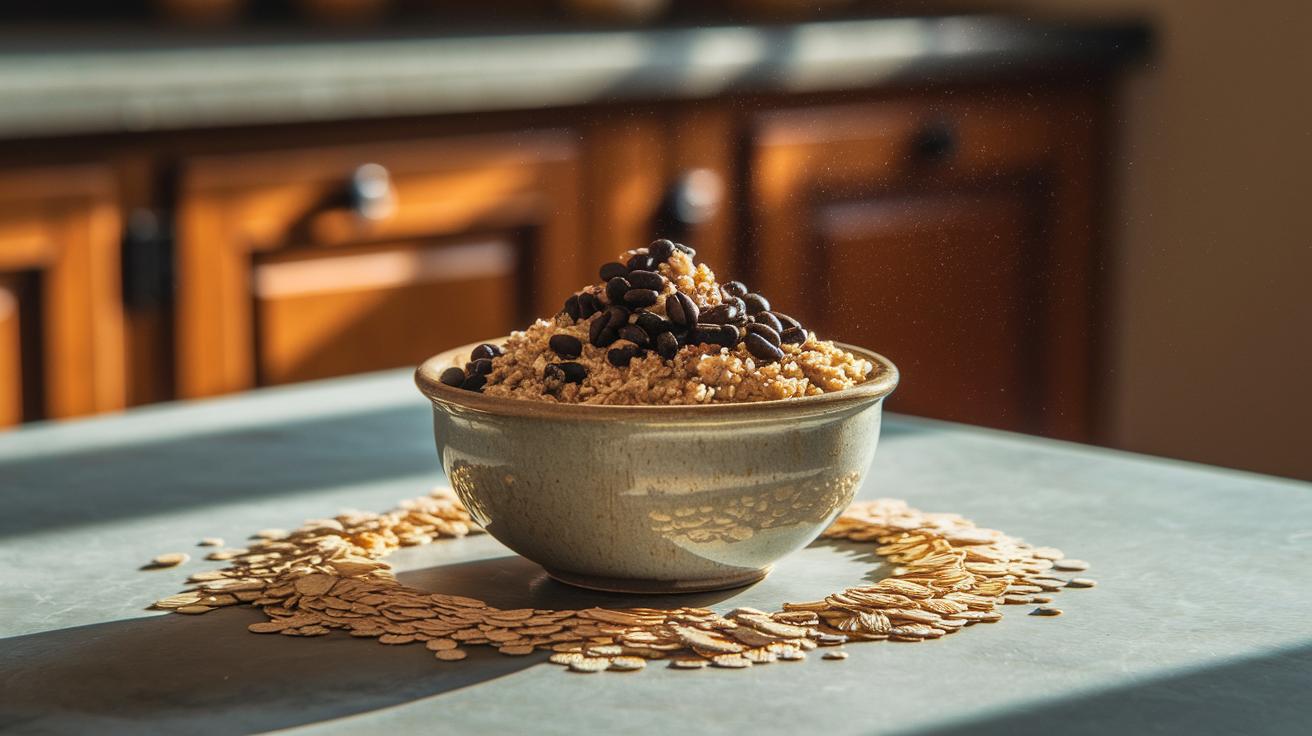
Sometimes, the simplest ingredients in your kitchen can help smooth out bumpy legs and lessen those stubborn berry marks. Using common items for gentle exfoliation and balance, you can treat your skin without any hassle. These remedies are friendly to your routine and work well when used a few times each week.
Try these easy treatments:
- DIY sugar or coffee scrub mixed with olive or coconut oil – this natural scrub buffs away dead cells and smooths rough areas.
- Oatmeal and honey paste – it calms irritation while lightly exfoliating to help reduce strawberry skin.
- Turmeric and yogurt mask – this soothing mask helps ease redness and evens out your skin tone by calming inflammation.
- Diluted apple cider vinegar toner – it helps balance your skin’s pH and keeps clogged follicles at bay.
Mixing one of these remedies into your routine two or three times a week can gradually smooth your skin and reduce visible bumps. It’s a simple and natural way to care for your skin using ingredients you likely already have at home. Give one of these treatments a try on your off days and enjoy the gentle care that leads to a calmer, clearer skin surface.
Professional and Advanced Treatments for Persistent Strawberry Skin
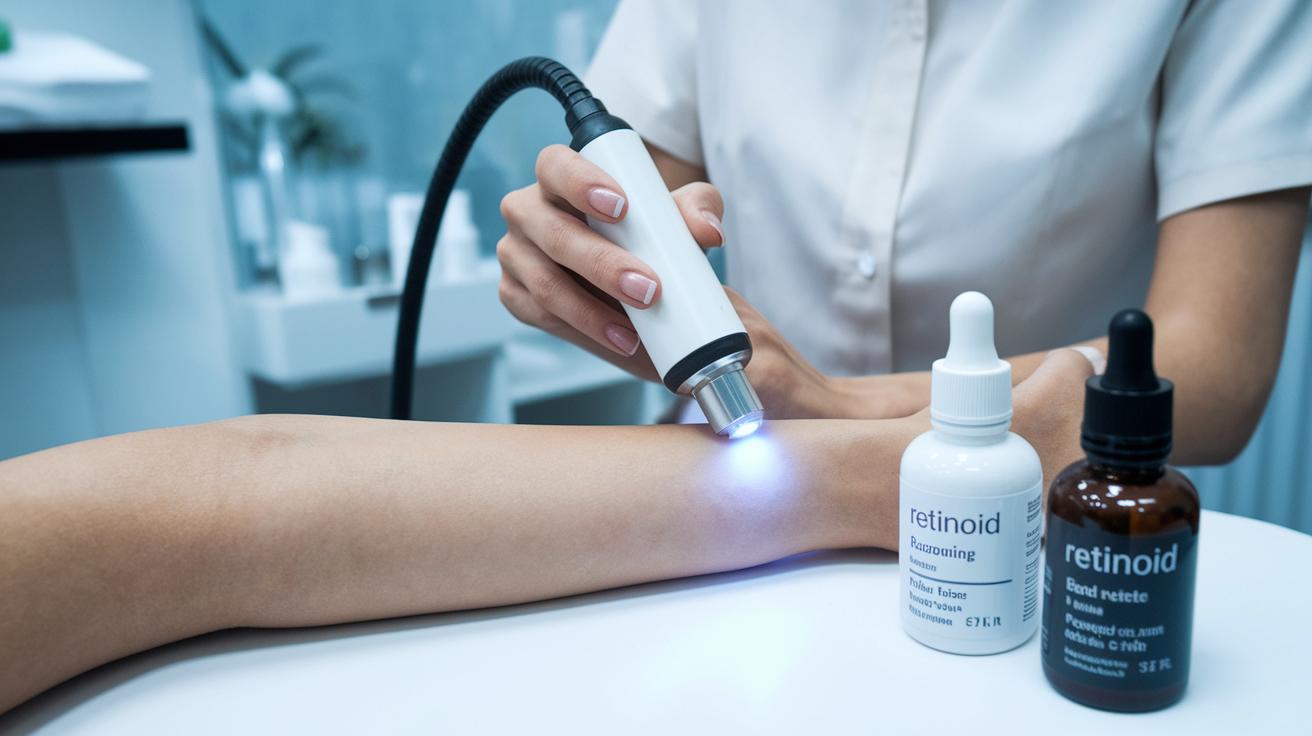
Laser Hair Removal
Laser hair removal uses focused light to hit hair follicles directly, helping reduce bumps caused by trapped keratin. You usually need four to six sessions to notice a real difference. Imagine that satisfying moment when you switch to a sharper razor and instantly feel smoother skin. Over time, this treatment can ease irritation, especially when everyday care just isn’t cutting it.
Professional Chemical Peels
Professional chemical peels use a 20–30% solution, often glycolic or salicylic acid, to gently clear away dead skin cells and unclog pores. Right after the treatment, you might see a bit of redness and flaking, similar to a quick, light renovation of your skin. Your dermatologist will adjust the peel’s strength to match your skin type, ensuring the process remains both effective and safe.
Prescription Retinoids
Prescription retinoids like tretinoin help smooth your skin by normalizing keratin production over 8–12 weeks. Just a pea-sized amount applied at night can gradually ease rough patches, much like watching a cloudy winter sky slowly clear into a bright spring day.
Microdermabrasion
Microdermabrasion is a treatment that gently buffs away the outer layer of your skin using fine crystals, similar to a soft, refreshing massage. Many people opt for monthly sessions since the downtime is minimal. This approach works wonderfully on its own or as part of a tailored treatment plan to address persistent bumps.
Building a Daily Regimen to Prevent Strawberry Skin Flare-ups
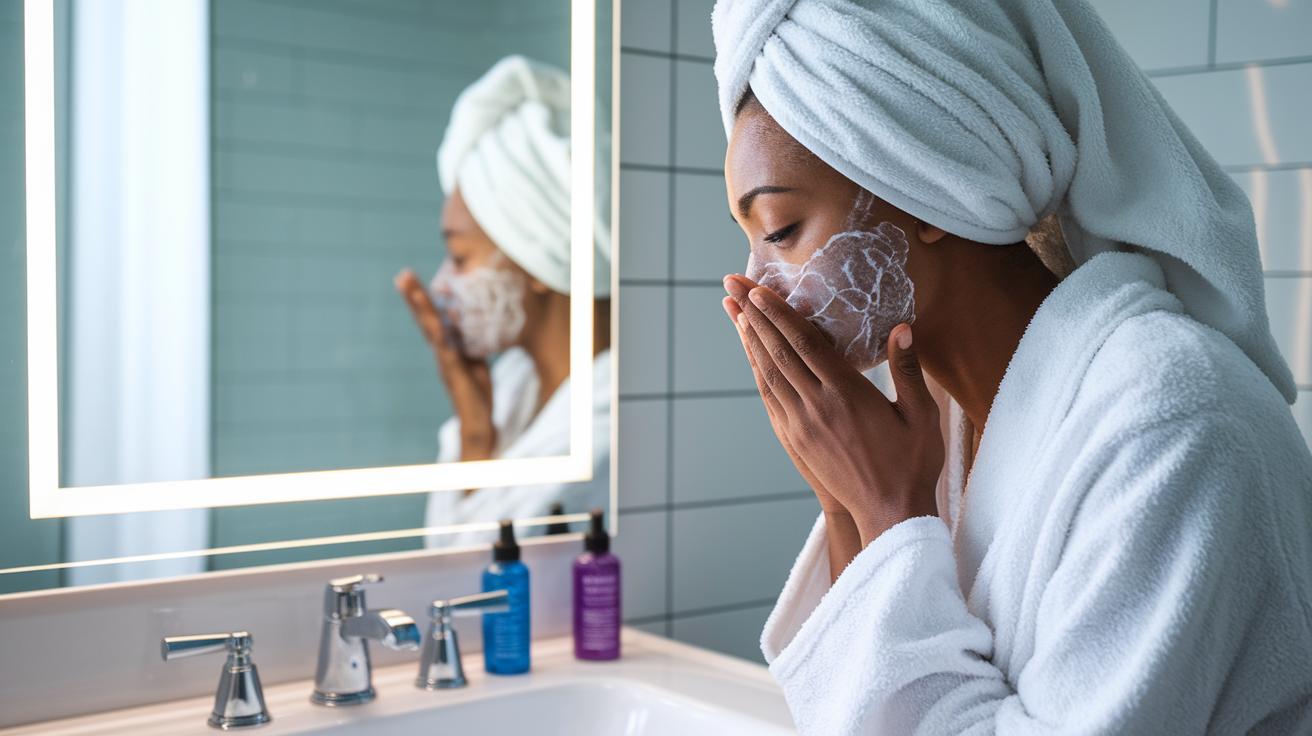
A daily routine can make a big difference in keeping your skin smooth and reducing those pesky strawberry skin bumps. When you follow a simple, regular routine, you help support a healthy skin barrier, keeping rough patches away and leaving your skin feeling cared for.
- Start with a gentle, pH-balanced cleanser twice a day. This helps wash away impurities while keeping your skin’s natural moisture intact.
- A few times a week, while your skin is still a bit damp, use a chemical exfoliant. This helps clear away dead skin cells and unclogs your pores, kind of like giving your skin a light, refreshing scrub.
- Right after, smooth on a barrier-repair moisturizer enriched with ingredients like hyaluronic acid and niacinamide. This locks in hydration and supports your skin’s natural defenses.
- Once a week, treat your skin to a deep-hydration mask or an oil treatment. Think of it as a nourishing boost to help further reinforce your skin barrier.
- If you shave, try to keep it to a minimum and always use a sharp blade with protective creams. This minimizes irritation and helps prevent bump formation.
Stick to this routine and over time, you’ll notice your skin improving in texture and balance. It’s a steady approach that soothes current irritation and helps ward off future flare-ups. For more ideas on how to keep your skin happy, check out our tips at self care routine.
Final Words
In the action, we defined strawberry skin, explained its symptoms, and broke down everyday triggers that cause those red bumps. We covered gentle exfoliation methods and highlighted treatments that soothe and hydrate affected areas. We even shared simple DIY and professional options for lasting improvement.
With clear steps to build a daily skincare regimen, you have the tools needed to care for your skin safely. Embrace these insights and feel positive about your journey to smoother, healthier skin.
FAQ
What are strawberry skin products?
Strawberry skin products refer to cleansers, moisturizers, and chemical exfoliants designed to smooth rough skin and reduce tiny red bumps linked to keratosis pilaris.
What is a strawberry skin treatment, including treatment at home?
Strawberry skin treatment means using a routine of gentle cleansing, targeted exfoliation, and hydrating moisturizers; many find that at-home remedies like DIY sugar scrubs can lead to visible improvements.
What does it mean if you have strawberry skin or keratosis pilaris?
Having strawberry skin means you notice tiny, red or dark bumps on your skin, which is a common, harmless condition called keratosis pilaris caused by an excess of keratin blocking hair follicles.
What causes strawberry skin on arms and legs?
Strawberry skin on arms and legs is usually caused by factors like dry, sensitive skin, irritation from shaving or waxing, and genetic influences that result in blocked hair follicles.
What deficiency causes strawberry skin?
The occurrence of strawberry skin isn’t typically linked to a specific nutritional deficiency; it usually arises from dry skin and genetic factors rather than a lack of vitamins.
What lotion should be used for strawberry skin?
The lotion ideal for strawberry skin contains hydrating ingredients such as hyaluronic acid and cocoa butter to soothe irritation and lock in moisture for smoother skin.
How do you get rid of strawberry skin?
Getting rid of strawberry skin involves a consistent regimen of gentle cleansing, regular exfoliation, and keeping the skin hydrated with targeted moisturizers to gradually smooth out the bumps.


