Have you ever thought about a computer that could predict how you might look? Today, AI uses clear facial scans and simple record checks to create a treatment plan just for you. It picks up on tiny details that might be missed and helps doctors design plans that fit perfectly. Digital previews let you see a realistic view of your potential results, making everything easier to understand. In short, AI is transforming the way we plan cosmetic treatments, helping you make confident choices and enjoy impressive results.
AI-Enabled Personalization in Aesthetic Treatment Planning
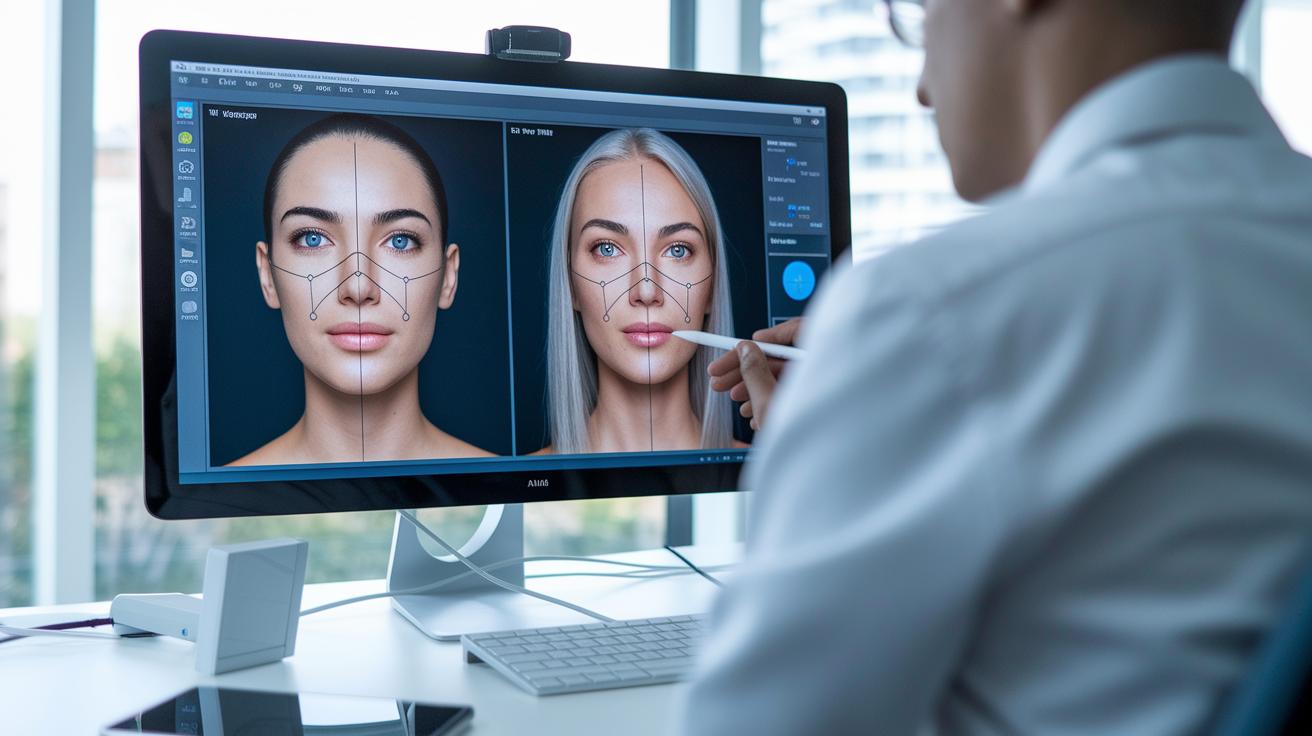
AI taps into patient records, facial scans, and large aesthetic databases to craft tailored treatment plans. It gathers simple details like skin texture, facial shape, and overall structure, putting together each puzzle piece until the whole picture is clear. For instance, high-resolution facial scans pick up subtle details the naked eye might miss, forming the starting point for personalized cosmetic care.
Virtual simulation also plays a key role. With advanced imaging techniques, patients get to see a digital preview of their appearance after treatment before anything happens. These predictive models blend facial measures, skin data, and history to reach up to 90% accuracy. This gives patients a reliable glimpse of their future look and helps build confidence in their treatment choices.
Plus, AI-assisted planning boosts efficiency by cutting preoperative design time by around 30%. The process takes the guesswork out for clinicians and invites patients to be more involved in mapping their treatment journey. In the end, both patients and providers enjoy a smoother, more connected path forward.
Machine Learning in Patient Assessment for Aesthetic Planning
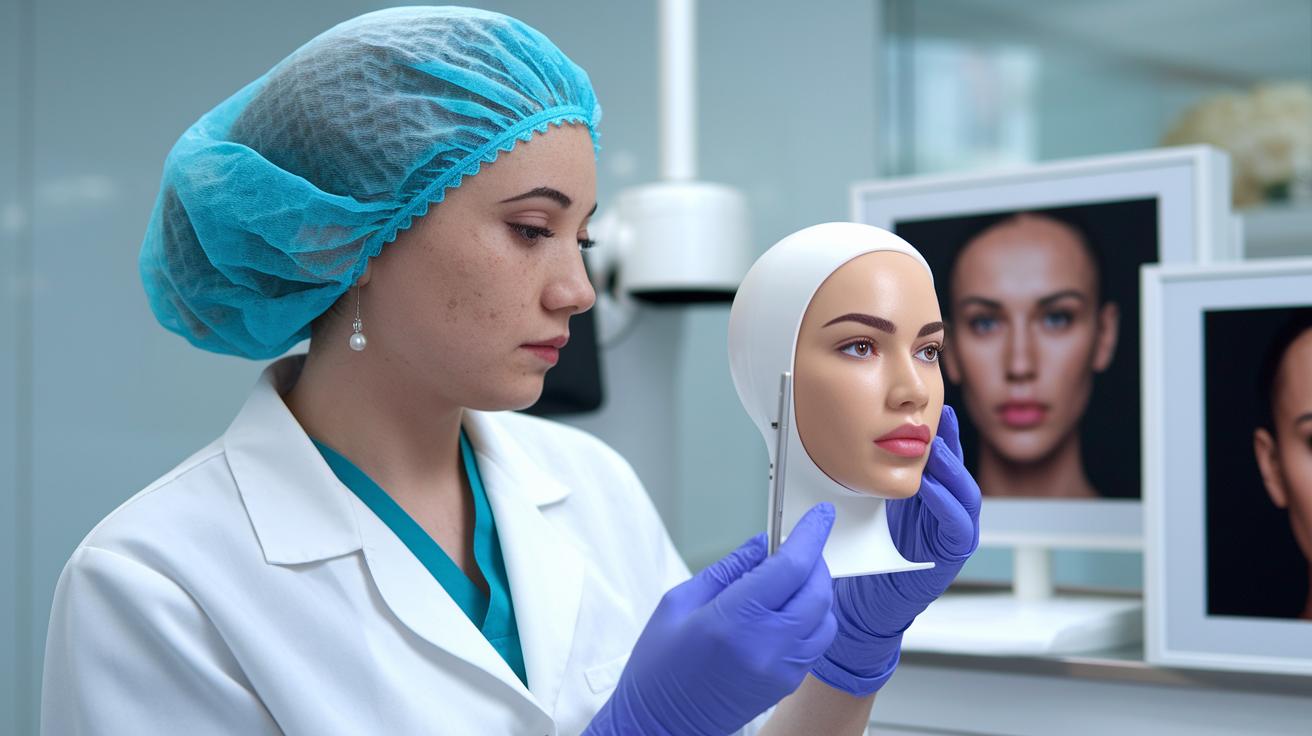
Machine learning is changing how doctors check patients for cosmetic treatments. It uses smart computer programs with clear, high-quality skin images and a full look at a patient’s history. This approach lets clinicians see how healthy the skin is and understand the shape of the face without any painful tests. By noticing tiny differences, these systems can spot potential problems early on, helping guide the best treatment choices.
- Skin elasticity measurement
- Vascular pattern detection
- Evaluation of subdermal landmarks
- Facial symmetry analysis
- Risk factor profiling
A key part of this process is bringing together different types of digital tests. By combining information from various sources like patient records and image scans, the system builds a clear picture of each person’s unique features. This careful review not only customizes care but also makes sure every treatment is backed by solid data. Patients can feel confident knowing that the plan is made especially for their needs, paving the way for more precise and effective cosmetic solutions.
Advanced Imaging and 3D Visualization in AI Aesthetic Treatment Planning
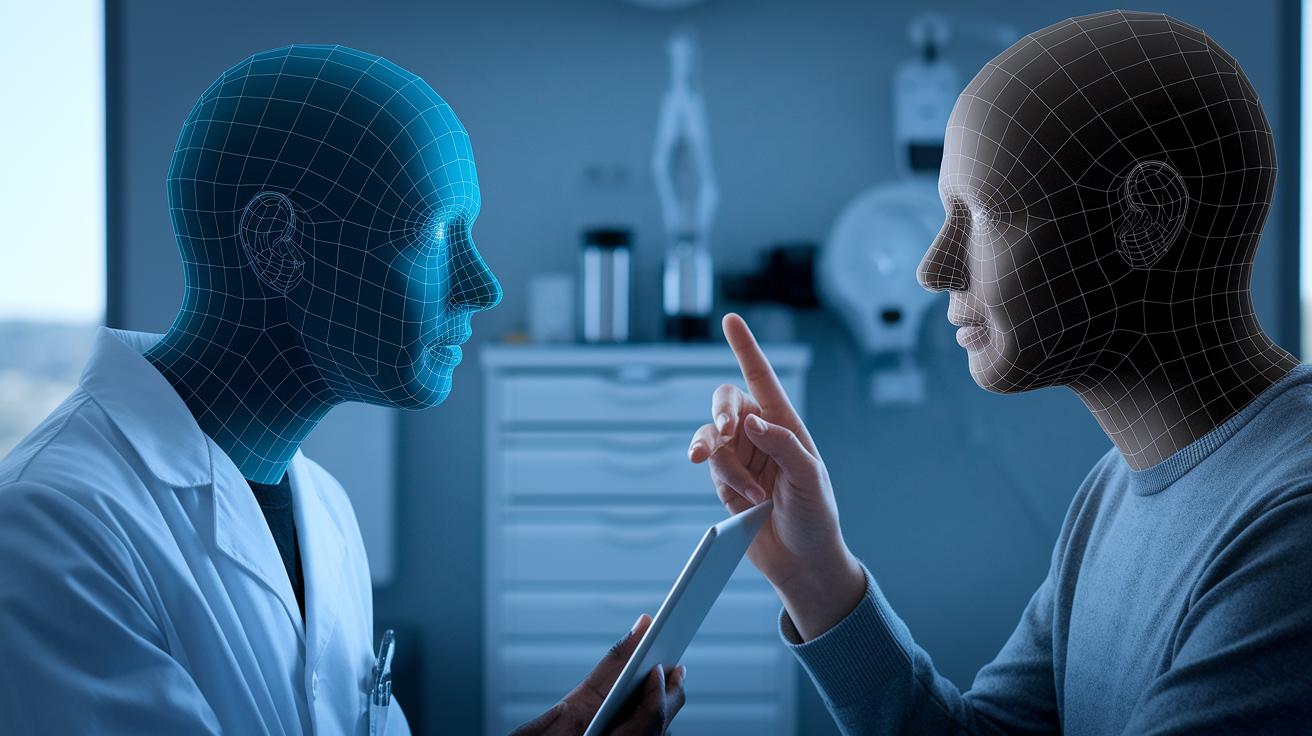
Advanced imaging now gives us detailed 3D maps of your face. AI-powered systems capture tiny features by scanning skin texture, curves, and what's below the surface. They build digital models that help doctors plan treatments with amazing precision. This technology even spots skin issues and finds subtle landmarks, making sure every part of the face is shown just right.
Three-Dimensional Visualization Advances
AI creates a clear, digital picture of your unique facial features. It turns complex scans into interactive 3D models so doctors can target areas needing adjustment with great care. Imagine a tool that takes high-resolution pictures and puts them together into a complete map that guides you toward a natural look.
Augmented Reality Simulation Scenarios
Real-time AR overlays let you see a live preview of potential treatment results. During a consultation, digital simulations appear right on your face, making it easy to see possible changes. This interactive setup helps both you and your doctor fine-tune the treatment plan and boosts confidence in the process.
| Imaging Modality | Accuracy | Clinical Use |
|---|---|---|
| 3D Facial Mapping | Sub-millimeter | Procedure Planning |
| Computer Vision Analysis | High Precision | Skin Condition Assessment |
| AR Overlays | Real-time | Patient Consultation |
Predictive Analytics for Outcome Forecasting in Aesthetic Treatment Planning
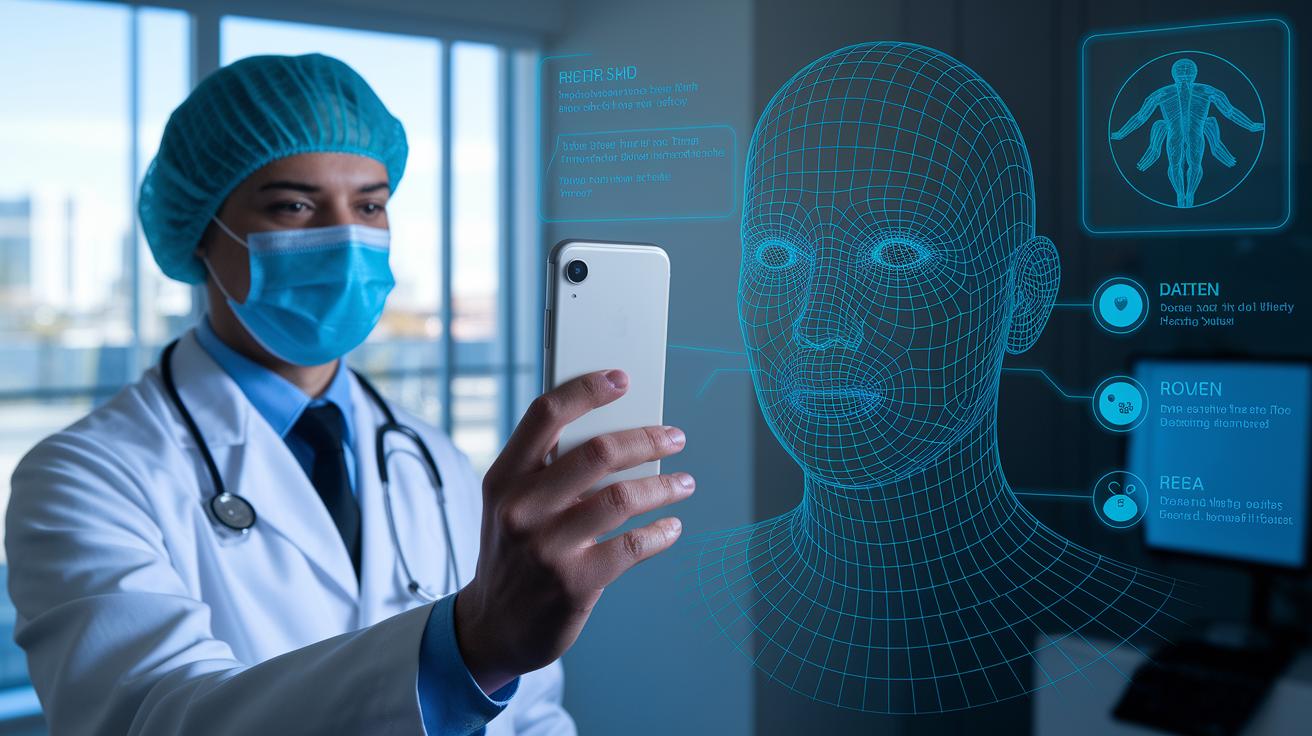
Imagine a tool that helps doctors perfect cosmetic treatments by mixing facial measurements, tissue details, and body data. Our AI system uses these numbers to paint a clear picture of what might happen after a treatment. Here, we share fresh insights on how pooling different data points can guide smart decisions in the clinic.
- It blends detailed facial structure info with live body signals.
- It tweaks treatment plans using solid number-based models.
- It looks at skin, muscle, and blood flow all in one go.
- It simulates what to expect after a procedure.
- It delivers accurate predictions to simplify patient chats.
- It backs up surgical choices with real data.
This advanced system gives doctors a full view of a patient’s unique makeup and offers the statistical support needed to fine-tune treatments with confidence.
Integrating AI into Clinical Workflows for Cosmetic Procedures
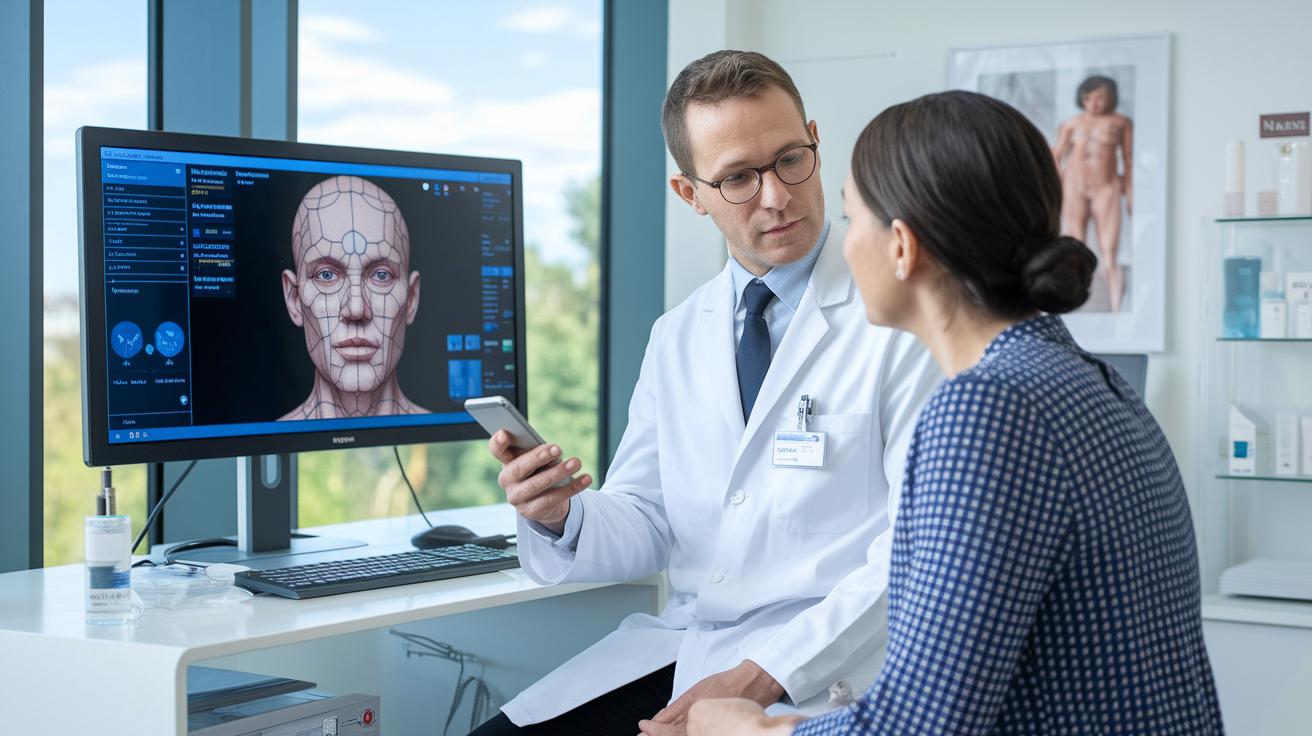
AI tools are now stepping in to help with everyday tasks like scheduling appointments, analyzing facial features, and creating personalized treatment plans. It’s like having a reliable assistant working quietly in the background. This smart shift means that clinics see a drop in planning time by nearly 30%, so doctors can focus more on patient care while AI handles the details.
In the digital makeover of clinical routines, each step relies on specialized AI tools to keep things running smoothly. First, patient data is gathered quickly and accurately. Next, the system reviews facial measurements and history to tailor a treatment plan just for you. For more details on how this technology fits into aesthetic medicine, check out "Role of AI in Aesthetic Medicine" at https://cosmeticsurgeryinsider.com?p=1207. This approach not only boosts accuracy but also makes it simpler for the team to manage any changes during follow-ups.
The process follows these steps:
- Data capture
- AI analysis
- Simulation
- Plan finalization
- Execution
These well-defined stages help clinics work more efficiently and ensure treatment plans are both connected and effective, keeping patient care front and center.
Case Studies of AI-Powered Aesthetic Treatment Planning
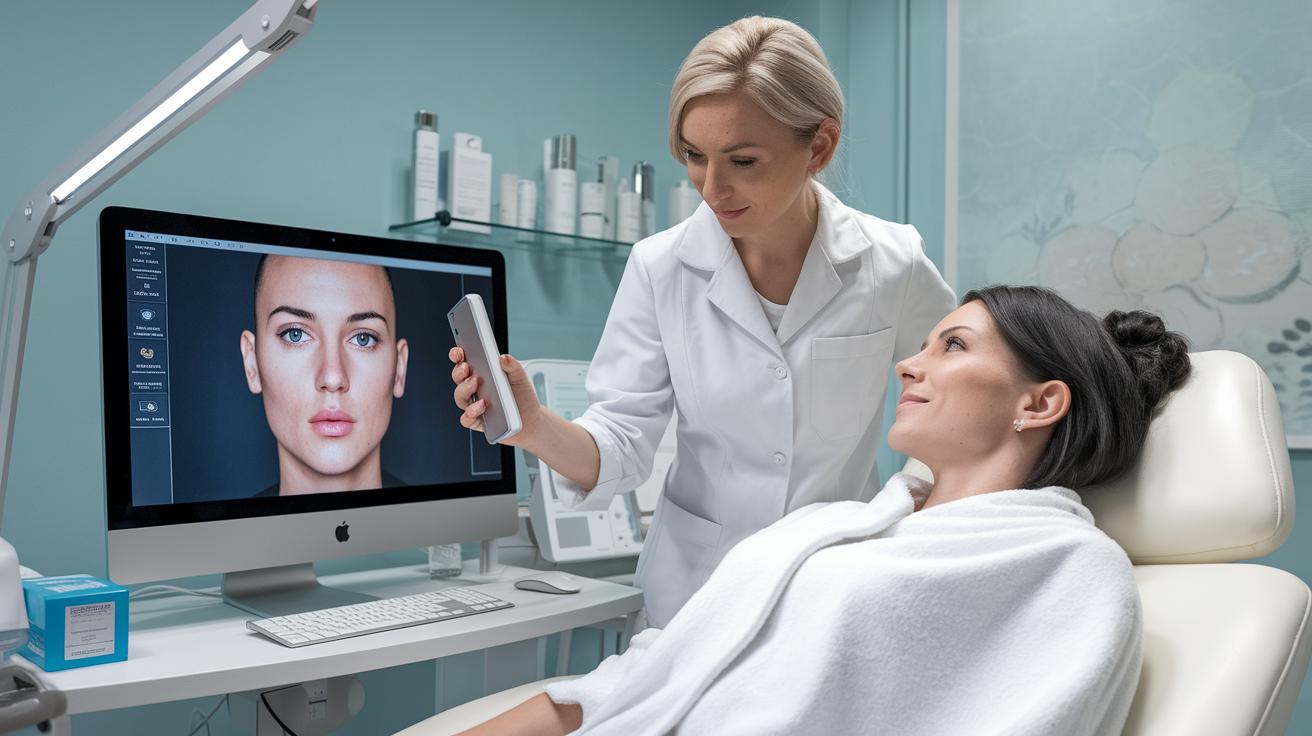
Medspa Preoperative Blueprinting
At one medspa, a special computer program studies detailed facial scans and your medical history to create a digital plan for your treatment. This smart tool learns from different facial features using pattern recognition, which cuts planning time by nearly one third. Imagine it like a digital artist sketching your treatment roadmap before you even walk in the door, clear, precise, and ready to adjust as needed.
Facial Filler Outcome Prediction
A clinic put a deep learning system to work by using image segmentation that predicts how facial fillers will look. The program practices with supervised training rounds to improve its predictions, and it now reaches up to 90% accuracy in showing results for various skin textures and facial shapes. Think of it as having a live, personalized preview that changes to fit your unique features before any product is used.
Orthodontic Simulation for Aligners
Orthodontists are using AI to simulate how teeth will move and how the soft tissues will react. This tool uses methods like gradient boosting and finite element analysis to calculate each step of the treatment in real time, making sure that even the smallest changes in jaw alignment are captured. Picture a digital mirror that shows you exactly how your smile will evolve with every careful shift.
Benefits and Limitations of AI in Aesthetic Treatment Planning

AI is changing cosmetic treatment planning by using solid, evidence-based data to help doctors make better decisions. It works like a friendly assistant, crunching numbers and facts to help design treatments that suit each patient’s unique needs. This smart system not only boosts the accuracy of diagnoses but also makes treatments more personalized, effective, and budget-friendly. Many clinics that use these tools have noticed steadier outcomes and higher patient trust.
Here are some of the perks:
- Higher diagnostic accuracy
- More customized treatment plans
- Better cost-effectiveness
- Increased patient satisfaction and safety
- Smoother procedures for minimally invasive techniques
That said, there are a few bumps along the road. AI sometimes struggles with complex sets of data, which can lead to confusing outcomes or even bias in the algorithm. In the heat of a live procedure, making real-time adjustments can be tricky, and privacy concerns always loom because of the sensitive nature of patient information. Plus, for AI to work well, it needs top-quality data and solid clinical testing.
The main challenges include:
- Handling complex data inputs
- Reducing potential algorithm bias
- Managing limitations in real-time adjustments
- Keeping patient data private and secure
- Relying on high-quality data and thorough clinical validation
Future Directions for AI in Aesthetic Treatment Planning: Stunning Results
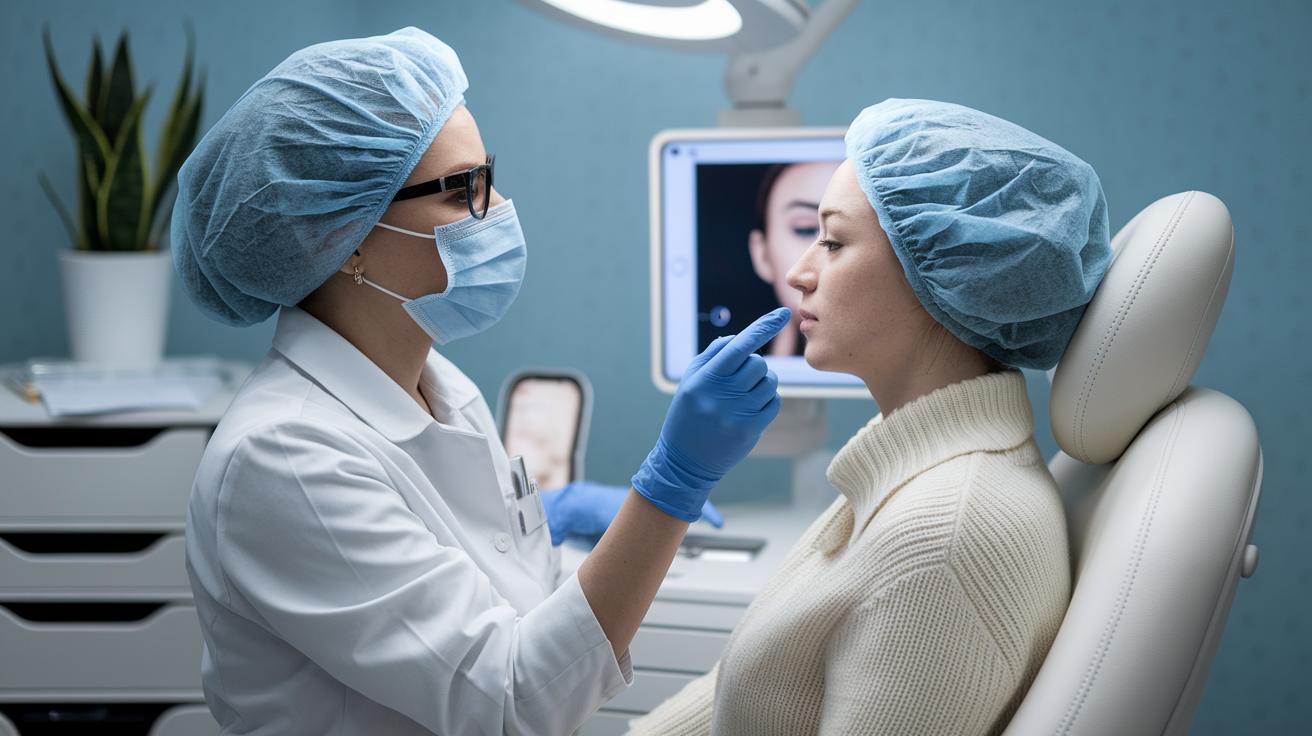
Digital workflows are revolutionizing cosmetic treatment planning by turning it into a completely digital process. Clinics and medspas around the world are now using systems that create highly personalized treatment plans with the help of real-time neural network adjustments. These digital blueprints simplify preparations, cut down on planning time, and consistently deliver results that impress. Picture a technology that captures every detail of your facial features and, like assembling a jigsaw puzzle, pieces them together to form a tailor-made treatment plan.
Real-Time Adaptive Planning
Thanks to neural network technology, treatment plans aren’t set in stone, they change as new information comes in. Every new image or measurement can lead to a quick tweak in the plan. You might start with one idea, and then see firsthand how slight shifts in your facial alignment or skin tone mean the plan needs a little adjustment right then and there. This nimble approach helps your provider fine-tune the treatment as needed, keeping everything as accurate as possible.
Ethical Integration and Oversight
Even with all these advances, keeping the human touch in patient care is key. As AI becomes part of your assessment, experienced professionals still review every decision to ensure your privacy and uphold high clinical standards. By combining smart technology with thoughtful oversight, these innovations not only sharpen treatment precision but also boost your trust, leading to outcomes that are truly stunning.
Final Words
In the action of exploring breakthrough platforms, this article walks through how AI enhances aesthetic treatment planning with data-driven analyses, virtual simulations, and smart diagnostic tools.
It highlights the benefits of integrating AI into patient assessment, imaging, and outcome prediction.
This approach builds confidence in treatment decisions and keeps care innovative, precise, and efficient. Embrace these insights and look forward to a future of safer, personalized cosmetic care.
FAQ
How does AI enhance aesthetic treatment planning?
AI enhances aesthetic treatment planning by using facial scans, patient records, and databases to create customized treatment blueprints, increasing predictive accuracy and helping clinicians deliver dedicated, patient-focused care.
How do virtual simulations improve patient consultations in aesthetic treatments?
Virtual simulations improve patient consultations by offering interactive previews of potential results, allowing patients to visualize outcomes, ask questions, and feel more confident in their treatment choices with a personalized touch.
What benefits do advanced imaging and 3D visualization provide in cosmetic planning?
Advanced imaging and 3D visualization provide precise facial mapping and interactive AR overlays. This technology aids in accurately planning procedures and giving patients a clear preview, which supports informed decision-making.
How do predictive models support outcome forecasting in aesthetic treatments?
Predictive models support outcome forecasting by combining facial metrics, physiology data, and procedure variables. This integration guides pre-procedure adjustments while providing clinicians with actionable insights and around 90% prediction accuracy.
How does AI integration improve clinical workflows in cosmetic procedures?
AI integration improves clinical workflows by streamlining data capture, analysis, simulation, and plan finalization. These automated steps reduce planning time and foster better team coordination, enhancing overall efficiency in cosmetic practices.
What real-world examples demonstrate AI’s impact on aesthetic treatment planning?
Real-world examples include medspas reducing planning time by 30%, clinics achieving 90% accuracy in filler predictions, and orthodontic practices improving aligner adjustments through AI-driven simulation tools.
What benefits and challenges arise with using AI in cosmetic treatment planning?
AI in cosmetic treatment planning offers benefits such as increased diagnostic accuracy and personalized care. Challenges include handling complex data, mitigating potential algorithm bias, addressing privacy concerns, and requiring high-quality datasets.
What future directions are emerging for AI in aesthetic treatment planning?
Future directions for AI in aesthetic treatment planning center on digital workflows, real-time treatment adjustments, and stronger ethical oversight, which promise even greater customization and improved patient care in cosmetic practices.


