Ever wondered how a computer can design a beauty treatment just for you? Artificial intelligence is changing the game in non-surgical aesthetics by offering treatments that work faster and are gentler on your skin. Once upon a time, only large clinics could afford advanced imaging, but today even smaller clinics can provide personalized care. AI-powered scans check details like skin hydration and elasticity, much like a friendly, high-tech check-up, laying the groundwork for treatments that highlight your natural beauty. This shift not only makes procedures safer but also helps you achieve a fresh, confident look.
How Artificial Intelligence Elevates Non-Surgical Aesthetic Treatments
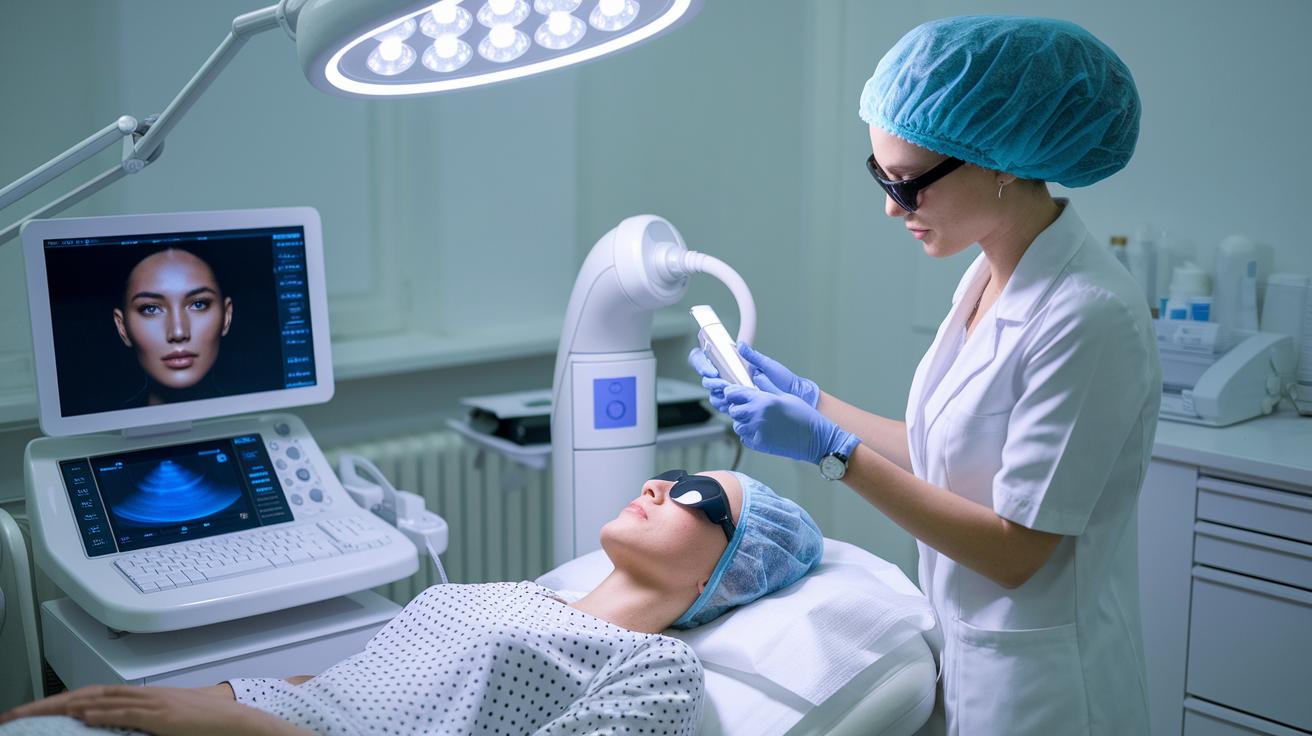
Artificial intelligence is changing non-surgical beauty treatments in big ways. With AI, treatments that once meant long recovery times are now sharper and much gentler. Doctors can use AI-powered scans to quickly check your skin and facial structure, which helps them create a treatment plan just for you. Fun fact: Before AI became common, advanced imaging was out of reach for many clinics. Now even a small clinic can use AI-driven systems to offer top-notch care.
New machine learning tools work together with devices like lasers, radiofrequency, ultrasound, cryolipolysis, and microneedling with PRP therapy (using your own platelet-rich plasma). These tools help boost collagen and renew skin cells, leaving you with lasting results. They also check important details such as hydration, elasticity, and pigmentation. This means the settings on each device are fine-tuned to target exactly what your skin needs, making the whole process smarter and kinder to your unique features.
Predictive analytics use deep learning to help reduce wrinkles and enhance facial contours by adjusting treatments in real time based on your personal anatomy and goals. This approach lets your doctor make quick, smart decisions that boost both safety and effectiveness. The result? You might feel more confident and satisfied with the care you receive.
Thanks to AI, technology and medicine work hand-in-hand to offer you treatments that are centered on your needs, very precise, and truly life-changing.
Developing Personalized Non-Surgical Aesthetic Plans with AI
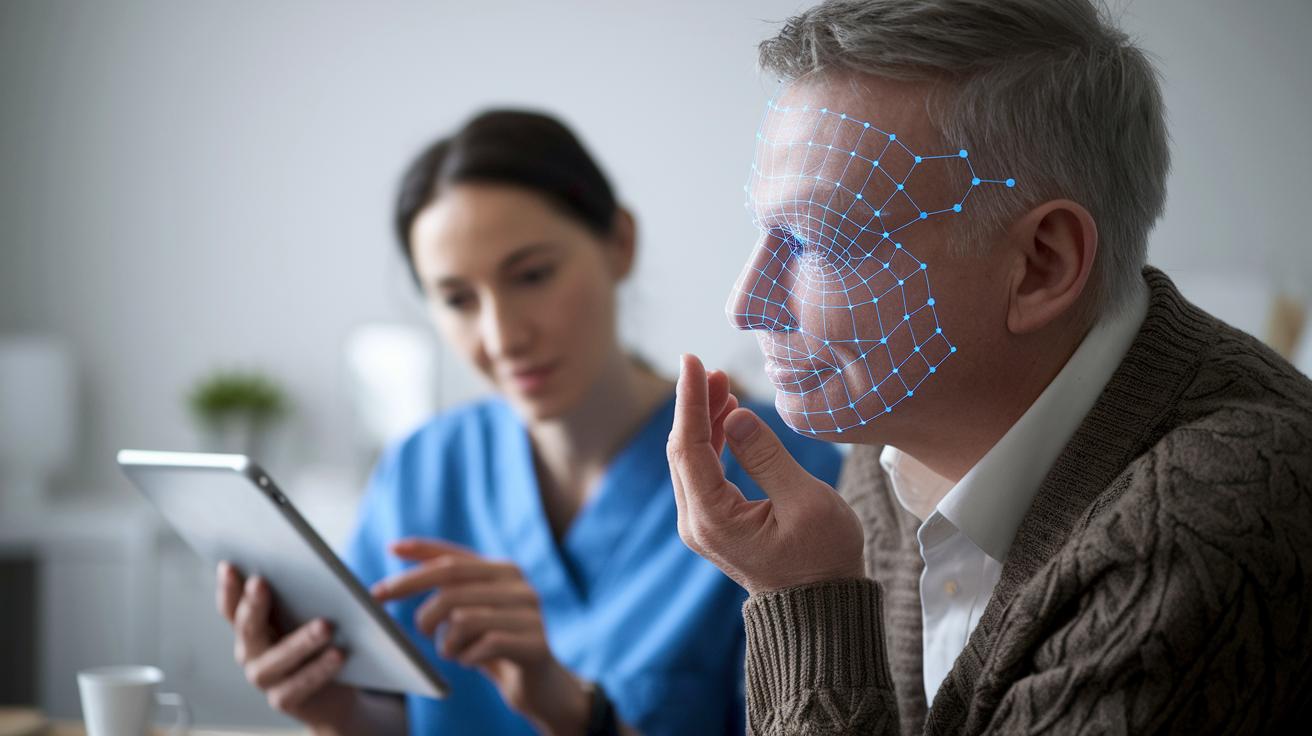
Imagine a system that looks at your unique genes, daily habits, and skin history to craft a treatment plan just for you. It uses sharp skin images and 3D facial mapping to capture your natural features so that smart algorithms can transform all that data into a plan that fits you perfectly. This technology not only shows you a preview of non-surgical facelifts, nose reshaping without surgery, and filler placements but also uses online consult tools to adjust your plan along the way. It’s like getting a digital makeover that lets you see what to expect before you even begin. If you're curious about how these data-driven plans work, take a closer look at how AI is changing aesthetic treatment planning.
- Collecting patient data
- Capturing images and creating 3D maps
- Using algorithms to generate a treatment plan
- Simulating virtual results
- Performing the procedure
- Monitoring progress after treatment
Each step matters in creating a plan that mixes technical accuracy with a personal touch. This approach makes it easier for patients to trust non-surgical treatments by setting clear expectations. As technology keeps advancing, personalized care in aesthetic medicine is only getting better.
AI-Powered Diagnostic Advancements in Non-Surgical Aesthetics
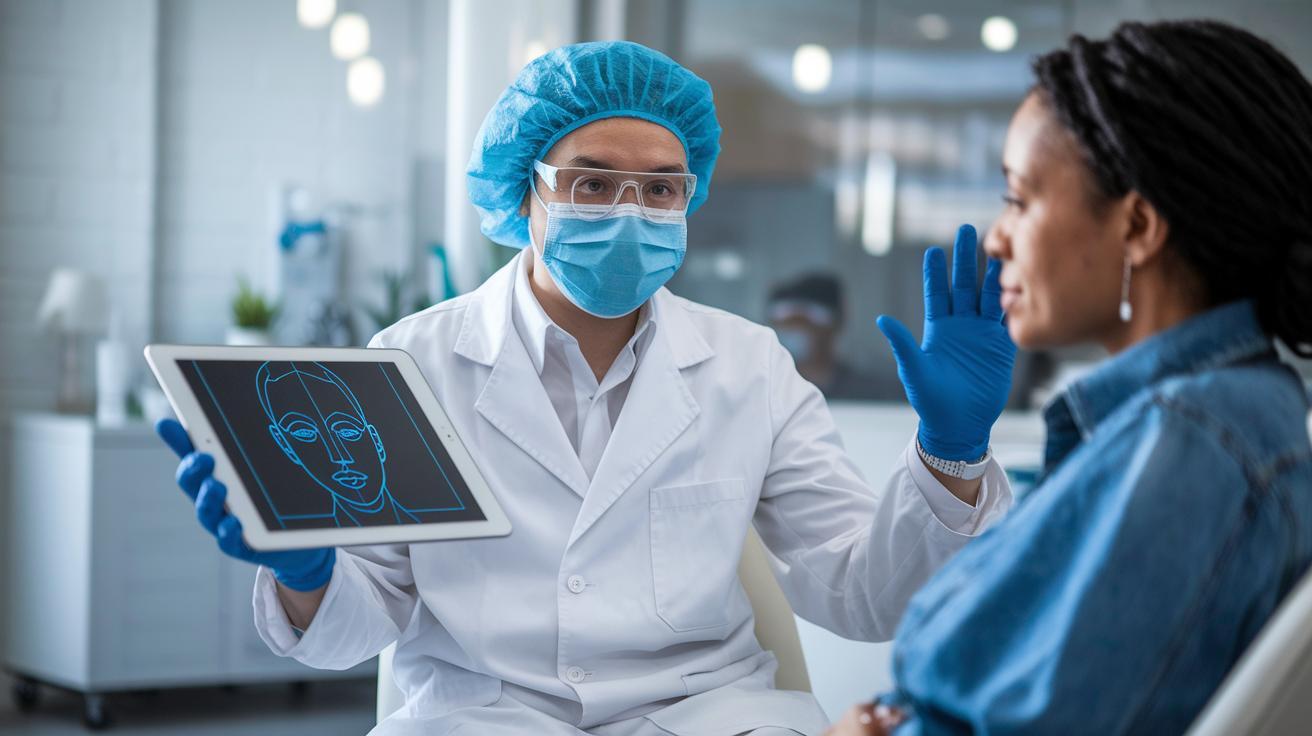
Advanced image-based AI tools are changing the way we check skin health for non-surgical treatments. These clever systems can spot tiny changes in skin color, small blood vessel issues, and even slight decreases in skin firmness that we might normally miss. Imagine noticing a small shift in your skin tone that older methods could overlook, AI catches these signals early, helping keep treatments safe and effective.
3D facial mapping is another breakthrough that measures every little contour of the face. It feels like having a detailed map that shows even the fine lines so treatments can zero in exactly where they’re needed. Picture a friendly guide leading a non-invasive procedure by highlighting the precise area to treat, it’s digital diagnostics working for you.
And it doesn’t end with facial care. Tools like the FDA-approved ARTAS system show how AI precision can assist in hair restoration too. With continuous tracking of skin changes, practitioners can adjust their treatment tools on the spot, keeping your safety top of mind while tailoring care to your unique needs.
Comparing Traditional Versus AI-Enhanced Non-Surgical Aesthetic Techniques
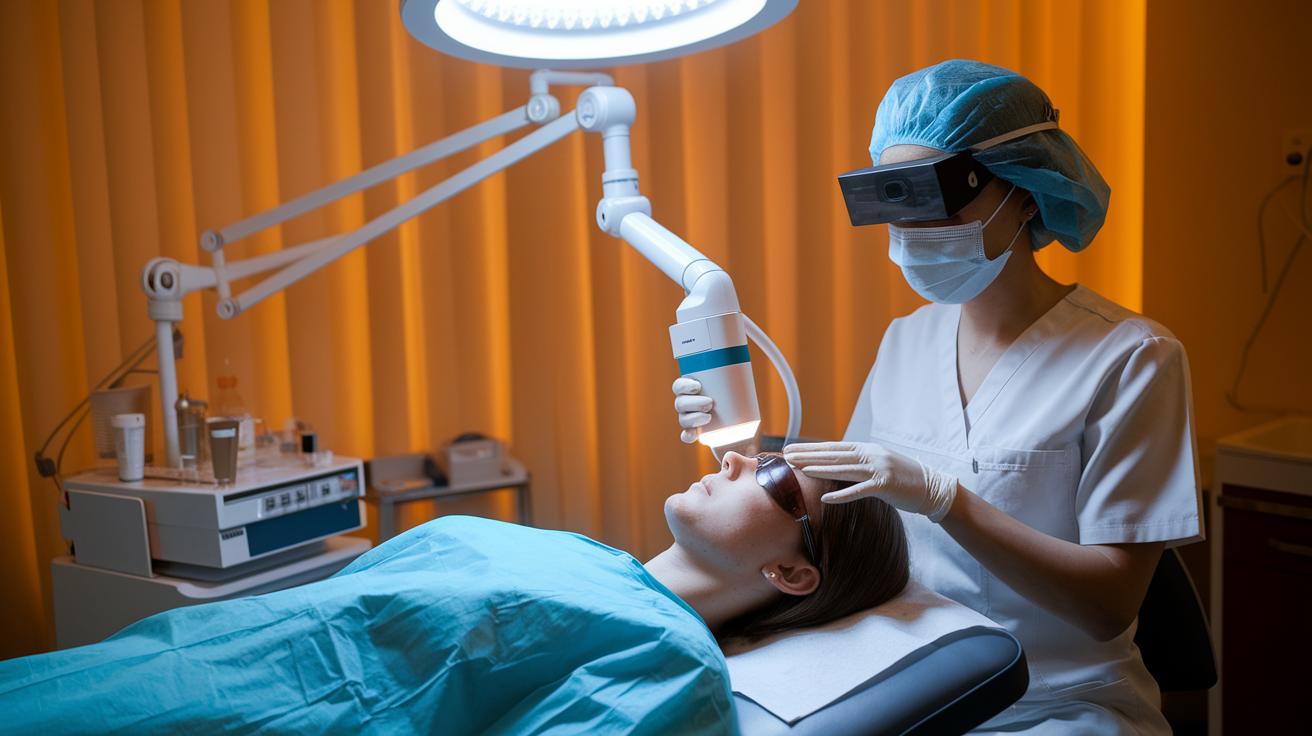
Old-school methods like chemical peels, microdermabrasion, and even liposuction have been around for years and usually give steady results. They can require a longer recovery period and sometimes lack the finesse needed to target very specific areas. While these tried-and-true techniques work well, they often don’t provide the fine-tuned personalization that some patients really want.
On the other hand, AI-enhanced methods mix smart technology with treatments like laser, radiofrequency (RF) (a method that uses energy to heat tissue and stimulate collagen) and ultrasound (which uses sound waves to treat deep tissues). These modern approaches let doctors adjust settings in real time and hone in on the exact area needing treatment. AI also helps keep an eye on safety, lowering the chances of burns or uneven results, which means a smoother recovery and a treatment that’s really made to measure.
| Procedure Type | Precision | Downtime | Personalization | Safety |
|---|---|---|---|---|
| Chemical Peel | Standard | Long | Low | Moderate |
| Laser+AI | High | Short | High | High |
| RF+AI | High | Short | High | High |
| Ultrasound+AI | High | Short | High | High |
Essentially, adding AI to non-surgical treatments ups the game by delivering better focus, less recovery time, and improved safety. It’s a smart way to tackle cosmetic enhancements, giving patients a more customized, reliable experience without having to jump straight to surgery.
Operational Efficiency of AI in Non-Surgical Aesthetic Clinics

AI helps clinics lighten the load by taking over daily tasks. It sets up automated scheduling, sends friendly appointment reminders, and even connects with social media. Imagine getting a quick reminder about your appointment without any phone calls, it saves time for both the staff and patients.
Chatbots also play a big role. They answer basic patient questions and sort out simple issues like, “How do I get ready for my treatment?” This lets the clinical team focus on more important care tasks. Plus, real-time note-taking tools use natural language processing to record consultation details and fill in digital records. This cuts down on mistakes and eases paperwork.
AI is also great for keeping clinics active online. Automated content creation helps update websites, social media, and newsletters with fresh information and patient success stories. This means clinics can stay connected with their community while running smoother day-to-day operations.
Overall, these smart digital tools boost patient care and improve how clinics operate, making the whole experience better for everyone.
Safety, Risk Management, and Ethical Considerations of AI in Non-Surgical Aesthetics

Today, AI can review a patient’s medical history and how they've handled past treatments to quickly spot any potential issues. Picture getting a safety alert when a patient’s record shows a risk factor. This lets the doctor adjust the settings on the device right away to keep the treatment safe.
Real-time risk modeling is like a built-in safety net. It helps doctors fine-tune treatment settings by continuously watching key stats and how patients are responding. This practical, evidence-backed method is all about making sure procedures stay safe.
We also have ethical guidelines that remind us that while AI is a powerful tool, it should never replace the caring touch of a real human. Its role is to support practitioners, not to take over the empathy and personal attention they bring to patient care.
Regular training on AI systems and routine device maintenance are essential parts of keeping these safety protocols strong. Together, they create a system where innovative technology and genuine personal care work hand in hand.
Future Trends and Innovations in AI-Driven Non-Surgical Aesthetic Procedures
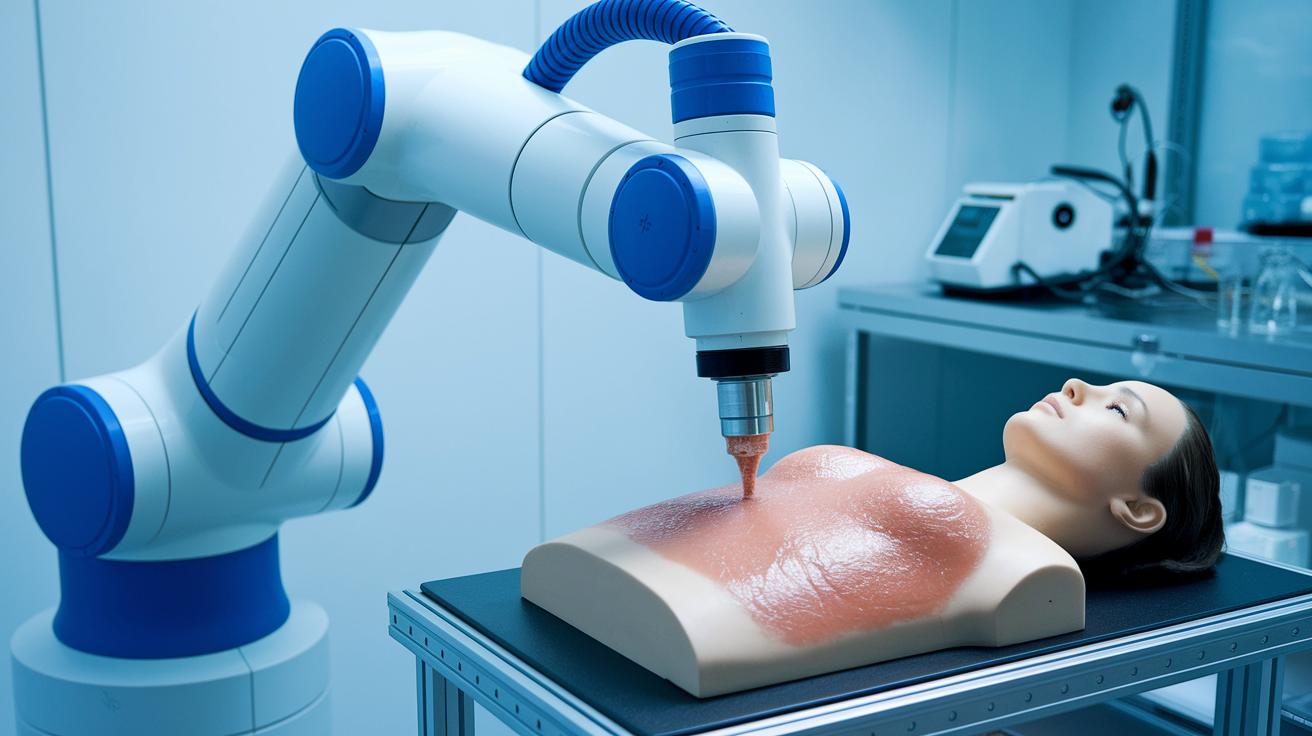
Cutting-edge research shows that soon, AI-powered robotic systems might use self-healing biomaterials to restore the skin in a whole new way. Imagine a specialist watching as a robotic arm carefully places materials designed to jump-start natural skin cell growth, much like the way our bodies heal on their own.
Doctors are now testing predictive models that help determine which patients will benefit most from certain treatments. By analyzing lots of information, these models guide treatment plans so that each procedure is as personal as it is precise.
On a tiny scale, AI is fine-tuning energy-based treatments right at the level of our skin cells. Think of it like adjusting a musical instrument: the system tweaks the treatment intensity based on your unique skin makeup, ensuring a custom approach for every patient.
All these advances point to a major shift in the world of non-surgical beauty enhancements. With ongoing progress in computer technology and cosmetic care, treatments are becoming more precise, adaptive, and effective, setting the stage for a truly exciting transformation in aesthetic medicine.
Final Words
In the action, we discussed how AI transforms non-surgical aesthetic treatments with personalized diagnostics and tailored care. We looked at data-driven imaging, virtual simulations, and safe treatment planning that blend artistry with digital precision. Small changes in energy-based procedures pave the way for faster recovery and improved satisfaction.
Advancements in artificial intelligence in non-surgical aesthetics are making informed decisions easier. This thoughtful progress leaves us feeling positive about taking the next step toward a refined, scientific approach to beauty.
FAQ
How does AI enhance non-surgical aesthetic treatments?
AI elevates non-surgical aesthetic treatments by using advanced imaging and predictive tools to guide procedures. This results in more personalized, minimally invasive treatments with improved precision and lasting results.
How does AI help develop personalized non-surgical treatment plans?
AI shapes treatment plans by analyzing individual data like genetics, lifestyle, and skin history. High-resolution imaging and 3D mapping help simulate outcomes for non-surgical facelifts, fillers, and more.
How do AI-powered diagnostic tools improve non-surgical aesthetics?
AI-powered diagnostics improve non-surgical aesthetics by detecting skin issues through automated imaging and 3D mapping. This real-time evaluation helps in targeting treatments precisely and safely.
What differences exist between traditional and AI-enhanced non-surgical aesthetic techniques?
AI-enhanced techniques offer greater precision and reduced downtime by tailoring energy settings and monitoring treatment safety. Traditional methods may offer results but often involve longer recovery periods.
How does AI streamline operations in aesthetic clinics?
AI streamlines clinic operations by automating scheduling, appointment reminders, and patient note-taking. This lessens administrative tasks and allows staff to focus on clinical care and patient engagement.
How does AI promote safety and risk management in non-surgical aesthetics?
AI promotes safety by analyzing patient medical histories and monitoring procedures in real time. It helps flag risks and supports safe device settings while ensuring care remains empathetic and patient-centered.
What future innovations are expected from AI in non-surgical aesthetic procedures?
Future AI-driven innovations may include robotic systems for applying biomaterials, advanced imaging for real-time treatment adjustments, and improved candidate selection through predictive models.


