Feeling squeezed by rising prices? Good news: you don’t need a second job or a complicated spreadsheet to reclaim your budget. Small, repeatable daily choices often make the biggest financial difference. Twitter user @gunsnrosesgirl3 sparked a lively thread by sharing three of her favorite money-saving tips—bring lunch, avoid shopping hungry, and pay only with cash. We’ve expanded on her advice and added seven more practical strategies that require almost no sacrifice but deliver serious payoff. Adopt a handful of these habits and you could keep an extra $200, $300, even $500 a month where it belongs: in your pocket.
Cook at Home & Pack Lunches
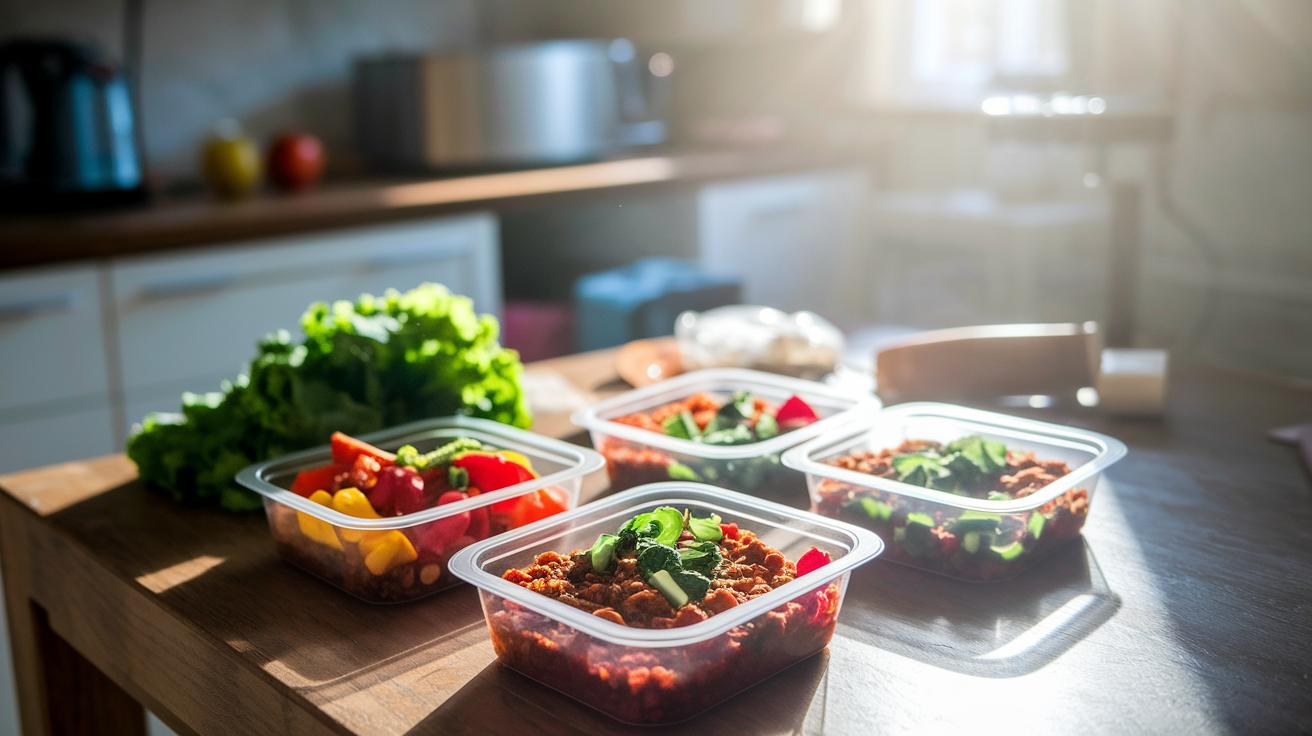
Ordering takeout feels convenient, but the average restaurant meal costs four to five times more than cooking the same dish at home. Swap that Friday night delivery for a batch of slow-cooker chili or stir-fry and you’ll pocket serious cash. Take the same mindset to work: pack a lunch the night before so you aren’t tempted by pricey cafés. Even $12 every workday adds up to more than $250 a month. Keep meals simple, plan around sales, and use leftovers creatively. After a month you’ll notice your bank balance, and maybe even your waistline, thank you.
Never Grocery Shop Hungry

Walking into a supermarket on an empty stomach is a budget bomb waiting to go off. Hunger hijacks your self-control and makes every aisle look like a carnival of must-haves. Studies show shoppers spend up to 64 % more when they’re hungry, and the extra items are rarely healthy or on sale. Before you leave home, eat a protein-rich snack and drink a glass of water. Then work from a pre-written list and promise yourself you’ll stick to it. The 10-minute prep can keep impulse cookies, fancy cheese, and overpriced drinks out of both your cart and your receipt.
Pay With Cash Only
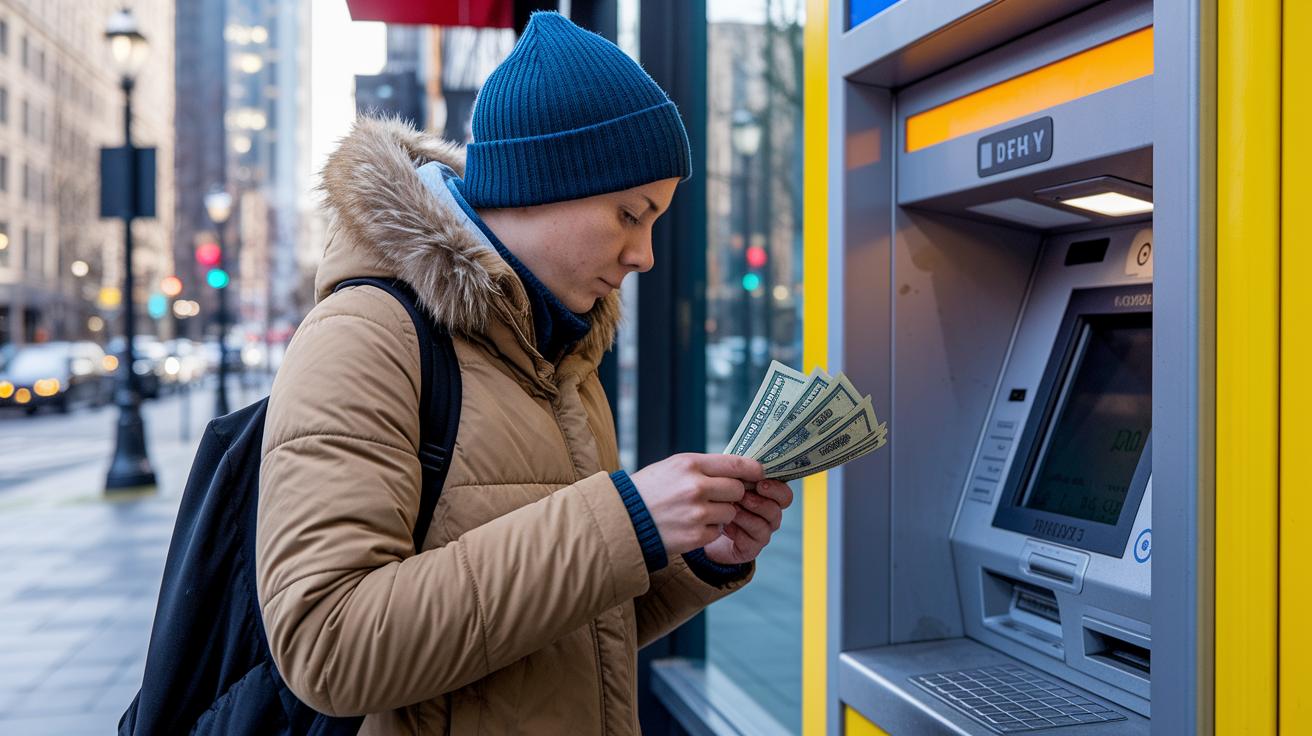
Plastic makes spending painless, too painless. Handing over physical bills forces you to register the real cost of every purchase. Try withdrawing a set “fun money” amount each payday and leave the cards at home. When the cash is gone, the spending stops, full stop. This simple rule curbs impulse buys, keeps you out of credit-card debt, and eliminates interest charges that quietly bleed your budget. Combine it with envelope zoning: groceries, entertainment, clothing. Watching the envelopes thin out is an instant financial dashboard that a banking app notification just can’t match.
Plan Your Meals & Stick to a List

Last-minute dinners are expensive dinners, whether it’s fast food or extra trips for missing ingredients. Dedicate 20 minutes each weekend to sketch a full week of meals. Check what’s already in your pantry, then build dishes around those staples and the grocery circular’s sale items. Write the list in the order you’ll walk the store; it prevents backtracking and reduces the chance you’ll toss random snacks into the cart. Scheduling leftovers, think Monday’s roast chicken becomes Wednesday’s tacos, cuts prep time and food waste. With a clear plan, you’ll slash both spending and weeknight stress.
Embrace Generic Brands

Brand loyalty is marketing’s way of draining your wallet. In blind tests, shoppers often can’t tell the difference between name-brand and store-label pasta, spices, or even electronics cables. The price gap, however, is obvious, sometimes 30 % or more. Start small: swap your usual cereal or cleaning spray for the generic version and track whether anyone notices. Most chains guarantee satisfaction, so you can always switch back. Over a month, a cart stacked with generics easily saves $40 to $60 without sacrificing quality or flavor. That’s money that could power your emergency fund instead of a multinational advertising budget.
Cancel Unused Subscriptions
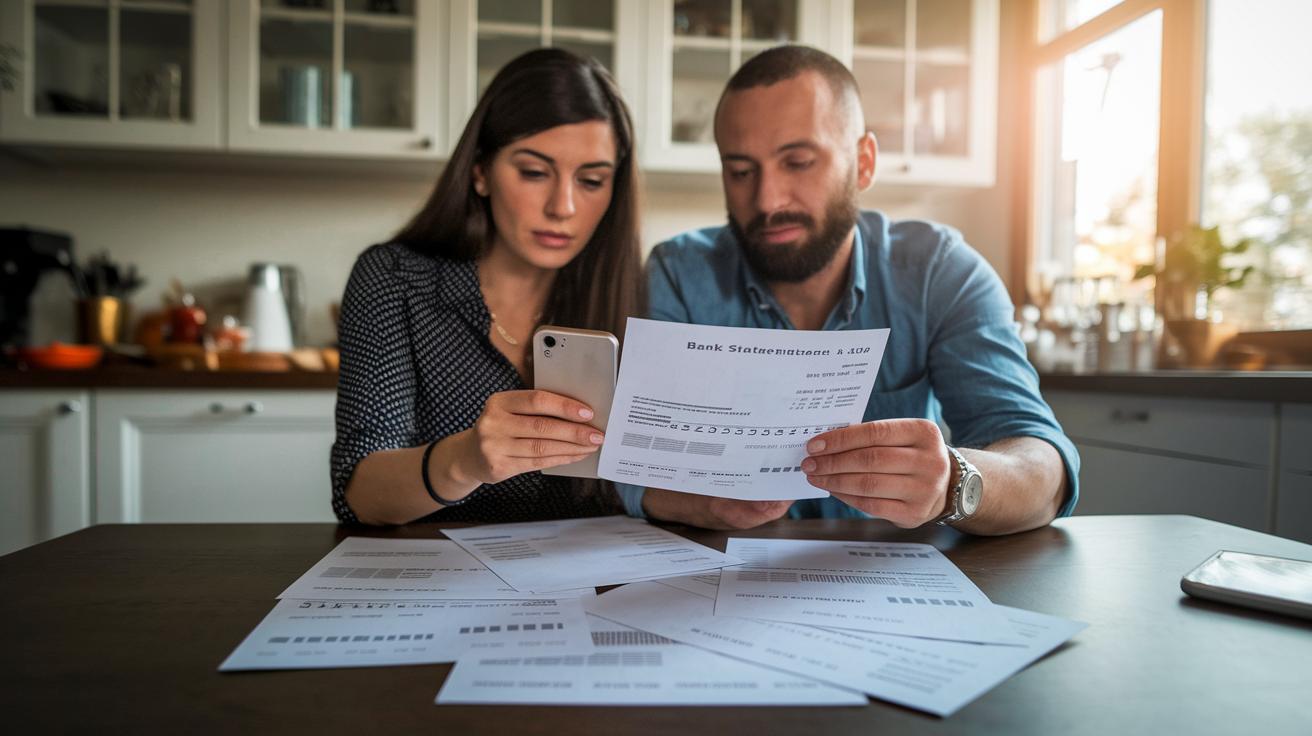
A couple of $9.99 subscriptions feel harmless until you realize you’re paying for shows you don’t watch, apps you forgot, or gym access you rarely use. Audit your bank statement line by line; circle every recurring charge. Keep the services you actively enjoy and cancel the rest, no guilt, no exceptions. If you can’t part with one immediately, set a calendar reminder for the next renewal date and decide then. Use free trials sparingly and always add a reminder to cancel before billing starts. Trimming even three subscriptions can free up $30 to $50 each month for goals that matter.
Use Public Transportation or Carpool

Cars eat money almost as fast as they guzzle fuel. Beyond gas, there’s insurance, parking, maintenance, and depreciation silently draining your net worth. Swapping even a few weekly commutes for public transit, biking, or organized carpooling can slash those costs. Many cities offer discounted multi-ride passes, and employers sometimes subsidize them. If buses aren’t practical, share driving duties with a colleague and split fuel and tolls. Fewer solo trips also means less wear on your vehicle, stretching the time between oil changes and tire replacements. Bonus: you gain stress-free time to read, plan, or simply breathe.
DIY Basic Home Maintenance

Calling a professional for every squeak or drip is like lighting money on fire. YouTube and manufacturer manuals make simple fixes, changing faucet washers, replacing AC filters, patching small drywall holes, surprisingly doable. Invest in a modest toolbox and spend an hour learning the basics each month. The $15 you save on a faucet cartridge versus a $150 plumber visit adds up quickly. Preventive maintenance, such as cleaning refrigerator coils or flushing the water heater, boosts appliance lifespan and energy efficiency. Not only do you protect your budget, you’ll also pick up practical skills that pay dividends for life.
Buy Second-Hand Before New

From furniture to fitness gear, the second-hand market is brimming with barely used treasures at fraction-of-retail prices. Check neighborhood swap pages, thrift stores, and reputable online marketplaces first. Haggling is expected, and many sellers are motivated to declutter fast. Inspect items in good light, test electronics, and confirm measurements before handing over cash. For things like children’s clothes or seasonal sports equipment, items outgrown or used briefly, the savings can hit 70 %. Redirect that difference to paying down debt or investing. Plus, buying used diverts goods from landfills, giving your wallet and the planet a simultaneous high-five.
Set a 24-Hour Rule for Impulse Buys

The thrill of a flash sale fades fast, but the charge lingers on your statement. Make a pact with yourself: any unplanned purchase over a personally set limit, say $30, must wait 24 hours. Add the item to your cart, walk away, and let the excitement cool. Most of the time you’ll realize you don’t need, or even truly want, it. If you still do after a day, comparison-shop for the best price or look for a second-hand option. This simple pause protects your budget from marketing FOMO and trains intentional spending habits that last.


