Have you ever thought that a few simple steps after Botox could make a real difference? Think of your skin like a delicate painting that needs gentle care. After your treatment, taking it easy helps the neurotoxin settle perfectly. Skipping intense activities and avoiding extra pressure gives your skin the space it needs for a smooth, radiant recovery. In this article, we share easy, hands-on tips so that every little step adds up to lasting, glowing results.
Essential Immediate Botox Aftercare Steps
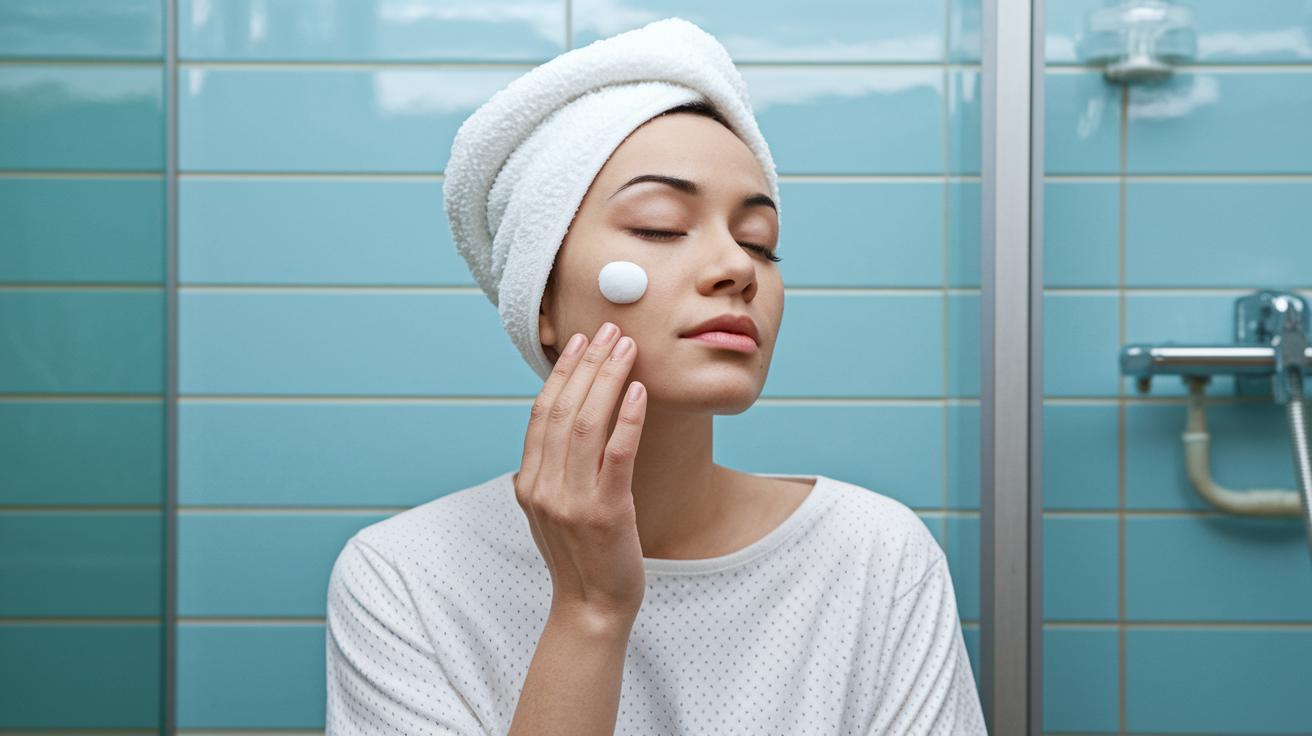
Right after your Botox treatment, spending the first day following a few simple rules can make a big difference. For example, don’t touch, rub, or massage the treated spots. Imagine a delicate painting that could be ruined with even a tiny smear, handle your skin with the same care.
Stay upright, either sitting or standing, for 4–6 hours after your appointment. Doing so helps the Botox settle into the right muscles. And skip any heavy exercise or intense workouts for a full day because increased blood flow might move the product where it shouldn’t go.
If you notice any swelling or bruising, gently apply a cold compress or an ice pack wrapped in a cloth. This little trick soothes the area and helps calm down any minor side effects. Also, steer clear of hot showers, saunas, or too much sun during this period; keeping your skin cool supports proper healing.
Following these steps closely can give you the best results from your Botox treatment. And remember, always stick with your healthcare provider’s advice, every little step matters for a smooth recovery.
Optimal Rest and Sleep Practices for Botox Aftercare

After you get your Botox injections, taking time to rest properly makes a big difference. For the first 4 to 6 hours, try to stay sitting up. This gives your skin a chance to settle so the neurotoxin stays exactly where it should be. You can use a raised pillow or relax in a recliner to avoid any extra pressure on the treated spots. Picture yourself resting with a gentle wedge behind your back to keep your face free from additional weight.
When it's time to hit the hay, opt for sleeping on your back or side. This way, the injection areas are not pressed down. Sleeping on your stomach can press on your face and shift the Botox, which you definitely want to avoid. Keeping your head propped up with a few pillows is a simple trick to help the product settle correctly into the target muscles, while also reducing the chances of bruising or swelling. This small change can make your recovery smoother and more comfortable.
Skincare and Product Guidelines Following Botox
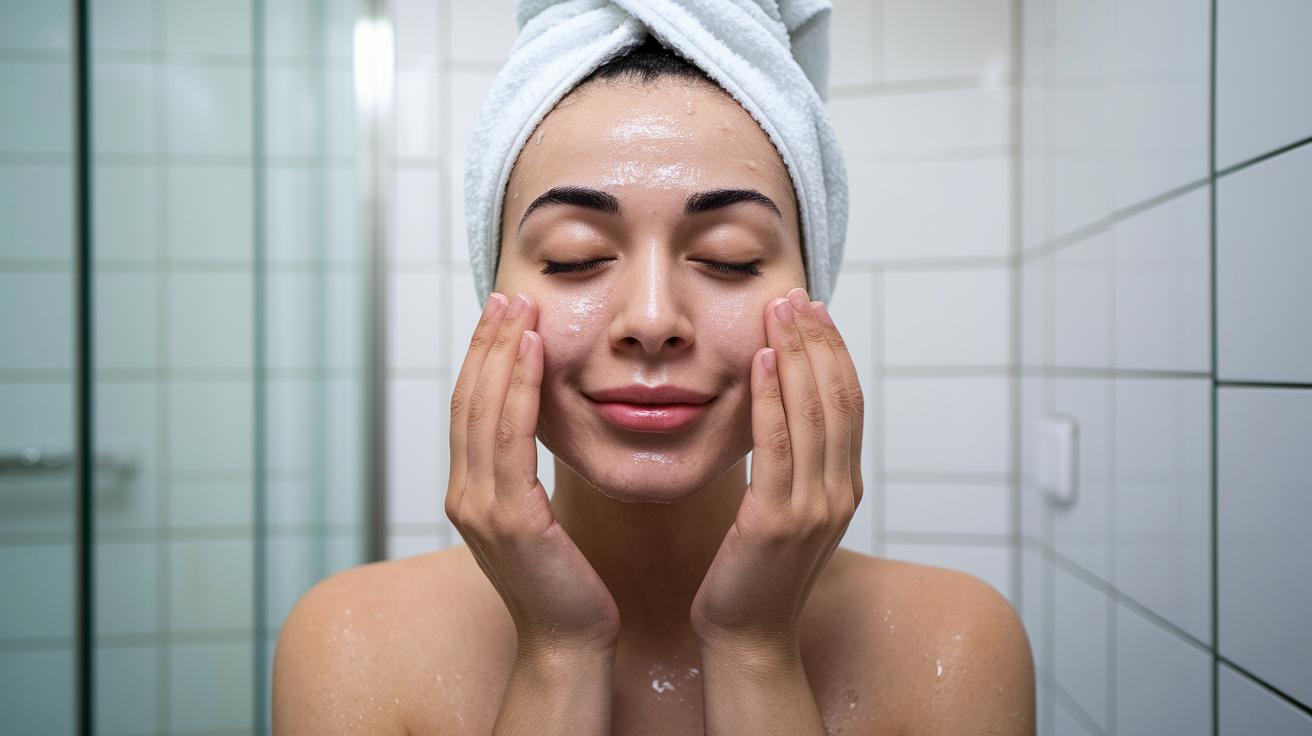
After your Botox treatment, it’s really important to give your skin some rest. For at least 48 hours, hold off on facials, massages, and any other skin treatments that might disturb the injection spots. This break helps your skin calm down and keeps the Botox where it should be.
When you wash your face, use lukewarm water and treat it gently. Think of it like cleaning a delicate piece of silk, you handle it with care. Also, skip any harsh scrubs or alcohol-based toners that might upset your skin or interfere with the Botox.
Choose skincare products that are gentle and easy on your skin. A light, non-comedogenic moisturizer hydrates without clogging pores, while a daily broad-spectrum SPF 30+ sunscreen shields your skin from harmful UV rays. Imagine putting on your favorite pair of sunglasses on a sunny day, simple, protective, and necessary.
Here’s a quick reminder:
- Wait 48 hours before any invasive skin treatments
- Cleanse gently with lukewarm water
- Avoid harsh exfoliants and alcohol-based products
- Use non-comedogenic moisturizers and SPF 30+ sunscreen
Sticking to these tips supports healing and helps keep your Botox results smooth and effective.
Monitoring Side Effects and Seeking Professional Help

After your Botox treatment, it’s important to notice how your body feels. Your skin might get a bit red or swollen, or you could see some bruising. You might even experience a headache, slight flu-like symptoms, neck pain, fatigue, or an upset stomach. Usually, these changes calm down in about 48 hours, like small ripples that fade away quietly.
Keep an eye on your recovery. If you see severe bruising, ongoing pain, an uneven smile, or even changes in your vision, consider these as warning signs. It’s like noticing a sudden, sharp pain that shouldn’t be there, you’d want to check in with someone who knows what’s best, right?
Here are some easy ways to help manage and track these side effects:
| Step | Action |
|---|---|
| 1 | Note down how long and how intense your symptoms are each day. |
| 2 | Use a cold compress wrapped in a cloth to help reduce bruising. |
| 3 | Follow methods recommended by your provider to ease swelling. |
Remember to book a follow-up appointment within two weeks. This visit can help address any lingering concerns you might have. If you want a deeper look into managing these reactions, you might enjoy checking out more detailed guides on Botox injections and ways to monitor your own symptoms.
Activity and Exercise Guidelines After Botox
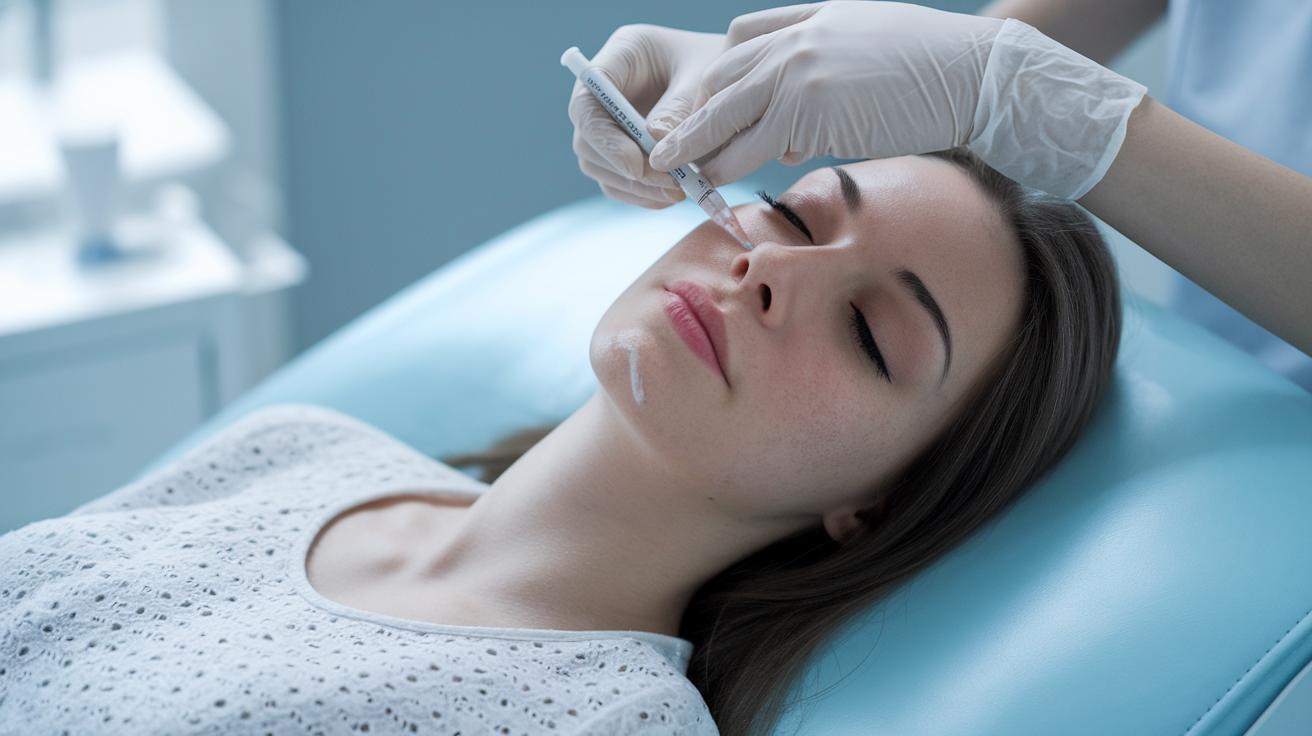
Right after your Botox treatment, it’s best to hold off on any intense workouts. Think of your body like a delicate instrument, you wouldn’t want any sudden, heavy movements to shift the product and cause unexpected effects. Instead, give yourself at least 24 hours without vigorous exercise, whether it’s heavy resistance training or cardio that gets your heart racing.
For the first day, stick to light activities. A gentle walk when you feel up to it is just fine. It’s all about easing back into movement slowly and letting your body settle into its new state.
Also, try to avoid any facial exercises or exaggerated expressions for about 48 hours. This means holding back on any intense facial movements so the Botox can settle properly into the right muscles.
When you’re ready to return to your normal fitness routine, do so gradually. Follow your healthcare professional’s advice and think of it like warming up a car on a cold morning, start slowly and build up to full speed at your own pace.
| Guideline | Recommendation |
|---|---|
| First 24 Hours | Avoid vigorous exercise and heavy resistance training |
| Day 1 | Stick with gentle activities, like a short walk |
| 48 Hours | Avoid any intense facial exercises or exaggerated expressions |
| Returning to Routine | Eases back into your workouts with provider guidance |
Long-Term Botox Aftercare for Prolonged Results
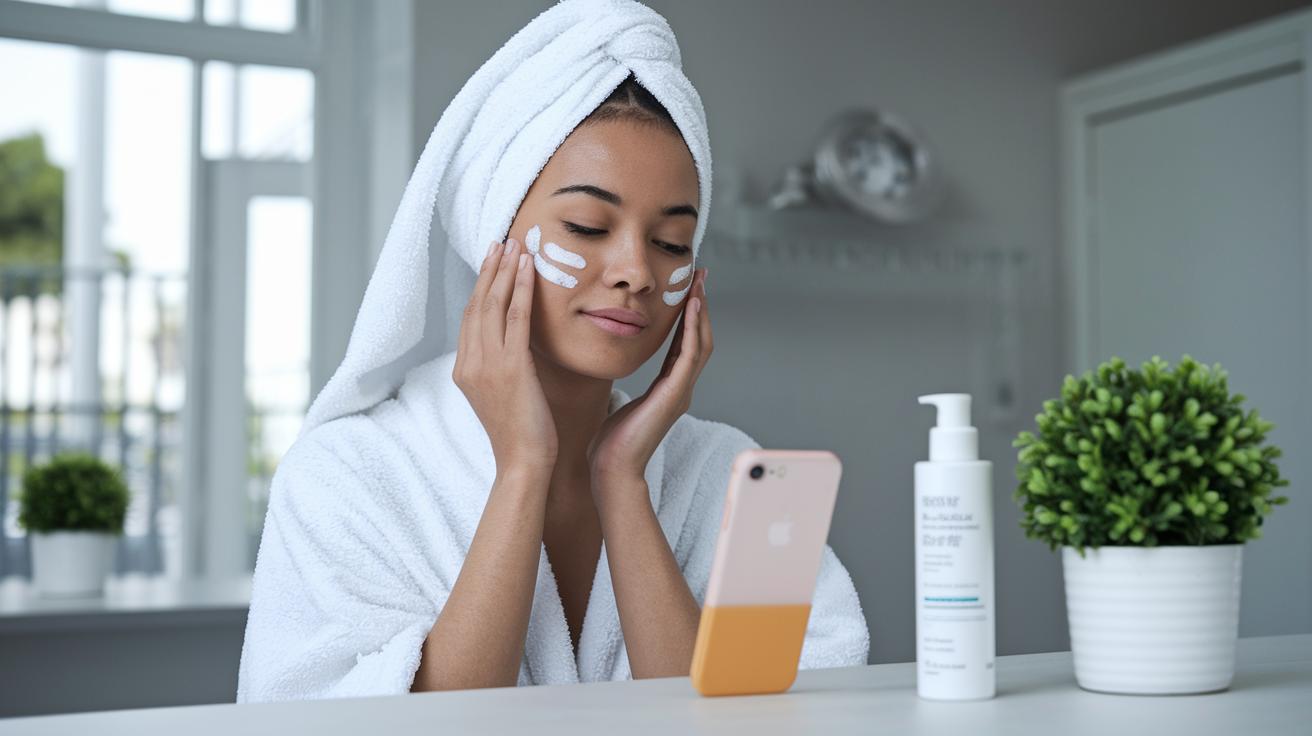
After you finish your initial recovery, you'll notice your skin starting to smooth out between 3 and 7 days, with the full effect settling in by two weeks. This shows that the Botox treatment is gently reducing fine lines and wrinkles. To keep that refreshed look, stick to a daily skincare routine that includes a soft cleanser, a light moisturizer, and a broad-spectrum SPF 30+ sunscreen to protect your skin.
Think of your skincare routine like caring for a delicate plant. Just as a plant needs regular watering and sunlight in just the right amounts, your skin needs gentle cleansing and a moisturizer that respects the benefits of your Botox. And don’t forget the sunscreen, it not only shields your skin from the harsh sun but also helps prevent unwanted wrinkles that can sometimes appear even with safe treatments.
It’s also smart to plan follow-up treatments every 3 to 4 months. Your provider might suggest a few extra procedures like dermal fillers, which add extra hydration and balance to your face. These steps make sure that the youthful, smooth look lasts. Keeping up with your routine and regular check-ins helps maintain these pleasing results for the long haul.
Final Words
In the action steps covered, we broke down immediate dos and don’ts, safe sleep practices, gentle skincare routines, and activity limits to help you follow proper botox aftercare. We also outlined how to spot any red flags and build a long-term plan that keeps your results looking great. Taking these straightforward precautions can pave the way for a smooth recovery and boost your confidence in your aesthetic choices. Stay positive and proactive as you embrace your refreshed, revitalized self.
FAQ
Botox aftercare Australia
Botox aftercare in Australia follows clear guidelines: avoid rubbing treated areas, stay upright for 4–6 hours, skip heavy exercise, and follow your provider’s instructions to support optimal results.
Botox aftercare exercise
Botox aftercare exercise tips advise avoiding vigorous workouts and heavy resistance training for 24 hours, while light activities like walking are acceptable as you gradually return to your routine.
I forgot and laid down after getting Botox
Laying down too soon after Botox can affect toxin placement. It’s recommended to remain upright for 4–6 hours to help the treatment settle into the intended areas.
Botox aftercare sleeping
Botox aftercare sleeping recommendations suggest keeping your head elevated with extra pillows and sleeping on your back or side to avoid pressure on the injected areas.
What to do after Botox in forehead
After forehead Botox, avoid touching or rubbing the area, remain upright for several hours, and skip strenuous activities to help the neurotoxin settle into the target muscles.
Botox aftercare alcohol
Botox aftercare alcohol guidelines recommend avoiding alcoholic beverages for 24 hours after injections to reduce the risk of increased bruising and swelling.
Botox Aftercare Instructions pdf
A Botox aftercare PDF typically details the steps to take, such as staying upright, avoiding strenuous activities and massages, and following gentle skincare routines to support proper healing.
How to sleep after Botox in forehead
To sleep safely after forehead Botox, keep your head elevated with pillows and choose sleeping positions that do not put pressure on the forehead, such as lying on your back or side.
What should you not do after Botox?
After Botox, you should not rub or massage the treated areas, engage in strenuous exercise, take hot showers, or expose yourself to direct sunlight to prevent unwanted toxin migration.
What is the 4 hour rule for Botox?
The 4-hour rule means you must stay upright for at least 4 to 6 hours post-injection, which helps ensure that the toxin remains in the intended muscle groups.
What’s the best thing to do after Botox?
The best practice after Botox is to remain upright, avoid touching the injection sites, and follow your provider’s directions to optimize treatment effectiveness.
What are the rules for day 1 of Botox?
On day one after Botox, guidelines advise not touching or massaging the injected spots, avoiding strenuous physical activities, and keeping your head elevated to aid proper toxin settlement.


