Have you ever thought that smart computer systems could help enhance your natural beauty? Today, AI looks at your skin, face shape, and even your medical history to improve your cosmetic surgery results. It’s like having a digital drawing pad that helps your surgeon plan every step with care and precision.
This clever tool gives surgeons real-time tips as they work, which makes the procedure feel more tailored and safe. The result? A treatment that feels as personal and unique as you are.
It’s amazing how art, science, and technology are coming together to make surgeries more thoughtful and effective, helping you achieve results that truly reflect your goals.
AI’s Impact on Aesthetic Surgery Results: Precision, Planning & Patient Satisfaction
AI studies lots of patient details like skin type, facial structure, medical history, and even genetic factors. It uses this information to craft a custom treatment plan that makes every step of the procedure more precise.
This smart technology gives surgeons clear, step-by-step guidance. It adjusts things like where to make incisions and how to manage recovery so everything fits your unique needs and goals.
Picture this: a surgeon checking a digital blueprint that updates in real time, much like an artist perfecting a drawing as they go.
Modern tools such as 3D imaging and AI-powered cameras, like Proximi’s glasses system, provide live, detailed views of the surgical area. These tools let surgeons tweak their plans on the spot, reducing guesswork and increasing safety.
Whenever changes are needed, surgeons get immediate feedback. This quick input helps boost precision and lower risks during the procedure.
Using AI in planning not only increases a surgeon’s confidence but also helps track how well patients are doing. With clear metrics and benchmarks, doctors can see how much improvement there is in both satisfaction and surgical results.
Interested in learning more? Check out the role of AI in aesthetic medicine here: https://cosmeticsurgeryinsider.com?p=1207.
Every custom plan and real-time adjustment means fewer complications and a smoother, more reassuring process for patients. By integrating AI into aesthetic surgery, we’re transforming how procedures are planned, carried out, and evaluated, all to better meet your personal expectations. For more details on patient outcomes and benchmarks, see: https://medsfax.com?p=2083.
AI-Powered Surgical Planning and Virtual Simulation in Aesthetic Procedures
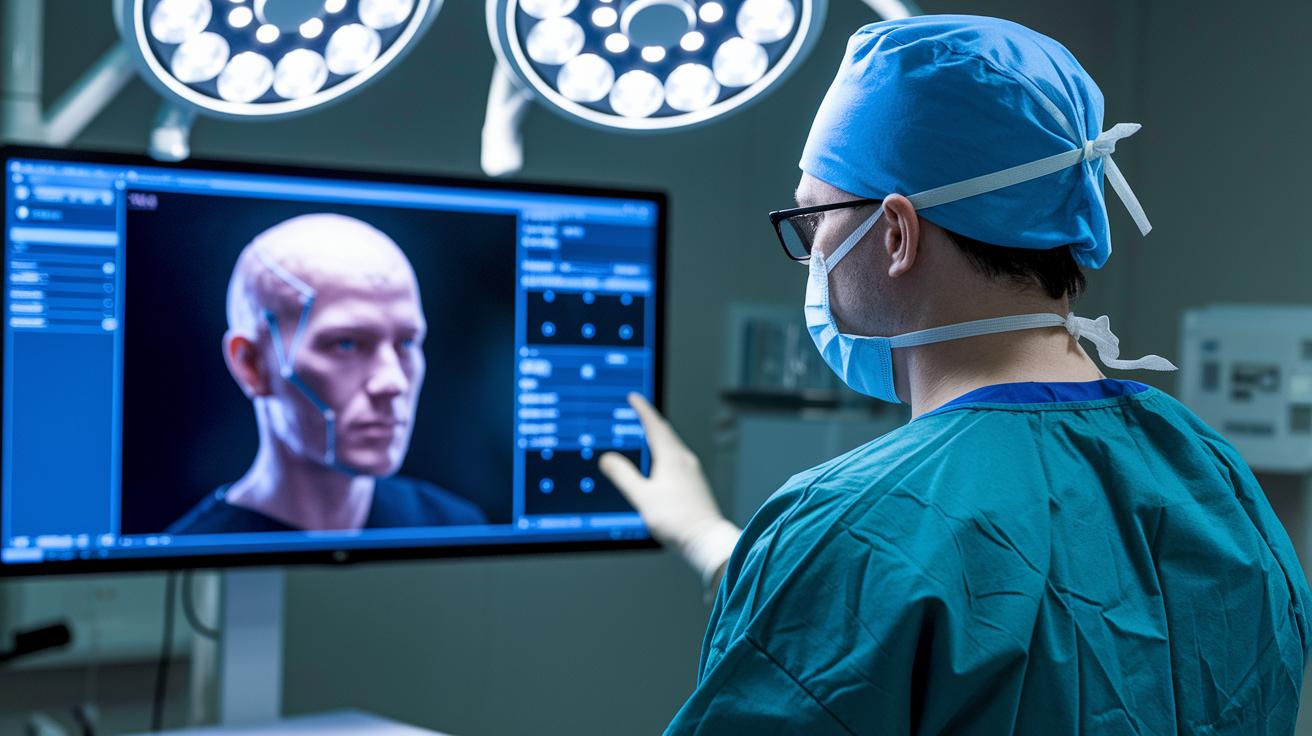
Imagine a tool that builds a 3D, lifelike model of your own anatomy. This model shows every curve and detail, helping surgeons plan each cut with great clarity, as if you were looking at a high-definition image of your body before any work starts.
Virtual surgery lets surgeons practice their approach in a digital space. They try out different methods by tweaking the plan through computer models. For example, they might test several implant positions to find the one that best fits your facial balance.
Patients also benefit from an augmented reality experience. This feature acts like a digital mirror, giving you a live preview of the changes. You can see how even small adjustments might enhance your overall look.
For a closer look at the workflow behind these tools, check out how ai enhances aesthetic treatment planning: https://cosmeticsurgeryinsider.com?p=1303
Robotic Assistance and Real-Time Monitoring in AI-Enhanced Cosmetic Surgery
Using AI to guide robotic systems, surgeons can plan each step with great precision. These smart systems study preoperative models so that every movement, even the smallest one, is spot on.
Neural network-powered imaging devices provide constant tissue analysis during surgery. As the surgeon works, the system watches every tiny change and adjusts its approach in real time. Think of it like a clever camera that instantly points out a critical landmark, giving the surgeon live pointers for safer cuts.
Then, automated guidance modules jump in to keep the instruments steady. They help maintain a consistent angle and even pressure, which makes minimally invasive procedures much more reliable. It’s like having a steady hand that holds your tool exactly where it needs to be, so the surgeon can focus on the delicate details.
AI-driven computer vision is another key player. It recognizes important features and structures, helping to keep the procedure both safe and consistent. This blend of smart robotics and real-time monitoring not only boosts every precise move but also adds an extra layer of trust for both the surgeon and the patient throughout the operation.
Predictive Modeling and Outcome Forecasting for Customized Aesthetic Results
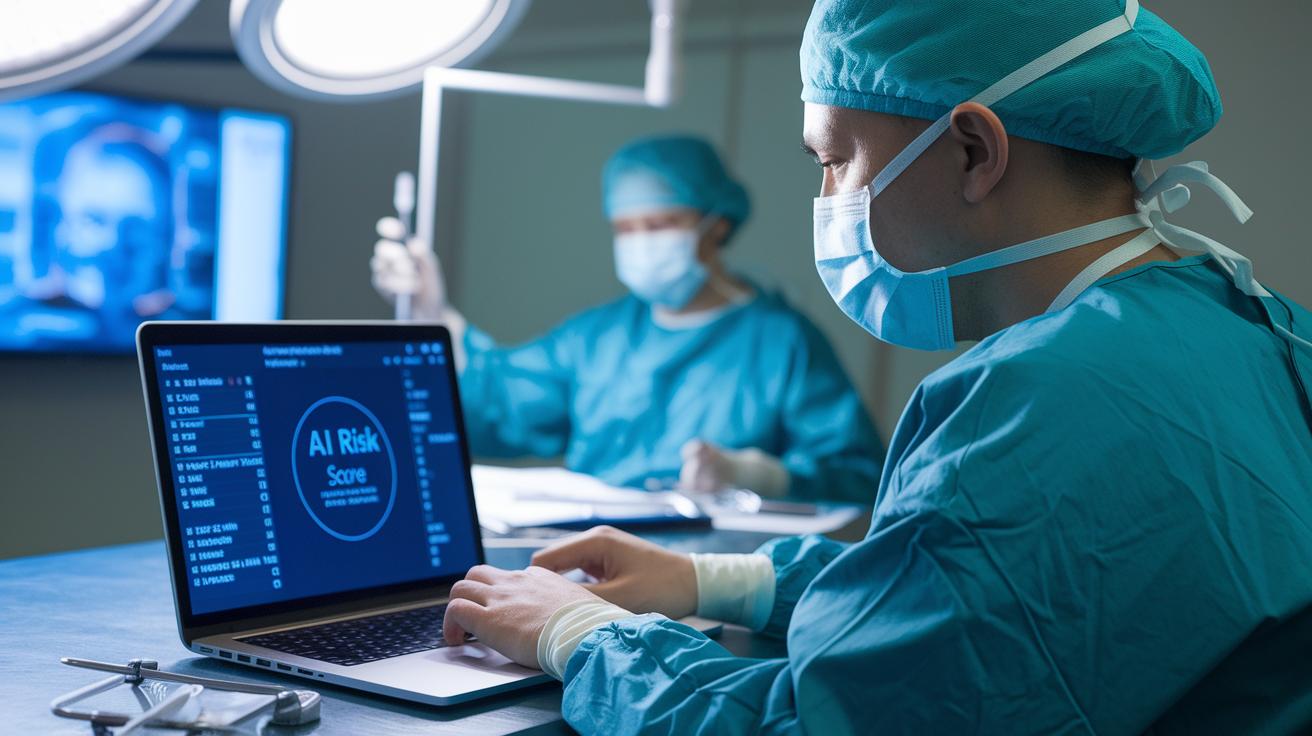
Machine learning models look back at past surgical cases to flag potential complications and estimate recovery times. They create risk scores that help surgeons gauge the chances of a smooth procedure for each patient. Imagine an algorithm predicting an 85% chance of ideal healing. Fun fact: one statistical model even spotted tissue response differences in over 200 patients before surgery began. This kind of insight gives surgeons the confidence to tweak their plans and enhance safety.
Outcome prediction tools dig into details like skin type, age, and medical history to craft a unique success score for every patient. These digital forecasts guide both the surgeon’s decisions and the patient’s understanding by outlining possible setbacks or slower recoveries. With this clear, evidence-based information, surgeons can fine-tune procedures in advance, ensuring patient well-being is always the top priority.
Predictive analytics also highlight risk factors such as tissue variability or unexpected responses. This early warning system lets surgeons adjust their approach in real time, which boosts precision and minimizes potential problems.
By tapping into these data insights, surgeons can make proactive improvements that lift both safety and aesthetic outcomes. It’s all about using careful planning to help every patient look and feel their best.
Impact of AI on Aesthetic Surgery Results: Remarkable
Before many innovative safeguards existed, patient data security was a major concern that often slowed down new technology integrations. Today, AI in cosmetic procedures doesn’t just handle technical tweaks, it helps ensure treatments are safe and done the right way.
We put patient privacy first. That means using secure storage and strict controls so every bit of data remains confidential, just like keeping your personal diary under lock and key.
Patients also get a clear explanation of how AI shapes their treatment plans. Think of it as receiving a detailed map that shows every turn of your journey, so you know exactly how your data is used and why certain recommendations are made.
In addition, these systems include careful risk checks that spot any biases by comparing AI predictions to trusted clinical standards. This extra layer of review helps catch issues early, so the process stays smooth and reliable.
When ethical practices guide AI use, both safety and satisfaction see a real boost.
Future Trends in AI for Aesthetic Surgery
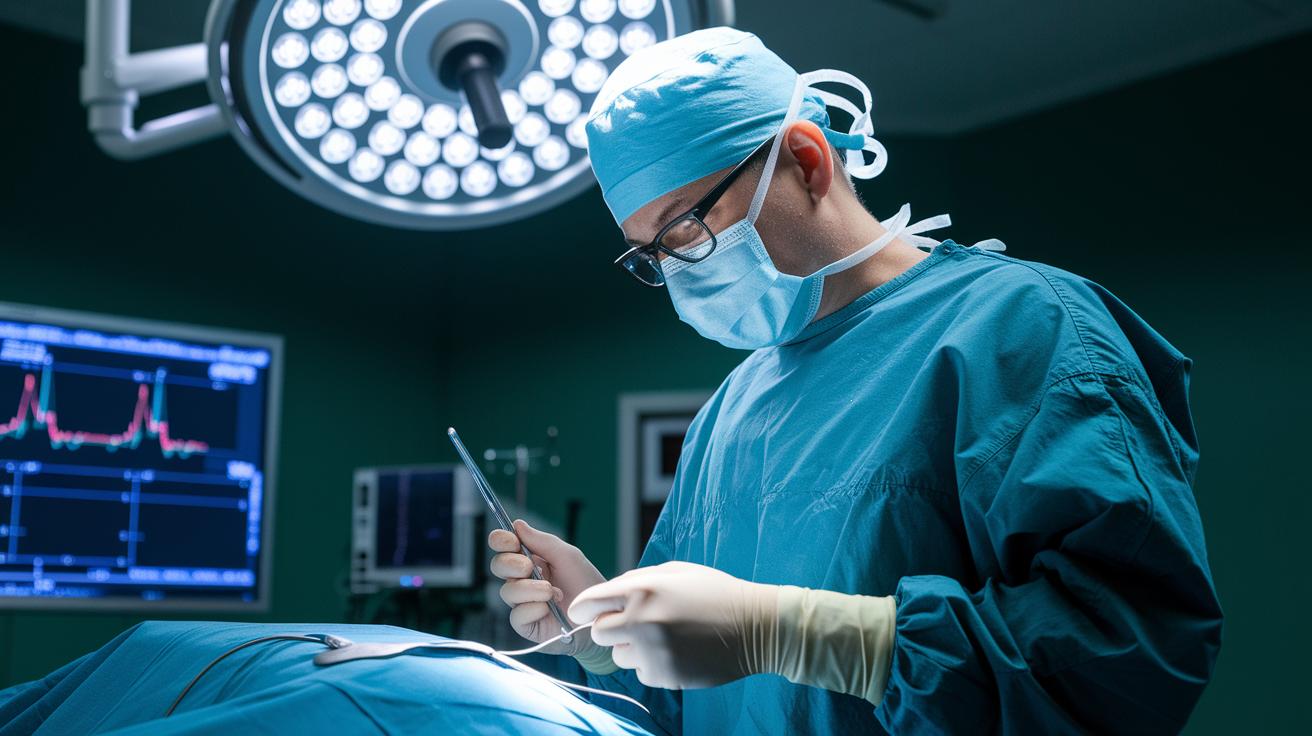
Innovative systems now provide instant feedback during procedures. Picture a smart tool that tweaks surgical details as you work, almost like a digital co-pilot guiding every move. For instance, imagine a system that watches a patient's tissue reactions and adjusts the cutting depth in real time to help achieve the best result possible.
AI-powered outcome tracking is getting better at measuring surgical success with clear numbers. Digital platforms now mix recovery times, complication rates, and patient satisfaction into easy-to-read scores. It's like having a tool that gathers feedback right after surgery and quickly tailors the follow-up care, giving everyone a clear sense of the next steps.
New predictive models are doing more than just fine-tuning current procedures, they're also helping surgeons get ready for future trends. These models blend short-term measurements with broader clinical data to guide innovative care methods and boost proactive research.
- Real-time adjustments boost the accuracy of every step.
- Digital metrics provide clear, number-based insights.
- Predictive models set the stage for new treatment standards.
Overall, these fresh insights are transforming how we think about aesthetic surgery. By merging smart systems with detailed outcome tracking, we’re moving toward care that listens to data and adjusts in real time.
Final Words
In the action, we see how smart algorithms transform planning and treatment precision. AI tools tailor plans from data insights while guiding surgical decisions and monitoring in real-time. This paints a picture of improved safety, reduced risks, and greater patient confidence. Advances in predictive modeling and ethical protocols remind us all that every step prioritizes patient care. The impact of ai on aesthetic surgery results paints a promising future for those seeking effective and safe aesthetic enhancements.
FAQ
The future of cosmetic surgery
The future of cosmetic surgery shows how AI boosts planning precision and patient satisfaction. Advanced simulation and real-time monitoring promise safer treatments and results that align with individual goals.
AI Botox Simulator
The AI Botox Simulator uses machine learning to mimic treatment outcomes. It allows patients to preview possible results, guiding decisions and setting clear expectations for a smoother procedure experience.
AI nose job
The AI nose job uses digital simulation to plan nasal adjustments. By mapping out precise changes, it helps surgeons tailor procedures to patients’ aesthetic goals while ensuring safety and accuracy.
Rhinoplasty before and after AI
The rhinoplasty before and after AI comparison displays enhanced results through digital planning. AI tools simulate outcomes, guiding surgeons to achieve refined, personalized changes and better align treatment with patients’ desired appearance.
Face Fixer AI
The Face Fixer AI analyzes facial features to suggest enhancements for a balanced look. By simulating potential adjustments, it helps patients visualize improvements and reinforces trust during the treatment planning process.
FFS AI
The FFS AI supports facial feminization surgery by providing simulation and predictive insights. It tailors procedural plans to align changes with patients’ desired outcomes while prioritizing safety and precision in every step.
Make me prettier AI
The Make Me Prettier AI tool uses image analysis to identify aesthetic improvements. It simulates how facial adjustments might look, assisting both patients and surgeons in setting realistic, personalized treatment expectations.
How has AI impacted surgery?
AI has impacted surgery by enhancing precision through data-driven planning and real-time monitoring. Its use in simulation and robotic assistance has improved patient outcomes, streamlined procedures, and raised overall treatment safety.
How will AI change plastic surgery?
AI will change plastic surgery by integrating predictive analytics and virtual simulation into every step of the process. This integration leads to more consistent results, optimized planning, and a better overall patient experience.
What is the role of AI in aesthetics?
The role of AI in aesthetics is to analyze patient data, simulate outcomes, and support surgical decisions. By providing clear, predictive insights, it enhances treatment planning and helps achieve balanced, personalized results.
Is AI going to replace surgeons?
The AI support tools are designed to enhance surgical precision and planning, not replace surgeons. They offer valuable data and insights, enabling professionals to deliver safer, more tailored aesthetic treatments.


