Want to keep more cash in your pocket without memorizing a 400-page finance manual? The following seven habits are easy to adopt, require little to no upfront cost, and can make a noticeable difference in both your bank balance and your stress level. From taming credit-card debt to mastering the art of minimalist shopping, these tactics work whether you earn $30K or $300K. Pick one to start today, then layer on the rest when you’re ready. Your future self—and your savings account—will thank you.
1. Pay Your Credit-Card Bill in Full and On Time
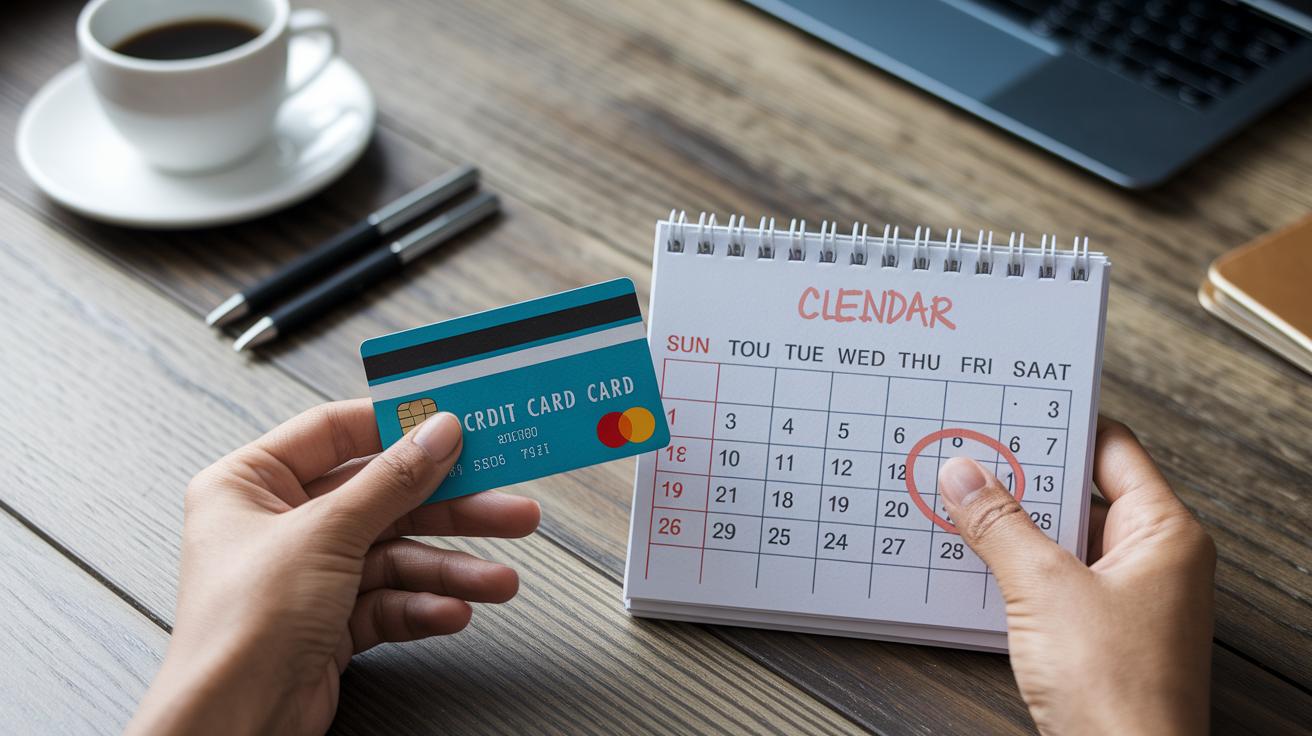
Interest is the silent budget killer. Even a single late or partial payment can snowball into months of unnecessary fees. Set up automatic payments for at least the statement balance the day before it’s due, and treat your credit card as a charge card, anything you can’t pay off immediately stays in your checking account. This discipline not only safeguards your credit score, it also provides a built-in spending cap: if you don’t have the cash, you don’t swipe. Bonus tip: request a payment-due date that aligns with payday to keep cash flow simple.
2. Keep Two Core Bank Accounts, Checking and Savings
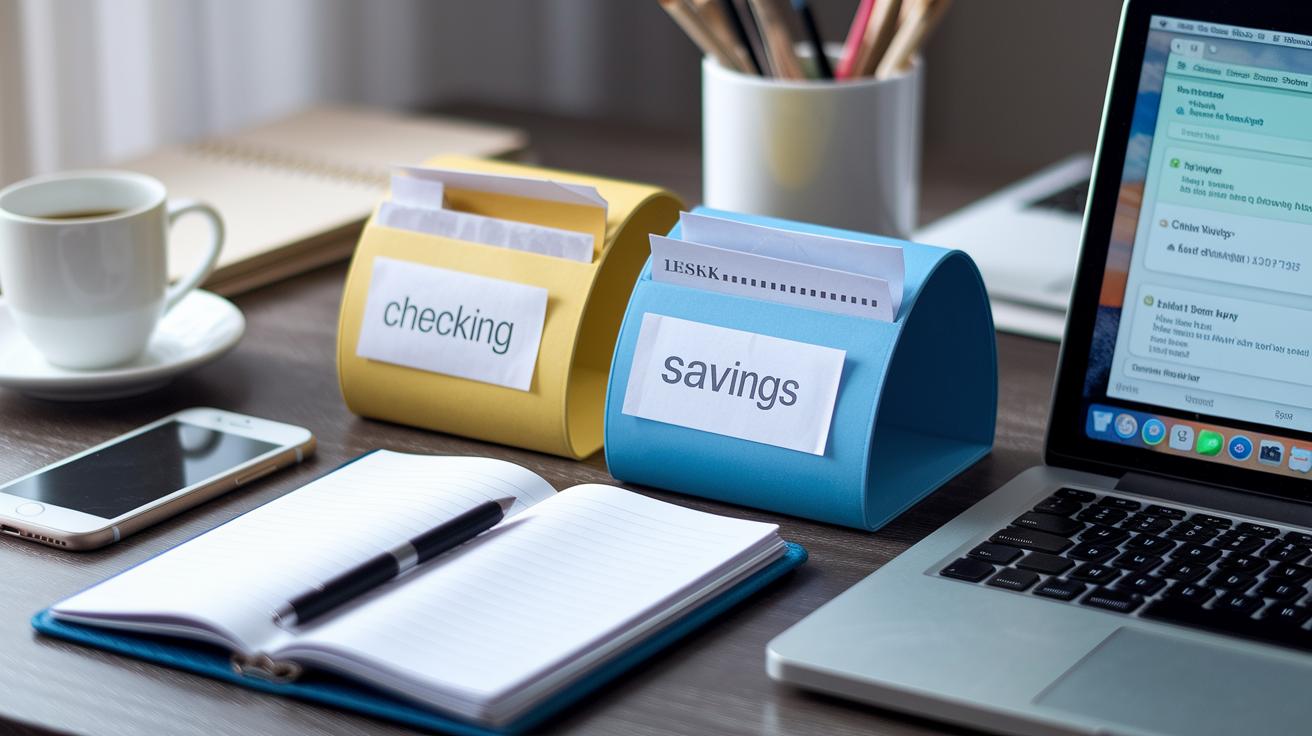
Simplicity beats complexity. Use one checking account for daily transactions and one high-yield savings account for goals and emergencies. Automate a weekly or bi-weekly transfer the day after payday; that way you “pay yourself first” before expenses nickle-and-dime you. Label your savings sub-folders (vacation, new laptop, six-month cushion) to stay motivated. The separation prevents accidental overspending, ensures bills are covered, and earns interest on money otherwise languishing in a low-yield account. If you routinely dip into savings, lower your checking balance buffer or add a third “fun money” account to isolate discretionary splurges.
3. Embrace Online Banking to Save Time and Money

Digital-first banks often waive monthly fees, reimburse ATM surcharges, and offer higher APYs than brick-and-mortar rivals. Mobile check deposit, real-time alerts, and budgeting dashboards let you manage everything from your phone in minutes, freeing up evenings and weekends for life, not errands. Security is tight, too: biometric logins and instant card-lock features reduce fraud risk. If you like a local branch, keep it, but move at least part of your cash to an online institution for better rewards. The streamlined experience helps you stay on top of transactions before they spiral out of control.
4. Adopt a Minimalist Approach to Style and Shopping

A closet stuffed with impulse buys drains both wallet and mental bandwidth. Build a capsule wardrobe: 20–30 versatile, high-quality pieces that mix-and-match effortlessly. Stick to a coherent color palette so everything works together, and follow the one-in, one-out rule when tempted by a new purchase. Minimalism isn’t about deprivation; it’s about curating items you genuinely love and use. The side effect is serious cash savings. Track how many “just browsing” trips you skip once you have clothing clarity, then reallocate that money to debt payoff or investing. Less clutter, more capital.
5. Limit Alcohol Orders When Dining Out

Restaurant drinks carry eye-watering markups, often 300% or more over retail. Two cocktails plus tip can rival the cost of your entrée. Make dining out about the food and company, not the bar tab. Opt for water, share a bottle instead of ordering by the glass, or enjoy a reasonably priced nightcap at home. If social pressure is tough, set an alcohol budget beforehand or rotate designated “no-drink” outings. Over a year, trimming just one $12 beverage a week saves more than $600, enough to beef up an emergency fund or cover a weekend getaway.
6. Skip the Brand-New Car, and Its Depreciation Cliff

A new vehicle can lose 20% of its value the moment you drive off the lot. Choose a certified pre-owned model that’s two to three years old instead; you’ll dodge the steepest depreciation, yet still enjoy modern tech and warranty coverage. Calculate total cost of ownership, insurance, maintenance, registration, fuel, before signing anything. If you must finance, keep the term under five years and aim for a payment under 15% of take-home pay. Better yet, save up and buy outright. Cars are tools, not trophies; treat yours like a trusty appliance, not a status symbol.
7. Track Your Income and Expenses Religiously

What gets measured gets managed. Whether you use a spreadsheet, an app, or pen and paper, record every dollar in and out for at least one full pay cycle. Patterns emerge: stealth subscriptions, grocery creep, forgotten fees. Categorize spending into needs, wants, and goals, then set percentage caps, say 50/30/20, to maintain balance. Review weekly, not monthly, so small course corrections prevent overspending spirals. The data turns abstract “I should save more” intentions into concrete next steps. Over time, you’ll spot extra money to divert toward debt payoff, investing, or whatever lights you up.
8. Put It All Together: A Simple Framework for Financial Calm

Adopting even one of these habits moves the needle; stacking them creates a self-reinforcing system. Automate bills and savings, minimize possessions, scrutinize discretionary spending, and avoid high-depreciation purchases. You’ll free up mental energy and cash flow simultaneously. Remember, money management isn’t about perfection, it’s about consistent, low-friction choices that compound over time. Review your progress quarterly, celebrate small wins, and adjust as life evolves. Financial peace isn’t a destination; it’s an ongoing practice made up of small, smart decisions repeated day after day. Start today, and a richer tomorrow practically takes care of itself.


