Have you ever wondered if a tiny injection could ease your stubborn migraine pain? Botox has been used safely since 2010 and offers a gentle way to lessen chronic headaches. It works by blocking the nerve signals that trigger muscle tightness, helping many people find relief from daily discomfort. Some even notice fewer migraine days after just a few treatments. In this post, we explain how Botox works and explore how it might help you feel more in control.
Botox Treatment Migraine: Efficacy, Approvals, and Outcomes

Botox, or OnabotulinumtoxinA as it's known in clinical circles, has been approved by the FDA since 2010 to help adults who suffer from chronic migraines. This means people who experience 15 or more headache days each month, with each headache lasting at least 4 hours. It works by blocking nerve signals, which helps lessen muscle contractions and calm the pain over time.
Studies tell us that about half of the patients see more than a 50% drop in both the number of headaches and their severity after just two sessions, usually within six months. And there’s even a group, roughly 23% of patients, who get what we call “super response” with improvements of 75% or more. For some individuals, the best results appear after three treatment cycles, roughly nine months in total.
If you’re curious about whether Botox might be the right choice for you, plenty of resources online can explain its benefits in more detail. And if you prefer talking directly to a specialist, getting a referral to a center for wellness and pain care can offer a more personalized look at your options. This clear, step-by-step approach helps everyone understand how Botox can work as part of a migraine relief plan.
Botox Treatment Migraine: Gentle Relief Awaits

Botox helps by stopping nerve messages from reaching muscles, which can calm down the muscle spasms that lead to migraine pain. This special protein, called OnabotulinumtoxinA, comes from Clostridium botulinum and is purified for safe use. When injected into specific muscles, it not only affects the muscle movements but also quiets the signals that tell your brain the pain is coming.
It all started back in the 1980s when doctors noticed that patients who had cosmetic Botox injections also experienced fewer migraine attacks. Even a small dose can make a noticeable difference, lessening both how often migraines happen and how severe they are. During a session, the injections are carefully placed in the right spots to calm down overactive nerves and relax tense muscles.
Think of it like turning down the volume on a noisy radio. Each jab of Botox gently lowers the pain signals, making the migraine less likely to take hold. This approach offers a subtle, yet effective way to help you feel more at ease and reduce the discomfort that migraines bring.
Eligibility Criteria for Botox Treatment Migraine

When figuring out if Botox is the right choice for your migraines, the main focus is on how often you get headaches. Typically, if you experience 15 or more headache days per month, and at least 8 of those days show clear migraine symptoms over three months, you’re likely a good candidate. You also need to be 18 years or older.
Each treatment plan is unique. Your doctor will adjust the Botox dose and choose specific injection spots based on where your pain is worst and any other factors that might be contributing. So, if you notice certain areas hurt more than others, that helps guide the process.
Even those dealing with headaches from too much medication might qualify. But if you use opioids heavily, your doctor will usually ask you to cut back first. This step-by-step approach makes sure the treatment you get is safe and effective.
A detailed check-up with a certified specialist can put together the best plan just for you. It’s all about finding the right way to ease your migraine symptoms and help you feel better overall.
Botox Migraine Injection Procedure Guide

When you come in for your appointment, a certified specialist will give you 31 small injections, using a total of 155 units of Botox every 12 weeks. Each injection is carefully placed into key muscles of the head and neck, such as the front part of the forehead (frontalis), the side of your head (temporalis), and muscles at the back like the occipitalis, along with the splenius capitis, trapezius, cervical paraspinals, and procerus. This targeted method helps the Botox work exactly where it needs to, so you can find relief from migraine symptoms.
To begin, your provider will take a close look at the structure of your head and neck. They will note where you feel pain most before deciding exactly which spots to inject. Think of it like carefully fitting together pieces of a puzzle so that every bit falls perfectly into place. This detailed mapping not only boosts headache relief but also keeps the chance for unwanted side effects low.
While the overall method is based on a reliable protocol, it’s also personally tailored for you. Certified specialists use strict cleanliness techniques to keep the process safe and effective. They have specialized training in botulinum injections, making sure each small jab is deliberate and precise.
During the treatment, you may feel a quick pinch that fades almost immediately. Much like a light breeze on a warm day, these injections can gradually make your migraine attacks less frequent and less severe when you stick to the regular sessions.
| Key Facts | Details |
|---|---|
| Number of Injections | 31 injections every 12 weeks |
| Total Botox Units | 155 units per session |
| Main Target Muscles | Frontalis, Temporalis, Occipitalis, Splenius Capitis, Trapezius, Cervical Paraspinals, Procerus |
Botox Migraine Side Effects and Safety Profile

Most people notice just a few mild, short-term side effects after Botox for migraines. You might feel a bit of soreness at the injection spot, some neck discomfort, or even slight muscle weakness around the area. These little bumps in the road usually fade quickly as your body gets used to it.
Sometimes, you may feel a quick pinch or a gentle ache, think of it like a brief muscle twinge that vanishes within a day or two. It might be a surprise at first, but rest assured, it doesn’t stick around for your entire treatment cycle.
On rare occasions, a few patients have faced more serious issues, like trouble breathing or swallowing. If you ever notice these signs, it’s very important to seek help right away since they could point to a more significant problem.
Long-term research shows that when skilled professionals perform these injections using careful techniques, side effects tend to drop with each session. By keeping a close eye on how you feel and talking with your provider after each treatment, you can both work together to keep your experience safe and effective.
Clinical Studies on Botox Treatment Migraine Outcomes
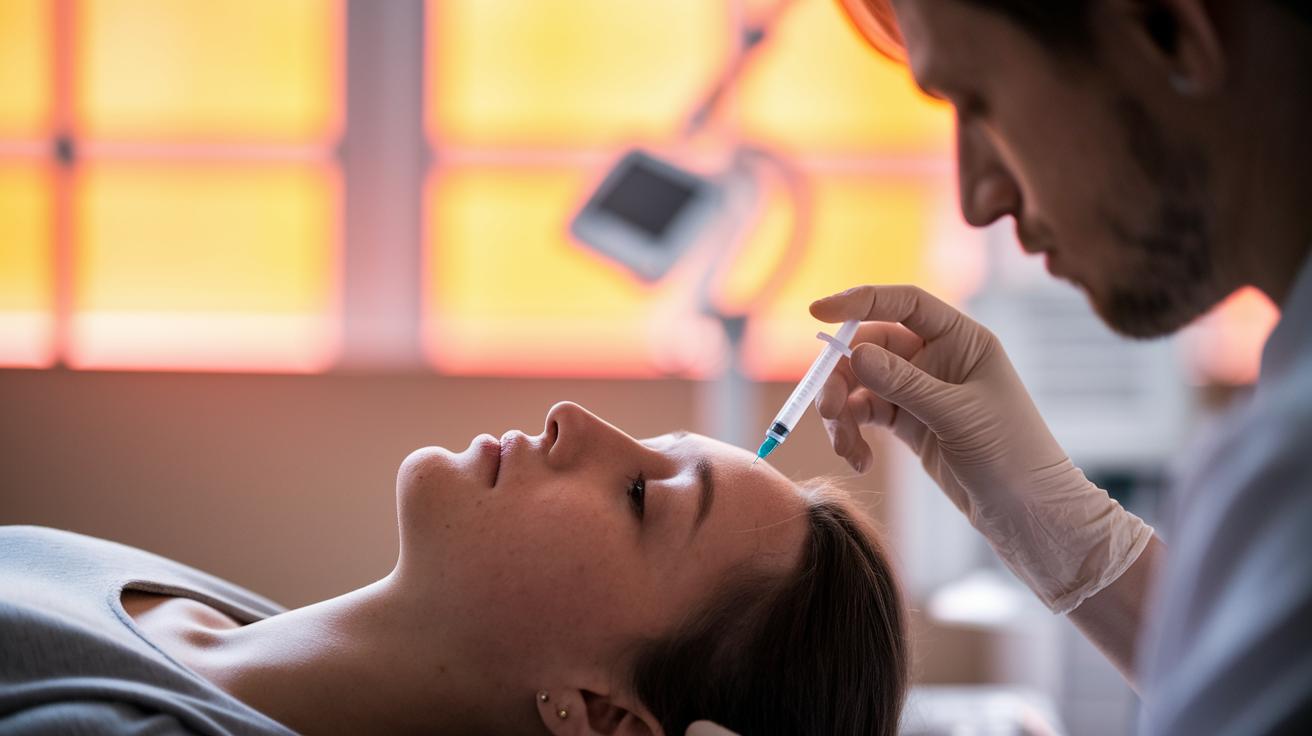
Clinical trials show that Botox can help lessen chronic migraines. Studies reveal that almost half of patients see a notable drop in their headache days, and about one in four becomes a standout responder. It’s interesting to see new ideas emerging for those who don’t get strong results right away.
For some patients who don’t do as well with the standard treatment plan, doctors have found that adjusting where the injections go, or even pairing Botox with an oral preventive medicine, can make a difference. This flexible approach helps personalize care to fit each person’s unique migraine pattern.
For example, in a few cases, a simple shift in Botox injection sites brought better relief for patients who didn’t respond well at first. It’s like finding the missing piece that finally makes everything click.
Botox Treatment Migraine Cost and Insurance Coverage

If you're battling chronic migraines, Botox might be a treatment option worth considering. Prices can vary a lot, but if you have commercial insurance, you could qualify for manufacturer rebates or copay assistance programs. These benefits depend on your specific plan and can really help reduce your out-of-pocket costs.
For those without insurance, the cost per session usually falls between $300 and $600. Remember, most patients need a series of treatments to see real improvement. Some insurance options, like Medicaid and Medicare, do cover Botox for chronic migraines, though the details vary by state. Plus, you'll often need pre-authorization, so it's smart to chat with your doctor and insurance rep to get all the facts.
To break it down:
| Insurance Type | Cost/Benefit |
|---|---|
| Commercial Insurance | May offer rebates and copay assistance |
| No Insurance | Typically $300–$600 per session |
| Medicaid/Medicare | Coverage varies; pre-authorization is often required |
Searching for additional information like "how much Botox" can offer more pricing guidance. Planning ahead and discussing your coverage options with your healthcare provider makes the process less stressful, so you can stay focused on finding relief from chronic migraines.
Post-Injection Care and Follow-Up for Botox Migraine Therapy

Right after your Botox session, it's important to notice how you're feeling. Start a simple headache diary where you jot down when your headaches happen, how strong they feel, and how long they last during each 12-week period. For example, you might note, "Today, my headache lasted 3 hours and felt moderately painful." This helps both you and your doctor spot any trends.
Most people only feel a bit of soreness that usually goes away within 24 to 48 hours. Over-the-counter pain relievers can ease this short discomfort, sort of like a quick fix when something small needs mending.
Your doctor will set up follow-up visits every 12 weeks to check how the treatment is working for you. At these visits, they’ll look over your diary and overall progress, making adjustments if needed. This regular check-in not only helps keep your plan on track but also gives you reassurance that your care is being closely monitored.
- Keep a headache diary every day
- Note any changes in your headache patterns
- Tell your doctor about any unusual symptoms
Regular check-ups are key to helping you get the most relief from your migraines.
Botox Migraine Treatment: Patient Experiences and FAQs

Many people have seen amazing results with Botox for migraines. Within about six months, many patients report having 50 to 70% fewer headache days. Life feels easier and daily routines run more smoothly. One patient shared, "After two treatments, I could finally focus at work, the kind of focus I hadn't experienced in years." These positive stories help build trust in this treatment option.
A common question is how quickly the benefits kick in. Most patients notice changes within two to three months, which makes Botox a reliable choice for those struggling with migraines. Others have also asked if they can reduce their oral preventive medicines, and many find that as the treatment works, they need fewer pills, easing their overall treatment burden.
Worries about discomfort during injections come up often. The good news is that most people describe the feeling as just a quick, mild pinch, barely noticeable enough to interrupt daily activities. One person said, "It felt like a quick pinch, and the relief was totally worth it."
Support programs from manufacturers and active online communities also make a big difference. They offer helpful advice, shared success stories, and genuine encouragement that can reassure anyone starting this treatment.
| Key Points |
|---|
| 50–70% fewer headache days within 6 months |
| Results typically seen within 2–3 months |
| Mild injection-site discomfort reported |
Final Words
In the action, this article broke down the practical aspects of botox treatment migraine and its role in reducing chronic headache days. We touched on how the treatment works, who qualifies, and what the injection process looks like. The discussion also covered safety, patient experiences, and cost considerations in clear, everyday terms. Every point helps paint a picture of a scientifically backed option for migraine relief. This knowledge leaves you feeling more confident and informed about the steps ahead with botox treatment migraine.
FAQ
Botox migraine injection sites
The Botox migraine injection sites refer to specific points in the head and neck. These spots are selected by trained professionals to target pain and reduce muscle tension effectively.
Botox injections for migraines side effects
The Botox injections for migraines side effects can include injection-site pain, neck discomfort, and mild muscle weakness. In rare cases, issues with breathing or swallowing may occur.
Botox migraine protocol PDF
The Botox migraine protocol PDF outlines detailed professional guidelines such as dosage, injection mapping, and patient eligibility, designed to help care providers deliver personalized treatment efficiently.
Long-term side effects of Botox for migraines
The long-term side effects of Botox for migraines tend to lessen after a few treatment cycles due to improved injection techniques. Most patients experience fewer side effects as treatments continue.
Botox for migraines before and after pictures
The Botox for migraines before and after pictures illustrate a decrease in headache frequency and improved daily function, with some patients noting up to 50–70% fewer headache days after treatment.
Does Botox for migraines help wrinkles
The Botox for migraines sometimes help wrinkles by relaxing specific facial muscles. This can lead to reduced lines while providing chronic migraine relief in approved treatment areas.
Where to inject Botox for tension headaches
The where to inject Botox for tension headaches involves targeting key head and neck muscles such as the frontalis, temporal, and occipital regions. This approach helps relieve muscle tension contributing to headache pain.
How many Botox injections for migraines
The how many Botox injections for migraines usually involves 31 injections per session, administered every 12 weeks. This standard protocol is designed to reduce the frequency and severity of migraine attacks.
Is Botox a good treatment for migraines?
The Botox is a good treatment for migraines as many patients report a significant drop in headache days after multiple treatment cycles. Clinical results support its effectiveness for those with chronic migraines.
Is Botox good for migraines while pregnant?
The Botox good for migraines while pregnant issue remains uncertain due to limited safety data. Pregnant individuals are generally advised to avoid Botox and consult their healthcare provider for alternative options.
Is Botox for migraines covered by insurance?
The Botox for migraines is often covered by insurance if patients meet the chronic migraine criteria, though coverage can vary. Pre-authorization and adherence to specific protocols may be required.
What can go wrong with Botox for migraines?
The what can go wrong with Botox for migraines question points to potential complications such as injection-site pain, muscle weakness, or rarely, serious issues like breathing difficulties. Using certified specialists helps reduce these risks.


