Have you ever given your skin a gentle pinch and noticed how quickly it bounces back? It might seem like a tiny moment, but that snap really tells you something about your hydration and overall well-being. Think about it like testing a sponge: if it’s slow to spring back, maybe you’re not drinking enough water.
In this post, we’ll dive into why skin turgor is so important and how it serves as a clear, natural sign of your body’s health.
Clinical Importance of Skin Turgor in Hydration Assessment

Skin turgor tells us how elastic our skin is and how fast it bounces back after a gentle pinch. It gives an idea of how well the skin retains moisture, mostly depending on how hydrated you are. When you pinch a spot on your arm or belly and see how quickly the skin returns, it can hint at your hydration level. Imagine it like a sponge that springs back when you squeeze it, if it’s slow, your body might not be getting enough water.
Collagen, the strong protein that gives skin its firmness, also plays an important role in skin turgor. Water keeps your skin smooth and plump, and collagen helps it bounce back. When you’re not well hydrated or if collagen isn’t as strong, the skin may take longer to recover, sometimes showing a slight “tenting” effect. It’s similar to a dry sponge that doesn't rebound as quickly as one that’s soaked in water.
In a clinical setting, health professionals use the pinch test to quickly check a patient’s hydration status. They look at how rapidly the skin snaps back after being pinched. A slower return or a lingering dimple can be an early sign of dehydration or other fluid problems. This simple check is a valuable first step in deciding if more detailed tests or treatments are needed.
Skin Turgor Test: How to Perform the Pinch Test
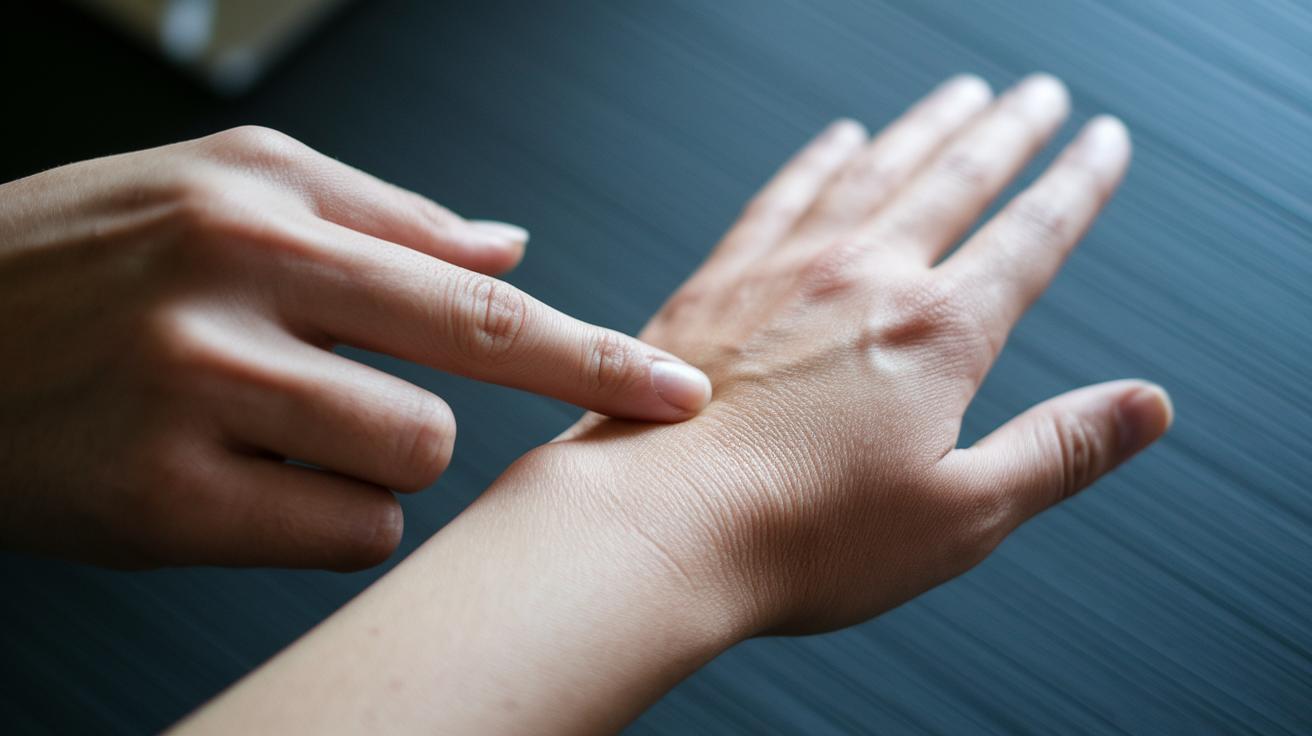
The pinch test is a simple way to check how elastic your skin is and get a feel for your hydration. It's quick, non-invasive, and gives immediate feedback about your overall fluid balance. Here’s how to do it:
- Pick a spot like the back of your hand or your tummy.
- Gently pinch a small fold of skin between your fingers.
- Hold the pinch for about 2 seconds.
- Let go and watch how quickly the skin bounces back.
Doctors and nurses often use this test to spot signs of dehydration or other fluid imbalances. If your skin snaps back right away, that’s a good sign that you’re well-hydrated. But if it takes a bit longer or stays bunched up, that might hint at a fluid deficit. You might hear professionals describe this as a “brisk” or “slow” response.
Sometimes you’ll also hear the term “tenting”, this just means the skin holds a crease after being pinched. Every observation, whether it’s a quick rebound or a lingering crease, gives a valuable snapshot of your skin’s health and your body’s fluid balance.
Skin Turgor Test: How to Perform the Pinch Test

When you perform this test, gently pinch the skin and watch how quickly it bounces back. Think of it like pinching a piece of firm dough – if it snaps back right away, your skin is well hydrated.
| Finding | Description | Hydration Implication |
|---|---|---|
| Brisk Rebound | The skin snaps back immediately | Adequate hydration |
| Sluggish Return | The skin slowly returns | Mild dehydration |
| Tenting | The skin stays up a bit after being released | Signs of dehydration |
| Inelastic Skin | The skin barely moves after the pinch | Severe dehydration or lower collagen quality |
Noticing these reactions can help you understand hydration levels better and indicate if further clinical checking is needed.
Factors That Affect Skin Turgor and Elasticity
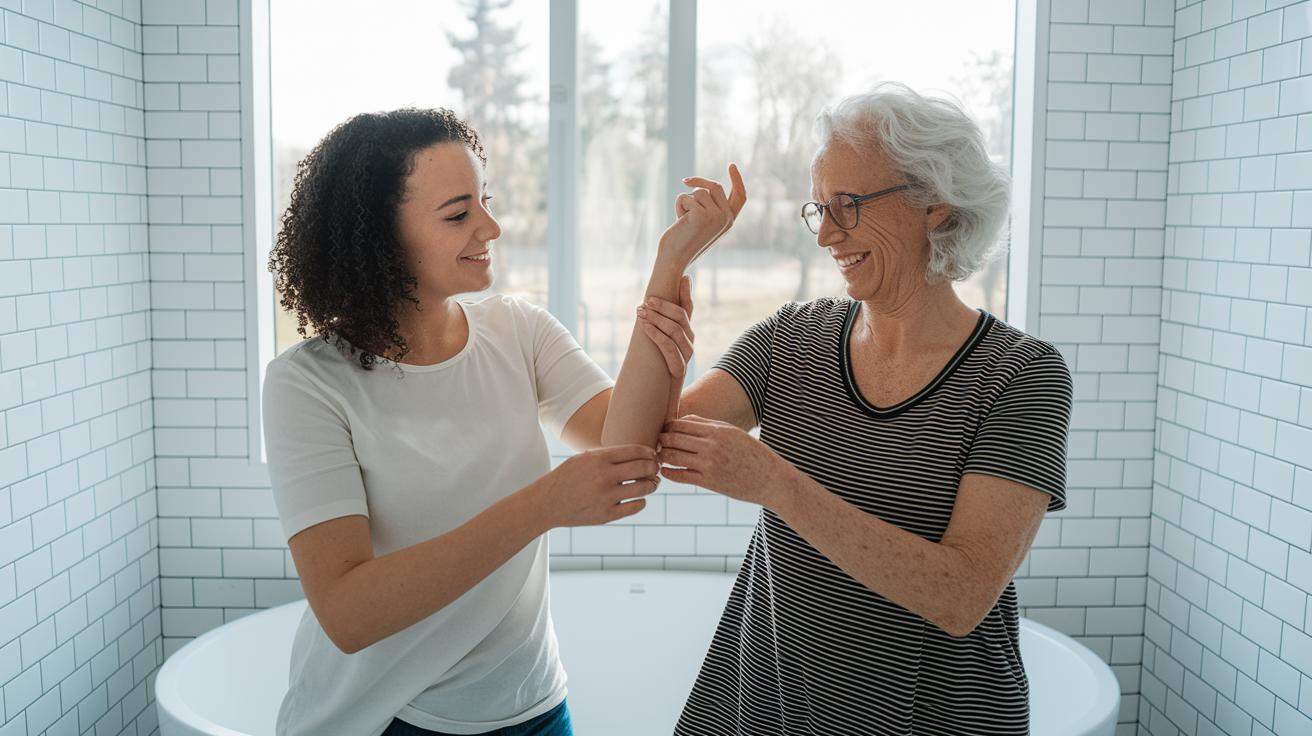
When you don’t get enough water, whether from simply not drinking enough, vomiting, or diarrhea, your skin loses its natural bounce. This loss of hydration makes your skin less plump, so it takes a bit longer to snap back when you pinch it. Doctors often notice this slower response during a simple pinch test.
As we get older, our skin naturally loses some of its strength. The proteins collagen and elastin, which help your skin stay smooth and firm, begin to decline. Because older skin is already less firm, the pinch test might not give as clear a picture of hydration as it does in younger skin. This natural aging process can sometimes make it harder to tell if your skin is well-hydrated.
Other factors, like certain health conditions and the environment, can also change your skin’s elasticity. Constant sun exposure, for example, can break down collagen, and conditions like diabetes might harm the skin's overall structure. On the bright side, in children, the skin’s bounce is usually a reliable indicator that they’re well-hydrated. But if a child’s skin consistently seems less responsive, it might be a sign to get checked by a doctor.
Skin turgor: Bright Health Indicator
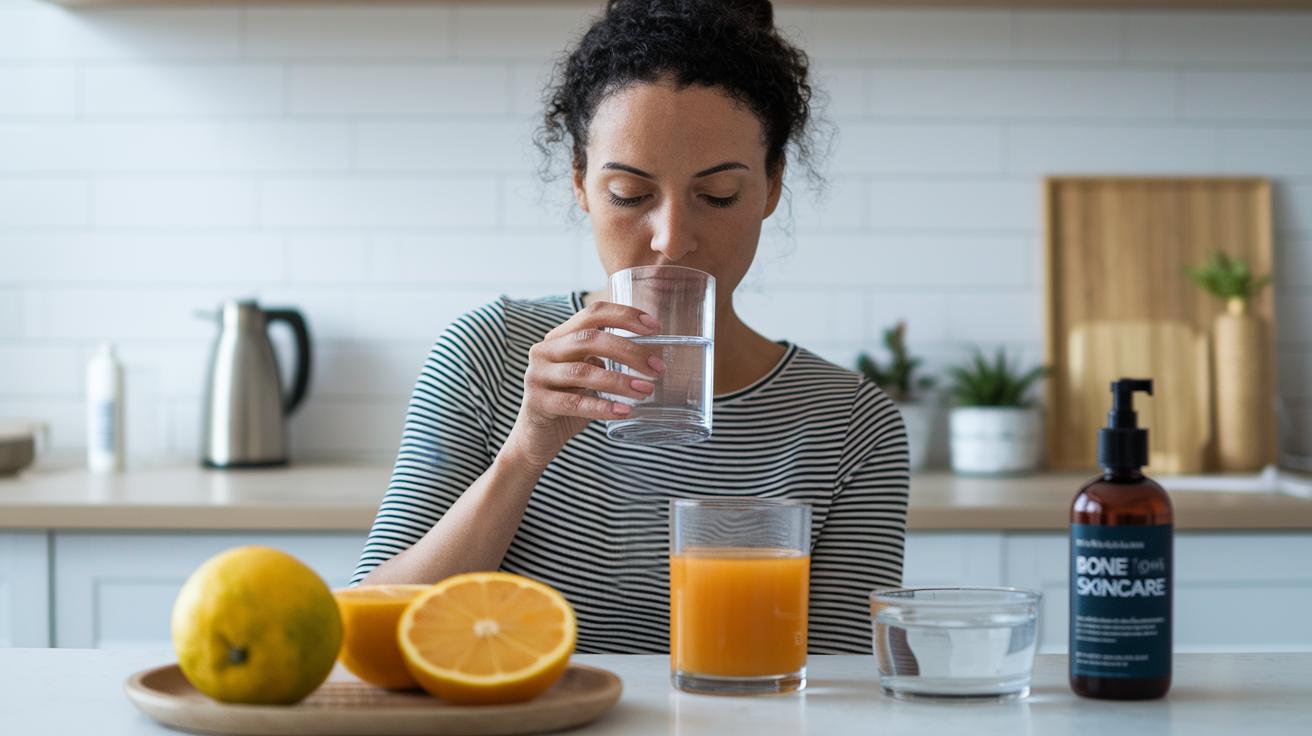
Staying well-hydrated is key to keeping your skin bright and healthy. Drinking water throughout the day and eating a balanced diet filled with nutrient-rich foods really helps your skin hold onto moisture. For example, citrus fruits loaded with vitamin C can give your collagen a boost and help firm your skin, while antioxidant-rich foods guard against damage from free radicals. Even adding foods like bone broth, which is full of collagen-supporting nutrients, can keep your skin feeling soft and resilient. Want more ideas? Check out the tips on eating for healthy skin.
Topical treatments can also make a big difference. Lotions and moisturizers packed with ingredients like hyaluronic acid or ceramides lock in moisture and strengthen your skin’s natural barrier. This means your skin not only looks more vibrant but feels smoother and firmer with regular use. It’s like giving your skin a daily drink of water that keeps it glowing over time.
Sometimes, though, dehydration runs deeper. If you’re noticing that your skin stays flat despite a healthy diet and good skincare habits, it might be time for a little extra help. In cases of severe dehydration or ongoing low skin turgor, healthcare providers might suggest oral rehydration solutions, IV fluids, or even nasogastric therapy for kids. These treatments quickly restore your body's fluid balance, helping your skin bounce back fast.
Limitations and Special Considerations in Skin Turgor Measurement

Skin turgor testing is a quick and easy way to check your hydration level, though it has its limits. As we age, our skin loses a bit of its natural bounce, which can make it tougher to judge hydration accurately. Factors like skin thickness, swelling, or scars can change how the skin returns to shape after a gentle pinch. And sometimes, differences in testing methods and the words used to describe the findings can lead to mixed results. It's a bit like comparing different sponges, each one feels unique because of its own texture.
If the test results fall outside the normal range, further evaluation might be needed. Ongoing unusual findings can prompt healthcare providers to run additional tests, such as lab checks on fluid balance, to pinpoint the underlying cause. And if there are concerns about how firm the skin feels, a more thorough check can help clarify your overall hydration status and guide the next steps in treatment.
Final Words
In the action, we explored how skin elasticity and hydration shape our overall skin turgor. We outlined a simple pinch test to gauge hydration by observing how quickly the skin rebounds. We also looked at factors such as age, nutrition, and health conditions that play a role in skin firmness. Each section brought clear insights into how hydration impacts skin turgor and overall well-being. Keep aiming for a healthier, vibrant life with improved skin turgor through smart, daily choices.
FAQ
What is a normal skin turgor?
A normal skin turgor means the skin quickly snaps back into place after being pinched, showing a brisk rebound without tenting. This indicates that hydration levels are within a healthy range.
How is the skin turgor test performed?
The skin turgor test is performed by gently pinching a fold of skin on the arm or abdomen for about two seconds, then observing how quickly it rebounds once released.
How does dehydration affect skin turgor and what does poor skin turgor look like?
Dehydration lowers skin elasticity, so the skin takes longer to return to its shape, often displaying tenting. This delayed snap-back can signal a fluid deficit and potential health concerns.
How do you pronounce “turgor” in skin turgor?
Skin turgor is pronounced “tur-gor,” with the emphasis on the first syllable, making it easy to reference when discussing the skin’s elasticity and hydration status.
How many seconds is the skin pinch test typically held?
The skin pinch test is typically held for about two seconds. A quick rebound after releasing the pinch suggests normal hydration, while a sluggish return indicates possible dehydration.
Why do nurses assess skin turgor?
Nurses assess skin turgor as a quick, non-invasive way to evaluate a patient’s hydration status. Observing the skin’s rebound provides valuable insight into the body’s fluid balance and overall health.


