Have you ever thought about how a high-tech tool could boost your surgery success? AI predictive analytics in cosmetic surgery uses your health history and daily habits to forecast your recovery time and spot any potential issues before they happen. Think of it as a friendly guide that gives your surgeon clear, data-backed advice. This smart tool helps create a treatment plan tailored just for you so your doctor can make better choices, leaving you feeling safer and more confident about your surgery.
How AI Predictive Analytics in Cosmetic Surgery Transforms Decision-Making and Outcomes

AI predictive analytics in cosmetic surgery takes a smart, human-focused approach. It uses machine learning, statistics, and data mining to look at both current and past patient information. This analysis helps predict recovery times, surgical results, and even warns of possible complications. In simpler words, by studying details like medical history, lifestyle choices, and genetic factors, the system creates treatment plans that are uniquely designed for each patient.
Imagine it like having a futuristic GPS for surgery. A high-tech navigator guides surgeons through complex decisions, much like a trusted friend pointing out the best road to take. For example, a surgeon might quickly review extensive data to estimate recovery times with more confidence than relying on manual checks.
- More accurate and efficient: Automated models can handle vast amounts of data faster than manual methods, which means fewer errors.
- Customized treatment plans: By looking at detailed patient profiles, these tools design treatment strategies as unique as you are.
- Better prediction: Spotting potential complications ahead of time helps doctors plan for smoother recoveries.
- Increased patient satisfaction: When decisions are backed by solid data, patients understand what to expect and feel more secure.
Overall, these insights really boost clinical decision-making. They turn comprehensive data analysis into a powerful tool in the operating room. Surgeons can trust AI to refine every step of their planning, from the initial approach to the final result. With these predictive tools at hand, unexpected complications drop, and both doctors and patients feel more confident in the treatment process.
Integrating Predictive Analytics into Preoperative Planning for Cosmetic Procedures

Data Sources
AI tools gather patient information from lots of different places. They pull data from electronic health records, wearable devices, and even mobile apps where patients share how they feel. This data includes details like body measurements, medical history, daily habits, and genetic markers. Think of it like piecing together a puzzle that shows a complete picture of a patient’s health. Imagine your smartwatch and doctor visits coming together to form a clear, detailed health portrait.
Model Development Steps
Once all that data is in place, smart algorithms are created using advanced math and machine learning. These models sift through large datasets to pinpoint patterns that help predict what might happen during surgery. It’s a bit like drawing a map where every little marker helps guide the surgeon on where to make precise incisions and what to expect afterwards. In simple terms, it’s like setting up signposts on a blueprint to ensure every step in the procedure is well thought out.
Validation Methods
Before these predictive tools are used during surgery, they go through thorough testing. Experts compare past patient cases and use cross-validation techniques to check that the models work as expected. This step is much like doing a safety check where historical outcomes are compared with what the model predicts. It gives surgeons the confidence that these tools add extra accuracy and safety to planning each operation.
Machine Learning Simulations for Cosmetic Procedure Outcomes
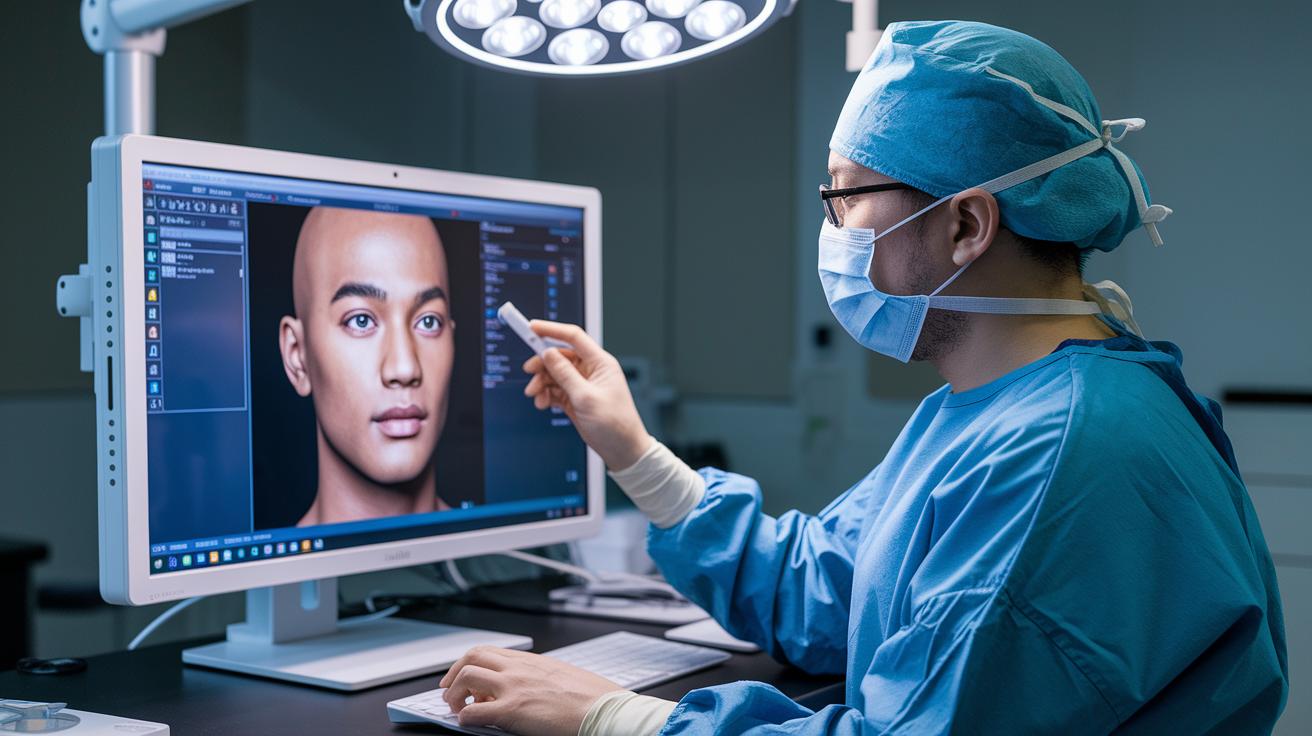
3D planning is changing the way we approach cosmetic procedures. Using artificial intelligence, detailed images are created so surgeons can measure incision lines, plan tissue adjustments, and test implant placements. Think of it like using a precise GPS for surgery. These simulations cut down on guesswork, making every step count.
- Collect patient imaging along with clear anatomical details.
- Build a 3D model that accurately shows each patient's unique features.
- Run interactive simulations to see a range of possible outcomes.
- Review the results and tweak the surgical plan for the best precision.
Interactive before-and-after views build trust and bridge the gap between patients and their surgeons. When patients see a visual preview of their expected results, it eases worries and aligns expectations with real outcomes. This clear, visual approach makes the plan easy to understand and builds confidence. Surgeons can answer questions right away, leaving patients feeling secure about the careful planning and personalized care ahead.
AI Predictive Risk Assessment and Complication Forecasting

Imagine having a weather forecast for your surgery. AI risk models take real-time patient data, like age, body mass index, existing conditions, and even social factors, and mix them into a simple score that shows how likely complications are. These models pull data from electronic health records and other sources to create a clear picture of a patient’s risk profile. This early warning system helps the team spot higher-risk patients so they can plan ahead for any bumps in the road.
In real-life care, these scores help shape personalized treatment plans. For example, if a patient is flagged as high risk, doctors might adjust anesthesia techniques and check on them more closely after surgery. Surgeons can use this detailed insight to refine their approach right on the operating table, leading to care that’s tailored just for you. It’s like having a trusted guide that makes sure every step of the process is as safe as possible.
Overall, this ongoing risk assessment brings more confidence and safety to every procedure. By turning raw data into easy-to-understand insights, the technology supports a smoother surgery experience, reducing worries and improving outcomes for everyone involved.
Real-World Case Studies of AI Predictive Analytics in Cosmetic Surgery

Breast Augmentation Forecasting
In breast augmentation, AI predictive analytics helps show patients what their results might look like before surgery. It uses past cases, detailed body measurements, and imaging studies to create a visual preview of contours and symmetry. Surgeons can compare different implant sizes from these visuals, making it easier for patients to decide which size best suits their natural body proportions. One small study even found that patients who looked at these AI-generated images felt 30% more satisfied with their implant choice. The data also helps surgeons optimize implant positioning, leading to results that look balanced and give patients extra confidence in the plan.
AI-Enabled Postoperative Monitoring
After surgery, keeping an eye on recovery is vital. Today, AI-powered monitoring apps are making that easier by tracking important recovery steps like swelling, pain, and wound healing. In one real-world case, a cosmetic surgery practice found that early warnings from these tools allowed the team to step in quickly, cutting complication rates by almost 25%. These systems also work together with AI-driven scheduling and billing tools to set up follow-up appointments tailored to each patient’s recovery. With real-time updates about their progress, patients often feel less anxious and more cared for throughout their healing process.
Ethical and Privacy Considerations in AI Predictive Analytics for Aesthetics

- There's a risk of data breaches when sensitive health details aren't stored safely with proper encryption based on HIPAA.
- The training data might not be diverse enough, which can lead to biases in the algorithm and unequal care for certain groups.
- Without clear patient consent systems and solid audit trails, meeting regulatory standards can become a real challenge.
Handling patient data in AI predictive analytics calls for both care and fairness. Every piece of personal health information should be locked away securely with strict access controls and strong encryption, it’s a bit like having a high-tech vault for each patient’s details. Regular checks of the data and the algorithms help spot any bias early, ensuring the technology is fair for everyone.
Also, obtaining clear patient consent and keeping tidy audit trails builds transparency. This practice not only follows FDA and IRB guidelines but also fosters trust between patients and their care providers. By sticking with these careful practices, cosmetic surgery teams can confidently use AI tools to support tricky decision-making processes while upholding high ethical standards and protecting patient privacy.
Future Trends in AI Predictive Analytics in Cosmetic Surgery
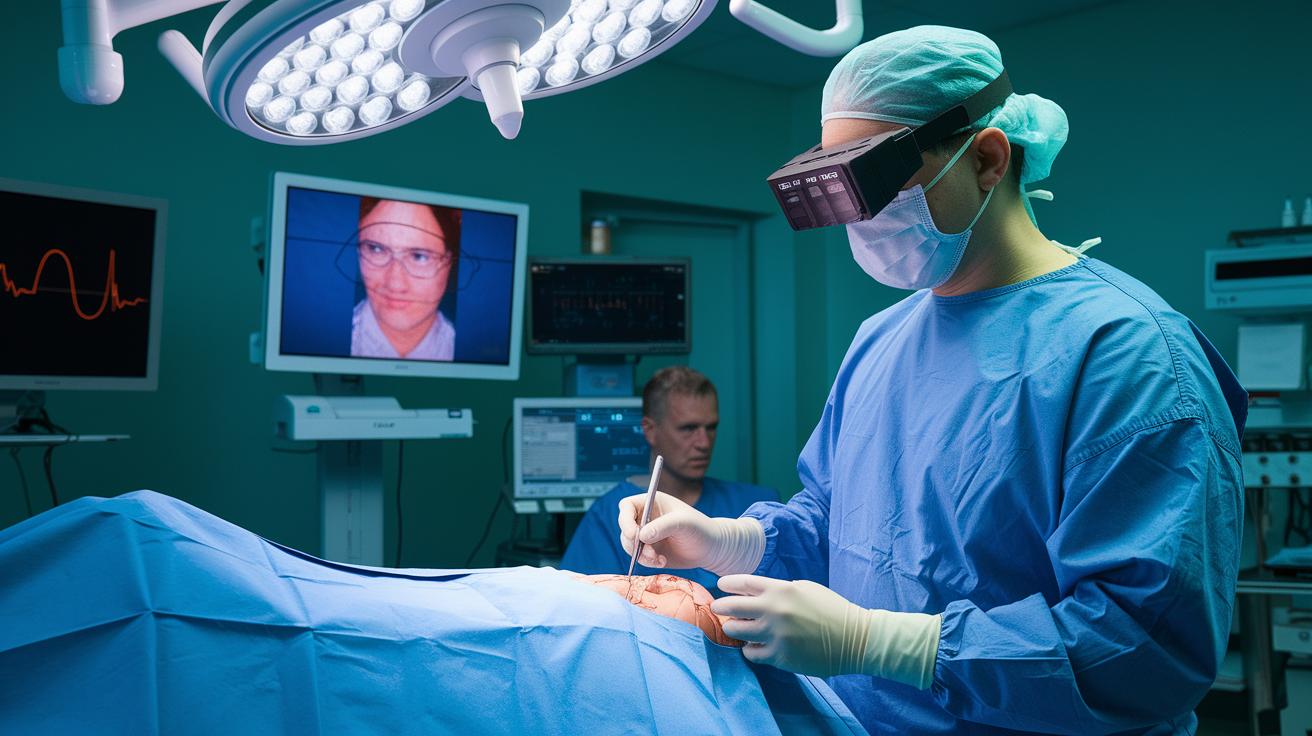
Looking ahead, new AI models are set to raise the bar for precision in cosmetic surgery. These smart systems use advanced deep learning methods to sift through large amounts of patient information – everything from medical history to tiny details of your anatomy – to help craft treatments that are uniquely tailored just for you.
-
Next-generation deep learning models work by crunching vast piles of health data. Think of it like putting together a puzzle that shows the full picture of your health. This careful analysis guides surgeons in creating treatment plans that truly meet your individual needs.
-
AR and VR preoperative simulations are another exciting trend. Soon, you and your surgeon might experience a 3D preview of your post-surgery appearance in a way that feels almost real. It’s like taking a sneak peek at your future self, helping you feel confident and informed before the surgery begins.
-
With real-time data gathered from wearable tech and IoT devices, AI can keep up with how you’re healing every step of the way. Continuous monitoring lets these systems update your recovery plan instantly, so your rehabilitation feels just right for you.
Overall, these breakthroughs in AI are set to change how cosmetic procedures are planned and performed. With smarter algorithms, engaging technology, and live feedback, both patients and doctors can look forward to clearer, more personalized care at every stage of the process.
Final Words
In the action of using modern data techniques, the article showed how ai predictive analytics in cosmetic surgery sharpens treatment planning and boosts patient outcomes. The discussion covered precise 3D simulations, smart risk evaluation, and real-world successes that guide safer procedures.
These insights help clear the path for confident, informed choices. With science driving every step, a safer and brighter future in cosmetic surgery awaits.


