Have you ever wondered why people think light skin is pure and graceful? For centuries, smooth, pale skin has told a story that started in ancient art and old texts. That gentle glow has enchanted people over the years.
Today, beauty brands bring this classic look into our modern lives, mixing timeless beauty with everyday style. We appreciate light skin for its subtle charm and deep cultural roots.
Let's dive in and explore where this precious beauty started and why it still captivates us.
Understanding Alabaster Skin: Definition, Origins, and Cultural Role
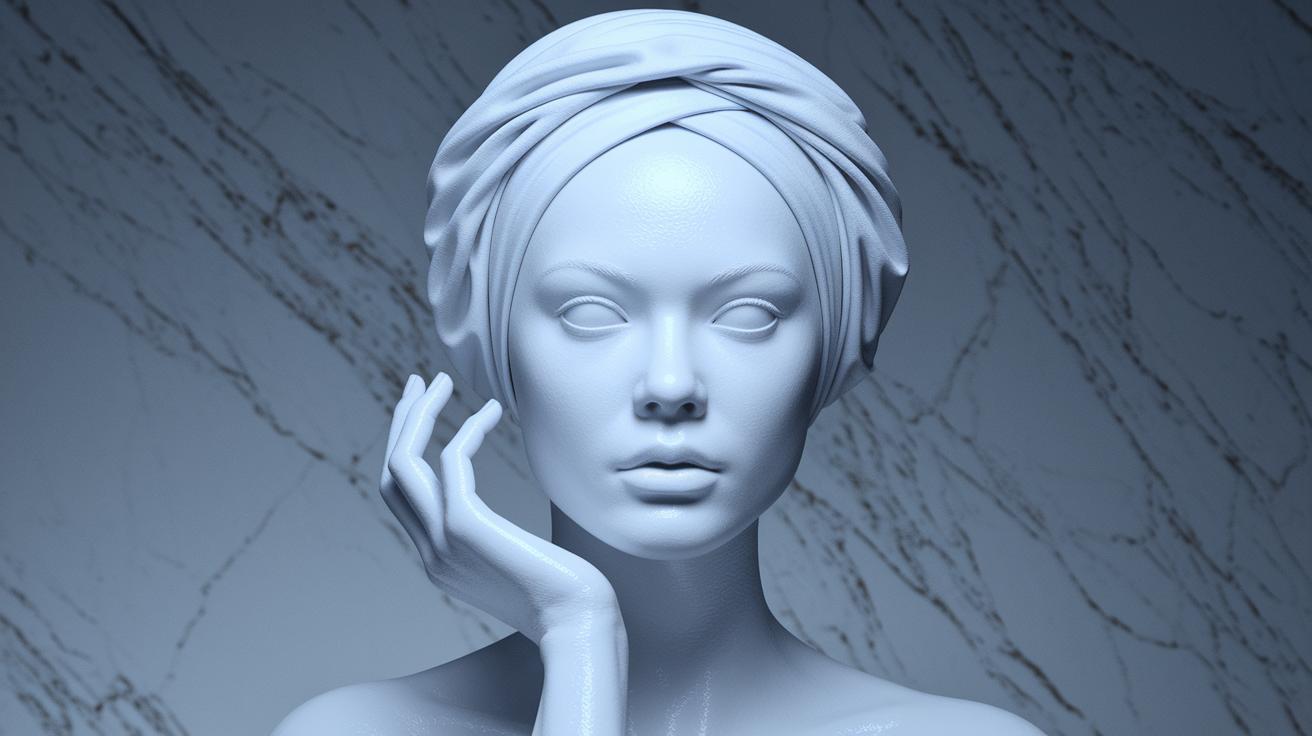
You might have heard the term "alabaster skin" and wondered what makes it special. Its story begins in classical sculpture and old biblical texts, where smooth and pale skin was seen as a sign of purity and divine grace. Artists and writers from those times celebrated this glowing, refined look, a sentiment that still connects with us today.
Nowadays, cosmetic brands have taken that timeless image and defined it in a very modern way. They’ve created specific shades like “1N00 – Alabaster” to label very fair skin with natural undertones. This change bridges the world of classic art with today’s practical beauty solutions, letting people enjoy and celebrate a delicate, luminous glow.
The lasting appeal of alabaster skin shows a beautiful mix of history and modern flair. It truly honors a timeless ideal of beauty that feels both respectful and current.
- Inspired by classical sculpture and elegant forms
- Drawn from biblical symbols of purity
- Turned into a measurable cosmetic shade for today’s market
- Celebrated as a soft, radiant glow that transcends time
Alabaster Skin in Art, Literature, and Fashion Trends

Alabaster skin has inspired creative minds for centuries. In both literature and religious art, this gentle, light complexion is loved for its soft and otherworldly glow. Writers like Shakespeare often used pale skin as a symbol of purity and a gentle charm. Back then, artists compared this delicate tone to fine porcelain, drawing attention to beauty in its most subtle form. It’s a reminder to us all to appreciate a soft, glowing look.
In the realm of fine art, painters during the 1800s played with light and shadow to capture the natural shimmer of alabaster skin. And even today, fashion runways highlight this aesthetic by featuring models with refined light complexions that set new trends. Icons like Audrey Hepburn showed us firsthand how a pale, delicate hue can convey timeless elegance and warmth.
| Medium | Notable Example |
|---|---|
| Literature | Shakespearean sonnets |
| Religious Art | Biblical illustrations |
| Fine-Art Portraiture | 19th-century paintings |
| High Fashion | Audrey Hepburn |
Key Traits of a Pale Alabaster Hue: Tone, Texture, and Undertones

Alabaster skin stands out for its cool, almost see-through look that gives it a soft, natural glow. When your skin is well-hydrated, it scatters light in a way that creates a warm, luminous shine. The smooth texture not only softens your appearance but also plays up the dance of light and shadow on your face.
Take a closer look and you might notice hints of color underneath, ranging from a neutral base to a soft pink or even a faint touch of gold. These delicate variations set it apart from the typical porcelain finish. Here are the key markers to keep in mind:
- A cool, almost translucent look
- A smooth, well-hydrated surface
- Undertones that shift from neutral to soft pink
- Occasional hints of a subtle gold
- A gentle contrast with traditional porcelain finishes
| Characteristic | Description |
|---|---|
| Tone | A cool, nearly translucent look that naturally reflects light |
| Texture | A hydrated and smooth surface that lets your skin glow |
| Undertones | Subtle colors ranging from neutral to soft pink or a hint of gold |
Expert Skincare Strategies for a Radiant Alabaster Complexion
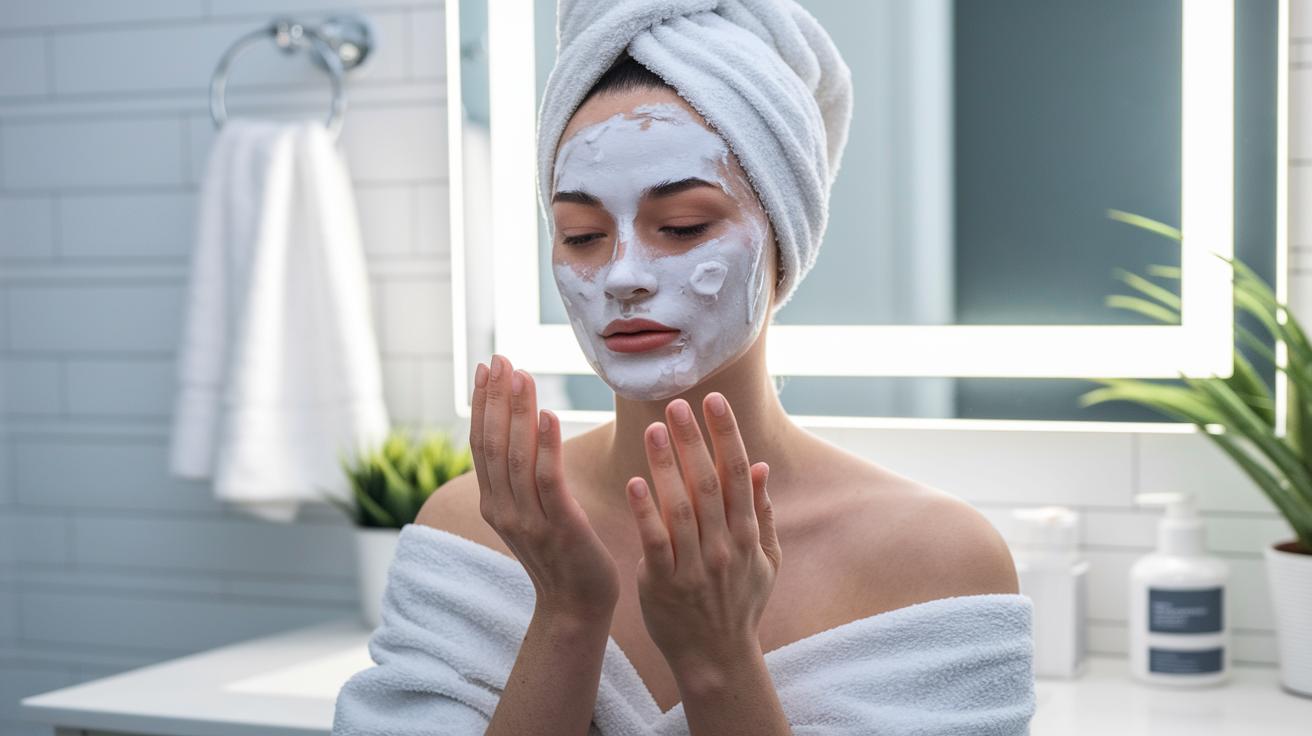
Keeping your skin’s light, porcelain tone looking its best means sticking to a routine that protects it from harsh sunlight and everyday environmental stress, while keeping it soft and hydrated. Many dermatologists suggest starting your day and ending your evening with a gentle cleanser that rids your skin of impurities without taking away its natural moisture. Using a mild AHA exfoliation product once a week can help smooth your skin’s surface and reveal its natural radiance, making that unique alabaster glow even more striking.
A lightweight moisturizer packed with antioxidants does wonders by reducing fine lines and boosting overall skin health. Adding a serum rich in peptides (helpful proteins that support skin repair) can further nurture your skin’s natural renewal process. When you combine products that protect and rejuvenate, you’re setting the stage for a complexion that remains both balanced and luminous.
- Cleanse gently every morning and night with a mild cleanser.
- Exfoliate once a week with a gentle AHA treatment.
- Apply a peptide-rich serum to help your skin repair itself.
- Follow with an antioxidant moisturizer to lock in hydration.
- Use a broad-spectrum SPF 30+ sunscreen every morning to guard against UV rays.
- Revisit your routine regularly to add any targeted products that help smooth fine lines and maintain a delicate, radiant glow.
Makeup Techniques to Enhance a Luminous Alabaster Tone
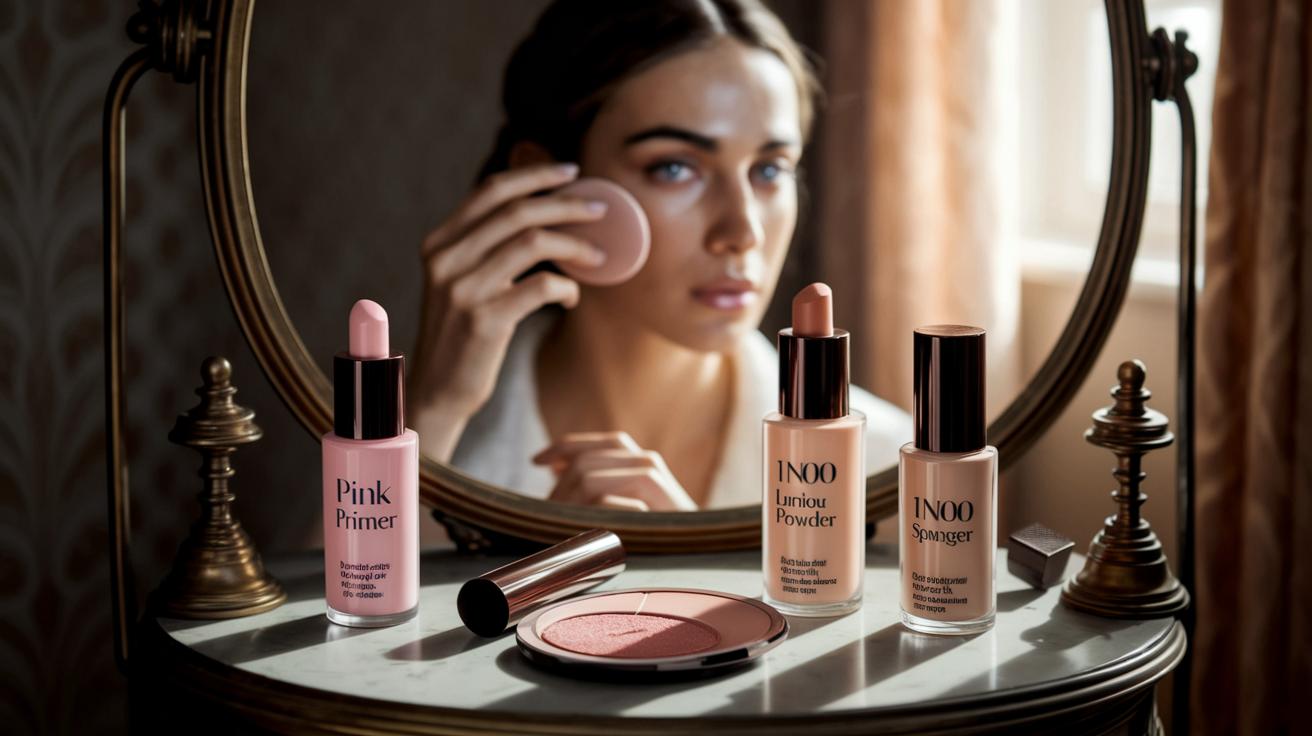
Getting that soft, glowing look on alabaster skin is all about letting your natural beauty shine through. Start with a pink-based primer that helps cool down any redness while keeping your skin’s gentle glow intact. Then, choose an ultra-lightweight foundation, think of a 1N00 shade, that covers just enough without masking your skin’s natural shine. Use a damp beauty sponge to blend everything evenly, and finish with a light dusting of sheer luminous powder that keeps your makeup looking dewy and fresh.
For a little extra radiance without overdoing it, try some layering techniques. A cream blush can add a touch of warmth to your cheeks, and a soft highlighter on your cheekbones, brow, and cupid’s bow will create a subtle, glass-like sheen. To top it off, a fine mist can set your look so your skin continues to reflect light all day long.
-
Use a pink-based primer to balance out redness.
-
Apply an ultra-light foundation for a natural, fair tone.
-
Lightly dust on a sheer luminous powder for a dewy finish.
-
Set your makeup with a gentle mist for lasting radiance.
-
Gently blend cream blush on your cheeks for natural warmth.
-
Apply highlighter on key areas for a soft shine.
-
Keep the application smooth to maintain translucency.
-
Try layering products to add depth without heaviness.
Alabaster-Labeled Products: Cosmetic Foundations and Skincare
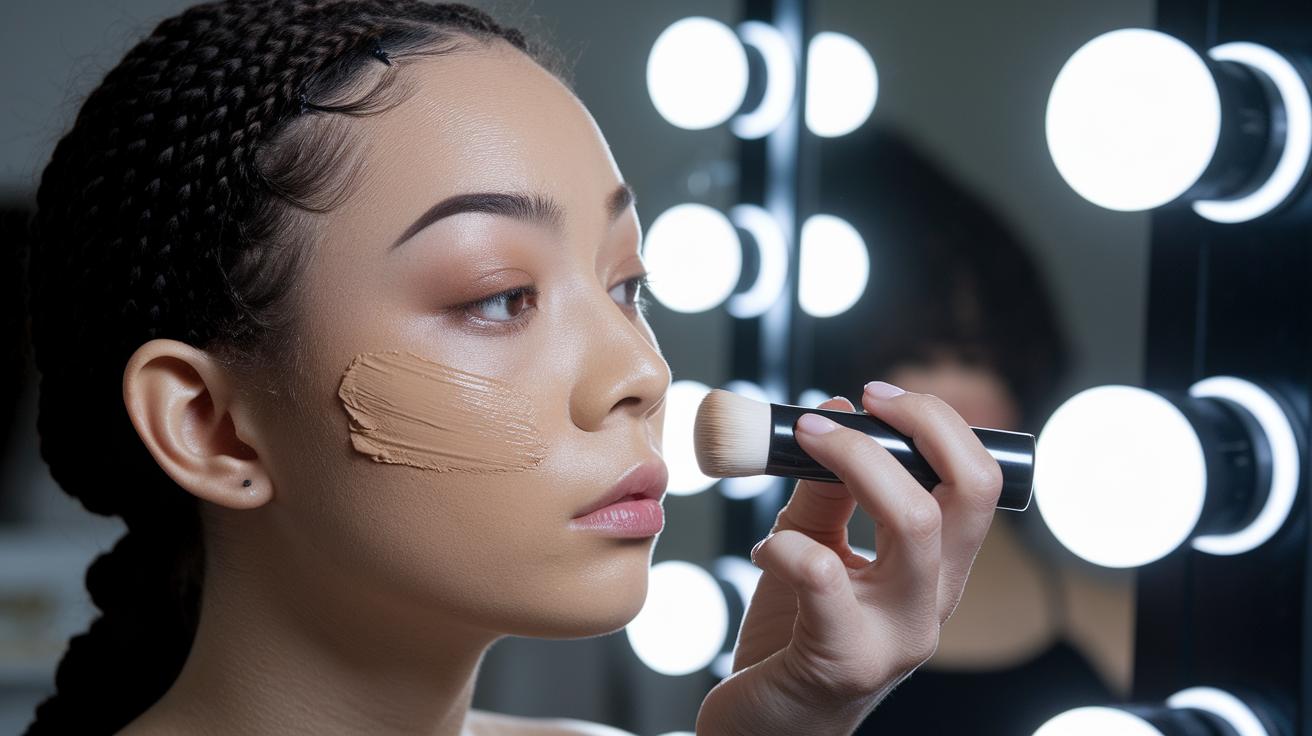
Alabaster products take a refined approach to cosmetic care. They focus on shades that honor very fair, neutral undertones, perfect for those with delicate, light skin. The popular shade 1N00 – Alabaster helps create a natural, almost invisible finish that softens redness and offers a lovely pearly glow. Many cosmetic brands now use this label for foundations and tinted body lotions that not only enhance your complexion but also soothe and moisturize with healing botanicals.
These skincare products for alabaster skin do more than even out your tone. They are packed with ingredients that boost hydration and smoothness, leaving your skin feeling refreshed and cared for. Whether you’re applying a foundation or a moisturizing lotion, you get immediate refinement along with long-term skin health benefits. Here are a few tips for a perfect finish:
- Start with a light, even application so your look stays natural.
- Blend well to keep your skin’s beautiful translucency.
- Finish with a light powder to lock in a dewy glow.
| Product | Shade Option | Key Benefit |
|---|---|---|
| 1N00 – Alabaster Foundation | Neutral Very-Fair | Seamless coverage with a natural finish |
| Tinted Body Lotion | Cool-Pink Variant | Reduces redness while hydrating skin |
| Tinted Body Lotion | Warm-Yellow Variant | Offers a pearly glow enhanced by healing botanicals |
Final Words
In the action, this article explored the rich history of alabaster skin, linking art, literature, and modern cosmetic advances. The discussion broke down its unique tone, texture, and subtle glow while outlining skincare strategies and makeup techniques designed to protect and enhance this delicate quality. We reviewed product insights that couple scientific detail with time-tested beauty practices. This piece leaves you feeling empowered to make safe, informed cosmetic decisions. Enjoy the process of enhancing your naturally luminous alabaster skin, feeling confident and hopeful every step of the way.
FAQ
What is the meaning and history of alabaster skin?
The term alabaster skin refers to a very fair, almost translucent complexion historically linked to art, sculpture, and biblical imagery of purity. It has evolved into a precise cosmetic descriptor for light skin tones.
How does alabaster skin differ from porcelain and ivory skin?
Alabaster skin typically describes a cool, light complexion with subtle undertones, while porcelain skin emphasizes a flawless, milky finish and ivory skin often has warmer, creamier hues. These terms reflect slight variations in tone.
How does alabaster skin manifest in different genders?
Alabaster skin appears similarly in both men and women, characterized by its light, neutral to soft rose undertones. Differences usually come from individual genetics and lifestyle rather than gender.
What is meant by alabaster skin disease or alabaster skin in adrenal insufficiency?
The term “alabaster skin disease” is uncommon; instead, alabaster skin is a descriptive term. In adrenal insufficiency, skin may alter in tone, so any significant change in appearance should be evaluated by a doctor.
How can I get alabaster skin?
Achieving an alabaster look involves a consistent skincare routine with gentle cleansing, hydrating moisturizers, and daily SPF. Consultation with a dermatologist can help tailor products that maintain light, luminous skin.
What are the four types of skin tones?
Skin tones can generally be categorized into four main types: fair (including alabaster and porcelain), medium, olive, and deep. Each group exhibits distinct undertones that influence cosmetic choices.


