Ever wonder if your skin’s rich tone does more than just look beautiful? Melanin, the pigment that colors your skin, also acts like a tiny shield from the harsh sun. It helps protect your skin and keeps it healthier each day. Think of it as a natural cloak that wards off damage while giving you a bright, vibrant glow. In this article, we'll explore how melanin supports overall skincare and why every skin tone shines in its own special way.
Understanding Melanin Skin: Functions and Benefits
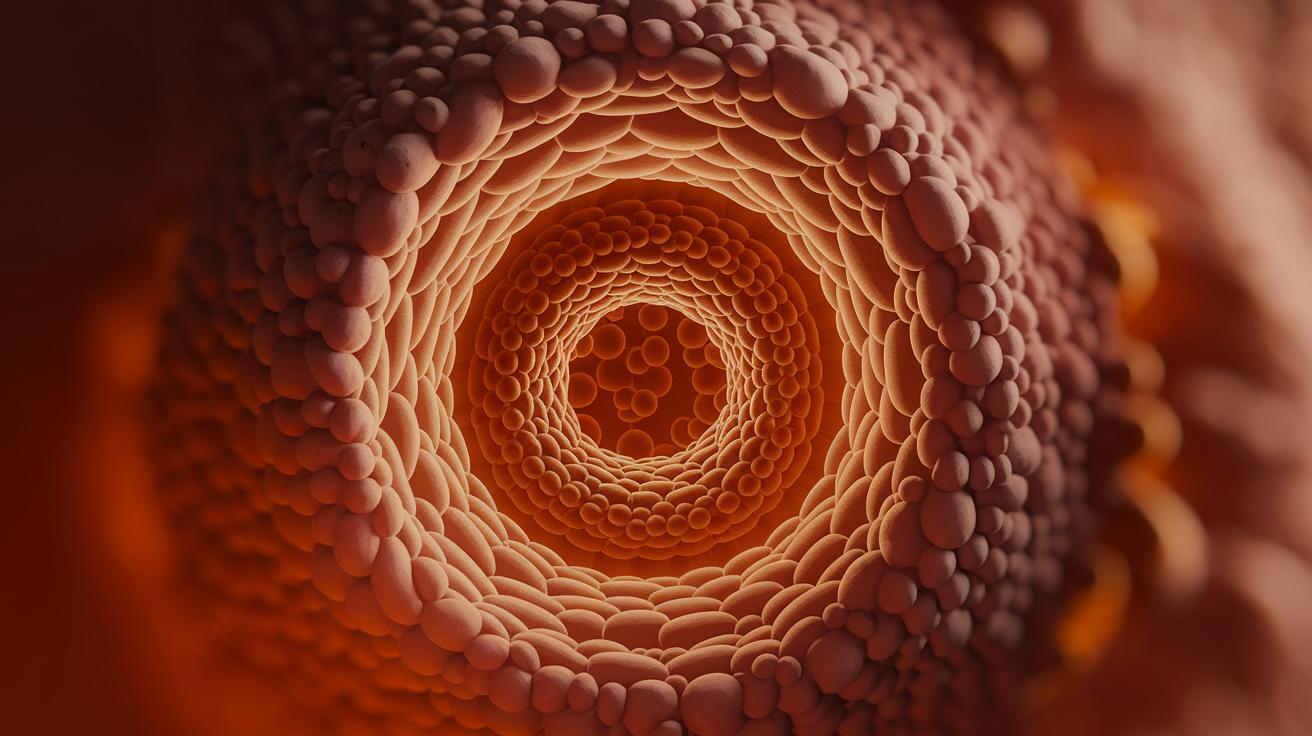
Melanin is a special pigment that gives your skin, hair, and eyes their natural color. It’s made by cells called melanocytes, which live in the outer layer of your skin, the epidermis, that acts as your body’s first defender. Inside these cells, enzymes change a substance called tyrosine into melanin, building a protective shield against the sun’s harsh ultraviolet rays. Think of it like a tiny factory working inside your skin; every melanocyte is busy creating pigment to keep you safe.
Melanin does more than just give you a unique shade, it also helps keep your skin healthy by guarding against the sun’s harmful effects. When your skin is exposed to UV light, melanin soaks it up, lowering the chance of sunburn and long-term damage. This natural shield not only keeps your skin looking vibrant but also supports its overall health. For example, even a light tan might nudge your body into making more melanin, though with its own set of risks.
- Provides a built-in shield against UV rays
- Helps lower the risk of sunburn and related skin issues
- Adds a bright, healthy glow to your skin
- Supports skin care by reducing oxidative stress
- Promotes a more even and balanced skin tone
Melanin is key to skin health because it acts as your body’s natural safeguard while enhancing your natural beauty. Its power to absorb ultraviolet radiation means it plays a big role in protecting you from everyday environmental challenges. In future discussions, we’ll explore more about skin care, including new color care techniques, nutrition tips, and lifestyle changes that celebrate the unique beauty of every complexion.
Genetics of Melanin Skin and Pigmentation Process
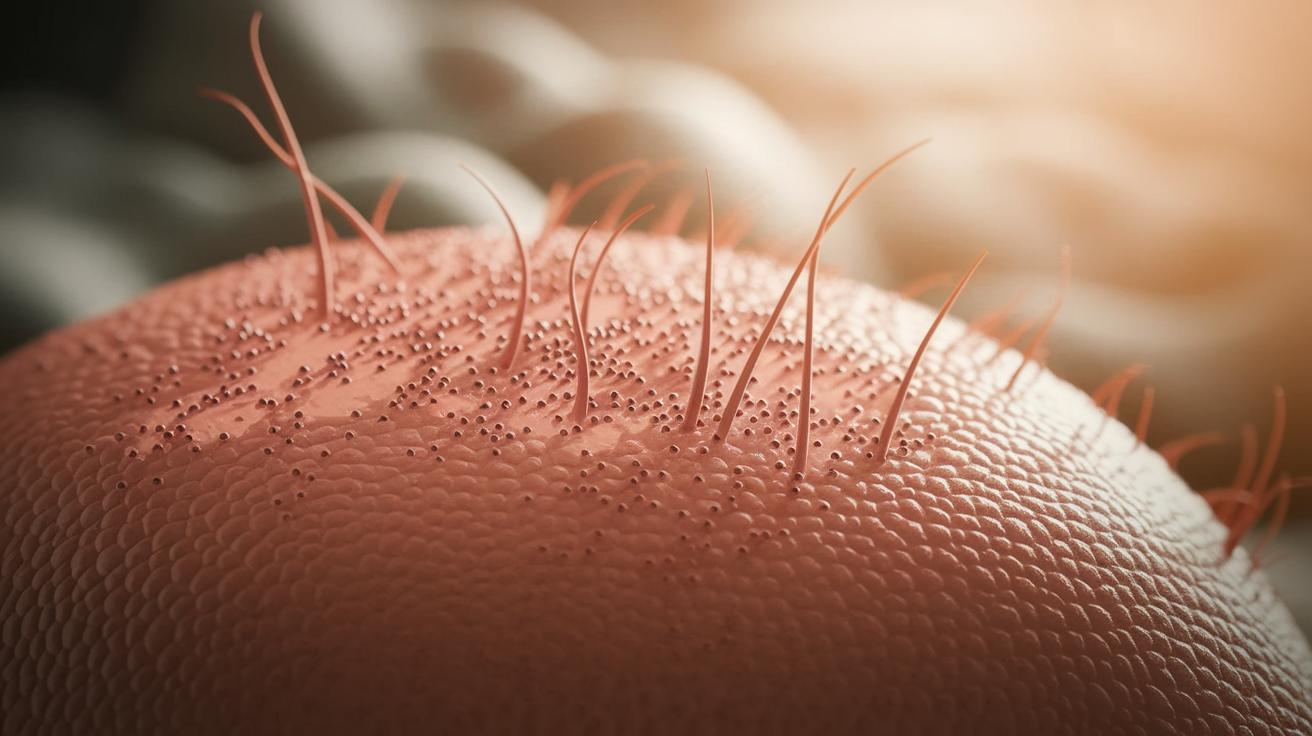
Melanin comes from specialized cells called melanocytes, which live in the outer layer of your skin, the epidermis. Nearly everyone has a similar number of these cells, but the twist is in how much pigment each one makes. Inside these cells, a chain of simple chemical reactions changes the amino acid tyrosine into melanin. Think of these enzymes like little workers in your skin, sparking a process that gives you your unique tone.
Your genes play a big role in deciding how much melanin is made. Even though most people have about the same number of melanocytes, your DNA tells each cell how much pigment to produce. These genetic differences affect both the amount and type of melanin, whether it’s the darker eumelanin or the lighter, reddish pheomelanin. It’s a lot like following different recipes, each with its own mix of ingredients, that result in the beautiful diversity of skin tones we see.
Over time, the sun has played a critical role in shaping natural skin tone. In sun-soaked regions, people developed the ability to produce more melanin to better absorb ultraviolet rays and protect their skin. On the flip side, in areas with less sun, lighter skin evolved to more efficiently make vitamin D. This balance between your genetic code and the environment continues to shape the wonderful variety of skin colors we enjoy today.
Skincare Strategies for Melanin-Rich Skin
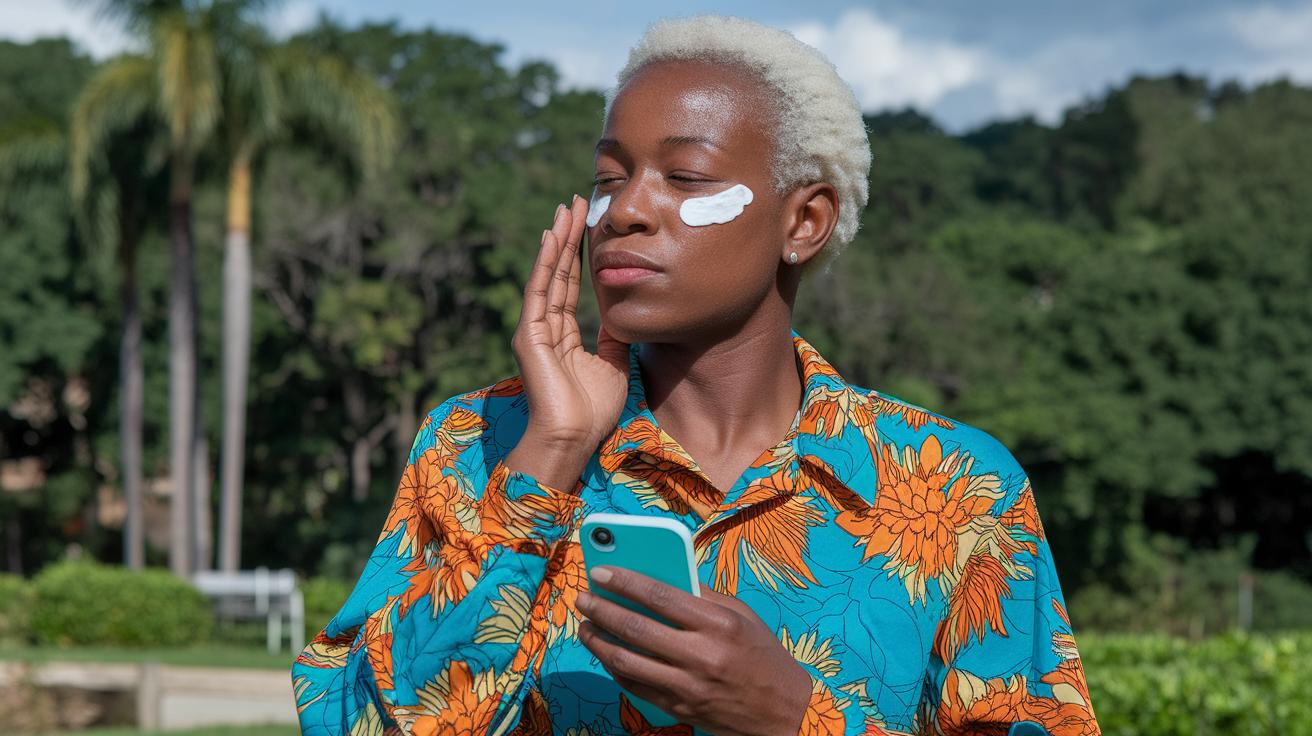
Melanin-rich skin calls for care that honors its vibrant, deep tones. It deserves routines that gently protect while celebrating its natural strength. By mixing smart protection with nourishing ingredients, you can help your skin look its best every day.
Sun Protection for Melanin Skin
Even though melanin gives you a bit of natural sun defense, it’s not a free pass. Use a broad-spectrum sunscreen with at least SPF 30 to really shield your skin from harsh UV rays. And when you head out, throw on some UPF-rated clothing for extra safety. Think of these steps as additional layers guarding an already strong natural barrier, reducing the chance of sun damage and keeping your skin evenly beautiful.
Hydration and Nourishment for Deep Tones
Deep-toned skin loves staying hydrated. A good moisturizer filled with hydrating ingredients and essential oils can lock in moisture and keep your skin soft. Adding an antioxidant serum boosts your skin’s own defenses by countering everyday environmental stress, enhancing its natural glow. Also, using a gentle cleanser helps remove impurities without stripping away those crucial natural oils. This thoughtful approach sets the stage for your skin to absorb all the benefits of hydration and nourishment, keeping it balanced and luminous over time.
Nutritional Support for Melanin Skin: Diet and Supplements
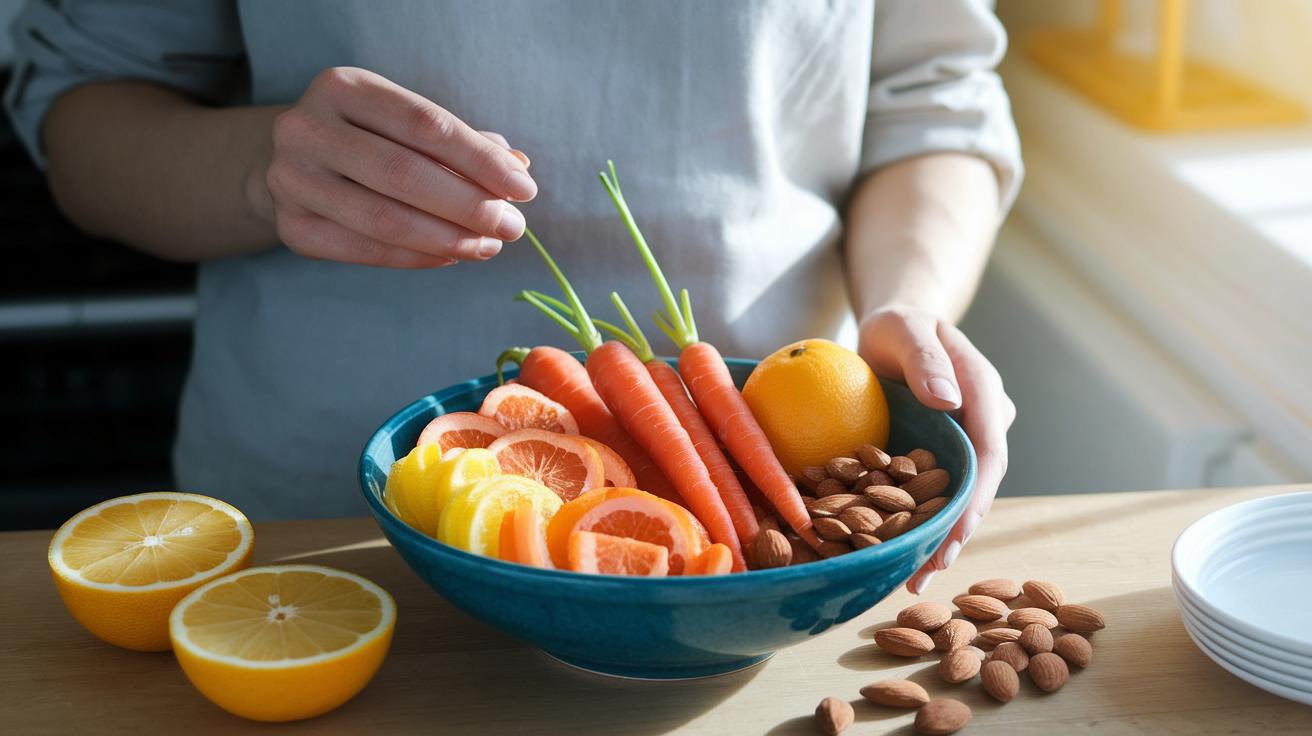
Eating a balanced diet filled with key nutrients can really help boost melanin production and give your skin a natural, healthy glow. Certain vitamins and natural compounds work like little pigment helpers, supporting your skin's built-in defense against sun damage while brightening your complexion.
Vitamins A, C, and E act as powerful antioxidants by neutralizing those harmful free radicals that can hurt your cells. Vitamin E, in particular, is known for helping improve skin tone and overall pigmentation. These vitamins support your body’s natural defenses and may boost the positive effects of the nutrients you consume on melanin synthesis.
Foods rich in beta-carotene, think carrots, sweet potatoes, spinach, and peas, are fantastic examples of natural pigment boosters. They not only add a splash of color to your plate but also provide important nutrients that help maintain a healthy skin tone and a strong barrier against environmental stress.
Herbal antioxidants, such as those found in green tea and turmeric, offer extra protection by bringing in useful flavonoids and polyphenols. These compounds help fend off damage caused by UV rays. And remember, if you’re looking into supplements, it’s best to stick to recommended guidelines and talk with a health expert before starting a new routine.
Melanin skin: Radiant Beauty in Every Tone

Melanin-rich skin is treasured all over the world. It doesn’t just show a range of natural colors, it tells a story of history, pride, and self-expression passed down through generations. Think of it like nature’s canvas, lovingly painted with life’s many experiences.
For centuries, different communities have seen melanin as a sign of beauty and strength. People long ago used natural herbs and oils to bring out their skin’s glow. These time-tested routines mixed care with culture, inspiring even the beauty practices we see today.
Now, melanin-rich skin has a strong voice in modern beauty and media. There’s a new wave of cultural pride that celebrates every hue. Every tone now shines as a mark of heritage and identity, reminding us that beauty comes in many wonderful colors.
Managing Pigment Imbalances in Melanin Skin

For those with melanin-rich skin, dark spots and uneven color can be a real concern. Tanning might boost melanin for a short while, but it also brings more UV exposure, which can make these spots darker. While some natural methods claim to boost melanin, the science isn’t clear yet. Eating a balanced diet loaded with antioxidants and protecting your skin from the sun are key steps to keep your skin looking its best.
Both professional treatments and home care can work well together. Even if your skin has a lot of natural pigment, using a sunscreen with at least SPF 30 is essential. Topical antioxidants, like vitamin C serums, help protect your skin against stress and support a more even tone. And if those stubborn spots stick around, a dermatologist might suggest an exfoliation treatment like a chemical peel, a gentle way to encourage a more uniform skin tone while guarding against further UV damage.
If over-the-counter products and natural fixes aren’t giving you the results you want, it might be time to talk to a specialist. They can help you create a custom skin care routine or even recommend prescription treatments. Regular check-ups and personalized advice not only address current skin concerns but also work to keep your skin healthy in the long run.
Final Words
In the action, we explored the nature of melanin skin, from its creation to its role in natural UV protection and beauty. We looked at genetic factors, practical skincare routines, and even dietary support, all backed by evidence for safe, healthy practices.
This overview brings clarity to each aspect of melanin skin, highlighting simple steps and smart insights for proper care. It leaves us ready to embrace informed, positive choices and celebrate our unique, vibrant skin every day.
FAQ
What is melanin?
The term melanin refers to the natural pigment made in skin cells that gives our skin, hair, and eyes their colors. It forms in the epidermis and plays a key role in protecting skin from the sun.
What is melanin skin cream?
The phrase melanin skin cream describes a product designed to hydrate and even out the tone of naturally pigmented skin. It nourishes and soothes the surface, promoting a balanced, healthy look.
How can melanin levels be reduced in skin?
The question on how to reduce melanin in skin points to treatments like dermatologist-guided lightening agents. These approaches need caution since melanin is essential for shielding the skin from UV rays.
How can one increase melanin production?
The inquiry about increasing melanin highlights practices like safe sun exposure and diets rich in beta-carotene. Such methods might support pigment production, though professional advice is recommended.
What causes dark skin melanin?
The question regarding dark skin melanin notes that a higher melanin yield per cell—driven by genetic factors and evolutionary adaptation to UV exposure—results in naturally darker skin tones.
What is melanin deficiency?
The term melanin deficiency describes a condition where the skin produces less pigment, leading to lighter or uneven tones. This may reduce natural UV defense, so careful management becomes important.
Which foods help increase melanin in skin?
The query about foods increasing melanin highlights that beta-carotene–rich items like carrots, spinach, and sweet potatoes can support natural pigment levels while contributing beneficial antioxidants for overall skin health.
Is it good to remove melanin from skin?
The question on removing melanin advises against it, as melanin is crucial for protecting skin from sun damage and maintaining natural coloration. Reducing it can compromise the skin’s defense system.
How does melanin determine skin color?
The question about what skin color is melanin explains that the natural color ranges from light to dark, based on the amount and type of melanin produced in the skin cells rather than the number of these cells.


