Ever wondered what really happens before your cosmetic surgery? This easy guide shows you step by step how we make the whole process feel safe and simple.
First, you'll talk with a caring expert who listens closely to your hopes and goals. Next, you'll go through a few gentle health checks and tests so everything is set for a smooth procedure.
With each step carefully planned, you'll feel more confident about your decision and understand every detail along the way. This approach helps you know exactly what to expect as you move toward a refreshed, more confident version of yourself.
High-Level Steps in the Cosmetic Surgery Process

Every step in the process is designed to make sure you feel informed and comfortable. Each moment of your journey with your surgeon considers your unique needs and builds confidence along the way. Think of it as a clear, simple map guiding you to a better, more confident you.
- First, you meet with a trusted expert to share what you hope to achieve. This conversation sets the stage for a transformation tailored just for you.
- Next, your overall health is reviewed. Your medical history and readiness for change are carefully checked so you can move forward safely.
- Then comes the preoperative tests, like blood work and imaging studies. These tests gather important details about your health to help plan your surgery.
- After that, your doctor checks for any health issues that might need special attention. This careful look at your conditions makes sure your safety is the top priority.
- In the procedure design session, advanced 3D imaging brings your ideal look to life. It’s a chance to see a realistic preview of your new appearance.
- Following this, you and your team select the best anesthesia plan. The goal here is to choose an option that keeps you comfortable and confident throughout the procedure.
- Then, you’ll review and sign consent forms. This means you understand every detail of the surgery and agree with the plan.
- The surgery itself happens in an accredited operating suite staffed by professionals committed to high safety standards.
- Finally, a plan for recovery and long-term care is created. This thoughtful guidance helps you heal well and enjoy lasting results.
Preoperative Preparation and Medical Clearance in the Cosmetic Surgery Process

Before starting your cosmetic procedure, you'll have a thorough checkup of your overall health. Your primary care doctor and plastic surgeon will chat about your medical history and any worries you might have. You might need simple lab tests, like a complete blood count and metabolic panel, plus imaging tests such as ultrasounds or mammograms to make sure everything is in tip-top shape.
Next, you'll undergo a detailed diagnostic review to spot any hidden problems. Often, an ECG (a test that checks your heart's rhythm) is done to ensure your heart can handle the stress of surgery. There's also an emotional readiness check to see if you're mentally prepared. Sometimes, your doctor might suggest small tweaks in your lifestyle or diet to help you get in the best shape before the procedure.
Taking care of your mindset is just as important as preparing your body. The emotional check helps ensure you understand the process and have clear expectations. Simple changes in how you eat or exercise might be recommended to boost your recovery. This step-by-step preparation lays a solid foundation for a safe and positive cosmetic surgery experience.
Procedure Design and Surgical Planning in the Cosmetic Surgery Process

Visual Planning and Simulation
First, your surgeon uses 3D simulations and before-and-after photos to show you a preview of your new look. It’s like looking into a digital mirror that gives you a gentle glimpse of your future appearance. This clear display helps you understand what results are possible and sets the stage for an open, friendly chat about your goals.
Technique Selection and Blueprint
Next, your surgeon creates a custom treatment plan. This plan clearly outlines where incisions will be made, the types of implants or graft materials needed, and even the specific patterns for fat removal (like in liposuction, which uses suction to remove extra fat). Think of it as drawing up a blueprint for your own custom home, every little detail helps build the perfect result. Together, you’ll go over different options and decide on the best way to shape and enhance your look.
Instrumentation and Technology Integration
Finally, modern techniques are combined with high-tech tools to achieve the best outcome. Surgeons use instruments like endoscopes (tiny cameras that help see inside the body), laser-assisted lipoplasty devices, and digital measuring tools to ensure everything is balanced and just right. Imagine putting together a puzzle with precision tools, each piece fits carefully into place for a beautiful, harmonious finish.
Anesthesia Planning and Intraoperative Safety in the Cosmetic Surgery Process

Choosing the right anesthesia plan is really important for a safe and comfortable procedure. There are options from local anesthesia with light sedation, which numbs just the area while calming you, to full general anesthesia that puts you completely to sleep. Surgeons review your health details, like any allergies or sensitivity around the airway. Imagine the gentle buzz of a calm sedation that keeps discomfort far away.
In the operating room, safety is the top priority. The team follows strict checklists from the American Society of Anesthesiologists (ASA) to make sure every tool and protocol is ready. Devices like EKG machines that track your heartbeat and pulse oximeters that check your oxygen levels work together to give a clear picture of your well-being. This close watch helps the team spot any changes right away.
Throughout the surgery, extra steps help prevent errors. The crew uses a timeout process to double-check every detail before moving forward and constantly looks out for any risk factors. These careful checks and balances work together to boost patient care and ensure a smooth, safe experience.
Post-Procedure Recovery and Care in the Cosmetic Surgery Process

After your surgery, you'll follow a clear plan that helps you return to your daily routine. Most people find they can get back to their normal schedule in 3 to 7 days, though more involved procedures might need 4 to 6 weeks.
Your recovery plan focuses on managing pain and keeping scars to a minimum. Doctors may suggest using a mix of pain relievers like NSAIDs (which help ease pain) and short-term stronger painkillers. They also recommend starting scar treatments like silicone sheets and gentle massage from the second week. Plus, most patients begin a light physical therapy routine in the first week to improve movement and build strength.
| Phase | Duration | Key Actions |
|---|---|---|
| Early Recovery | 3–7 days | Rest, gentle movement, basic pain management |
| Intermediate Recovery | 2–4 weeks | Begin physical therapy, start scar treatment, continue analgesia |
| Late Recovery | 4–6 weeks | Advanced mobility exercises, ongoing scar care, follow-up evaluations |
For the best results, it’s important to follow your pain plan and take scar care seriously. Using silicone sheets and doing a gentle massage from week two can really help improve how scars look. Regular check-ins with your care team ensure your progress is on track so they can adjust your physical therapy if needed. For more details on what to expect, check out recovery after plastic surgery.
Risk Assessment and Complication Management in the Cosmetic Surgery Process
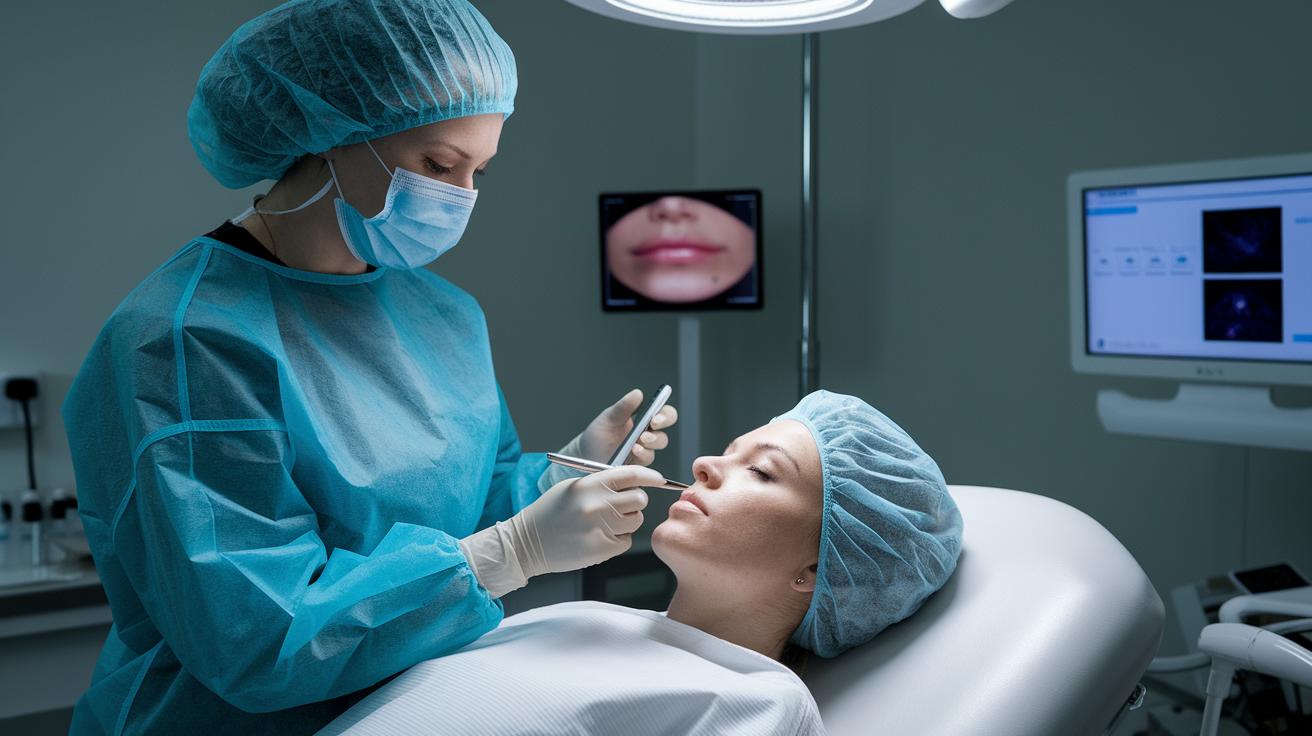
When it comes to cosmetic procedures, safety starts with a careful check of all the risks and possible problems. Many treatments aren’t easily undone, so we work hard to prevent issues by following the best practices from around the world. Even a small bit of redness or slight swelling might be an important hint that a closer look is needed.
Early Complication Detection
Our doctors keep a constant eye out for any signs of trouble like infection, bleeding, or anesthesia issues. For instance, keeping track of your heart rate and blood pressure is like noticing a tiny drip before it turns into a leak. This simple check can help catch a hematoma, infection, or other issues early, just like fixing a small leak prevents a big flood.
Standard Management Protocols
If a complication does show up, our team acts fast using clear and tested steps. We may use antibiotics early on, follow strict cleanliness rules, and have clear guidelines for when revision surgery might be needed. Every team member is ready to react quickly, ensuring any side effects or problems get taken care of fast so you stay safe and well taken care of.
Outcome Evaluation and Expectation Setting in the Cosmetic Surgery Process

After your surgery, follow-up visits are essential to check on your recovery and see if the results meet your expectations. Doctors usually schedule these appointments at one month, three months, and one year after the procedure. They use simple surveys and performance checks to track how well you're healing. In fact, more than 90% of patients have reported being happy with their realistic outcomes. One patient even shared, "At my three-month review, I finally saw the full picture of my transformation."
Support from groups and online forums also plays a big part in making sure you feel confident about your final results. These communities offer a chance to share experiences, learn realistic ways to set your goals, and keep on track with your care. Regular follow-up surveys show positive feedback, ensuring that every cosmetic journey is both confident and fulfilling.
Final Words
In the action, we walked through each phase, from initial screenings and treatment design to anesthesia planning, safety checks, and recovery. We touched on how every step plays a role in building a secure framework for your transformation.
Each phase contributes to a well-prepared cosmetic surgery process that puts safety and satisfaction first. Enjoy the clarity in these steps and embrace the positive path ahead.
FAQ
Cosmetic procedures list
The cosmetic procedures list includes treatments like fillers, Botox, rhinoplasty, and liposuction. Each option is tailored to meet unique aesthetic goals.
Cosmetic surgery cost
The cosmetic surgery cost varies by procedure type, surgeon expertise, facility fees, and recovery care requirements. A consultation can offer a personalized estimate.
Non surgical cosmetic procedures
The non surgical cosmetic procedures available include treatments like injectables, laser therapies, and chemical peels that enhance appearance with minimal downtime.
Cosmetic surgery vs plastic surgery
The cosmetic surgery vs plastic surgery distinction is that cosmetic surgery focuses on enhancing looks, while plastic surgery also involves reconstructive procedures after injury or illness.
Latest plastic surgery procedures
The latest plastic surgery procedures incorporate minimally invasive techniques and advanced technology, resulting in natural appearances and reduced recovery times.
Most common types of cosmetic surgery
The most common types of cosmetic surgery include methods like tummy tucks, facelifts, breast augmentations, and liposuction to address various aesthetic concerns.
Types of plastic surgery for face
The types of plastic surgery for face involve treatments such as facelifts, eyelid surgeries, brow lifts, and rhinoplasty to rejuvenate and harmonize facial features.
Non surgical cosmetic procedures for face
The non surgical cosmetic procedures for face include options like injectables, laser resurfacing, and chemical peels that revitalize skin without resorting to surgery.
How is cosmetic surgery done?
The process of how cosmetic surgery is done starts with a consultation, followed by planning, selecting anesthesia, performing the operation, and then a structured recovery phase.
What is the hardest cosmetic surgery to recover from?
The cosmetic surgery that is hardest to recover from often involves extensive facelifts or body contouring procedures that demand longer healing times and careful aftercare.
What is the most common cosmetic surgery procedure?
The cosmetic surgery that’s most common is often breast augmentation, popular for its effectiveness in enhancing body shape and boosting self-confidence.
What procedure takes 10 years off your face?
The procedure believed to take 10 years off your face is typically a facelift, which smooths wrinkles and tightens skin to deliver a vibrant, youthful look.


