Ever wondered why some Botox treatments leave people looking naturally smooth? Picture a clear guide that shows seven key zones on your face, with every injection carefully planned out. It explains which facial muscles need a touch-up and exactly how many Botox units to use in each area. By following this plan, each injection is precise and safe, helping you achieve a natural, confident look.
botox face map: flawless injection diagram
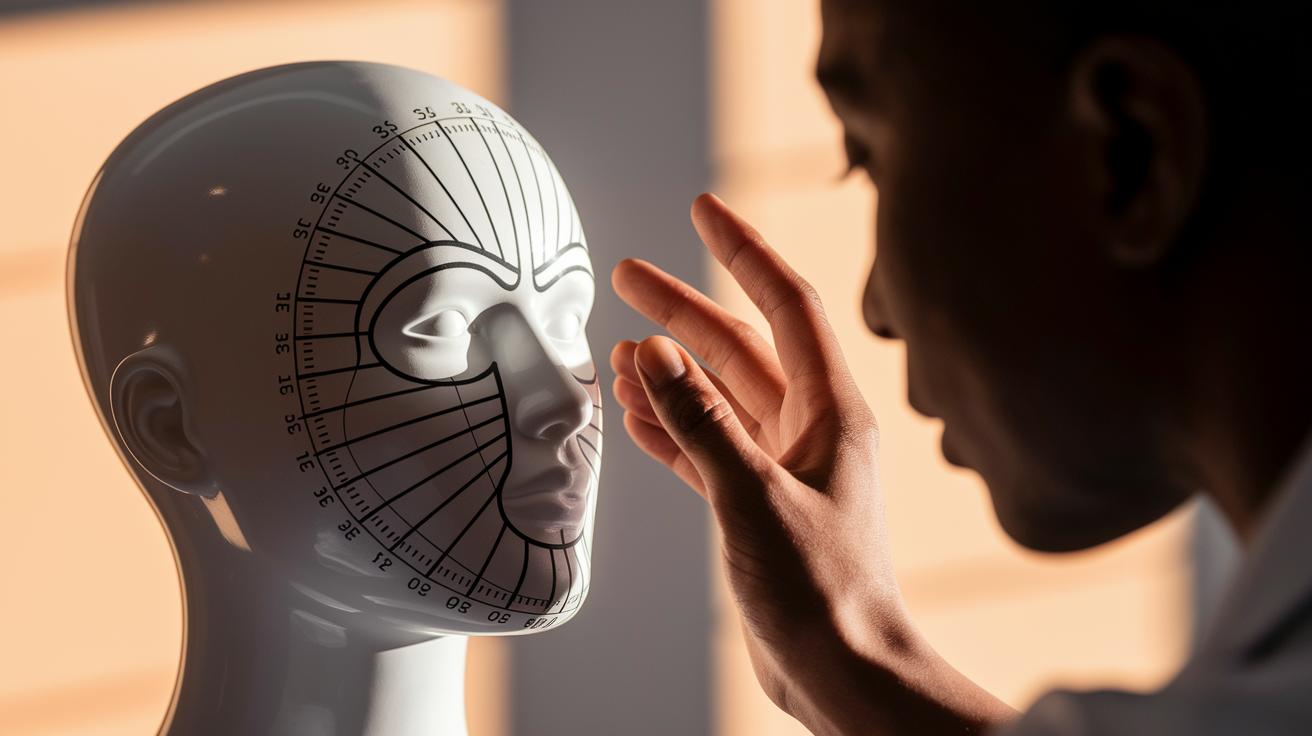
Below is a simple guide that shows you the seven main injection zones, along with the muscle we target and the number of units typically used. This clear layout helps you picture the plan for achieving smooth, natural facial contours.
| Injection Zone | Target Muscle | Recommended Units |
|---|---|---|
| Frontalis | Frontalis (helps lift the eyebrows and smooth out forehead lines) | 10–30 units |
| Procerus | Procerus (creates and softens vertical creases at the base of the nose) | Approximately 5–10 units |
| Corrugator Supercilii | Corrugator Supercilii (drives the frown lines between the eyebrows) | Approximately 5–10 units per side |
| Orbicularis Oculi | Orbicularis Oculi (helps reduce crow’s feet around the eyes) | 5–15 units per side |
| Nasalis | Nasalis (smooths out the fine bunny lines on the nose) | 2–4 units per side |
| Masseter | Masseter (aids in jawline slimming and controls teeth grinding) | 20–30 units per side |
| Mentalis | Mentalis (reduces chin dimpling or an “orange peel” look) | 4–6 units |
There are thirteen other high-risk areas, like the temple and the area just under the eyes, that need extra care during treatment. For instance, when you work on the nasalis, think of it as a precise brush stroke aimed at smoothing out those bunny lines. This guide acts as both a facial injection layout and a detailed blueprint, so clinicians can quickly and confidently identify the key injection sites.
Facial Muscle Mapping for Botox Face Applications

When you're planning where to place Botox on your face, it's important to know what each muscle does. Botox works by gently softening the muscles that form our everyday lines and expressions. This careful method not only smooths wrinkles but also keeps your face looking natural. Think of the frontalis muscle like a gentle elevator for your brows, when you inject it just right, it eases forehead lines without taking away your natural look. Fun fact: early on, doctors discovered that tiny, well-placed doses could significantly soften strong facial expressions.
- Frontalis: This muscle lifts your brows and softens horizontal forehead lines. Accurate injections help you keep natural movement.
- Procerus: This muscle forms vertical creases between your eyebrows. It usually needs very measured doses to calm these lines.
- Corrugator Supercilii: These muscles bring your eyebrows together, creating frown lines. The injection plan focuses on diminishing these deep lines.
- Orbicularis Oculi: This one helps create the crow’s feet around your eyes. Injections here need to be balanced so you still have a genuine smile.
- Nasalis: This muscle causes bunny lines on your nose. Only a small amount is needed in this delicate spot.
- Masseter: Involved in jaw clenching, this muscle is treated with carefully controlled injections to enhance your jawline contours.
- Mentalis: This muscle creates chin dimpling, and targeted treatment helps smooth out your chin’s appearance.
- Platysma: This muscle affects the bands in your neck and the shape of your jaw. Injections here help define the lower face.
Dosage Mapping and Safety Guidelines in Botox Face Map
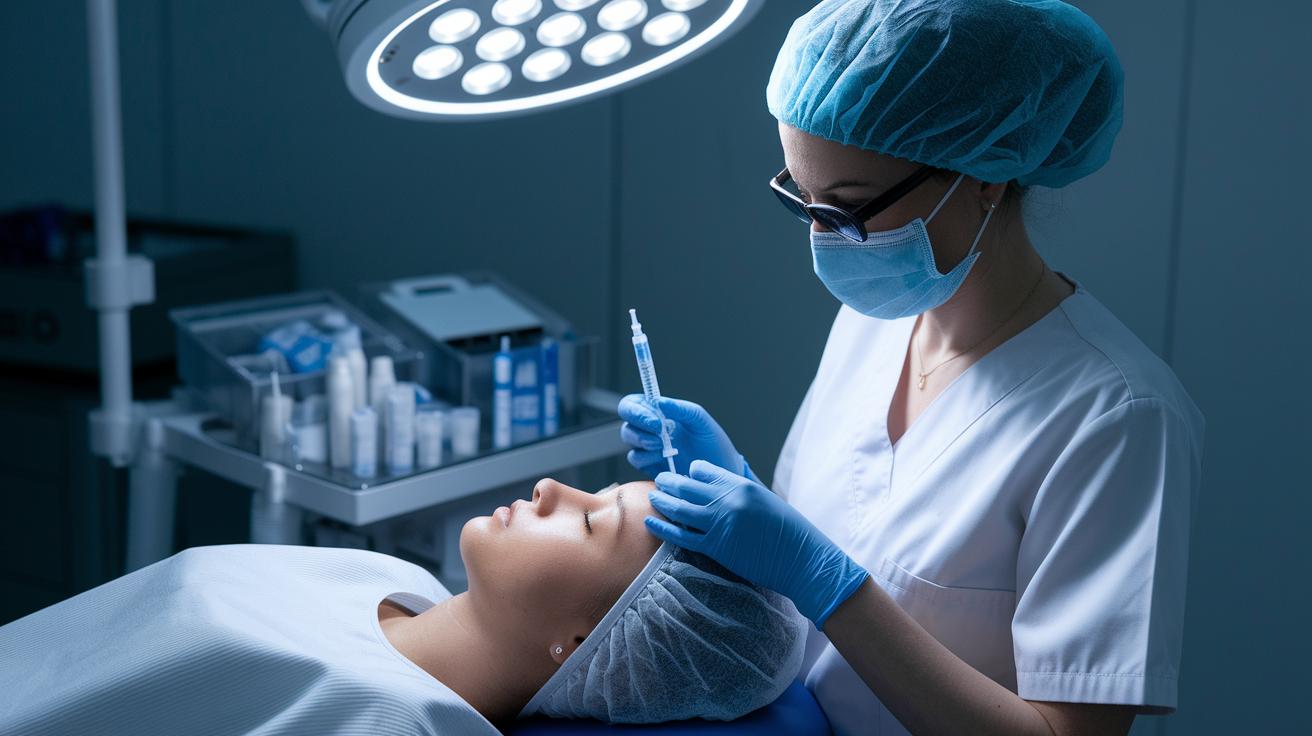
Botox treatments are all about carefully planned doses and strict safety practices. Think of it like a chef balancing flavors, each Botox unit is measured precisely to smooth out wrinkles while steering clear of sensitive areas like the temple and under-eye regions. For instance, treating the forehead (frontalis muscle) involves about 10 to 30 units to ease lines there, while addressing the glabellar area (the space between the eyebrows with the corrugator and procerus muscles) requires roughly 20 to 30 units to soften deep grooves.
When it comes to the area around the eyes, 5 to 15 units per side are gently injected into the orbicularis oculi to reduce crow’s feet without losing a natural look. A light touch of 2 to 4 units per side in the nasalis area can smooth out those little bunny lines. Each injection is placed with care, keeping about a 1 to 2 centimeter gap from important bone landmarks and areas where blood flow could be a concern.
The mentalis muscle gets 4 to 6 units to clear up chin lines, and for the masseter muscle, 20 to 30 units per side help relieve tension and refine the jawline. Special care is given to the platysma, where a higher dose of 20 to 50 units is used to smooth neck bands and clearly define the jaw. Imagine it as piecing together a puzzle: every injection spot and unit is carefully planned to achieve both beauty and safety.
| Muscle | Dosage Range (Units) |
|---|---|
| Frontalis | 10 – 30 |
| Glabellar Complex (Corrugator + Procerus) | 20 – 30 |
| Orbicularis Oculi (per side) | 5 – 15 |
| Nasalis (per side) | 2 – 4 |
| Mentalis | 4 – 6 |
| Masseter (per side) | 20 – 30 |
| Platysma | 20 – 50 |
By merging clear dosage guidelines with safety measures, each Botox injection is performed with precision and care. Keeping these dose ranges in mind and being mindful of the key landmarks helps clinicians deliver great results while keeping risks to a minimum.
Custom Botox Treatment Blueprint Based on Individual Anatomy
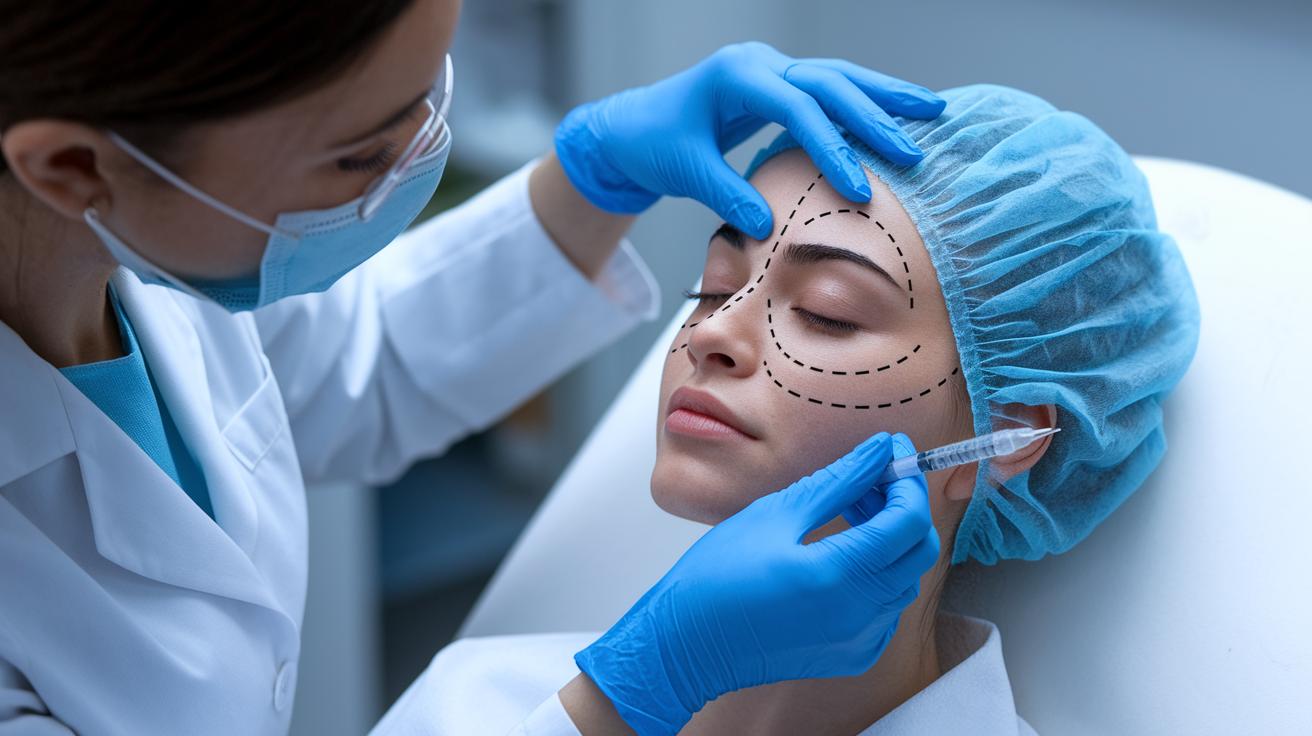
A personalized Botox plan starts with truly understanding the unique features of each face. First, take a close look at the patient's face by checking for uneven features, varying skin thickness, muscle strength, and personal beauty goals. It’s a bit like how early artists made detailed sketches of a subject, capturing every special trait right from the start.
Then, focus on the areas where wrinkles and lines seem most active. These are the spots where muscles work harder than usual. By identifying these zones, you can mark the best points for the Botox injections. Sketching these points on a simple face diagram helps ensure that the results look natural and harmonious with the patient’s unique anatomy.
Finally, fine-tune the treatment by adjusting the Botox dosage based on muscle activity. This careful calibration ensures that every expression remains balanced and true to the person’s natural look. Following the steps of assessing, identifying, mapping, and dosing makes all the difference in developing a custom Botox plan. For those looking for a bit more insight, a short, 10-minute facial muscle tutorial can be a helpful guide in perfecting your blueprint.
Printable and Digital Botox Face Map Resources

When planning Botox injections, you’ve got two ways to map out your treatment area. One option is a free, downloadable PDF that you can print and mark by hand. These printable charts show a clear layout with key facial landmarks so you can easily mark where to inject. It’s as simple as using a pen to draw on the chart, much like sketching out a map that fits each patient’s unique features. Fun fact: One med spa even cut down their marking time by using a printout that matched each patient’s individual contours.
Then there are digital mapping tools that bring a modern twist to the process. With these online resources, you can drag and drop injection points right on a digital image of the face. These interactive maps not only save time but also include high-resolution graphics that help explain the precise injection locations to patients.
Key features include:
- Free downloadable PDF charts for manual marking
- Interactive mapping tools with drag-and-drop features
- High-resolution graphics for clearer patient education
Both methods simplify the mapping process, letting you pick the approach that best fits your workflow while keeping patient care front and center.
Optimizing Med Spa Workflow with Botox Face Mapping Tools

Face mapping tools are changing how med spas run consultations and keep records. These smart digital systems automatically build injection charts using preset templates and details from each patient. Imagine a tool that adapts to a patient’s unique facial features like a puzzle designed just for them. In one study, using this setup cut client intake time by 30% and boosted mapping accuracy.
Automated Injection Charting
This clever feature builds detailed injection grids on its own. It mixes clinical information with preset design templates to create a clear visual guide that marks important facial landmarks and injection points. The result is a plan that’s both reliable and repeatable, cutting down on mistakes and ensuring the right amount is used. Think of it like arranging a puzzle where every piece fits perfectly without any guesswork.
Integrated Imaging and Patient Records
Connecting clinical photos to the mapping grid really takes record keeping to the next level. By adding before-and-after photos right onto the digital face map, practitioners can easily track progress over time while keeping records secure. This integration also helps manage patient information and stock in one place, leading to smoother workflows and consistently high-quality treatments, all while following privacy rules.
Final Words
In the action, the guide moves right into detailing facial injection zones and clear Botox unit recommendations. It explains each injection site with care and illustrates how to map injections safely on your face. The discussion covers printable and digital tools that support custom treatment blueprints alongside med spa workflow improvements. With every step, the post ties technical details to real-life applications, building trust and clarity for using a botox face map. Enjoy the fresh insights and feel ready to make confident, informed decisions.
FAQ
What does the Botox face map for female clients showcase?
The Botox face map for female clients outlines key injection zones and helps adjust treatments to each woman’s unique facial features for a balanced, personalized result.
What insights do Botox face map before and after images provide?
Botox face map before and after images show where injections were placed and how treatment improved lines, helping both patients and practitioners visualize the change.
What resources are available for free printable Botox face charts?
Free printable Botox face charts are available as PDF files and blank forms, making it easy to plan and record injection sites during treatment planning.
What do Botox face chart units signify?
Botox face chart units indicate the amount of product recommended per injection area, guiding practitioners to distribute the correct dose for natural-looking results.
How do you map your face for Botox?
Mapping your face for Botox means assessing muscle movement, marking key injection zones, and planning dosages based on specific treatment goals for effective results.
Where should Botox injections be placed on the face?
Botox injections are typically placed on the forehead, glabellar lines, around the eyes, and in the jawline, using a precise face map to target the muscles that cause wrinkles.
Where is Botox most effective on the face?
Botox works best in areas with active muscle movement like the glabellar lines and forehead, where reducing muscle strength smooths out wrinkles and improves appearance.
What is the rule of 3 in Botox treatments?
The rule of 3 in Botox treatments refers to a technique that maintains balanced injection patterns and consistent dosage distribution, aiming for a natural and refreshed look.


