Have you ever wondered if a computer could detect skin issues like a seasoned specialist? Today’s smart systems in dermatology are turning that possibility into reality. They carefully study detailed photos, spotting tiny changes that might slip past even the most vigilant human eye.
These clever programs mix your health history with subtle skin clues to craft treatments that feel just right for you. It’s a bit like chatting with a trusted expert who tailors advice specifically to your needs.
In this article, we’ll take a closer look at how this breakthrough technology is paving the way for faster, better care, helping you achieve healthier-looking skin.
How AI Enhanced Dermatology Transforms Modern Aesthetic Treatments
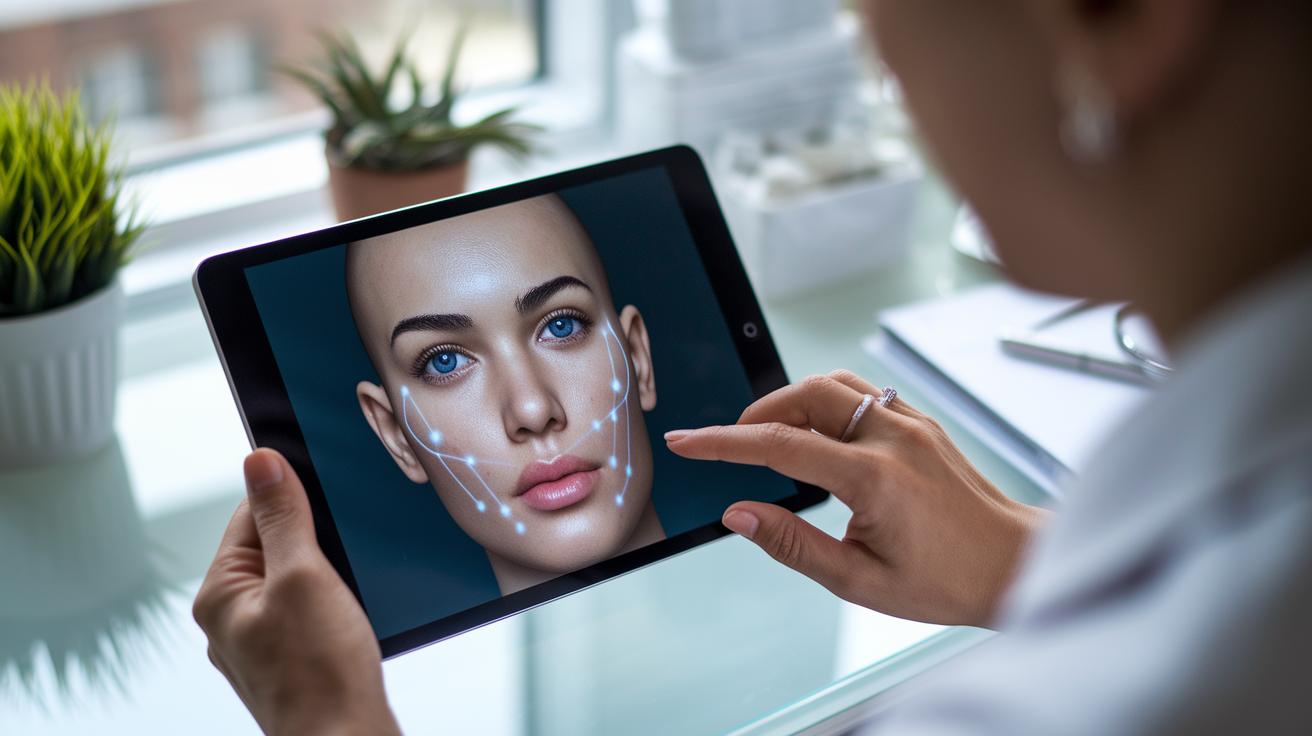
New tech in dermatology is truly changing the game for aesthetic treatments. It uses smart computer programs that learn from tons of images to check skin with great accuracy. These programs walk through high-resolution photos to find things like lesions, rashes, and moles, just like a skilled specialist would. This means issues like early signs of skin cancer can be spotted sooner, giving patients a better chance at quick care.
But it isn’t just about finding problems. AI helps doctors create treatment plans that fit you perfectly. By looking at your health history, genetic clues, and clear photos of your skin, these systems let clinicians tailor care that’s just right for your skin type and concerns. Interestingly, a study from 2023 even showed that AI simulations for patient consultations in nose surgeries scored higher in most areas than some human experts. It’s a neat reminder of how technology is lending a helping hand both before and after treatments.
And there’s more. Remote AI platforms let patients submit pictures that are quickly reviewed, making it easier to get help even if you’re far from a dermatologist. Many practices have started using this method, which streamlines patient care and leads to better outcomes.
All in all, AI is making dermatology smarter, faster, and more personalized. This blend of advanced tools and human care is paving the way for treatments that really work for every skin type.
Core AI Technologies Driving Dermatological Aesthetic Innovations
Modern computer programs using deep learning and computer vision are changing the way we spot skin problems. They break down high-resolution photos and examine moles, rashes, and other skin details with impressive accuracy. It’s like having a trained specialist who studies every little change, ensuring that signs of aging or inflammation don’t slip by unnoticed.
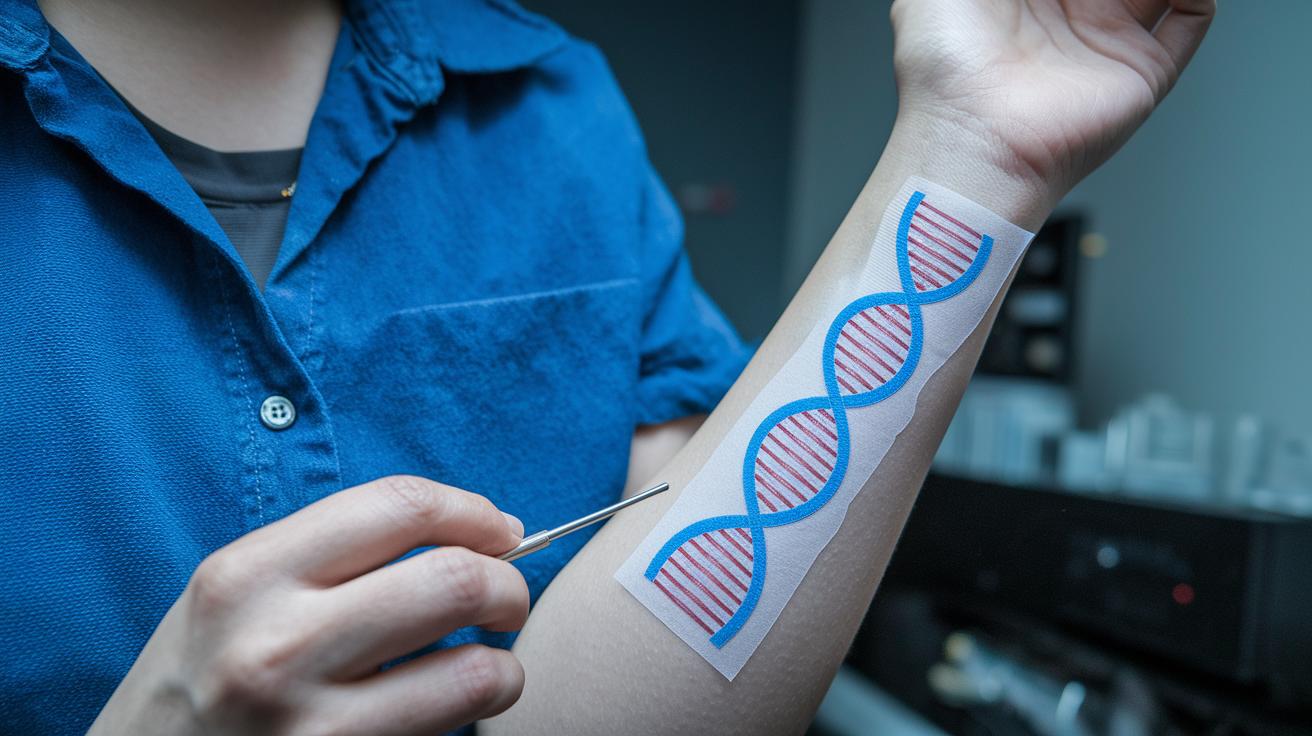
Then there’s epigenetic analytics. For instance, tools such as Mitra Bio use simple tape-based collection and DNA methylation testing to check your skin age, inflammation levels, and sun damage. Think of it as a mini laboratory that listens to the silent messages your skin sends, helping doctors plan treatments that fit your unique needs.
Robotics-assisted systems also add a big boost to treatments. They work with varying levels of autonomy to help surgeons by improving the view during procedures, guiding careful tissue dissection, and even estimating blood loss. It’s like having a precise assistant whose goal is to make every step safer and smoother.
And don’t forget about AI virtual assistants and chatbots. They offer quick symptom checks and friendly follow-up reminders, ensuring that you stay informed and engaged in your treatment process.
Machine-Driven Cosmetic Diagnostic Modeling and Simulation
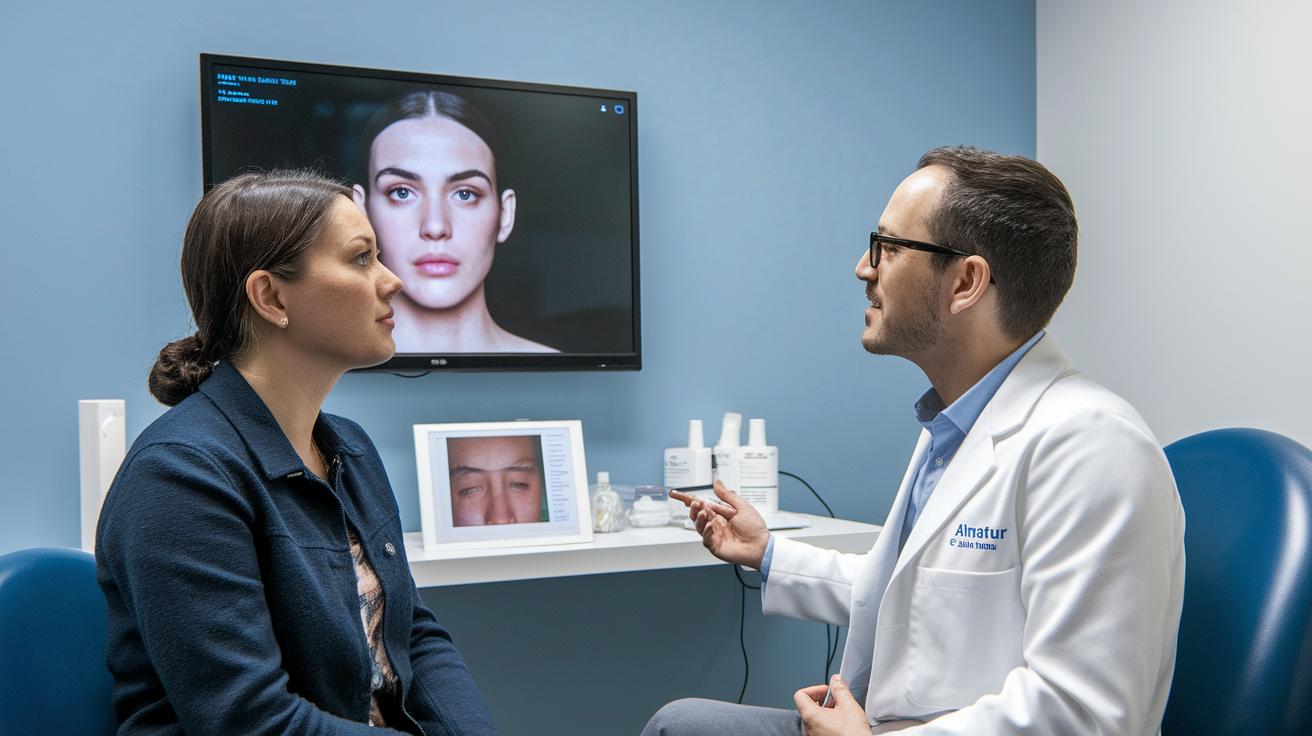
AI is changing how we plan and explain aesthetic treatments by creating accurate simulations of procedure outcomes. A 2022 study found that AI-generated post-rhinoplasty images matched physician assessments 68.4% of the time, compared to 77.3% with traditional surgeon simulations, based on evaluations from 97 experts. This shows that machine-driven models can closely mimic expert opinions and provide clear visual guides for both doctors and patients.
ChatGPT models have been used to simulate patient consultations for septorhinoplasty. In fact, these simulations performed better than human surgeons in three out of four important areas, including accuracy and completeness. Imagine getting a quick, reliable preview of your consultation advice, almost like stepping into a virtual exam room where every response is tailored just for you.
The SLIViT 3D deep-learning framework further demonstrates AI’s promise by cutting down imaging annotation time by 5000 times without losing the precision seen in human experts. This means that doctors can get faster and accurate diagnostics on MRI, CT scans, and ultrasound images, helping them plan complex cosmetic procedures with speed and confidence.
AI-driven marketing also plays a role by creating educational materials and predictive imaging tools that help practices reach more people. This machine-based approach not only supports clinical decision-making but also makes patient education more impactful, paving the way for honest, data-supported conversations in aesthetic care.
Predictive Virtual Monitoring and Early Detection in AI Dermatology
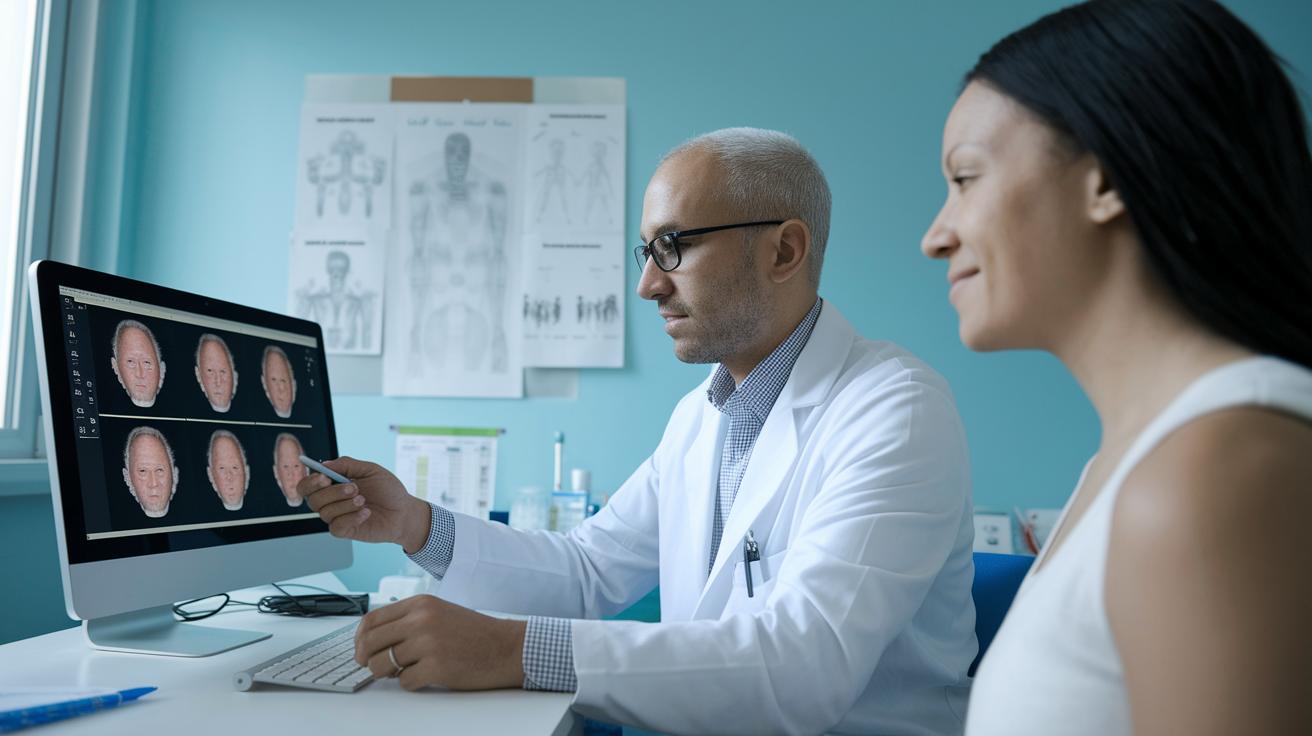
AI reviews thousands of skin photos to catch early clues of melanoma before any clear signs appear. For instance, one study found that tiny changes in lesions were spotted sooner by AI, leading to quicker care than traditional methods.
Predictive virtual monitoring keeps an eye on skin changes all the time. This approach lets doctors compare photos taken over days or even months. It’s a bit like watching a garden, small, steady changes can show when a mole needs extra attention.
Remote AI platforms let you easily send in regular skin photos. Over time, these images build a clear timeline that helps tailor your care as your skin evolves. Plus, these smart systems can even predict when a problem might flare up, allowing treatments to be adjusted swiftly when needed.
Data-Driven Personalized Protocols in Aesthetic Dermatology
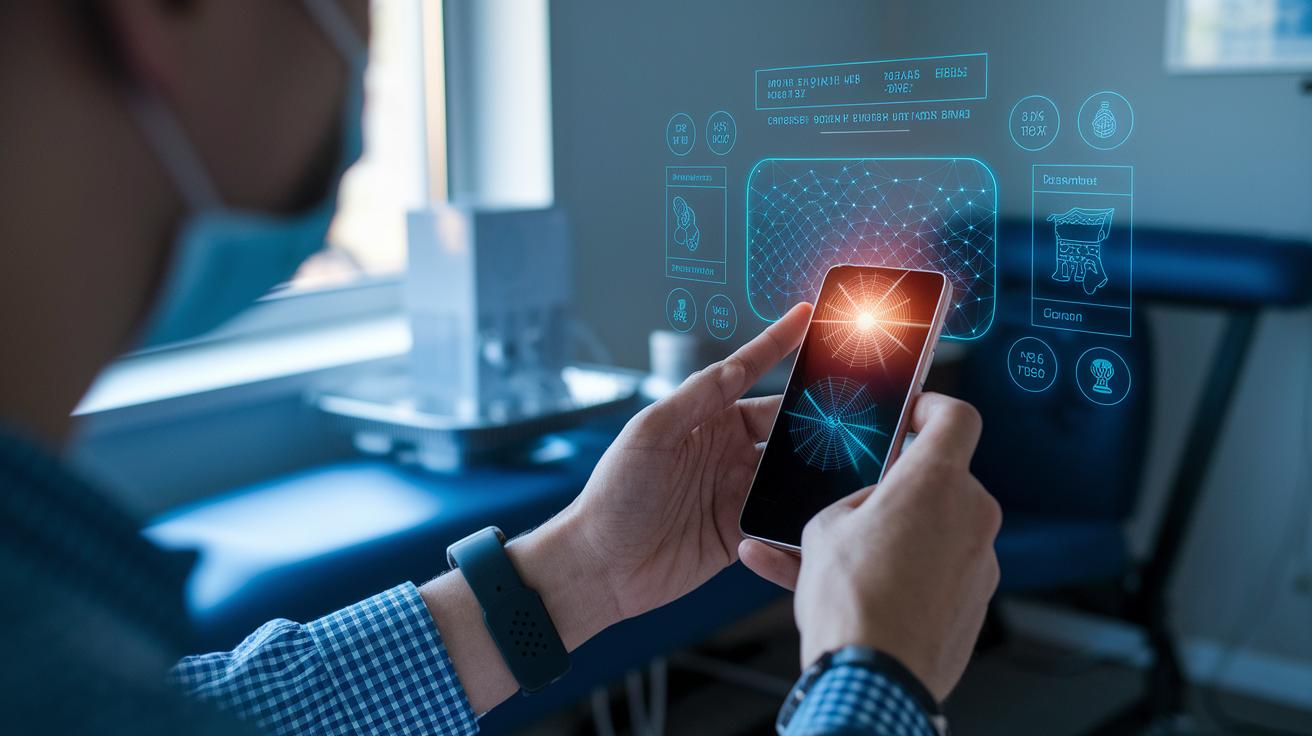
New AI algorithms are changing the game by tweaking treatment plans on the fly. These smart tools pick up tiny signals, like changes in skin moisture or pH balance, and adjust care almost in real-time. One patient even shared that after just four weeks of these ever-evolving treatments, their skin looked noticeably better, a change as smooth as shifting gears in your favorite song.
These modern systems keep learning by weighing data from clinics and wearable devices. Early studies show they adapt to seasonal changes and personal habits, making the treatment plan feel alive and custom-built for you. Today’s tailored AI treatment plans go well beyond fixed advice, offering fresh, detailed insights that truly boost patient care.
Case Studies: Real-World Outcomes of AI-Enhanced Dermatology
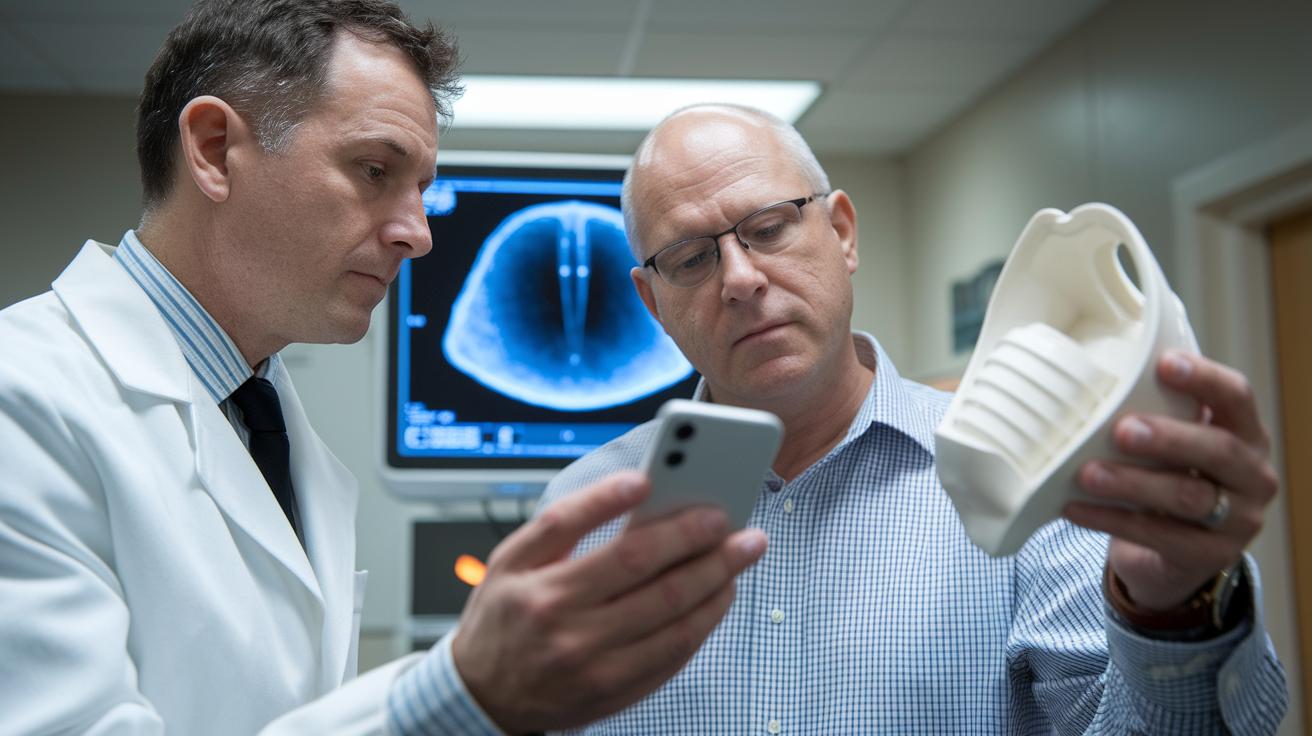
Meticuly's CraNeXt algorithm uses patient CT scans to design personalized 3D-printed implants for both reconstructive and cosmetic surgeries. It lets doctors plan carefully and tailor each implant, kind of like fitting together a puzzle where every piece comes together to give you a naturally balanced look.
After a brow lift, tools like DeepFace AI and FaceReader watch for tiny changes in facial expressions. For example, one patient showed shifts in expressions linked to feelings like disgust and sadness, which helped surgeons adjust their techniques to achieve a more natural result.
Challenges and Ethical Standards in AI-Powered Aesthetic Dermatology

Balancing technology with trust is essential. When AI systems work with sensitive patient images and records, keeping data safe is the top priority. Imagine a patient hesitating to share skin photos because they worry about data breaches. This fear shows why we need strong, reliable security measures.
Another concern is the diversity of data. If the information used to train these systems isn’t varied enough, the results might favor some skin types more than others. This means some patients could end up receiving less effective care. Plus, strict rules and high costs can slow down how quickly these advanced tools become common in clinics.
Ethical guidelines remind us that AI should support, not replace, a doctor’s judgment. A human touch, empathy and personalized care, remains irreplaceable. That’s why regularly testing AI models and training healthcare providers is so important. Together, these steps help ensure that technology enhances clinical care while keeping patient trust at the heart of every decision.
Future Directions in AI Enhanced Dermatology for Aesthetics
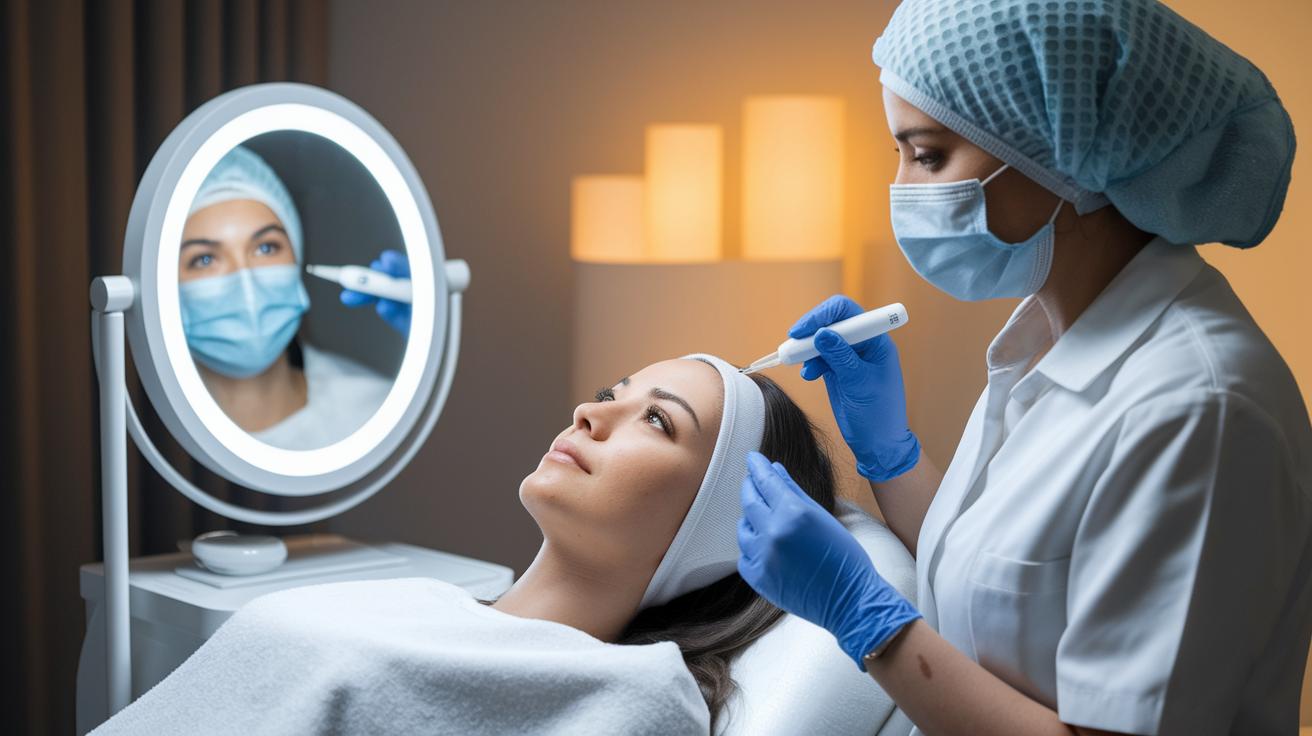
The future of AI in aesthetic dermatology looks very promising and revolves around personalized care. Researchers are now blending genetic, demographic, and environmental details to offer treatment plans as unique as each patient. Imagine a treatment roadmap that’s tailored just for you, considering your personal skin history and background.
Augmented reality is also stepping into the spotlight. Soon, you might have AR-powered consultations that let you preview potential results before starting a treatment. Think of it like holding a digital mirror that shows you a glimpse of your future rejuvenated skin.
Wearable devices are set to change how you keep track of your skin’s health. These gadgets will provide real-time updates, alerting you and your doctor to any new changes or improvements. This means you’ll catch issues early and celebrate progress as it happens.
On top of that, advanced predictive analytics are coming into play, offering a clearer picture of long-term outcomes. These tools will help guide treatment decisions by forecasting how your skin might age over time. Mixed-reality simulations and enriched patient engagement platforms are also on the horizon, aiming to blend modern technology with genuine care.
Overall, we’re moving towards a future where technology not only supports but also enhances the personal touch in dermatology, ensuring that every step feels both informed and caring.
Final Words
In the action, we explored how ai enhanced dermatology for aesthetic treatments reshapes modern skin care. We looked at deep-learning systems that improve diagnostics, personalized plans based on detailed imagery, and smart tools that support patient care from start to finish.
Each section showed how data and technology work together to refine procedure planning and enhance safety. Every breakthrough adds confidence to both patients and professionals as they choose treatments that feel modern, reliable, and safe.
The future shines bright with every innovative step taken in aesthetic care.
FAQ
What is AI in cosmetic dermatology?
AI in cosmetic dermatology improves treatment outcomes by analyzing skin images with deep-learning and computer vision. This technology helps detect skin conditions early and personalizes treatment plans, ensuring better patient care.
How does AI in skincare enhance treatments?
AI in skincare elevates treatment precision by assessing high-resolution images and patient data. It identifies skin issues, forecasts treatment responses, and supports remote monitoring, ultimately refining personalized care.


