Have you ever wondered if your college classes could open the door to a bright future in cosmetic surgery? Think of it like putting together a puzzle, each course and lab helps you build the picture piece by piece. You start with the basics of science, then learn the careful precision needed in the operating room. This hands-on training not only sharpens your skills but also sets you on a path that mixes art, science, and caring for patients. So, are you ready to see how your education can kickstart a rewarding career in cosmetic surgery?
Cosmetic Surgeon Schooling Pathway: Degrees, Training & Certification
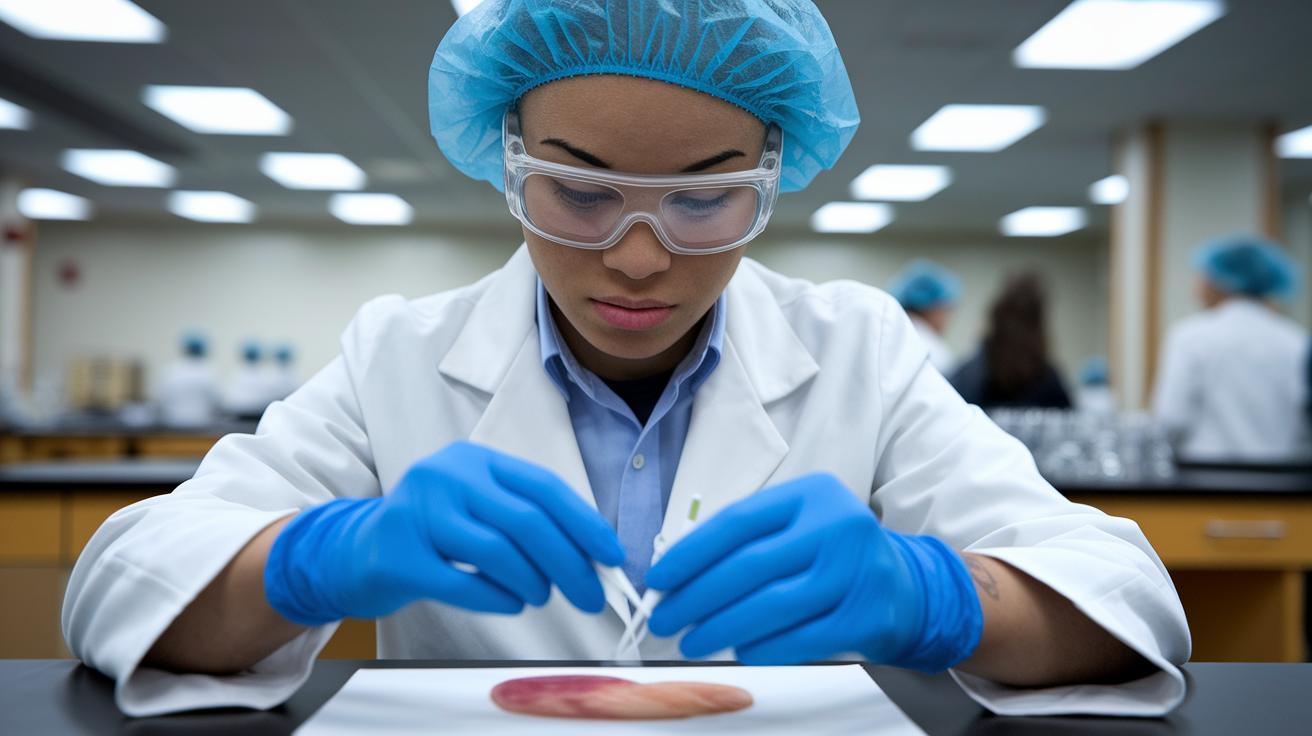
The journey to become a cosmetic surgeon starts with a bachelor's degree. In college, you’ll take key classes like biology, chemistry, math, and physics that help build a solid foundation, kind of like putting together pieces of a puzzle for your future in medicine.
After your bachelor's, you head into medical school for four years. Here, you work toward an MD (allopathic) or DO (osteopathic) degree, learning broad clinical skills and getting introduced to both reconstructive and cosmetic techniques. It’s a busy time where every lecture and lab helps you understand the real ins and outs of patient care.
Next comes a residency program that lasts at least six years. During residency, you polish your surgical skills by tackling tough cases, from repairing birth defects to performing aesthetic enhancements. Think of it as learning to sculpt, where every procedure is a chance to fine-tune your techniques.
The final step is a 1-2 year cosmetic surgery fellowship, where you sharpen advanced procedures like facelifts and liposuction, aiming for precision and artistic excellence. Once you complete your training, you take written and oral board exams from the American Board of Cosmetic Surgery to validate your expertise.
Altogether, from college to board certification, this path spans roughly 12-14 years, marking one of the most dedicated and transformative journeys in medicine.
cosmetic surgeon schooling Sparks Bright Career Growth

Starting out as a cosmetic surgeon means laying a strong foundation in your undergrad years. In college, courses like biology, general and organic chemistry, physics, and math help build the skills needed for later challenges. Many students choose majors like Biology or Biomedical Science to meet pre-med requirements for cosmetic surgery.
From the very beginning, keeping a GPA of 3.5 or higher is key. This solid record not only helps with the MCAT but also makes the journey to medical school smoother. Think of it as training for an academic marathon where balancing lab work and exam prep builds both knowledge and stamina. Fun fact: many top cosmetic surgeons perfected smart study methods even before they set foot in a lab.
Costs also play a major role. Typically, undergrad expenses run about $35,551 per year, which adds up to roughly $142,204 over four years. This timeline not only prepares you academically but also helps build a standout portfolio for your medical school applications.
| Course | Purpose |
|---|---|
| Biology | Understanding life sciences |
| Chemistry | Building analytical and lab skills |
| Physics | Grasping essential natural laws |
| Math | Sharpening problem-solving abilities |
Medical School Requirements in Cosmetic Surgeon Education Programs
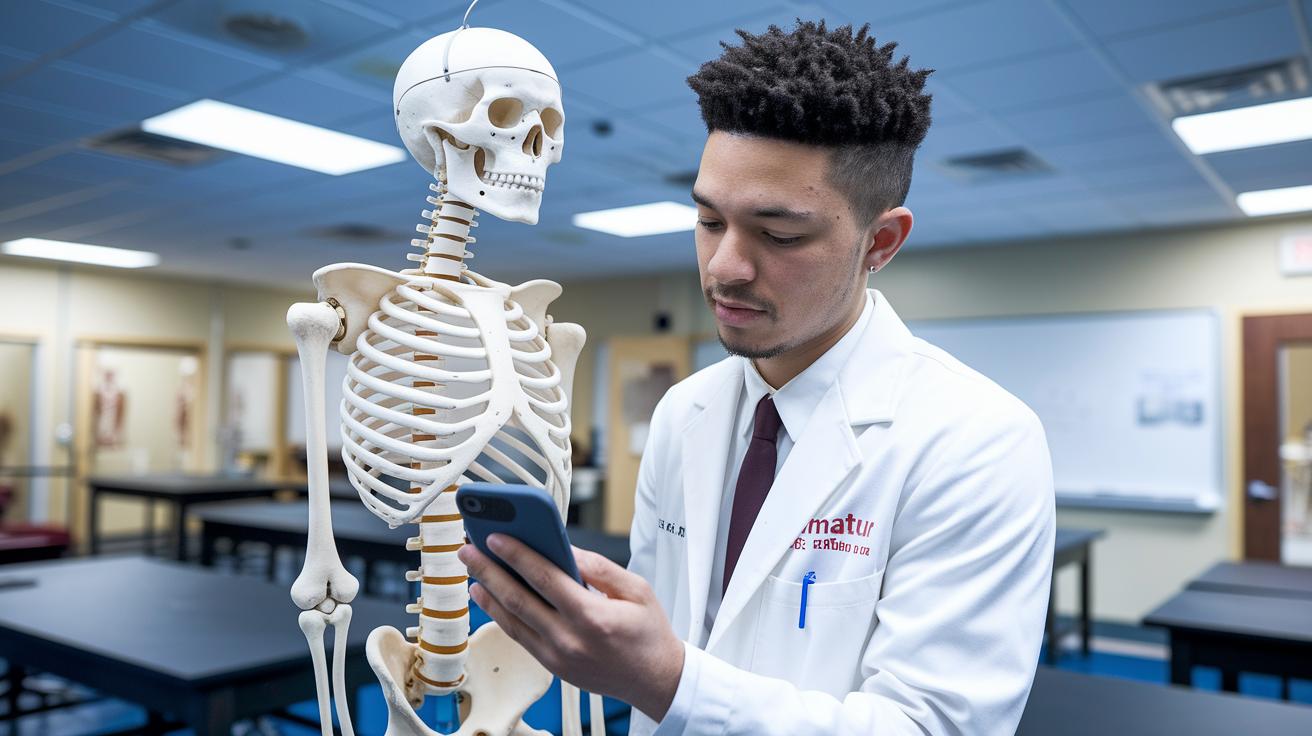
Getting started in cosmetic surgery begins with medical school. Over four years, students earn an MD (allopathic) or DO (osteopathic) degree. Accredited programs, LCME for MDs and COCA for DOs, make sure every course meets strict standards.
In the early years, students dive into basic sciences. They study anatomy, physiology, and biochemistry, laying a strong foundation for everything that follows. It’s a bit like learning to balance on a bike before you pedal quickly down a hill.
Later, students transition into clinical rotations where they put theory into practice. They sharpen their skills in reconstructive and cosmetic techniques while interacting with patients. Think of it as moving seamlessly from drawing a rough sketch to painting a detailed portrait.
It’s also worth noting that the financial commitment is significant. With tuition averaging around $218,792, the cost covers not just classroom and lab instruction but also hands-on training. This practical experience is key for earning a limited medical license before stepping into residency.
Hands-On Training: Cosmetic Surgery Internship & Residency Programs

Cosmetic surgery internship programs kick off with a first-year internship that introduces broad surgical basics. In this phase, young surgeons dive into patient care and learn hands-on skills by working with faculty in areas like general surgery, anatomy labs, emergency rooms, and intensive care units. For example, many residents begin by helping to stabilize emergency patients until they build up a strong foundation.
Next comes the residency phase, which lasts anywhere from 5 to 7 years – with at least 6 years required in an ACGME or AOA-approved plastic surgery program. Early rotations focus on general surgical skills, anatomy, and urgent care. It’s a sort of boot camp where trainees learn to fine-tune every detail, whether they’re mastering skin grafts or perfecting flap techniques.
Later on, the focus shifts to cosmetic procedures. Trainees gain deeper exposure to surgeries that enhance body contours and rejuvenate appearances. They apply through the Electronic Residency Application Service (ERAS) and go through the match process with the National Resident Matching Program (NRMP) to secure their spot. Many even compare cosmetic surgeon versus plastic surgeon roles as they sharpen their clinical judgment.
Continuous practice, a range of rotations, and a structured matching process all help build the expertise needed for success in cosmetic surgery. These immersive experiences shape future specialists who blend precise technical skills with a keen artistic sense.
Fellowship Training & Advanced Cosmetic Surgeon Education Programs
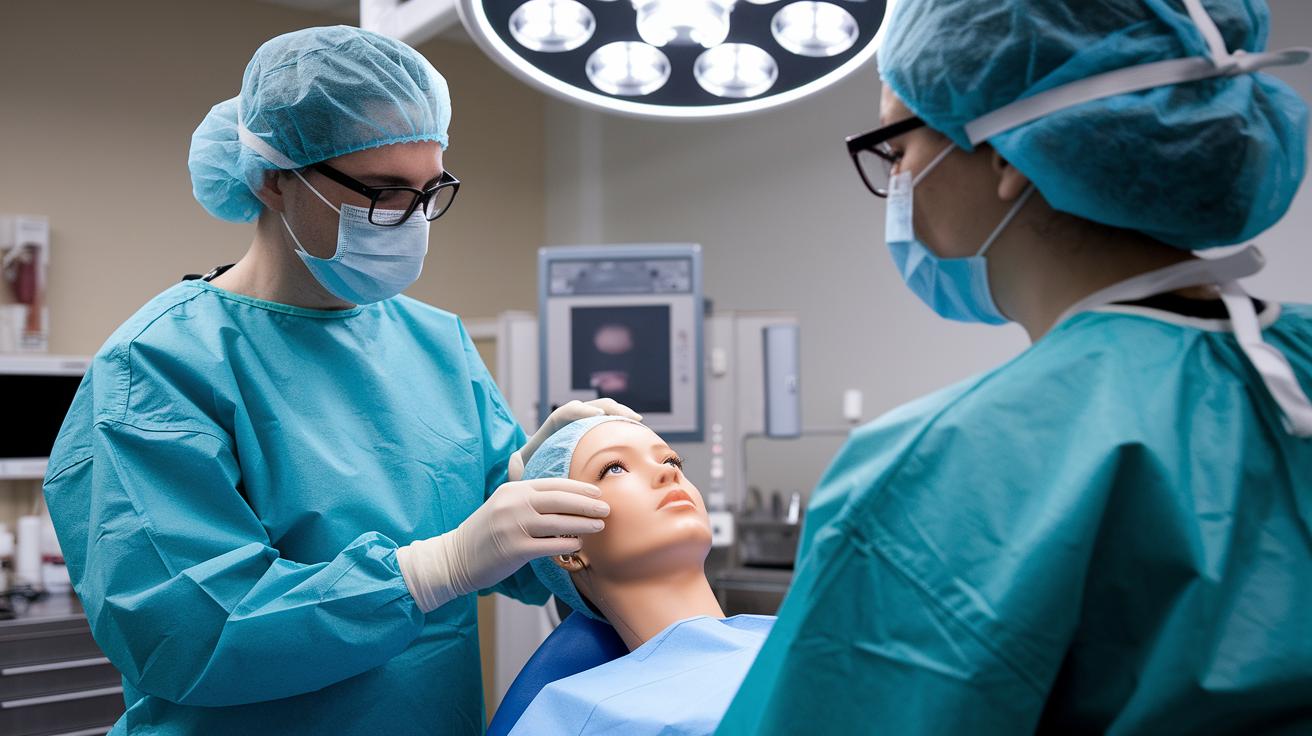
After a tough residency, many cosmetic surgeons choose to spend another 1–2 years in a special fellowship approved by AACS. This advanced training dives deep into cosmetic procedures like facelifts, breast augmentations, and liposuction. Instead of just rehashing the basics, the fellowship helps surgeons polish their skills to reach the highest levels of precision. Picture a facelift: it’s like the gentle, careful brush stroke an artist uses to perfect a painting.
Getting into these fellowships is very competitive. Candidates need strong recommendation letters and must perform well during interviews, much like an audition where every detail matters. Plus, many programs offer unique tracks such as facial plastics, hand aesthetics, and injectables. This allows surgeons to zero in on areas that match their interests and career dreams. Overall, this advanced training not only boosts their clinical skills but also prepares them for future leadership in the world of cosmetic innovation.
Cosmetic Surgeon Schooling Cost & Duration Analysis

Becoming a cosmetic surgeon is a big investment in both time and money. On average, the total cost comes to about $360,966. This includes around $142,204 for undergraduate studies and about $218,792 for medical school tuition. Typically, once you have a strong pre-med background and a solid college record, you step into a four-year medical program.
Even though tuition makes up a large part of the expenses, the earnings you get during residency help ease the financial burden. During a residency, which lasts about six to seven years, you can earn a yearly stipend between $50,000 and $65,000. Many also choose to further their training with a fellowship lasting one to two years, where stipends usually range from $60,000 to $80,000 per year. These incomes can really help cushion the overall costs.
When you add everything up, the training process takes about 12 to 14 years. This includes undergraduate studies, medical school, residency, and sometimes a fellowship. Top programs, such as those at Harvard, Johns Hopkins, or UCLA, offer competitive tuition rates that many compare by these stages.
| Stage | Cost/Salary | Duration |
|---|---|---|
| Undergrad | $142,204 | 4 years |
| Medical School | $218,792 | 4 years |
| Residency Stipend | $50k–$65k/year | 6–7 years |
| Fellowship Stipend | $60k–$80k/year | 1–2 years |
Board Certification & Licensing Requirements in Cosmetic Surgeon Schooling

Completing your residency and fellowship is just the beginning. Once a cosmetic surgeon finishes an ACGME or AOA-approved residency and an AACS-certified fellowship, they move on to a crucial step: passing both written and oral exams from the American Board of Cosmetic Surgery. These exams show that the surgeon has the practical skills and deep knowledge needed to perform aesthetic procedures safely and effectively.
After passing these tests, the surgeon then needs to get a state medical license. This means meeting ongoing requirements like continuing medical education (CME) so they stay updated on the latest techniques and safety standards. Here’s an interesting fact: Many accredited boards require certification renewal every decade to ensure that cosmetic surgeons remain at the forefront of medical innovation. Recertifying every 10 years through continuous education and regular updates is how they prove they're always ready to offer top-notch care.
In the end, certification isn’t just a formality, it’s a commitment to continual learning and excellence. It builds patient trust and shows that a surgeon is dedicated to evolving along with the latest advancements in the field.
Mentorship & Continuing Education in Cosmetic Surgeon Schooling
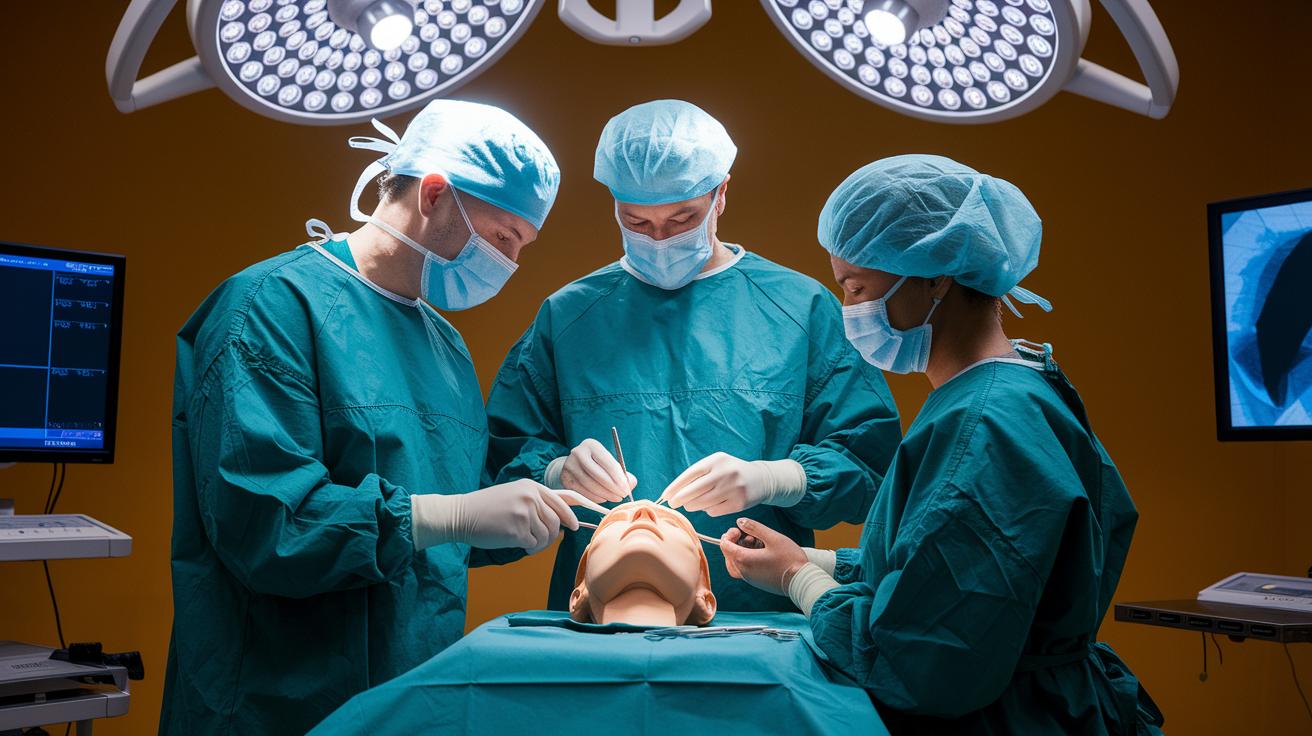
Working side by side with experienced cosmetic surgeons does more than offer advice, it builds real-life skills that you can feel. Mentorship programs give new surgeons one-on-one help, letting them sharpen techniques and grow confident in making clinical decisions. Often, mentors share personal stories, like how a small change during a procedure made all the difference in a patient's recovery, showing the power of learning by doing.
Learning doesn't stop once training is over. Many professionals take part in continuing medical education through workshops, conferences, and hands-on simulation labs. These sessions let surgeons practice the latest methods, whether it's perfecting a filler technique or mastering a laser treatment while feeling the subtle hum of the equipment.
Flexible learning is available too, with online certificate courses and distance-learning modules. Digital platforms offer virtual classes and simulation labs that cover new topics such as AI imaging (using computer technology to create detailed images for better treatment planning) and injectable simulators. In fact, some courses help integrate AI into everyday practice, so surgeons can keep up with technical advancements.
Networking with groups like ASPS and AACS opens even more doors. These specialty societies promote collaborative learning, professional growth, and exposure to new research and technology, all of which are key for a long and thriving career.
Final Words
In the action, this article traced the key steps of cosmetic surgeon schooling from undergrad prerequisites to board certification. It covered essential training phases, including residency and fellowship, while highlighting the balance of academic rigor and hands-on experience. The discussion also broke down the costs, duration, and continuous education that shape a safe and innovative practice. Every stage reflects a commitment to both science and patient care. Embrace your path with positivity and confidence, knowing that informed choices lead to empowering transformation.
FAQ
How many years does it take to become a plastic surgeon in the USA?
The timeline includes a 4-year bachelor’s degree, 4 years of medical school, a minimum 6-year residency, plus a 1–2-year fellowship, totaling about 12–14 years from high school to board certification.
What is the plastic surgeon salary during training and after becoming board certified?
During residency, cosmetic surgeons typically earn between $50,000 and $65,000 per year, while their salary increases considerably once they complete training and achieve board certification.
Where can I find cosmetic surgeon schooling near me?
You can search for accredited cosmetic surgery programs at local universities and teaching hospitals, which often have established pathways for aspiring cosmetic surgeons in your community.
How much does it cost to become a plastic surgeon?
The overall cost can exceed $360,000, with undergraduate expenses around $142,000 and medical school tuition close to $218,000, though residency stipends help offset some of these expenses.
Is it hard to become a cosmetic surgeon?
The path involves demanding academic preparation, rigorous residency training, and challenging board exams, making it a tough yet rewarding career for those who are dedicated.
Do cosmetic surgeons go to medical school?
Yes, cosmetic surgeons complete medical school to earn an MD or DO degree before proceeding to residency and fellowship training in cosmetic surgery.


