Have you ever thought about how a smart device might scan your skin more thoroughly than even our trained eyes? Imagine a digital mirror that checks your skin for hydration, elasticity, and color, all in real time. It picks up tiny details that could easily be missed and gives helpful insights right away.
This kind of tool helps doctors plan treatments that are safe and work just for you. It’s like having an extra set of expert eyes that makes cosmetic care more precise and personalized. Isn’t it amazing how technology can bring a new level of care to something as personal as your skin?
How AI Tools for Aesthetic Diagnosis Enhance Clinical Evaluation
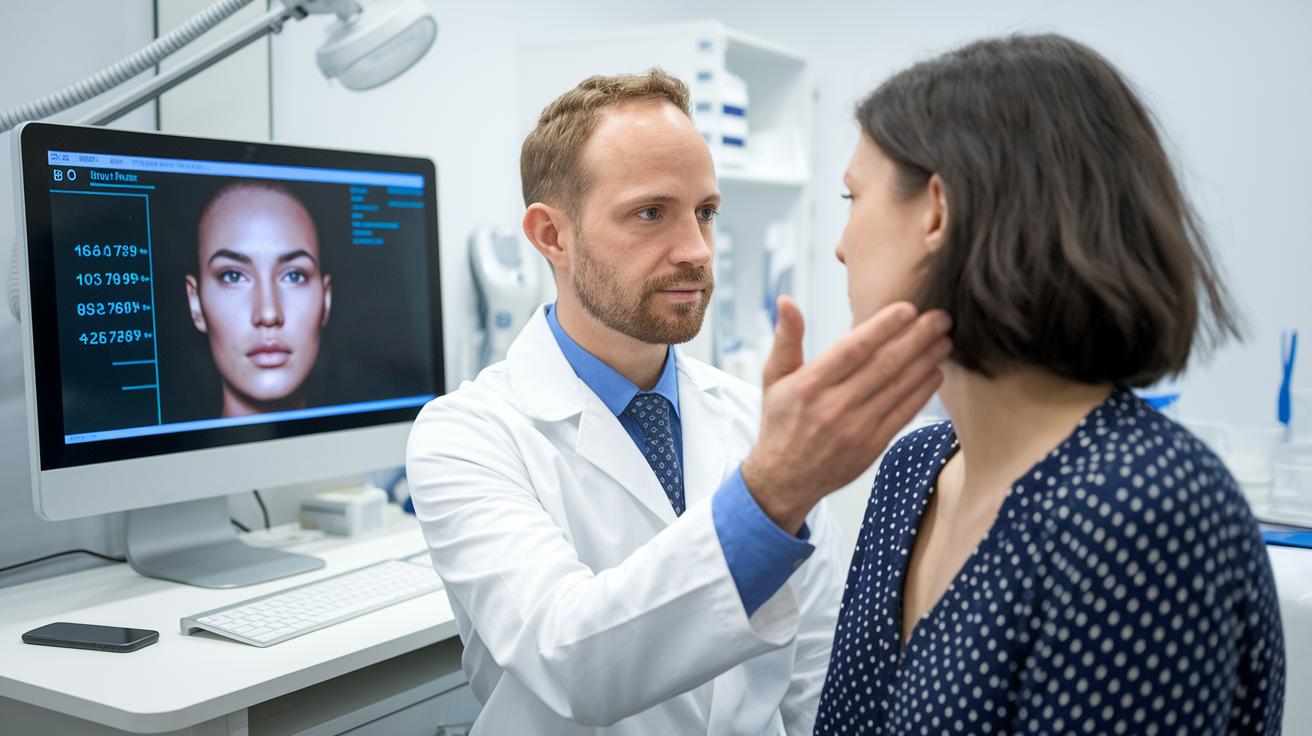
Smart computer programs now help doctors take a clear, unbiased look at your skin and facial features. They gather and process information in real time, which means your consultation can be recorded automatically while key details get flagged for later review. This lets clinicians spend more time planning your treatment instead of scribbling down notes.
These tools combine machine learning with image processing to measure things like skin hydration, elasticity, and color more precisely. They turn evaluations into numbers, cutting down on errors and letting doctors predict how procedures such as nose reshaping or facelift might turn out. Imagine a digital mirror that instantly highlights any uneven spots or concerns on your skin, pretty neat, right?
Some examples of what these smart tools can do include:
- Real-time language models that quickly organize clinical notes as you talk.
- Image software that spots skin issues with up to 95% accuracy.
- Simulators that offer a glimpse of what surgery results could look like.
- Robotic systems that aid in precise tasks, like selecting individual hair follicles.
- Chatbots that handle patient questions and arrange appointments efficiently.
By weaving these technologies into everyday practice, doctors gain a wide range of tools that boost the accuracy of both diagnoses and treatment plans. The clear, data-driven insights allow them to tailor care to each person by measuring skin specifics and forecasting results. This precision reduces guesswork and ensures that every treatment plan can be fine-tuned to meet your unique needs, making your journey to enhanced aesthetics both personal and confident.
Key AI Diagnostic Technologies in Aesthetic Assessment

Today’s AI tools are changing the way cosmetic assessments are done by providing precise, data-based insights. Deep learning face mapping creates realistic 3D images of facial features, letting experts see every curve and contour. Computer vision tools check facial symmetry by examining key landmarks, if you’re curious, you can learn more by clicking the link provided. Neural network diagnostics help too by spotting small changes in skin texture and color from high-quality images. And advanced robotics even play a part in procedures like hair transplantation, carefully selecting individual hairs with incredible precision.
| Technology | Function | Common Use |
|---|---|---|
| Deep Learning Face Mapping | Creates detailed 3D facial images | Volume evaluation |
| Computer Vision Algorithms | Measures facial symmetry | Symmetry analysis and planning |
| Neural Network Diagnostics | Detects fine textural and pigmentation changes | Skin condition assessment |
These innovative tools come together to form a strong framework for clinical evaluations, reducing guesswork and human error. By carefully analyzing facial features and skin details, clinicians can plan treatments that are both precise and tailored to each patient, ultimately enhancing the quality and personalization of cosmetic care.
AI Tools for Precise Skin and Facial Analysis in Aesthetic Diagnosis
These smart systems mix clear, high-quality images with clever computer programs to check your skin and facial features in real time. They look at everything from your skin's overall texture to little details that help doctors make better treatment choices.
Take multispectral skin scanners, for example. They spot tiny differences in things like marks, texture, and color. Some systems even go a step further by measuring how deep your wrinkles are, the size of your pores, damage from UV rays, and even how well your skin stays hydrated. Imagine a camera that picks up the smallest indentations, details that our eyes might miss.
All these measurements are put together into easy-to-read reports. These reports show numbers for things like skin firmness and oil levels. Plus, automated tools can warn doctors about early signs of problems like acne or melasma, meaning treatments can be adjusted quickly and accurately.
Benefits and Limitations of AI in Aesthetic Diagnosis

AI is making a real difference in how we check skin conditions. It’s a tool that helps doctors spot problems quickly, sometimes with up to 95% accuracy. With features like real-time transcription and natural language processing, the tech smooths out consultations, allowing doctors to focus more on you and less on paperwork. Plus, predictive models let patients see a rough idea of what results might look like, which can help ease worries and set realistic expectations.
But there are important things to keep in mind. Many AI tools use third-party cloud platforms that might not fully lock down personal health information. This means meeting rules like HIPAA and FDA standards is absolutely necessary. Also, while AI can pick up on many details, it might miss some subtle cues that only an experienced clinician can notice during a hands-on evaluation. So, while AI can boost efficiency and precision, nothing replaces the careful judgment of a human expert.
Real-World Case Studies of AI Tools in Cosmetic Practices
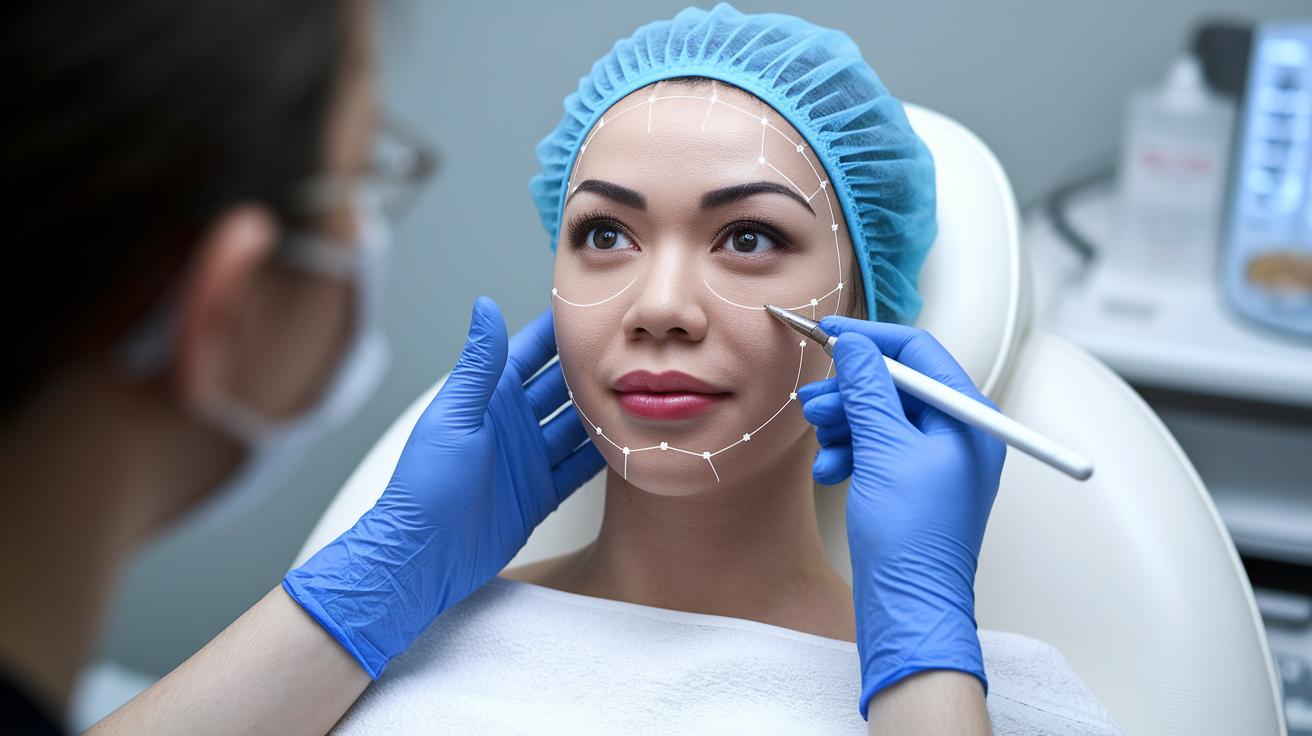
Smart, AI-powered tools are changing how cosmetic practices work every day. These systems offer real-time previews and detailed skin checks, and they help patients see what to expect from their treatments. In short, using AI leads to more precise, faster, and personalized procedures that build trust and improve outcomes.
EntityMed Virtual Consultation
Urban You teamed up with EntityMed to show off how advanced facial scanning and skin analysis can enhance care. The system quickly creates a realistic preview of a treatment, like a facelift or injectables, so patients can see potential results in seconds. It’s as if you’re getting a sneak peek before making a decision. This relaxed, pressure-free virtual consultation makes it easier for patients to decide and sets clear expectations, helping build a strong bond between patient and provider.
Observ Multispectral Skin Scanner
The Observ skin scanner takes skin assessments to the next level by capturing a wide range of skin details. Using multispectral imaging (a technique that uses different light wavelengths), it produces clear, number-based reports on things like pigmentation and skin texture. These detailed insights help doctors spot early signs of skin issues and track how well a treatment is working. It’s like having an extra set of eyes that ensures every treatment is as personalized and effective as possible.
ARTAS Robotic Hair Transplant
ARTAS has revolutionized hair transplants with its robotic, AI-driven approach. This technology uses smart algorithms to choose individual hair follicles carefully. By minimizing human error, it ensures that each hair is transplanted with precision, leading to natural-looking results. Patients enjoy quicker recovery times and better outcomes thanks to this high-tech, thoughtful method. Each of these AI tools, from virtual makeovers to robotic surgeries, shows how technology can improve cosmetic treatments while keeping patient needs at the center.
Integrating AI Tools for Aesthetic Diagnosis into Your Practice
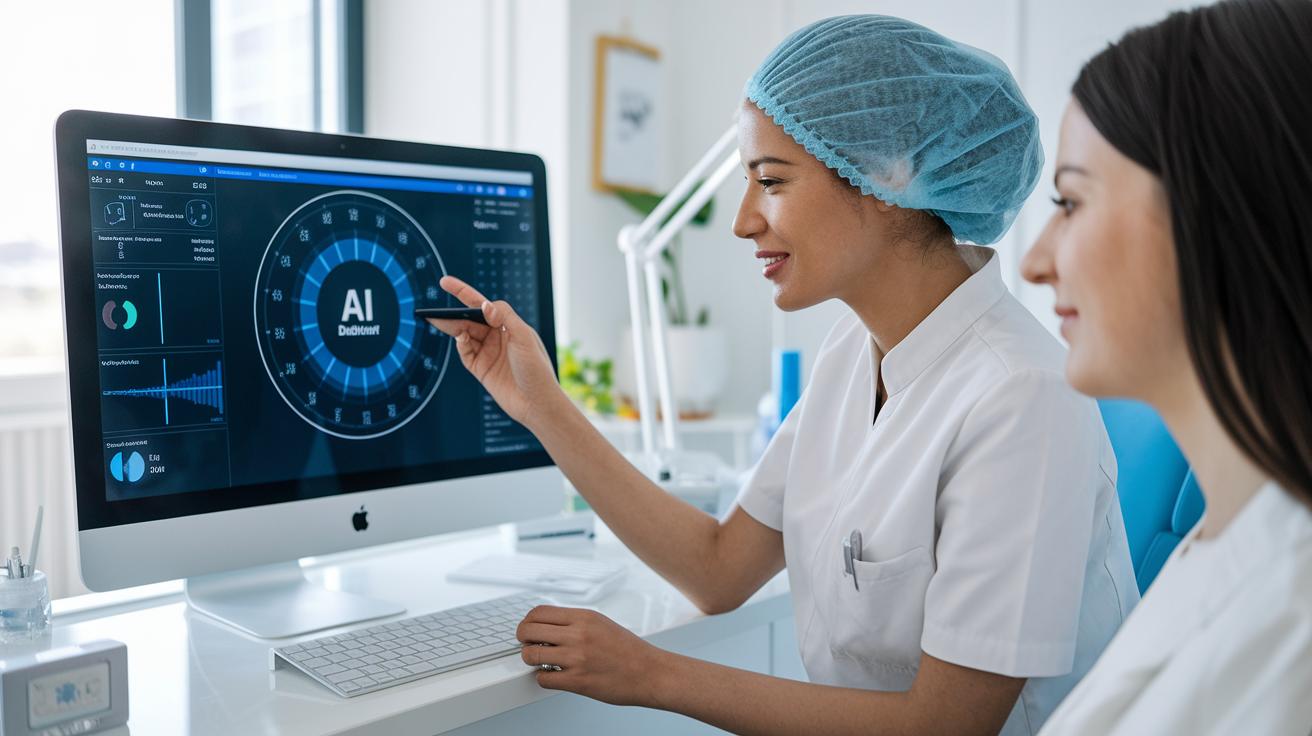
Integrating AI tools into your aesthetic practice means rethinking your everyday workflow to boost accuracy and patient satisfaction. When you map out each step, from that first scan to creating a treatment plan, you gain clear, data-based insights while easing administrative tasks. It all starts by assessing what your clinic needs, then choosing the right platform, training your team well, and securing patient data properly.
Assessing Practice Needs
Begin by looking at how busy your clinic is and who your patients are. Think about where AI could make your daily tasks smoother and better cater to your patients’ needs, kind of like checking every part of a machine to ensure it runs at its best.
Selecting the Right AI Platform
Next, compare different AI platforms. Focus on how accurate their algorithms are, how well they work with your current systems, and what kind of support they offer. Security features are key too. It’s like picking out a tool that fits perfectly with your work; the right choice makes your treatment plans more personalized and efficient.
Training and Workflow Integration
Make sure your team feels confident about using the new tech. Create training sessions that explain each part of the process, from the initial scan and checking the analysis to integrating the report and planning treatment. This way, everyone knows how to use these tools to improve patient care.
Data Security and Compliance
Finally, protect your patients by using secure, HIPAA-compliant encryption and getting their consent for data use. Keep track of important details like how quickly diagnostics come through, patient happiness, and accuracy of outcomes. This steady focus on security and improvement ensures that both your patient care and clinic operations keep getting better.
Emerging Trends in AI Tools for Aesthetic Diagnosis
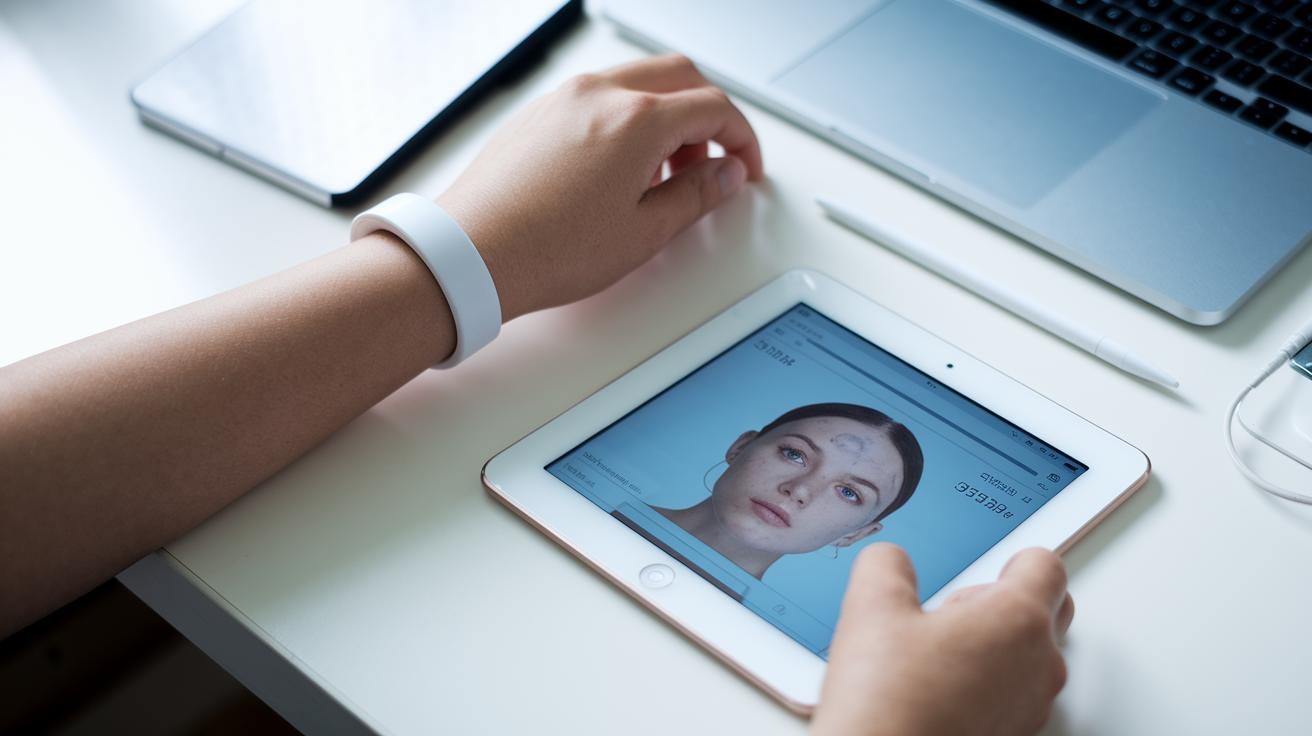
AI is changing the way we care for our skin. New tools blend smart calculations with everyday data about your genes and lifestyle, so treatments can be as unique as you are. Virtual try-ons let you see potential changes before you decide on a treatment, and live analysis during consultations helps your doctor make a more personalized plan. It’s a friendly step toward better, more accessible cosmetic care.
Some exciting trends include tiny wearable sensors that check your skin’s moisture and sun exposure. These little devices offer real-time feedback, so you can act quickly if something seems off. Plus, cloud-based diagnostics are making remote consultations a breeze, connecting you with your doctor no matter where you live. This approach keeps care patient-focused and proactive for long-term wellness.
Researchers are also exploring ways to help you see potential results before you start treatment. Imagine using augmented reality to get a sneak peek of your future self! This interactive tool helps doctors fine-tune treatments just for you, making each consultation more engaging and personalized.
Final Words
In the action steps, this post highlighted how technology transforms clinical evaluation by explaining machine learning cosmetic assessments, skin and facial analysis, and real-world case studies. We broke each process down into clear, digestible insights and discussed how these advanced methods work together.
The discussion also weighed the benefits and challenges when integrating these systems into a practice. Ultimately, combining expert care with today’s advancements offers a promising outlook for ai tools for aesthetic diagnosis.
FAQ
What are the top AI tools for aesthetic diagnosis, including free and updated options from 2022?
The top AI tools for aesthetic diagnosis include platforms that provide real-time skin assessments, facial evaluations, and procedure simulations. Many offer free trials or modules and have updated features from as recently as 2022.
What free online AI skin analysis tools and apps are available for evaluating skin scores?
Free online AI skin analysis tools, apps, and dermatologist platforms assess skin scores by examining texture, pigmentation, and hydration. They deliver quick, objective insights to help guide personalized cosmetic care.
Is there an AI tool available for medical diagnosis in aesthetic practices?
AI tools for medical diagnosis analyze health indicators like skin anomalies with high precision. They serve as supportive aids, helping professionals cross-check findings while complementing traditional diagnostic methods.
How is AI used in aesthetic medicine to improve clinical outcomes?
AI in aesthetic medicine analyzes skin parameters, predicts treatment outcomes, and streamlines consultations. It offers objective data that guides procedure planning and helps tailor treatments to individual patient needs.
What is the purpose of an AI simulator for Botox treatments?
The AI simulator for Botox projects potential treatment results by analyzing individual facial data. It uses predictive modeling to show patients likely outcomes, aiding in better-informed decisions before treatment.
What defines the best AI skin analyzer for aesthetic assessments?
The best AI skin analyzer employs advanced image processing and machine learning to offer detailed skin scores. It identifies subtle parameters like hydration and texture to provide actionable insights for cosmetic treatments.


