Have you ever noticed your skin feeling a little off, like it’s missing that healthy glow? Sometimes, redness, dryness, or even small bumps seem to sneak up and change the way your skin looks. Think of your skin like a caring friend who tells you when something isn’t quite right. In this post, we go over some common skin concerns and share easy tips to help you feel confident and keep your skin looking bright every day.
Understanding Skin Conditions: Common Types and When to Seek Help

Skin issues cover a broad range of problems that affect the outer layer of your body. They can be minor and short-lived or turn into long-lasting conditions. Early signs like redness, itching, or flaky skin are important to notice. For instance, if you spot a small, irritated patch and get advice early, you might avoid more discomfort later.
Knowing what your skin normally looks like can help you catch changes early. Regular self-checks make it easier to see when something is off and to decide if it’s time to see a dermatologist for a closer look.
- Atopic eczema: This is known for causing dry, itchy patches that flare up, often triggered by things in your environment.
- Acne vulgaris: This condition often shows up on your face, chest, or back with whiteheads, blackheads, and sometimes deeper cysts.
- Psoriasis: This appears as thick, red patches with a silvery buildup and can occur on areas like the elbows, knees, and scalp.
- Rosacea: With this condition, you might see persistent facial redness and visible blood vessels, sometimes with mild spots similar to acne.
- Urticaria (hives): This involves raised, itchy red welts that can appear suddenly, often due to stress or allergens.
- Seborrheic dermatitis: This causes flaky, itchy patches on your scalp, face, or upper body.
- Contact dermatitis: This results when your skin reacts to allergens or irritants, showing up as inflamed, red rashes.
- Folliculitis: This happens when hair follicles become inflamed, leading to small red bumps or even pus-filled spots.
If you see ongoing changes like continuous bleeding, severe pain, quick growth of a new spot, or a sudden increase in spots, it’s important to get checked right away. Catching these red flags early on can lead to a faster diagnosis and better care for your skin.
Identifying Infectious Skin Conditions: Bacterial, Viral, and Fungal Rashes
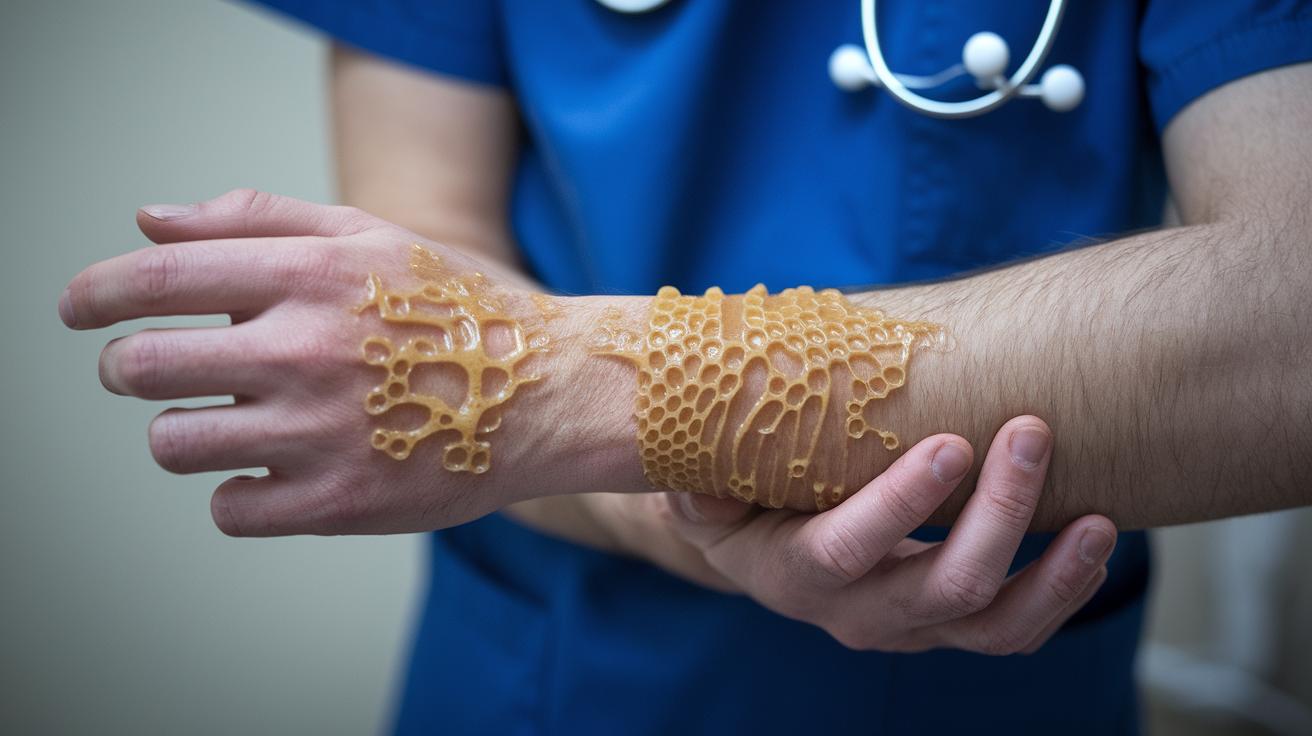
Skin infections can start from many different sources. For example, bacteria, viruses, fungi, and even tiny parasites can leave unique marks on your skin.
Bacteria might trigger impetigo, known for its honey-colored crusts, or cause cellulitis, which leads to a warm, tender swelling. Viruses often produce clustered little blisters with herpes simplex or result in a painful rash that follows a nerve path in shingles. Fungal infections, such as tinea corporis, create circular, ring-like patches, while parasites like scabies cause intense itching, especially at night, and leave tiny visible burrows.
When you understand these differences, it’s easier to choose the right treatment plan so your skin can stay healthy and glowing.
| Condition | Pathogen | Key Symptom |
|---|---|---|
| Impetigo | Bacterial | Honey-colored crusts |
| Cellulitis | Bacterial | Warm, tender swelling |
| Herpes Simplex | Viral | Grouped vesicles |
| Shingles | Viral | Dermatomal rash |
| Tinea Corporis | Fungal | Ring-like lesions |
| Scabies | Parasitic | Intense itching and burrows |
If you spot any of these symptoms, it might be time to consider getting tests like a culture or PCR, or even ask for a specialist’s opinion. When your skin change appears suddenly or gets worse, targeted tests can help pinpoint the exact cause so you get focused treatment, keeping your skin vibrant and healthy.
skin conditions: Feel Confident & Look Radiant

Inflammatory and autoimmune skin conditions can affect not just how you look, but also how comfortable and confident you feel. By understanding these issues better, you can manage your symptoms and truly enjoy your skin. Let’s take a closer look at three common conditions, breaking down what triggers them, how they can be treated, and practical care tips.
Atopic Eczema (Eczema)
Atopic eczema happens when your skin’s natural barrier isn’t doing its job. Sometimes, genetic factors, like issues with the filaggrin gene, make your skin lose moisture more easily, leaving it dry and itchy. Everyday irritants and stress can make these symptoms flare up even more. The first step in treatment usually involves using moisturizing creams to lock in hydration and corticosteroids to reduce inflammation quickly. Imagine a cream that not only soothes your skin but also helps it repair itself, simple yet effective in easing discomfort.
Psoriasis
Psoriasis often appears as red, thick patches with a silvery scale, although some people may see smaller, scattered spots, often called guttate psoriasis. This condition is partly driven by specific immune cells, which makes the inflammation tough to control at times. Treatment options can range from topical creams, like vitamin D analogues, to other therapies such as phototherapy or biologic agents. Keeping an eye on even small changes in your skin can help adjust the treatment early, making it easier to keep your skin calm and more even.
Rosacea
Rosacea mainly shows up as redness on the face, caused by widening blood vessels. It can vary from person to person, with different triggers like hot drinks, spicy foods, or extreme temperatures. Many find that steering clear of these triggers helps reduce the flare-ups. Medical options like metronidazole or gentle light-based treatments such as IPL laser can also be very effective. Along with some lifestyle tweaks, these treatments can help you feel more confident, so you not only look radiant but feel it deep inside.
Approaches to Hyperpigmentation and Sun Damage Repair
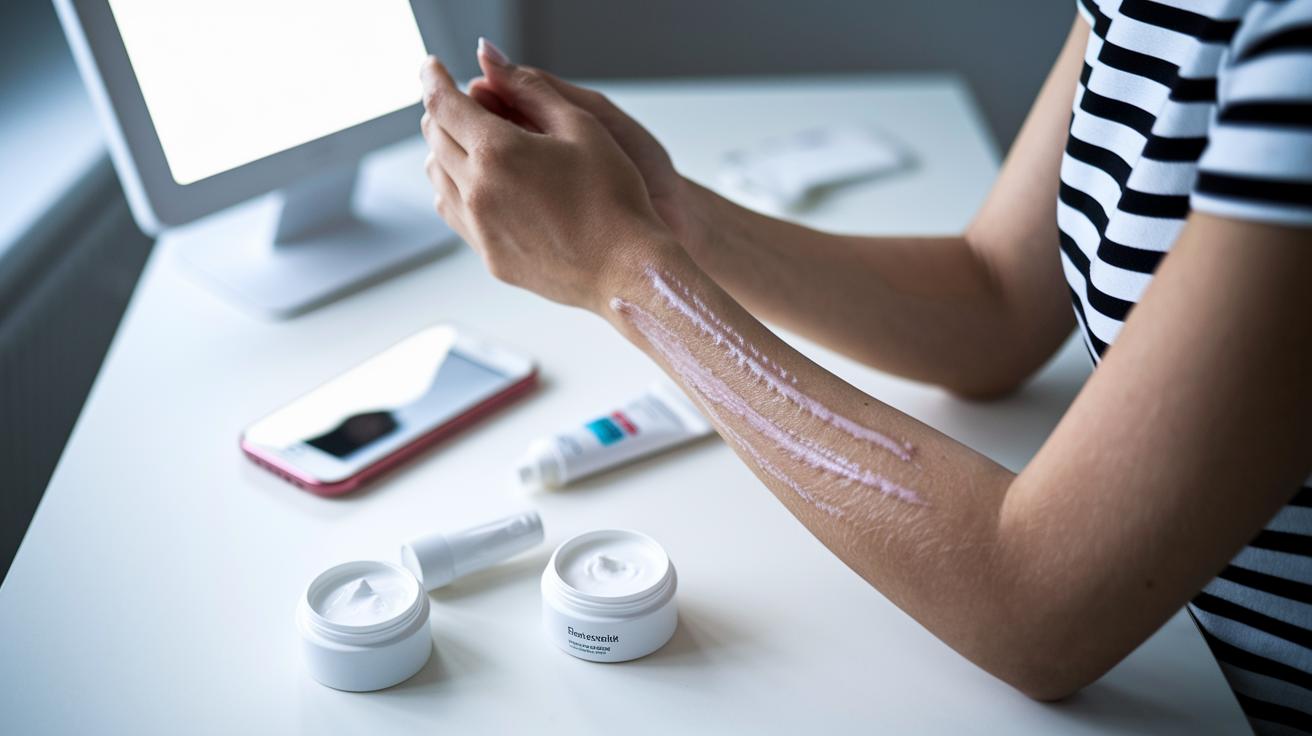
Too much sun can change your skin's tone by speeding up pigment production and causing inflammation. When you soak up too many UV rays, you might notice melasma, age spots, and other signs of photoaging that affect both how you look and feel. And when your skin gets overloaded with sun, hormonal changes can make these pigment shifts even worse. That’s why treatments backed by real evidence are so crucial for bringing back a balanced skin tone.
Topicals like creams with hydroquinone or azelaic acid help lighten dark areas caused by melasma. Chemical peels work gently by removing the skin's outer layer to reduce uneven spots and rough texture. Laser treatments, such as intense pulsed light (IPL) and Q-switched lasers, are designed to target stubborn sun spots and sun-damaged patches. Antioxidants found in formulas with vitamin C and retinoids aid skin repair by fighting off free radicals. And using products that strengthen your skin's natural barrier can protect against further UV damage.
It might take several weeks or even months to see noticeable results, so a little patience goes a long way. Plus, daily photoprotection is a must. Wearing a broad-spectrum sunscreen with at least SPF 30 every day, and reapplying it regularly, can help keep UV exposure in check while supporting your skin's repair process.
Early Detection of Skin Cancers and Precancerous Lesions
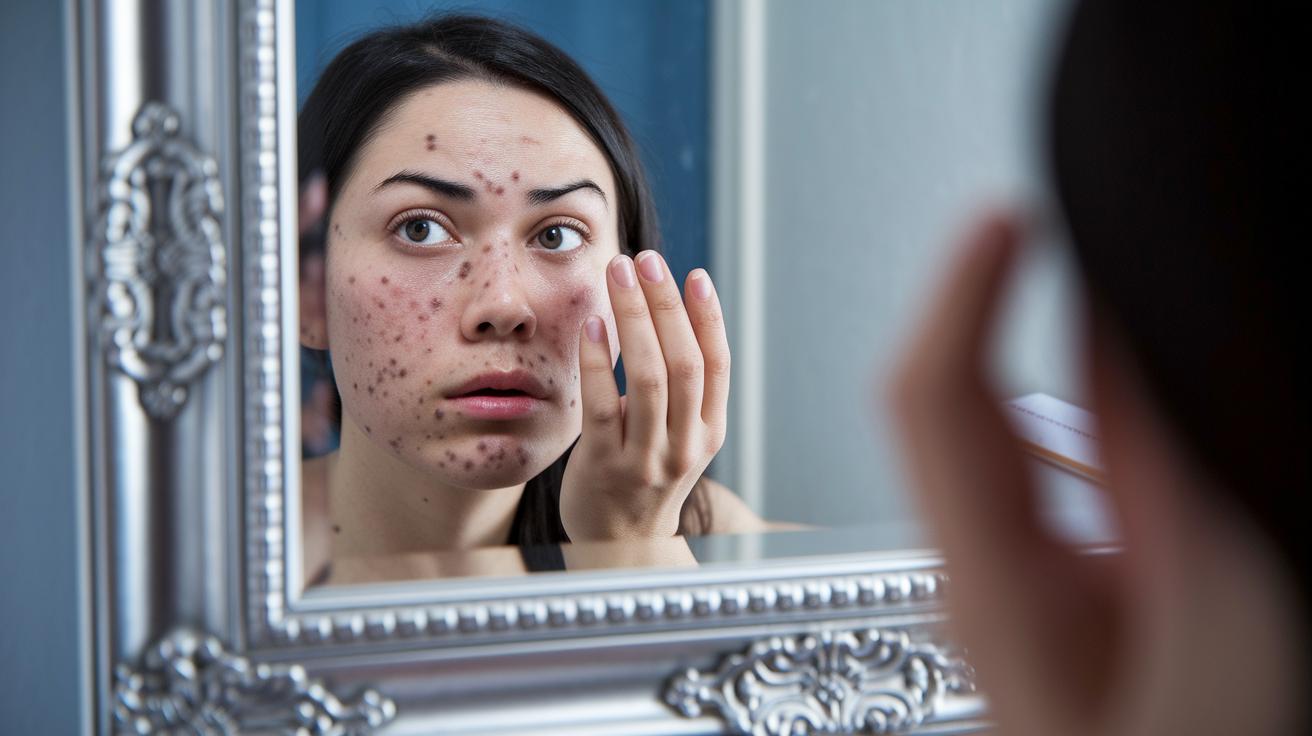
It all starts with noticing small changes in your skin. One of the early red flags is actinic keratosis, which looks like tiny, rough patches on skin that’s been sun-damaged. They might feel dry or a bit gritty and could eventually turn into squamous cell carcinoma if they’re ignored. Catching these early signs helps keep things on track.
When it comes to melanoma, the ABCDE rule is a friendly guide. Begin by looking for any Asymmetry in a mole – meaning one side isn’t the mirror image of the other. Next, check if the borders are uneven, if there are several colors, or if the Diameter is more than 6 mm. And don’t forget to notice if it’s Evolving, like slowly growing or changing color. These may be signals to get a professional opinion quickly.
It also helps to understand the difference between some common skin issues. For example, basal cell carcinoma usually shows up as a shiny, pearly bump with little blood vessels visible, while squamous cell carcinoma tends to appear as a rough, scaly patch that might even ulcerate. Seeing these differences can really help steer you in the right direction for proper care.
A solid diagnosis often comes from both checking your skin regularly and having a pro take a look. If you notice anything unusual, your dermatologist might suggest a biopsy or a closer look with a dermatoscope (a tool that magnifies the skin). This way, they can tell if it’s something harmless like a dermatofibroma – usually a firm bump on your skin – or if it’s something that needs more attention. When in doubt, it’s always best to get a specialist involved early for the best skin health outcomes.
Preventive Care and Daily Routines for Healthy Skin

Start your day with a simple routine that helps prepare your skin for anything. First, wash your face with a gentle cleanser to clear away any buildup from the night. Then, gently smooth on an antioxidant serum loaded with vitamins A, C, and E to fight off everyday environmental stress. After that, lock in moisture with a cream featuring hydrating ingredients like glycerin or hyaluronic acid, which help keep your skin soft and plump. And don’t forget your broad-spectrum sunscreen with at least SPF 30 to protect against the sun, if you’re outside, reapply every two hours. A diet rich in omega-3 fatty acids can also boost your skin’s natural barrier, making your morning routine a strong foundation for skin that feels confident all day.
At night, let your skin relax and repair. Begin by thoroughly removing makeup and sunscreen with a gentle cleanser, keeping your pores clear and happy. Then, treat your skin with repair serums that calm and rebalance it after a long day of sun and stress. Next, follow with a rich, nourishing cream to maintain moisture while you sleep. And remember, staying well-hydrated, about 2 liters of water a day, helps your skin's natural repair process. For more details on a complete morning and evening skincare routine, check out our daily routine for skin care.
Final Words
In the action, we explored common skin conditions, how to spot red flags, and ways to improve overall skin health. We broke down types of infectious rashes, inflammatory disorders, and options for sun damage repair, giving clear markers for when to seek professional care.
This quick overview helps put the science behind skin conditions into everyday context. Stay optimistic and informed as you focus on healthy, radiant skin and well-being.
FAQ
What do images of 10 skin diseases show?
Images of 10 skin diseases show visual examples of common conditions like eczema, psoriasis, and acne. They help you compare symptoms and learn what to look for when discussing concerns with a professional.
What does a skin diseases list with pictures include?
A skin diseases list with pictures often includes examples such as eczema, acne, fungal infections, and leg-specific conditions, providing a visual reference to help you understand symptoms and severity.
What do dangerous skin diseases images depict?
Dangerous skin disease images highlight severe conditions like aggressive bacterial infections or advanced psoriasis, reminding you that early recognition and consultation with a dermatologist are key to proper care.
What do fungal skin diseases images and lists show?
Fungal skin diseases images and lists display ringworm, candidiasis, and other tinea infections with red or scaly patches, assisting in matching symptoms for timely treatment.
What are some common skin conditions?
Common skin conditions include eczema, acne, psoriasis, rosacea, and urticaria. These images and lists offer detailed views of each to help you spot potential issues early.
How do I identify my skin condition?
Identifying your skin condition begins with noticing symptoms like redness, scaling, or itching, then comparing your observations with reliable images and seeking professional advice for confirmation.
What skin conditions does triamcinolone treat?
Triamcinolone is used to treat inflammatory skin conditions such as eczema, psoriasis, and allergic reactions, reducing redness and swelling with its corticosteroid action.


