Have you ever thought that your skin might be whispering secrets that could change your cosmetic surgery outcomes? Doctors now use AI-driven skin analysis to take clear, high-resolution images that look deep into your skin.
Think of it as a high-tech magnifying glass that spots tiny changes and details a quick glance might miss. With this smart approach, your doctor can plan treatments with greater precision, tailoring a care plan that truly fits your unique skin.
AI-Driven Skin Analysis: Transforming Cosmetic Surgery Outcomes
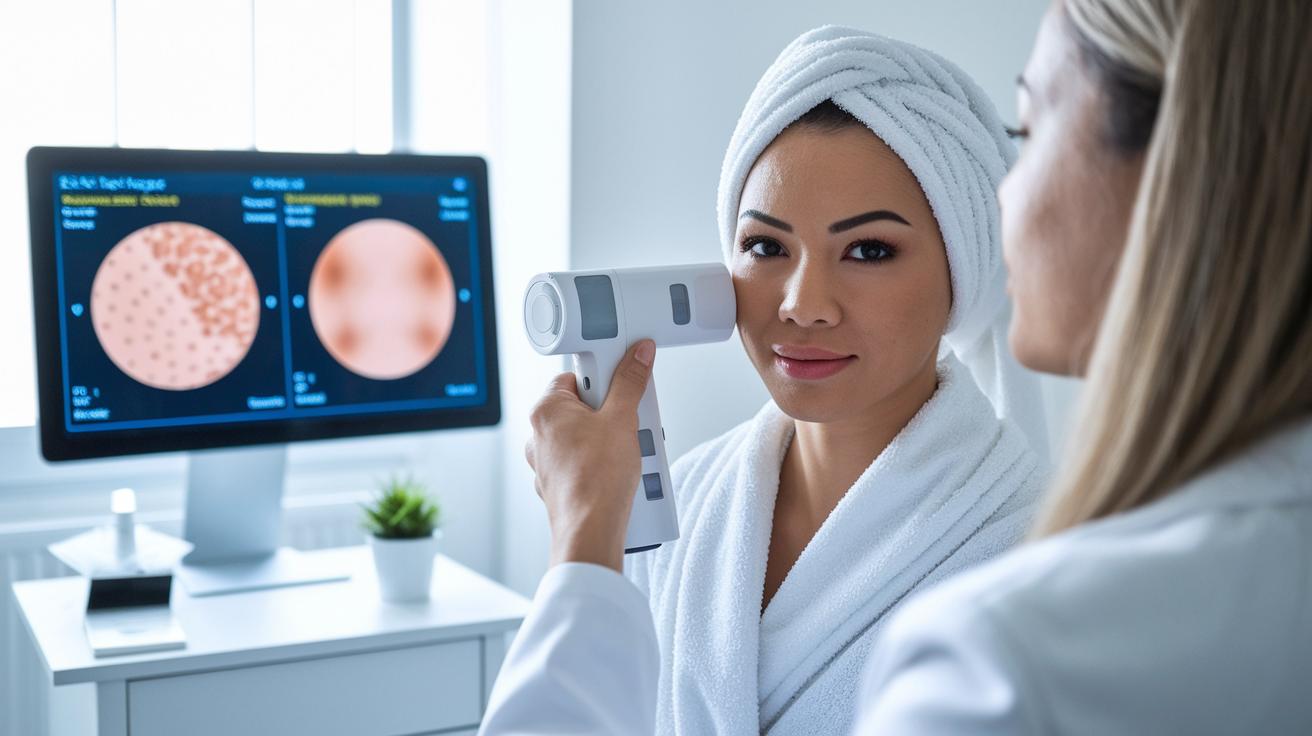
AI-driven skin analysis is changing the way cosmetic surgeons plan treatments. By using high-resolution images and smart computer programs, doctors can quickly see both the outer layer and deeper parts of your skin. For example, digital facial scanners like VISIA® capture detailed pictures in just a few seconds. This speed helps remove the guesswork that sometimes happens with older, more subjective methods.
This new approach automatically spots problems that might be hard to see with the naked eye. It can reveal tiny wrinkles or subtle changes in skin tone way before they become obvious during a regular check. Think of it like having a tool that finds a faint line before you even notice it in the mirror. This extra eye for detail helps decide if treatments like laser therapy, RF microneedling (using small needles to encourage collagen production), or ultrasound collagen stimulation are the best choices.
Many clinics using this advanced technology report that their patients are happier with the results. With AI acting as a digital twin for your unique skin, surgeons can plan procedures that match your exact needs. This method not only refines the planning stage but also helps pick the most precise treatment based on real skin conditions.
In short, AI-powered skin analysis makes consultations smoother, cuts down on guesswork, and raises the standard for pre-surgery skin exams.
Integrating AI Algorithms with Cosmetic Surgery Procedures

AI is now a trusted buddy in cosmetic surgery, acting like a digital mirror that captures your skin’s unique details. This smart tool gives surgeons the confidence to plan treatments with care and precision. Many clinics using AI have even cut down their planning time by nearly 30%. For example, facial analysis powered by these algorithms helps fine-tune everything from filler and Botox doses to laser treatments, all in real time.
Preoperative Skin Health Mapping
Before any treatment, gentle 3D imaging and colorful scans create a full digital picture of your skin. Imagine it like putting together a puzzle where every piece shows a different skin detail. This process uses computer vision to capture both the surface texture and deeper layers of your skin. With extra insights from advanced imaging, this digital profile highlights specific concerns that traditional methods might miss, paving the way for a treatment plan that’s just right for you.
Intraoperative Decision Support
During the procedure, AI steps in to give live feedback on your tissue’s condition, guiding the surgeon along the way. These real-time insights act like helpful pointers, ensuring each move is based on clear, reliable data. With enhanced surgical simulations and digital planning, every step is supported by objective information, which means more accurate care and better outcomes for you.
Clinical Accuracy and Validation of AI-Driven Skin Analysis
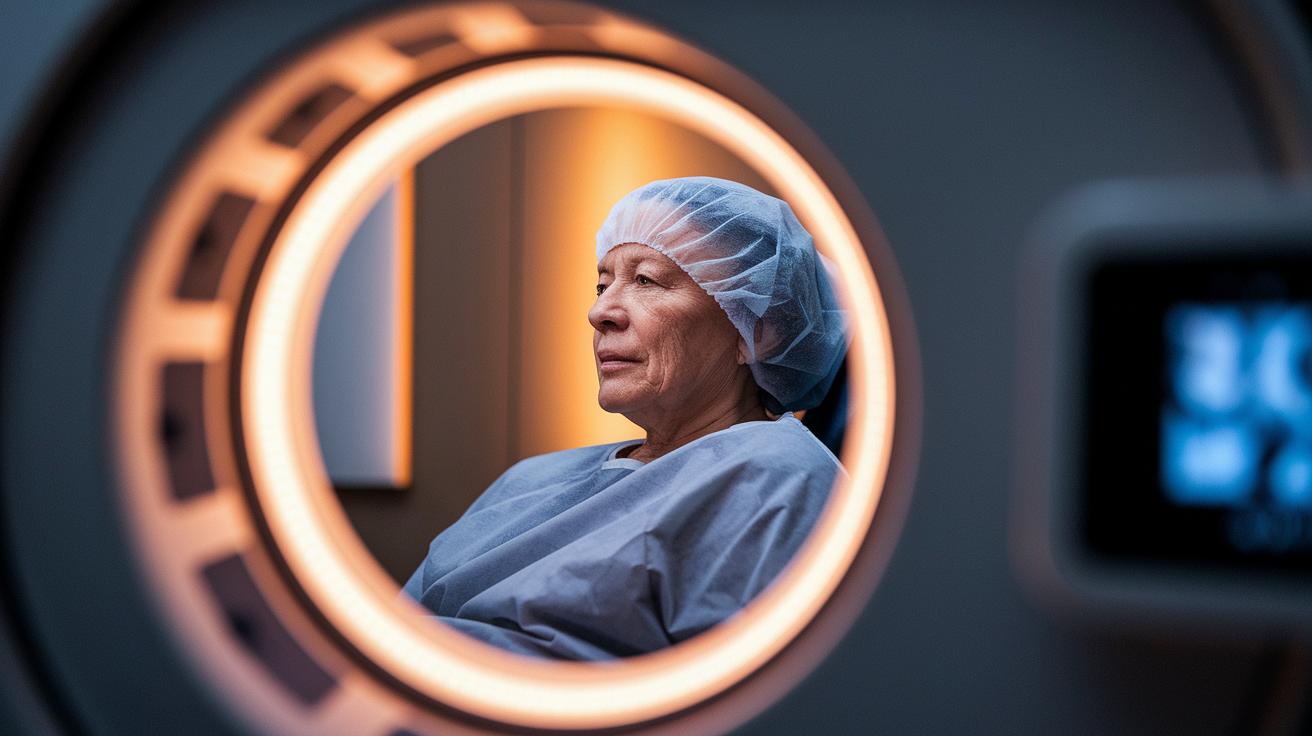
AI-powered tools can now spot both surface and deeper skin conditions with a level of precision that rivals board-certified dermatologists. Imagine a high-resolution facial scanner quickly acting like a digital mirror, capturing even the tiniest details such as slight micro-wrinkles and early pigmentation changes in just 15 seconds.
Recent studies, like those detailed in advanced research, reveal that these AI systems can cut down diagnostic differences by about 25% when compared to manual exams. This means surgeons and skincare experts can feel confident in using these tools for non-invasive checks, knowing they not only work safely but also come with almost no risk.
| Key Benefit | Description |
|---|---|
| Speed | Scans take less than 15 seconds compared to several minutes for manual checks. |
| Consistency | Less than 5% difference between different observers. |
| Sensitivity | Detects early skin lesions with over 95% accuracy. |
| Safety | No complications related to AI have been reported during initial trials. |
This new wave of AI-driven skin analysis is set to transform patient care. It makes pre-surgical assessments more efficient and reliable, offering both patients and professionals a refreshing blend of technology and compassionate care.
Patient Outcomes with AI-Enhanced Cosmetic Skin Analysis
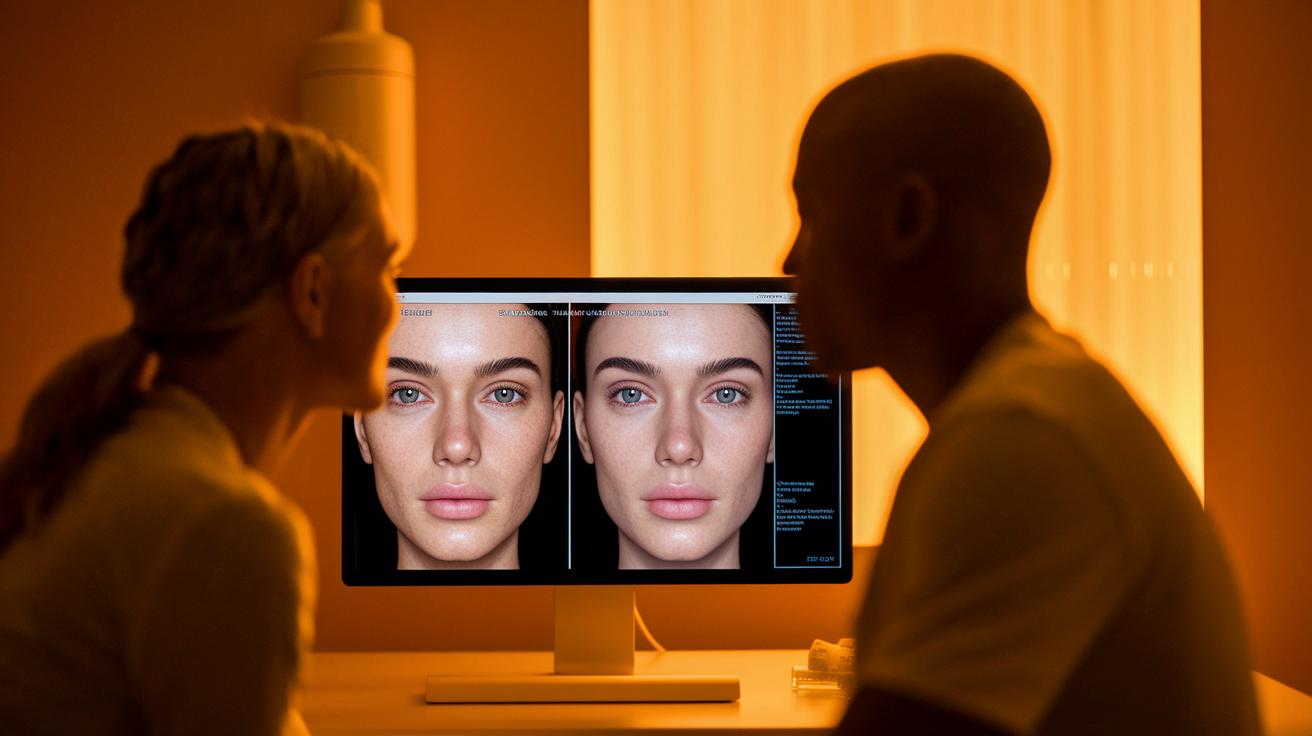
Many clinics have noticed that using AI technology makes patients much happier with their results. With treatments tailored to your real skin data, these clinics have seen about a 20% improvement in how patients perceive their outcomes. You even get to see a clear before-treatment image and a digital preview of the changes, which helps you feel sure about your decision.
Surgeons now use solid, data-driven insights to create plans that fit your skin perfectly. Imagine sitting down for a consultation and seeing your current skin side-by-side with a simulated look after treatment. This honest approach means there are no surprises and it builds a strong trust between you and your surgical team.
Patients feel more part of the process when they can see exactly how a procedure will change their appearance. These clear visual snapshots take the guesswork out, giving you the confidence to make an informed decision. In the end, this technology brings smoother consultations, more personalized procedures, and results that truly match what you expect.
Comparing AI-Driven Skin Analysis with Traditional Methods

When checking your skin, a doctor usually takes a look and measures manually. This trusted method has been around for years. But, it can take up to 10 minutes and sometimes depends on the doctor’s personal judgment.
AI skin analysis is a game changer. Using digital imaging, it captures detailed images of your skin in seconds, making it easier to spot tiny changes, like a fine line that might otherwise go unnoticed.
These clever tools use image analytics to provide clear, repeatable data. They cut out the guesswork by offering consistent, objective measurements every time. With smart, AI-powered systems, early signs like fine lines and shifts in pigmentation can be caught sooner, helping you and your doctor stay ahead of any issues.
Below is a quick comparison of the two approaches:
| Criteria | Traditional Method | AI-Driven Analysis |
|---|---|---|
| Speed | Up to 10 minutes per evaluation | Results in seconds |
| Accuracy | Relies on human judgment | Objective and consistent data |
| Consistency | Varies from one exam to another | Reliable measurements every time |
| Early Detection | Depends on visual cues | Quickly spots fine lines and pigmentation changes |
Cost, Risks, and Considerations in AI-Driven Skin Analysis

When a clinic steps into using AI-powered skin analysis, it means investing in new, advanced equipment and software. Clinics might spend anywhere from $10,000 to $50,000 right from the start, depending on the hardware and platform they choose. Plus, there are usually ongoing licensing fees that add up over time, so practices focused on innovation need to plan their budgets carefully.
It's important to remember that handling detailed skin data calls for strong privacy measures. Every bit of patient information must be protected with strict protocols. Even though AI can help with assessments, experienced clinicians should still review the results to ensure nothing gets missed.
Experts suggest that every AI analysis needs a surgeon’s review to make sure human expertise stays at the heart of the decision-making process. Overreliance on technology can lead to issues like technical glitches or misinterpretations if proper checks aren’t in place. Ethical concerns about data security mean that clinics must adopt the best possible safeguards available.
Main considerations include:
- Automated risk stratification to spot potential problems early in preoperative evaluations.
- A balanced approach that blends technology with expert judgment for clear risk assessments.
- Using data-driven insights to minimize preoperative risks.
- Incorporating medical simulation technologies to support a thorough evaluation process.
Even though formal guidelines are still being developed, ongoing care and diligence are key. Clinics must carefully weigh these costs and risks to integrate AI technology safely while keeping personal patient care at the center of their practice.
Future Trends in AI-Driven Skin Analysis and Virtual Treatment Planning

Imagine stepping into a virtual space where you can actually see your future look with an innovative AR simulation. Experts believe that soon, AR and VR demos will steal the show at conferences by giving you a digital mirror that previews possible cosmetic outcomes. It’s like turning a sketch of an idea into something real that you can almost touch.
Hospitals and clinics are already rolling out new training programs to help surgical teams get comfortable with these smart simulation tools. In hands-on sessions, teams learn how to read detailed imaging data and smoothly incorporate virtual treatment planning into their daily routines. And with telemedicine on the rise, smarter platforms will soon let you get remote skin checks, complete with live algorithmic feedback, no matter where you are.
Looking further ahead, advanced systems will use huge collections of patient data to predict long-term results from cosmetic procedures. This means your doctors could fine-tune maintenance plans and treatment adjustments with pinpoint accuracy. Curious to know more about these breakthrough methods? Check out inside precision medicine for the latest insights.
Final Words
In the action, we explored how ai driven skin analysis for cosmetic surgery changes the way skin conditions get assessed. We looked at the power of digital imaging, how clinicians use integrated systems for better treatment planning, and the impressive clinical accuracy behind these tools. Each section showed that combining advanced scans with real-time feedback creates a more personalized and safe approach. This innovative method is paving the way for confident decisions and improved outcomes. Embrace this technology as a bright step forward.
FAQ
What is the best AI-driven skin analysis tool for cosmetic surgery?
The best AI-driven skin analysis tool for cosmetic surgery uses high-resolution imaging and machine learning to quickly detect skin features, helping guide treatment planning and improve patient outcomes.
What information do AI-driven skin analysis reviews and PDFs provide for cosmetic surgery?
AI-driven skin analysis reviews and PDFs explain how these systems offer rapid, objective skin evaluations that help clinicians identify subtle issues and tailor cosmetic treatments effectively.
What options are available for free AI skin analysis and online skin analysis?
Free AI skin analysis options available online use digital imaging and automated diagnostics to provide basic skin evaluations. They offer initial insights but should be paired with professional advice for cosmetic surgery planning.
What features does the Cetaphil AI Skin Analysis tool offer?
The Cetaphil AI Skin Analysis tool uses clinical data and automated imaging to offer a detailed view of skin conditions, helping users understand their skin and choose appropriate cosmetic treatments.
What does AI analysis for skin care involve?
AI analysis for skin care involves digital imaging combined with machine learning to understand skin conditions. It quickly identifies finer details like early wrinkles and pigmentation changes to guide personalized care.
What is the FDA-approved dermatology AI used for?
The FDA-approved dermatology AI is used to diagnose skin conditions with speed and accuracy. It provides unbiased assessments that help medical practitioners monitor skin health effectively.
Is there an AI app available for plastic surgery consultations?
Yes, AI apps for plastic surgery consultations use automated imaging and real-time analytics to offer preliminary evaluations, improving preoperative planning and helping customize treatment recommendations.


