Ever thought that a daily collagen supplement might give your skin a little extra glow? Recent studies suggest that adding these supplements to your morning routine can make your skin feel firmer and look more hydrated.
They work at the very level of your cells, helping to smooth fine lines and brighten your skin’s overall appearance. In simple terms, collagen supplements could be the small daily changer your skin has been waiting for.
Science-Backed Benefits of Collagen Supplements for Skin

Taking daily doses of 2.5 to 15 grams of collagen peptides can help your skin feel more elastic and well-hydrated. Research shows that using these supplements for 4 to 12 weeks often boosts the skin’s collagen levels, with some benefits visible after about 90 days. Hydrolyzed collagen, which is broken down into tiny pieces your body can grab onto more easily, works at a cellular level to improve hydration and firm up the skin. Some studies even suggest that over time, regular collagen use can help minimize wrinkles.
Many people report a brighter, more youthful look when they add collagen to their routine. While large studies are still coming along, early research hints that collagen might slow down fine lines. Beyond boosting elasticity, collagen also helps your skin stay moist and tough. Since collagen supplements are generally safe when used as directed, they can be a simple addition to your daily skincare routine. For example, try mixing the hydrolyzed collagen powder into a cold drink or blending it into a morning smoothie to naturally enhance your skin’s hydration and overall glow.
Dosage Guidelines and Usage Tips for Collagen Supplements for Skin
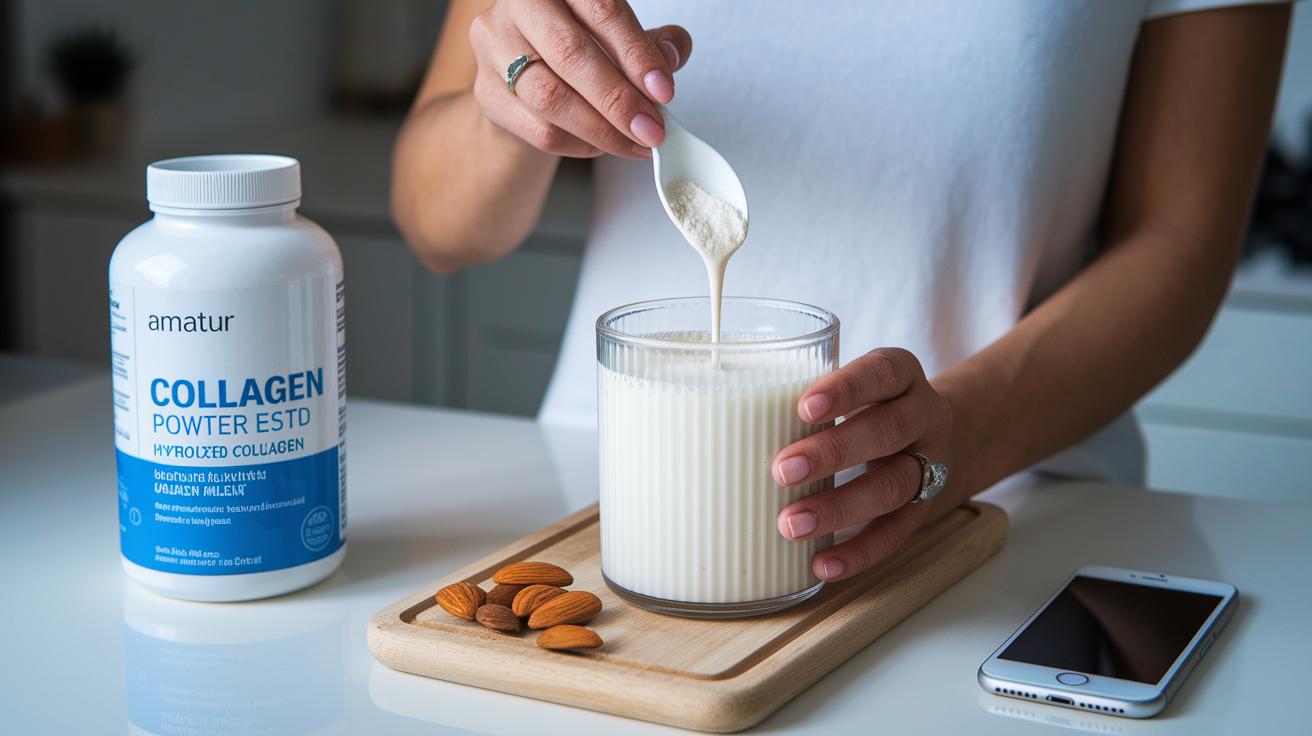
Taking collagen supplements daily usually means using between 2.5 and 15 grams. Hydrolyzed collagen is a favorite because it's broken down into tiny pieces your body can easily absorb. This helps with skin repair and overall collagen health. Typically, you need to use it for about 4 to 12 weeks before you notice your skin becoming more hydrated and elastic.
Mix the powder into a cold drink to boost its benefits. For example, stir a scoop into chilled almond milk to give your skin a quick treat. If you like a simpler option, consider taking capsules with your meals. Integrating your collagen supplement into a regular routine, like with your breakfast or post-workout shake, can make a big difference.
It can help to set a daily reminder so you never miss a dose. You might even prepare your drink the night before or keep your capsules in your purse. These little steps make collagen a reliable part of your daily skincare plan, helping your skin feel smoother and stronger over time.
Safety Considerations and Side Effects of Collagen Supplements for Skin

People usually do well with collagen supplements when they follow the directions. Whether you stir a scoop of collagen powder into a cold drink or take capsules with a meal, most users find it gentle on the system. A few folks might notice a bit of stomach upset at first, but this rarely sticks around for long. For example, someone mentioned that mixing collagen powder into a glass of iced tea left them feeling hydrated and smooth.
It’s also important to remember that collagen comes from animals. That means if you’re following a plant-based diet, you won’t find a vegan version here. Most collagen products don’t include carbohydrates or sugars either, so they tend to fit well with a ketogenic diet. While research is still catching up on whether collagen can firm up loose skin, its main perks are better hydration and improved skin elasticity.
Comparing Top Collagen Supplements for Skin: Powders, Capsules, and More

Are you on the hunt for a collagen supplement that helps repair your skin and keep that youthful glow? We’ve gathered some top picks that come in various forms to match your lifestyle. Whether you like mixing a powder into your morning drink or prefer a handy capsule, these options have earned great reviews for delivering collagen peptides along with bonus ingredients like vitamin C and probiotics.
| Product | Form | Key Ingredients | Servings | Price/Serving |
|---|---|---|---|---|
| Vital Proteins Collagen Peptides Powder | Powder | Vitamin C, Hyaluronic Acid | 14 | $2.50 |
| Ancient Nutrition Multi-Collagen Protein | Powder | 4 collagen sources, Vitamin C, Probiotics | 45 | $1.80 |
| Klean Collagen+C Powder | Powder | Bovine Collagen, Vitamin C | 20 | $3.50 |
| HUM Nutrition Collagen Love Capsules | Capsules | Skin health blend | 30 | $1.33 |
Powders like Vital Proteins and Ancient Nutrition let you mix the supplement into your favorite drink, imagine stirring it into a refreshing iced coffee or a smoothie. Vital Proteins adds vitamin C and hyaluronic acid to help your skin stay moist and firm, while Ancient Nutrition offers four sources of collagen along with probiotics and vitamin C for a well-rounded boost.
If you’re often on the move or prefer simplicity, HUM Nutrition Capsules are a fast, no-fuss option that doesn’t require any mixing. Plus, Klean Collagen+C Powder is great if you lead an active life, combining bovine collagen with vitamin C and meeting strict NSF Certified for Sport standards.
This range of choices helps you see which product fits your routine best by comparing the form, servings, and price per serving at a glance.
Clinical Evidence and Research on Collagen Supplements for Skin

Some small studies have found that taking collagen supplements may help your skin stay hydrated and become more elastic. You can usually see changes in your skin between one and three months. When you swallow collagen, your body breaks it down in your stomach into tiny pieces called peptides. These peptides then help support and rebuild your skin, much like chopping big pieces of food into bite-sized bits to make a nourishing meal.
Regular use of collagen appears to give you smoother, more resilient skin. Research shows that these small peptides can boost skin hydration and firmness. One clinical trial even noted that skin became more tough and resilient over time, much like the gradual improvements you’d expect from a good skincare routine.
However, there isn’t a lot of large, long-term research available yet. While some small studies hint that collagen might also help reduce sagging and fine lines, we need more evidence to be certain of these benefits. If you’re considering collagen supplements, it’s always best to chat with your dermatologist for advice that fits your needs.
Integrating Collagen Supplements for Skin with Other Skincare Strategies
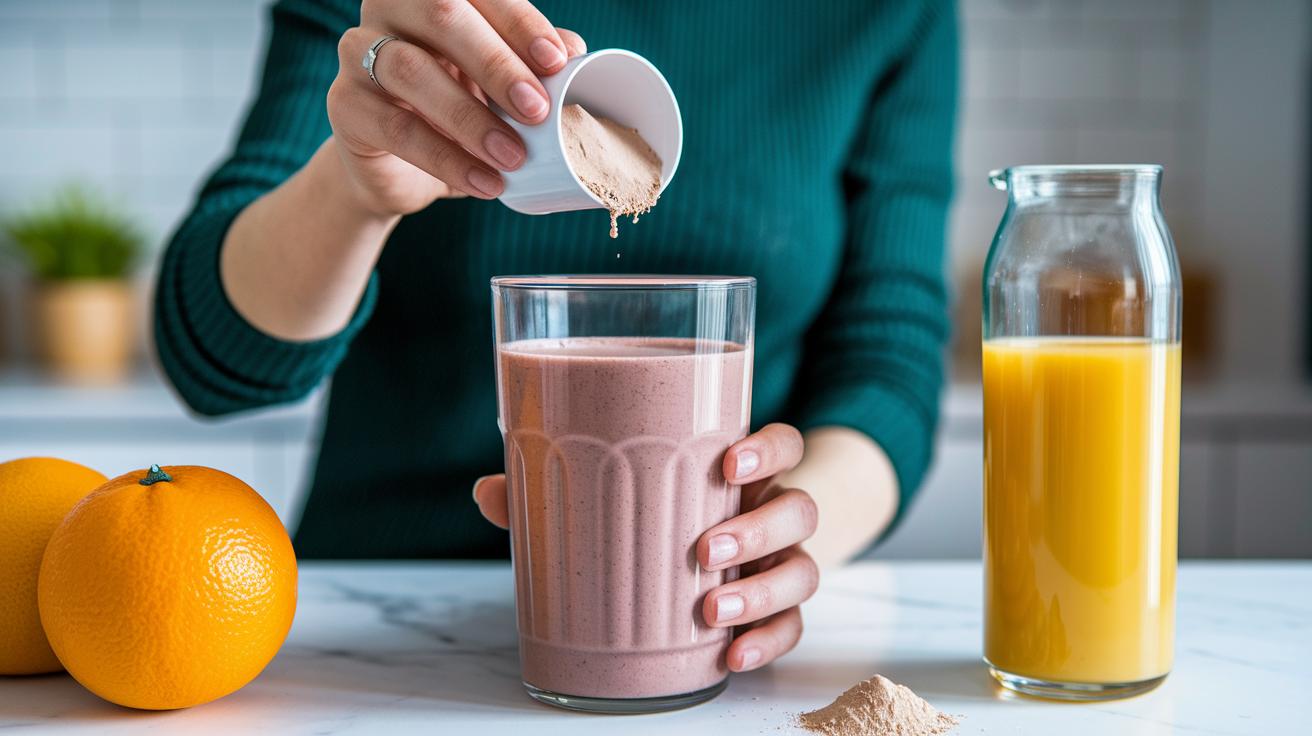
When you mix collagen supplements with a full skincare routine, you'll notice a brighter, healthier look. For example, taking collagen with vitamin C can help your body make more collagen naturally. Remember, vitamin C isn’t just in your morning juice, it also helps boost collagen production. Picture stirring a scoop of collagen powder into your smoothie and then sipping a glass of fresh orange juice for that extra vitamin C boost.
Hyaluronic acid works hand in hand with collagen to keep your skin moist. After washing your face, try using a hydrating serum with hyaluronic acid to keep your skin soft and plump all day long. And here’s a practical tip: mix your collagen supplement into your daily drink and follow it up with a broad-spectrum SPF to shield your skin from the sun.
- Consider adding a topical retinoid to your evening routine to support cell renewal.
- Include a balanced diet rich in antioxidants to further help your skin repair and stay youthful.
Just like assembling a puzzle, every part of your skincare routine fits together to create a complete picture of healthy, glowing skin.
Tips for Choosing Quality Collagen Supplements for Skin
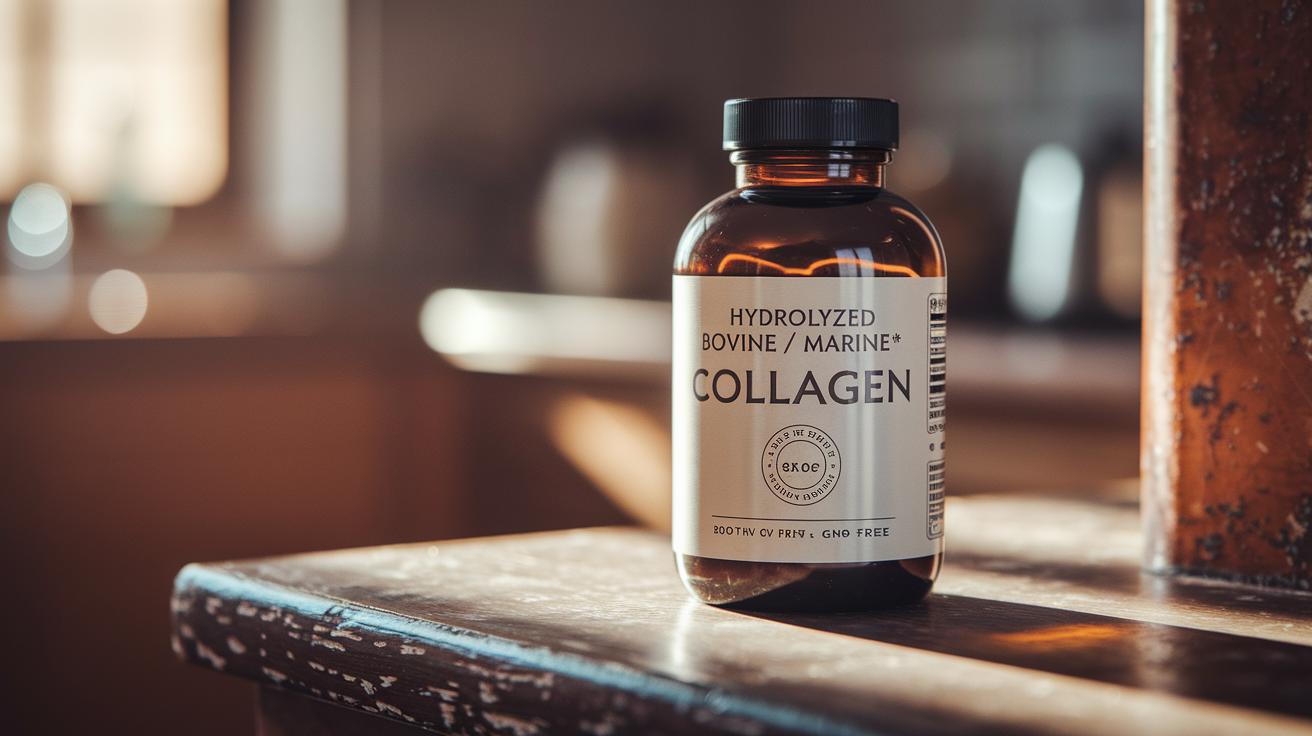
When you're looking for a collagen supplement to help your skin, it's important to know exactly what's inside and that it’s safe. Look for a supplement that tells you where its collagen comes from, like whether it’s from cows (bovine) or fish (marine). A hydrolyzed formula means the collagen is split into little pieces that your body can use easily. Plus, vitamin C added to the mix helps your skin make its own collagen. And if a product has no added sugars, you know it’s designed to be clean and free from GMOs.
It also helps to check for a third-party testing seal on the label. This seal shows that independent experts have checked the product for purity and quality. Don't forget to look at the expiration date and follow any storage instructions on the package. For example, a clear "third-party tested" label along with an easy-to-read ingredient list can really boost your confidence in the supplement.
Here’s a simple checklist to use when shopping:
| Checklist Item | What to Look For |
|---|---|
| Collagen Source | Clearly labeled as bovine or marine |
| Formula Type | Hydrolyzed with added vitamin C |
| Testing | Third-party testing seal present |
| Additional Ingredients | No added sugars |
| Packaging Details | Verified expiration dates and storage guidelines |
Also, try to aim for a price range of about $1.33 to $3.50 per serving. This helps you get a good balance between quality and value in your skin care routine.
Debunking Myths and Facts about Collagen Supplements for Skin

Many people believe in all sorts of myths about collagen supplements. The simple truth is this: collagen is a large protein that your body can’t use as is. Instead, it breaks down into smaller pieces, called peptides, that your body can actually use. Also, collagen only comes from animal sources, even though some might think otherwise.
You may have seen celebrity claims that collagen can completely reverse saggy skin. In reality, studies show that it helps improve skin hydration and elasticity, not a dramatic firming. And if you follow a ketogenic diet, you'll be glad to know that low-carb collagen supplements can easily fit into your meal plan.
Imagine thinking your body could absorb a full-size protein all at once. Your body, in fact, breaks it down into tiny, effective pieces that help keep your skin hydrated.
Bringing all these points together gives a clearer picture of collagen’s benefits so you can decide what works best for you.
Final Words
In the action, we explored the science behind collagen supplements for skin, diving into how they boost hydration, improve elasticity, and help reduce wrinkles. We reviewed precise dosage guidelines, compared top products, and discussed safety alongside clinical research. The discussion also offered practical tips on combining supplements with other skin-care strategies. This evidence-based look can help guide smart choices for skin health, making it easier to embrace a confident, informed path toward a more resilient, glowing complexion.
FAQ
What are considered top collagen supplements for skin?
The question about top collagen supplements points to options backed by clinical studies. Popular choices include products with hydrolyzed collagen paired with vitamin C and other ingredients that promote skin hydration and elasticity.
What benefits does collagen provide for skin and which form is best?
The inquiry into collagen benefits highlights improvements in skin hydration, elasticity, and potential wrinkle reduction. Hydrolyzed collagen, which breaks into smaller, absorbable peptides, is the preferred form for these benefits.
Why might some collagen supplements not work as expected?
The question regarding why collagen supplements sometimes fail underlines that inadequate dosing, poor formulation, or inconsistent use can limit results. A quality, hydrolyzed product used routinely is essential for noticeable improvements.
What ingredients or issues should be avoided in collagen supplements?
The question on what to avoid when taking collagen suggests steering clear of products with added sugars, unclear sources, or non-hydrolyzed forms, as these factors may hinder peptide absorption and diminish skin benefits.
Are collagen powders and pills safe and effective for daily use?
The query about the safety of daily collagen use shows that both powders and pills are effective when taken within recommended doses. Using them consistently—like mixing powder into a cold beverage or taking a pill with meals—supports skin health.
How effective are collagen supplements for saggy skin and menopause-related changes?
The question on collagen’s role with saggy skin and menopause indicates that while supplements may boost skin hydration and elasticity, evidence for tightening sagging skin or menopause-specific benefits is limited, so professional advice is advised.


