Ever noticed how some doctor visits leave you feeling calm while others can stress you out? Every part of the experience matters, from the moment you call for an appointment until you say goodbye. When we look at things from the patient’s perspective, even small changes can build comfort and trust. In this post, we share easy ideas to help make conversations clear and friendly and to keep every step of the process smooth. A little extra care in communication really does make a big difference in patient care.
A Comprehensive Framework to Improve the Patient Experience

Making sure every visitor feels cared for is key to a successful practice. Every step, from booking the first appointment to a friendly follow-up call, is a chance to build trust and brighten someone’s day. By focusing on each little detail, you send a clear message: patient comfort and well-being truly matter. This approach means seeing every moment through the patient’s eyes.
Studies have found that a patient-friendly practice stands on five essential pillars. The first is communication and empathy. Using plain language, really listening, and checking that patients understand (sometimes called the teach-back method) helps ensure that everyone is on the same page. Next comes streamlining the journey. This means making booking appointments and digital check-ins as smooth and hassle-free as possible.
The third pillar is embracing technology. Tools like patient portals and online visits can really speed things up and reduce those long waits. The fourth is empowering your team. With ongoing training, every staff member gains the confidence to answer questions and address concerns with kindness. Lastly, enhancing the physical space is crucial. A welcoming, calming environment where everything is easy to navigate can make a big difference.
A focus on continuous improvement is essential. Regular feedback, using surveys like HCAHPS or NPS, lets practices fine-tune every interaction. At the front desk, during consultations, and over follow-up calls, each moment becomes an opportunity to raise the overall experience and truly embrace a patient-centered approach.
Enhancing Patient Communication to Improve the Experience

We’re now blending interactive techniques with warm, straightforward talk that feels like you’re chatting with an old friend. For example, comparing a direct method like the teach-back approach (where patients repeat what they’ve understood) with asking thoughtful, reflective questions helps patients grasp the information without going over the same points again. Instead of sticking with tried-and-true methods, try mixing a planned conversation with a more off-the-cuff, curious style that gives patients clear, honest care.
Different ways of talking let providers adjust the conversation to fit each patient’s needs. Using simple language can build trust right away, while asking reflective questions or really listening can bring hidden concerns to light. These small changes work together with usual practices to create a more personal and effective experience.
- Undivided attention
- Paraphrasing
- Reflective questions
- Open-ended prompts
Streamlining Patient-Centric Processes for Better Experience

Every day, small improvements in our operations can make a big difference in a patient's visit. By offering a simple online booking system with flexible scheduling, patients feel like they have control right from the start. Digital check-ins help reduce wait times by letting patients know if there's a slight delay, 15 minutes of notice feels better than silence. And real-time schedule updates ensure everything runs smoothly.
Cutting back on repetitive paperwork by pre-filling forms and adding e-signature options not only speeds things up but also lets our staff devote more time to caring for patients.
| Process Area | Improvement Tactic |
|---|---|
| Appointment Scheduling | User-friendly online booking and flexible scheduling |
| Check-In | Digital check-in and real-time schedule adjustments |
| In-Person Consultation | Streamlined procedures and reduced paperwork |
| Discharge Planning | Structured planning with post-discharge calls |
| Follow-Up | Consistent follow-up communications and scheduling |
Each of these improvements helps create a smoother experience. For example, clear discharge plans with easy instructions and timely calls after leaving the facility have been shown to lower readmission rates while boosting satisfaction. And when forms are taken care of before in-person visits, there’s more time to have a genuine conversation about care.
By refining these everyday steps, practices show they truly understand patient needs. It all adds up to making every visit a bit more relaxed, informed, and caring.
Leveraging Technology to Elevate the Patient Experience
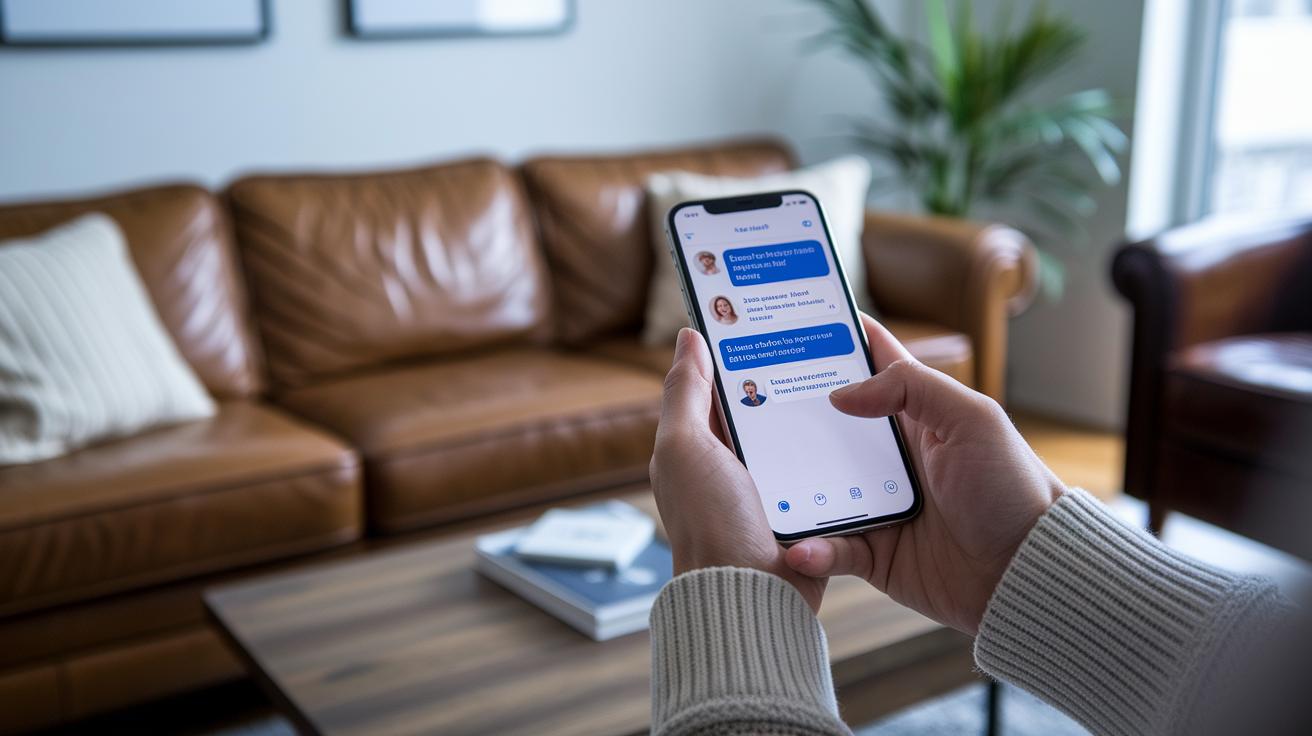
New technology is making healthcare simpler and more personal. Secure video visits let you skip long drives while clinics see up to 25% fewer missed appointments (Benefits of video consultation in healthcare). Imagine setting up your appointment as easily as sending a text from your phone.
Telehealth platforms use secure systems that protect your data and offer clear, easy-to-understand patient information (How do video consultations work for telemedicine). This means you get all the info you need in a safe and straightforward way.
Patient portals are loaded with features like secure messages, bill payments, medication reminders, and custom educational tips. And with digital check-in kiosks and mobile apps, you could cut your wait time by 10 to 15 minutes. Just think about checking in quickly from your phone and skipping the long lines.
AI-powered chatbots step in to answer everyday questions, freeing up staff to focus on what really matters (Integrating AI into cosmetic practice). These digital helpers keep everything running smoothly, making sure all your needs, big or small, are met efficiently.
Cultivating a Healing Environment for Superior Patient Experience

Imagine walking into a clinic that feels like a warm welcome from the start. The space isn’t just a waiting room, it’s a calm, clean, and bright area with comfortable chairs and soothing colors that help ease any worries. Natural light streams in through big windows, a few green plants add a touch of nature, and carefully chosen artwork fills the room with gentle energy. Clear signs help guide you, and private consultation rooms let you speak openly and without distraction.
The caring team is just as important. Staff members receive training in empathy and cultural awareness, so every conversation feels personal and respectful. They’re ready to solve small issues right away, making sure you always feel heard. This commitment to kindness builds trust and shows that every part of your visit matters.
Together, these thoughtful details create an environment that not only feels welcoming but also builds lasting comfort and trust with each visit.
Delivering Personalized and Ongoing Support for Lasting Patient Satisfaction

We design treatment plans with you in mind, keeping your unique preferences and health history at the forefront. This thoughtful approach builds trust and creates a bond that feels personal and caring.
After your visit, many practices stay in touch with a friendly call or a short video offering easy-to-follow care tips. Just imagine getting a quick message that checks in on your recovery, it really makes you feel cared for.
We also listen to your feedback using real-time kiosks or simple surveys. This helps us catch any issues early and make small improvements when needed. With regular check-ins through mobile apps or remote calls, even enhanced by smart, AI-powered tools, you're invited to be active in your own healing journey. This ongoing support builds a network that continues well beyond your first appointment.
| Service |
|---|
| Scheduled check-in calls |
| Tailored education modules |
| Mobile app reminders |
| Patient communities |
| Rapid issue escalation protocol |
Final Words
In the action, the article traced a clear path for a more supportive care model. We explored ways to boost clear communication, streamline processes, integrate smart tech tools, and refine the overall atmosphere. Each section showed how even small changes can have a big impact. This guide not only highlights practical tips on how to improve the patient experience but also builds confidence in making safe, informed decisions. With thoughtful adjustments at every step, a positive, patient-centered journey is well within reach.
FAQ
Q: What innovative ways can improve patient experience across healthcare settings like hospitals and outpatient clinics?
A: Innovative ways to improve patient experience include enhancing communication, streamlining appointment processes, using digital tools, improving the care environment, and offering personalized follow-up care.
Q: What are some practical examples of improving patient experience?
A: Practical examples include creating user-friendly scheduling systems, implementing digital check-ins, using teach-back methods for clear communication, designing comfortable waiting areas, and making proactive follow-up calls.
Q: How can patient care quality be improved through a strategic plan?
A: Improving patient care quality involves crafting a strategic plan that focuses on empathetic communication, efficient workflows, technology integration, staff training, and constantly using patient feedback for improvements.
Q: What key initiatives guide a strong patient experience?
A: Key initiatives center on clear communication and empathy, streamlined care processes, smart use of technology, a welcoming physical environment, and continuous personalized support.
Q: How can a care team build valuable patient care experience?
A: A care team builds experience by engaging in ongoing training, actively seeking and acting on patient feedback, and practicing compassionate, real-time problem-solving during all patient interactions.
Q: What is one effective action a team can take to boost patient satisfaction?
A: The most effective action is to prioritize empathetic communication that listens closely to patient concerns and ensures clear, patient-friendly explanations.
Q: What do the 4 P’s of patient experience represent?
A: The 4 P’s form a framework that places emphasis on personalization in care, precision in communication, partnership in decision-making, and promptness in service delivery.


