Have you ever wondered if a boost in confidence from cosmetic surgery really lasts? Research shows that many procedures deliver benefits that stand the test of time. Think of it like caring for a garden: with the right attention, it keeps flourishing. Procedures such as facelifts and implants have strong track records, offering more than just a quick fix. In this blog, we explain how the surgery itself, healthy lifestyle choices, and steady follow-up care all work together to help you enjoy lasting improvements in your life.
Long-Term Patient Outcomes in Cosmetic Surgery: Data-Driven Success Rates

Cosmetic surgery has been backed by solid data that shows lasting improvements over time, even though nothing lasts forever. For example, a facelift can refresh your look for roughly 7 to 10 years, and breast implants tend to last about 10 years before a revision might be needed. This means that while these procedures offer great enhancements, their long-term success really depends on the specific surgery along with personal factors like age and skin quality. Many patients report feeling more confident and enjoying a better quality of life after their procedures.
Each person's results can be quite different. Things like staying at a stable weight, following good post-surgery care, and leading a healthy lifestyle all help the results last longer. In some cases, if you choose body contouring methods like liposuction and keep up with healthy habits, you can see lasting benefits. The data tells us that while each treatment offers enduring improvements, having realistic expectations and sticking to follow-up care are key.
- Average duration of results: Facelifts offer about 7–10 years of rejuvenation, while breast implants last around 10 years.
- Patient satisfaction rates: Studies often show that over 90% of patients are satisfied.
- Key factors for durability: Age, skin elasticity, weight stability, and healthy lifestyle choices all play a role.
In short, the outcomes of cosmetic surgery depend on both the procedure and your personal habits. Aging, weight changes, and daily choices can affect how long these improvements stay. Taking care of yourself after surgery is important to keep enjoying the benefits for as long as possible.
Durability and Patient Satisfaction in Long-Term Cosmetic Surgery Outcomes

Recent studies show that many patients continue to feel happy with their results, thanks to improvements in how surgeries are done. For example, one study of 1,200 facelift patients found that satisfaction remains high well into the second decade, especially among younger people. This is largely due to smoother recoveries and more personalized care.
New surgical methods are making a real difference in outcomes. Facelifts now use advanced techniques to reposition tissue, which can help the youthful look last for 10 years or more. Similarly, breast augmentations benefit from better implant materials and refined placement methods, keeping patients satisfied even after the usual 10-year period.
Patients enjoy longer-lasting results when they set realistic expectations, work with skilled surgeons, and follow customized aftercare plans. Less-invasive approaches and recovery routines tailored to each individual further boost the long-term benefits. Keeping up with follow-up appointments also plays a big role in ensuring lasting, happy results. For more on aesthetic rejuvenation, visit rejuvenation medical aesthetics.
Assessing Complication Rates and Revision Trends in Long-Term Patient Outcomes
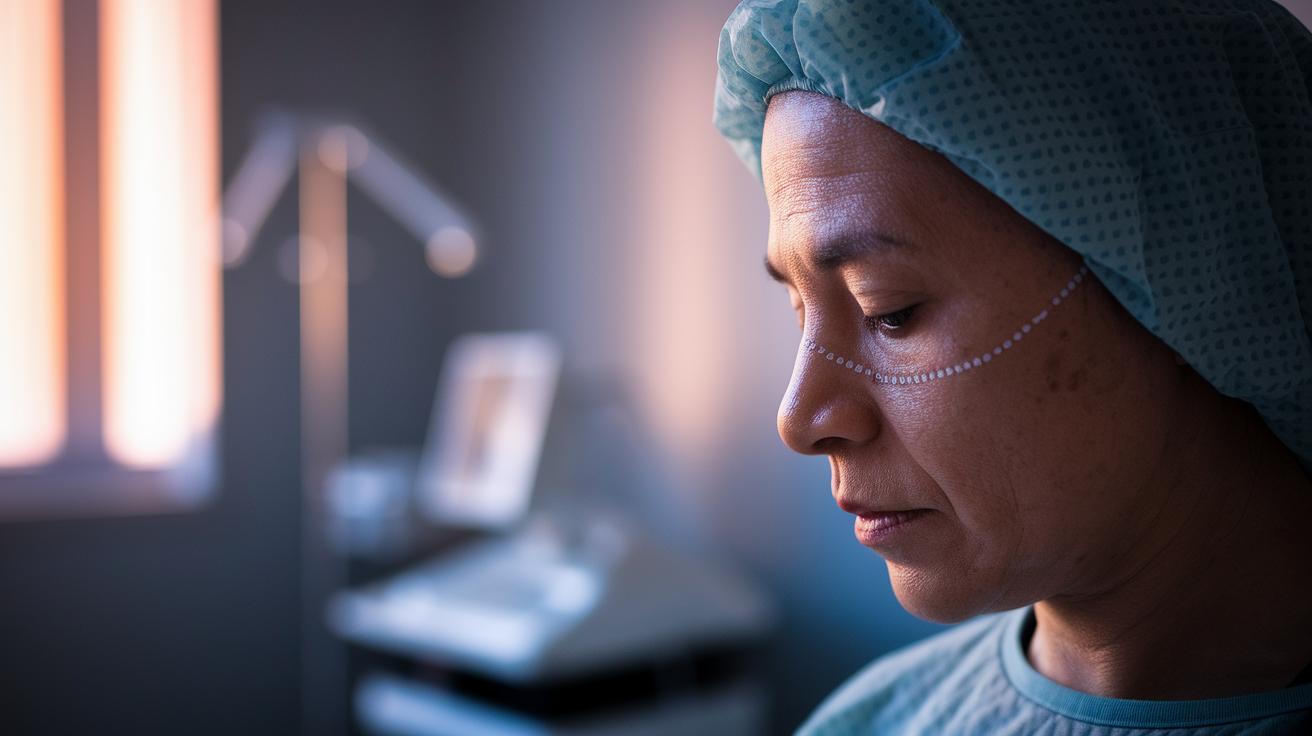
When we think about cosmetic surgery, it's important to keep an eye on any long-term issues that could pop up later. Even if problems like tight or raised scars, changes in feeling, or ongoing discomfort only happen in a small number of cases, they can still make a big difference over time. That's why regular check-ups are so key, they help catch these problems early so that little tweaks or revisions can be made before they really affect your quality of life.
Each type of surgery comes with its own set of challenges, and the rates at which revisions are needed can vary a lot. For instance, a typical facelift might only need a touch-up in less than 5% of cases. On the other hand, procedures like breast augmentation have about a 20% chance of needing adjustments over ten years. By keeping a close watch on changes during recovery, like swelling or bruising, we get a clearer picture of how safe and effective each procedure really is.
| Procedure | Complication Rate (%) | Revision Rate (%) |
|---|---|---|
| Facelifts | 5 | 5 |
| Breast Augmentation | 10 | 20 |
| Liposuction | 3 | 7 |
Tracking these numbers is really important for making sure we continuously improve the safety and success of cosmetic treatments. If changes like altered sensation or visible scarring show up, regular follow-up appointments mean they can be dealt with quickly and effectively. This careful, data-driven approach helps ensure that even as our bodies change with age and lifestyle, everyone gets the right care to keep their results looking great over time.
Recovery Timeline and Follow-Up Care for Sustainable Patient Outcomes in Cosmetic Surgery

When you go for cosmetic surgery, your recovery time can differ based on the type of procedure. For instance, if you’re getting a facelift, you might notice initial healing in about 2-3 weeks. Breast augmentation could take around 4-6 weeks, and liposuction often shows signs of recovery in just 1-2 weeks. Knowing these time frames helps you set realistic expectations and plan your routine once you’re back home.
Following up with your surgeon is key for long-lasting results. In the early days, you may have weekly check-ups for the first month. After that, your doctor might switch to quarterly visits in the first year and then recommend annual appointments. This regular schedule lets you keep a close eye on your healing and quickly address any issues. For more details, you can check out the recovery after plastic surgery page.
Your recovery might also include some extra steps to boost your healing process. Techniques like lymphatic massage help cut down swelling by stimulating your body’s natural drainage system, while a balanced nutrition plan supports overall tissue repair. These strategies, worked into your standard care, can lead to a smoother, faster recovery.
When you know what to expect and have thorough follow-up care, it really makes a difference. Many patients find that clear timelines and extra support lead to better results, both in how they look and feel overall.
Procedure Longevity in Cosmetic Surgery: Facelifts, Body Contouring, and Implants Over the Long Term
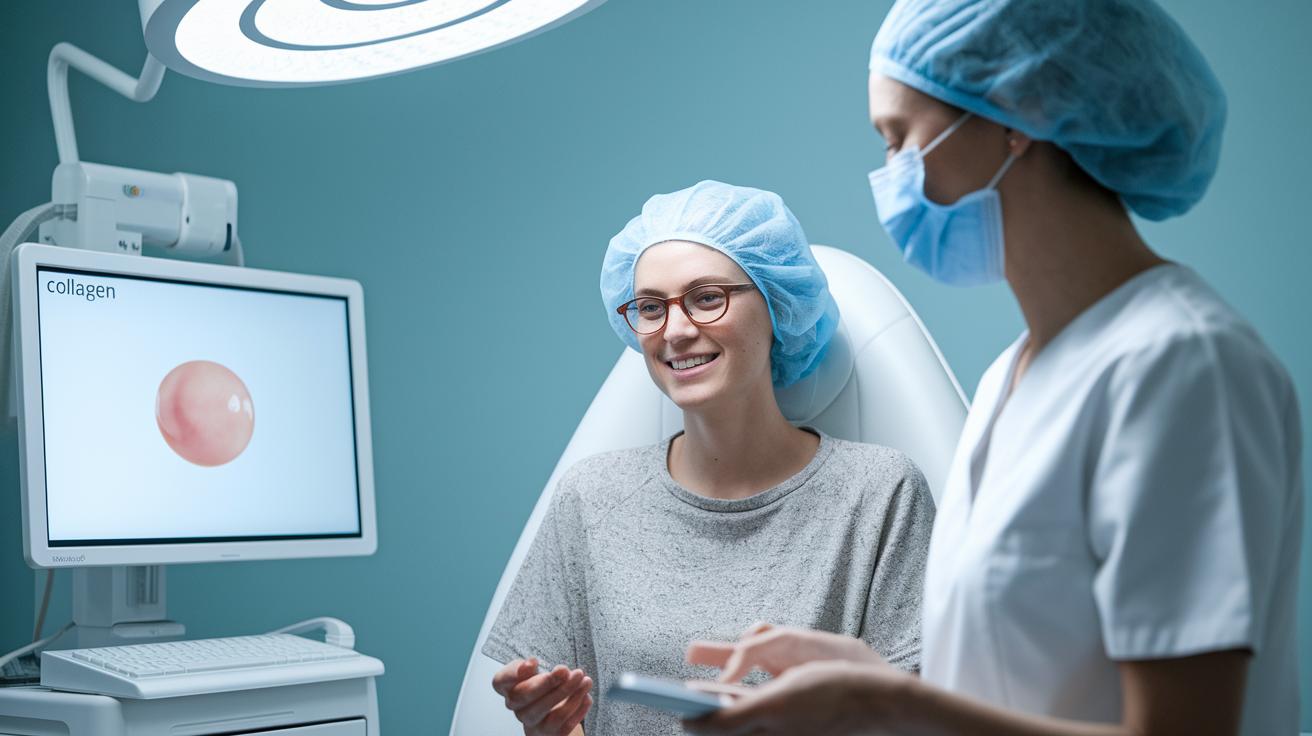
Recent findings suggest that your unique genes might shape how your skin reacts to a facelift. Surgeons are now exploring new skin tightening methods that gently boost your body’s natural collagen production, which could help your facelift results last even longer. It’s interesting to note that some research shows people with naturally higher collagen levels tend to enjoy longer-lasting outcomes.
When it comes to body contouring, personalized care after the procedure really makes a difference. With improved liposuction techniques and careful handling of soft tissues, paired with custom weight management plans, patients can maintain their ideal shapes for years. For instance, one patient shared that sticking to a tailored recovery plan helped keep their silhouette looking great long after treatment.
Innovative implant materials are also changing the game. New surface designs and body-friendly coatings work in harmony with your tissues to ease inflammation and promote natural integration, which could mean fewer follow-up surgeries. Imagine a patient whose personalized monitoring routine, attentive to their unique health needs, caught small issues early, setting a new standard in how implants are managed over time.
Quality of Life and Patient Experience in Long-Term Cosmetic Surgery Outcomes

Cosmetic surgery can do more than change your look, it can lift your spirit too. Studies show that many patients gain lasting boosts in self-esteem and enjoy a more active social life for over five years after their procedure. It’s like feeling a gentle surge of warmth every day, from how you greet a friend to how you handle work and family time. Experts even mix in factors like age, skin elasticity, and lifestyle habits to help us understand why results can improve over time. One patient said, "I’ve felt genuinely stronger in social settings ever since my procedure, and that boost has lasted through the years." These insights highlight that cosmetic enhancements offer benefits well beyond just the physical change.
But the journey isn’t always a smooth ride. Some patients mention they still have moments of anxiety or concerns about their body image even after enjoying the aesthetic gains. This reminds us why following evidence-based recovery steps and having continued support really matters. As another patient shared, "While I’m thrilled with the results, I’ve had moments of doubt that remind me the journey isn’t only about appearances." Balancing physical satisfaction with a few emotional ups and downs shows just how important ongoing, patient-focused care is to making the most of every cosmetic surgery experience.
Final Words
In the action, the blog broke down data-backed success rates, recovery timelines, and the nuances of procedure longevity. It touched on how realistic expectations and follow-up care play a role in durable results.
Patient experiences, satisfaction metrics, and quality of life improvements were also highlighted. Embracing scientific data helps guide informed choices for long-term patient outcomes cosmetic surgery, leaving us optimistic about safe, advanced treatments and lasting confidence.
FAQ
What are the long-term side effects of plastic surgery?
The long-term side effects of plastic surgery can include scarring, altered sensation, and potential need for touch-up procedures. Outcomes depend on the surgery type, technique used, and individual healing response.
What are the negative effects of plastic surgery on society?
The negative effects on society can involve increased pressure for idealized appearances and unrealistic beauty standards. This may influence self-esteem and societal expectations around normal aging.
What disadvantages does plastic surgery have?
Disadvantages of plastic surgery include risks of complications, prolonged recovery times, and financial costs. Outcomes vary, and careful consultation and realistic expectations are key to minimizing drawbacks.
How does plastic surgery affect mental health?
Plastic surgery can boost self-esteem when expectations match outcomes, but it may also lead to anxiety and dissatisfaction. Psychological support during decision-making can help maintain a positive wellbeing.
What do cosmetic surgery risk statistics show?
Cosmetic surgery statistics reveal low overall complication and revision rates, though risks like scarring and infection persist. Patient-specific factors and surgeon expertise are critical for minimizing these risks.
What are the side effects of facial plastic surgery?
Facial procedures may result in scarring, asymmetry, or nerve changes. Outcomes vary with surgical technique, individual healing, and proper follow-up care, which all work to reduce adverse effects.
What do photos of plastic surgery gone wrong show?
Photos of unsatisfactory results often display poor symmetry, noticeable scarring, and unexpected outcomes. These examples underscore the need for thorough research, skilled surgeons, and realistic expectations.
Are there any long-term effects of plastic surgery?
Long-term effects can include enhanced appearance that persists for several years along with occasional complications. Regular check-ups and healthy lifestyle choices help maintain positive results over time.
What happens 10 years after a facelift?
Facelifts usually offer rejuvenation for 7–10 years before natural signs of aging reappear. Continual skin care and healthy habits help sustain the results achieved by the procedure.
What is the regret rate for cosmetic surgery?
The regret rate for cosmetic surgery is low, with studies showing rates below 5%. Clear communication and realistic goals with a skilled surgeon help contribute to high patient satisfaction.
Do patients experience better outcomes with female surgeons?
Some findings suggest that patients may feel more comfortable with female surgeons due to effective communication. Ultimately, outcomes rely on surgical skill and the individual needs of each patient.


