Have you ever wondered if a computer could notice even the tiniest wrinkle or dark spot on your skin? Today, AI tools in cosmetic treatments are making that possible. These smart systems study detailed images and offer simple, personal insights about your skin, much like a digital check-up that shows exactly where you might need a little extra care.
This blend of modern tech and expert advice is really changing how treatments are planned. It means care is more focused, and you get a clear picture of what your skin needs to look its best.
Comprehensive AI Diagnostic Tools for Aesthetic Medicine

Artificial intelligence diagnostic tools in aesthetic medicine use smart computer programs to check skin and facial conditions. They work by scanning high-quality images to spot signs of aging such as wrinkles, dark spots, and acne. It’s like a digital check-up that takes a close look at your skin to see where it might need a bit of extra care.
The real strength of these tools is in their accuracy and the clear data they provide. They use automated methods to notice small differences in skin texture and tone, so every patient gets advice that feels personal. Think of it as getting a simple report card for your skin, where every detail is backed up by careful computer analysis.
These systems are quickly becoming an important part of how doctors plan treatments. During a visit, the detailed analysis from the technology sparks clear conversations about treatment options and what you can expect. Patients leave with a better understanding of their skin's health and a plan that fits their needs. In short, these AI tools blend expert advice with solid data, making decisions easier for everyone.
Core Technologies Behind AI Diagnostic Tools in Aesthetic Medicine
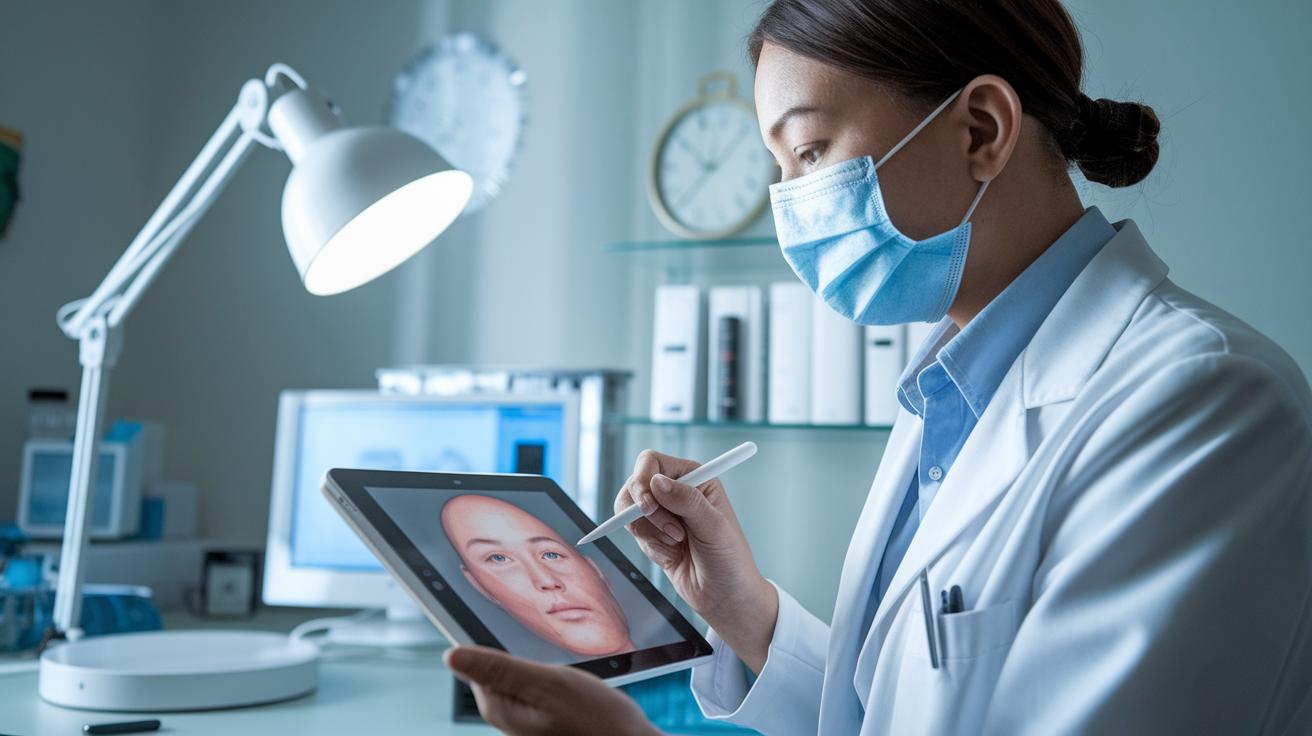
Artificial intelligence uses deep learning and neural networks to check skin health. These systems study detailed images to catch tiny differences in skin texture and spots. For example, they can notice even the smallest changes in pigment or wrinkle patterns. This kind of machine learning helps pull out important skin details automatically.
Convolutional neural networks are key to mapping skin structures. They work by examining skin conditions in real time, quickly marking out lesions and wrinkles to create a clear skin map. This neural network approach makes beauty assessments practical, letting us measure skin features accurately.
More advanced models use a mix of data, like genetic information, daily habits, and clinical history, to boost accuracy. This blend helps the systems offer clear insights into things like collagen strength and skin elasticity. By merging deep learning with detailed patient data, these tools can fine-tune diagnostics for issues from fine lines to complex pigmentation, making sure treatment plans are both personal and backed by solid science.
Leading AI Diagnostic Platforms in Aesthetic Medicine
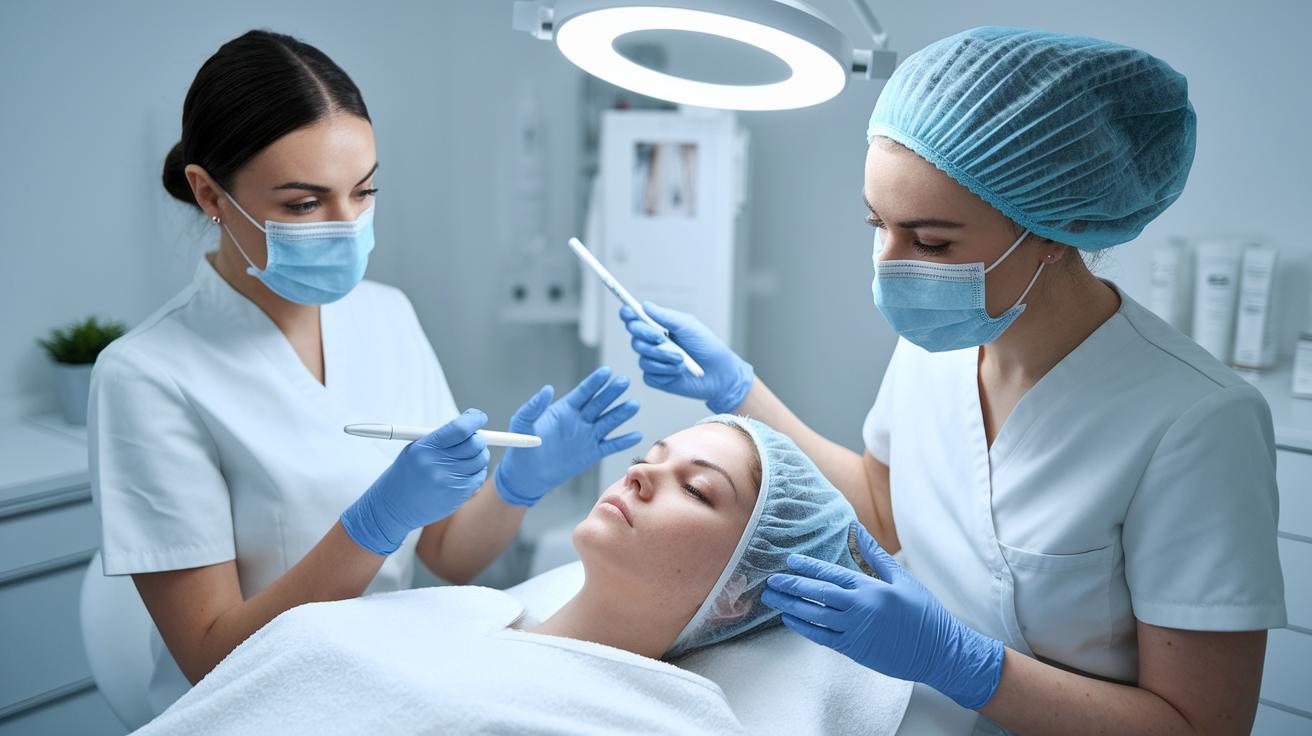
Aesthetic medicine professionals now have modern tools that mix clear, high-resolution images with smart analysis. These platforms help doctors see important details, making it easier to plan treatments during a visit.
- Haut.AI’s SkinGPT: This tool checks over 15 aspects of your skin, like hydration, pigmentation, texture, and fine lines, and it does so with nearly 98% accuracy.
- Perfect Corp’s AI Filler Simulator: It scans your face in real time and shows a simulation of how injectable treatments, such as lip fillers, might look.
- Aesthetic Record: This system links AI-enhanced medical records with scheduling and documentation, while also pairing with simulators to support data-based consultations.
- EntityMed’s Interactive Tool: It examines factors like skin color, bone structure, and tissue depth to suggest where fillers might work best, using computer-assisted reviews for pigmentation.
- Revieve Skin Coach and Makeup Advisor: This tool combines smart algorithms with augmented reality try-ons to offer personalized product and treatment ideas, already serving users in over 40 markets.
Choosing the right AI platform means looking for accurate results, smooth integration with your current systems, and a design that's easy to use. Each tool gives clear treatment guidance and dependable diagnostic support, helping to make each patient consultation both data-driven and personal. These platforms blend the power of smart computer systems with the hands-on needs of modern cosmetic practice, making them a great help in fine-tuning treatment plans and boosting patient confidence.
Clinical Benefits of AI Diagnostic Tools in Aesthetic Medicine

Predictive analytics gives patients a clear, visual idea of what they might look like after procedures such as rhinoplasty or facelifts. When you see a digital image that shows potential results, it helps you feel more confident about your decision, it’s like getting a sneak peek at a new version of yourself.
Patients also love these tools because they break down complicated skin issues into straightforward, data-driven insights. Whether it’s about wrinkles, pigmentation, or skin texture, the detailed analysis makes recommendations easy to understand. Think of it as getting a personal skin report that guides you through the consultation with clarity and ease.
These AI tools offer a blend of risk reduction, early warning signals, and tailored treatment plans. By looking at things like genetic information, lifestyle choices, and your skin’s history, the system personalizes treatments for each individual. It can spot early signs of conditions like melanoma through precise image analysis and helps fine-tune filler applications to avoid overcorrection. This careful, data-backed approach not only minimizes risks but also builds a trusting connection between you and your provider, ensuring safer and more effective care.
Integrating AI Diagnostic Tools into Aesthetic Medicine Workflows

In busy clinics, AI automation takes care of many everyday tasks, so daily operations feel smoother and more efficient. Smart systems handle everything from scheduling appointments to updating electronic medical records and managing patient follow-ups. This means staff can focus more on patient care instead of getting bogged down by routine admin work. Think of it as a quiet, behind-the-scenes helper that reduces errors and keeps everything on track.
AI tools also change the way clinics connect with patients. Chatbots now answer common questions, book appointments, and even conduct pre-consultation check-ins, all in real time. With this instant feedback, patients receive clear information when they need it, making each interaction feel both personal and proactive. Imagine a friendly guide available around the clock, ready to help you navigate your treatment journey.
Data management gets a major boost, too. Automated systems work hand-in-hand with existing electronic records, accurately transcribing consultation notes and minimizing manual mistakes. They pull together details from past visits and treatment specifics to create a complete picture for tissue assessment. With continuous, real-time feedback, clinics enjoy smoother data flow, better treatment planning, and a more reliable overall system.
Challenges and Ethical Considerations for AI Diagnostic Tools in Aesthetic Medicine
AI diagnostic tools can really boost how clinics care for their patients, but many practices find themselves facing a few bumps along the way. For instance, the high costs for software subscriptions, expensive hardware, and the time needed for staff training can put a strain on budgets and day-to-day operations. It’s a bit like adding a new gadget to your favorite toolset, the setup phase might be a challenge, even though the end result is often very rewarding.
Ethical concerns are also a big part of the discussion. Consider issues like algorithm bias, making sure patients fully understand automated recommendations, and keeping everything transparent. Clinics need to follow safe data practices by using secure storage and encryption, which means patient information is protected and in line with HIPAA, a set of rules designed to guard your privacy. Regular checks and audits can help build trust, but differences in vendor support and challenges with customization mean that close oversight remains essential to steer clear of unexpected problems.
| Factor | Impact Level |
|---|---|
| AI software fees | High |
| Hardware costs | High |
| Staff training | Moderate |
| Data security | Critical |
| HIPAA compliance | Critical |
| Customization | Variable |
| Maintenance | Moderate to High |
| Vendor support | Variable |
AI Diagnostic Tools in Aesthetic Medicine: Thrive
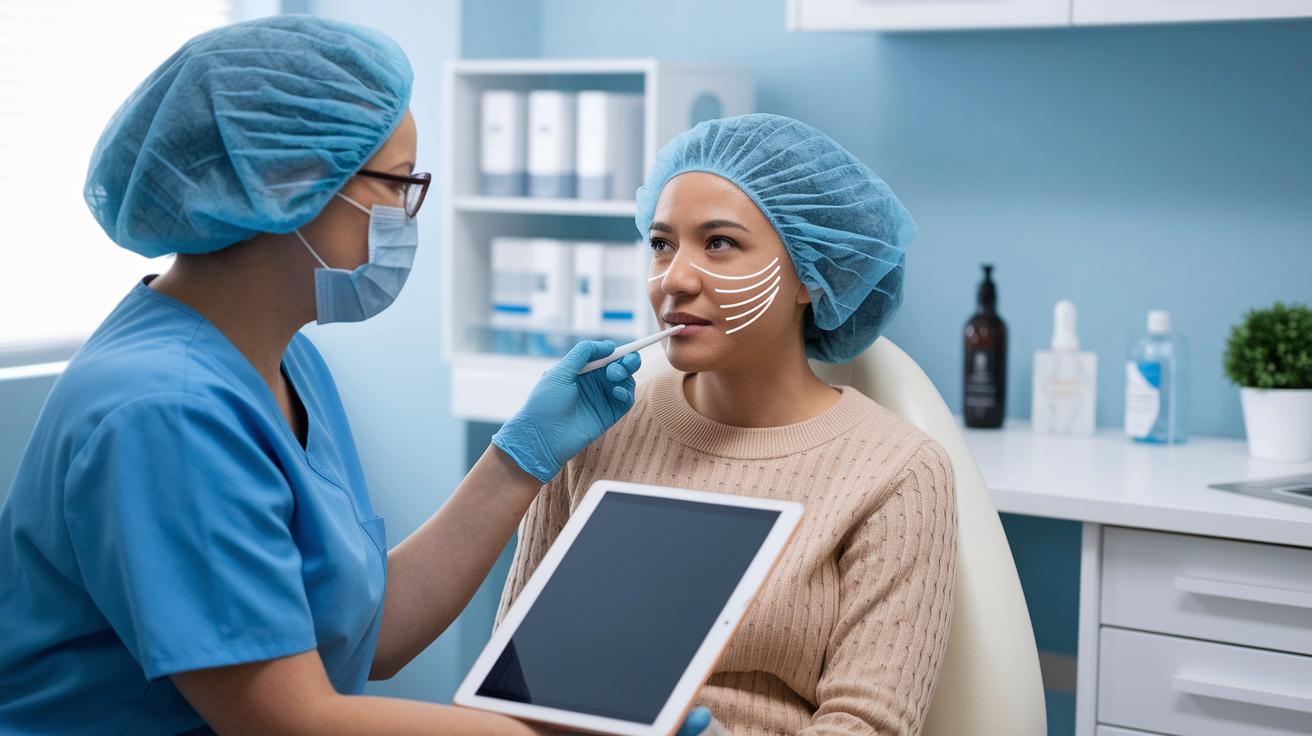
Augmented reality is making its mark in aesthetic medicine by letting you see potential treatment outcomes in real time. During a consultation, an AR platform can overlay a digital preview on your image, showing exactly how a wrinkle therapy might smooth fine lines. This live simulation helps you set realistic expectations and feel more confident about your choices.
Robotic systems are also stepping up to enhance cosmetic treatments. With innovations like micro-robotic resurfacing and guided injectable procedures, these tools allow doctors to be even more precise. They fine-tune each treatment, lowering risks and ensuring more consistent results. It’s like having an extra pair of steady hands during your procedure.
Advanced predictive analytics and multimodal imaging further boost this tech-driven approach by helping forecast long-term outcomes. By combining various imaging techniques, 3D, thermal, and spectroscopic, doctors can better understand your tissue. This means each treatment is tailored more closely to your individual needs.
Final Words
In the action, this post explored how AI diagnostic tools in aesthetic medicine streamline skin evaluations and treatment planning. It showed how machine learning and computer vision sharpen diagnostic precision and offer data-backed insights for personalized care.
The blog highlighted top platforms, clinical benefits, workflow integration, and even ethical considerations. It all paints a picture of a future where technology and compassionate care work hand-in-hand to support safe, smart cosmetic decisions. Enjoy the promise of a brighter, tech-supported tomorrow!
FAQ
How did AI diagnostic tools in aesthetic medicine evolve in 2022?
The AI diagnostic tools in aesthetic medicine in 2022 improved skin assessments by using advanced algorithms to evaluate skin conditions, offering precise analyses of wrinkles, pigmentation, and acne for more personalized treatments.
How were AI diagnostic tools used in aesthetic medicine in 2021?
The AI diagnostic tools in aesthetic medicine in 2021 focused on leveraging machine learning for early skin condition detection, helping clinicians plan treatments efficiently and accurately assess skin health.
What are AI diagnostic tools?
The AI diagnostic tools refer to systems that use machine learning algorithms to analyze skin images and patient data, providing accurate evaluations and supporting personalized treatment plans in aesthetic medicine.
What is AI for predictive healthcare diagnostics?
The AI for predictive healthcare diagnostics uses data-driven algorithms to forecast treatment outcomes by analyzing patient history, genetic data, and lifestyle factors, which aids in proactive health management.
What is the best AI tool for medicine?
The best AI tool for medicine varies by application, but many platforms, like Haut.AI’s SkinGPT, achieve high accuracy in skin assessments by integrating advanced imaging and real-time data analysis.
How is AI used in medical diagnosis and treatment?
The AI use in medical diagnosis and treatment involves processing high-resolution images and clinical data to provide accurate assessments, assist with treatment personalization, and support decision-making during patient consultations.


