Ever wondered if a computer could show you your future look? AI-driven predictions now offer a glimpse of the changes you might see before any procedure. These smart systems use 3D images and simple data checks to create a personalized preview, helping you feel more confident and less worried about the process.
It’s like having a friendly guide that turns complicated details into an easy-to-follow plan, so you and your doctor can work together as a team. In this article, we take a closer look at how these innovative tools are changing the way treatments are planned, with both precision and genuine care.
Understanding AI-Driven Cosmetic Outcome Predictions

AI-driven cosmetic outcome predictions are changing how patients plan their procedures. These tools use smart computer programs that learn from lots of data to offer advice that fits each person perfectly. They take 3D images of your face, capturing details like skin texture and structure, to provide ideas on what you can expect. Imagine this: one tool can quickly go through thousands of images in just minutes, showing how fast and accurate it is.
Predictive surgery modeling works by looking at facts like skin elasticity, age, and facial structure to paint a picture of potential post-surgery results. It’s like mixing a recipe: you have data, some digital visuals, and a whole lot of care. With interactive previews, patients can see a virtual version of their new look before going under the knife. These digital previews help both patients and surgeons plan better, reduce risks, and make sure everyone’s on the same page. Every step, from the first chat with your doctor to the final prediction, is backed by clear evidence and a focus on what matters most: you and your goals.
In short, AI-driven cosmetic outcome predictions give you a clearer view of what to expect, making it easier to feel confident and ready for your journey ahead.
AI Methodologies for Predictive Cosmetic Outcome Modeling
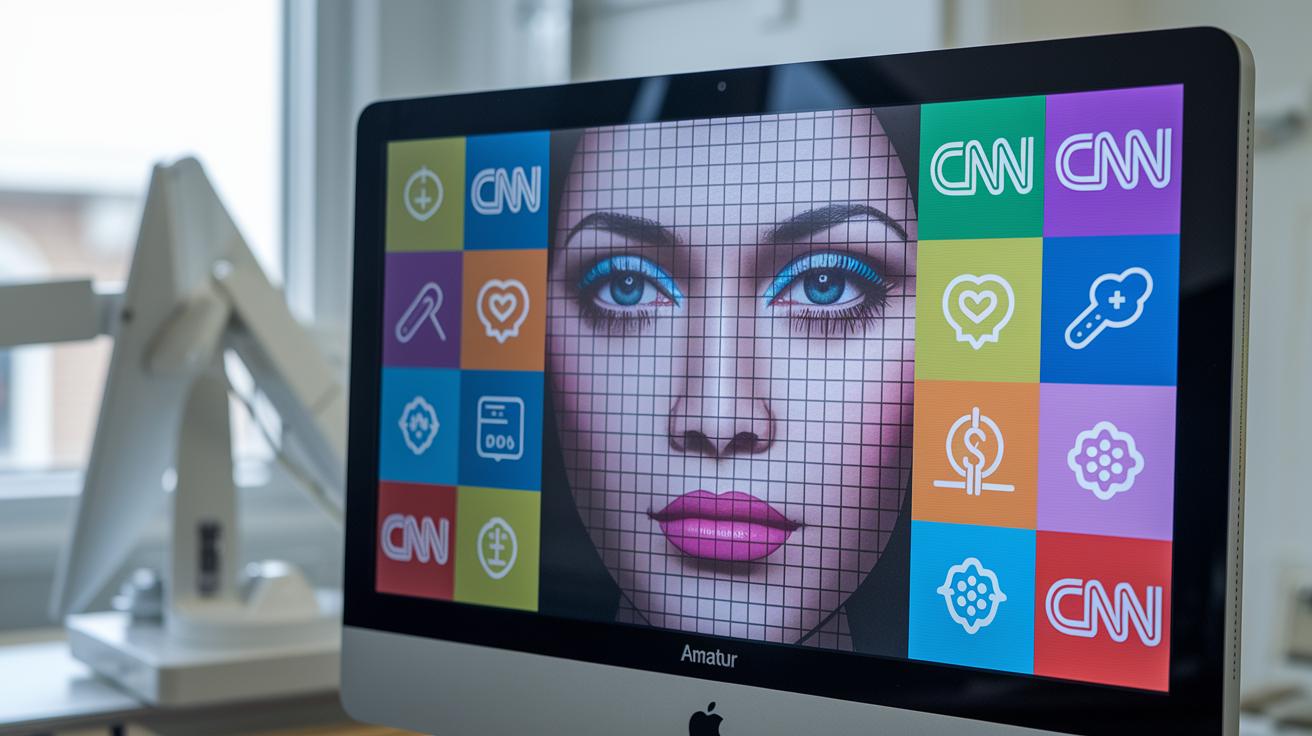
Convolutional neural networks help us study facial features by splitting images into simple layers, kind of like a digital filter that picks up on skin texture and contours. These networks look at every pixel so you get a complete picture of your face. Imagine a tool that scans your face in seconds and points out spots that might need a little tweak.
Ensemble learning mixes different models to review clinical records, making beauty evaluations more reliable. By combining strengths from various algorithms, doctors get insights that match each patient’s unique data instead of a one-size-fits-all approach. Think of it like having a team of experts who offer personalized advice tailored just for you.
Generative adversarial networks, or GANs, work by pitting two networks against each other to create realistic post-op images. One network generates possible images while the other checks for authenticity, fine-tuning the results so they look true to life. It’s similar to having a built-in quality check that can even pick up details as small as a few millimeters.
These smart AI methods bring together scientific accuracy and personal care. They work side by side to give both patients and doctors extra confidence when planning cosmetic decisions. For more details, see the role of AI in aesthetic medicine (https://cosmeticsurgeryinsider.com?p=1207) and artificial intelligence in medicine (https://factcheckx.com?p=1800).
Data Sources Powering Predictive Cosmetic Outcome Predictions
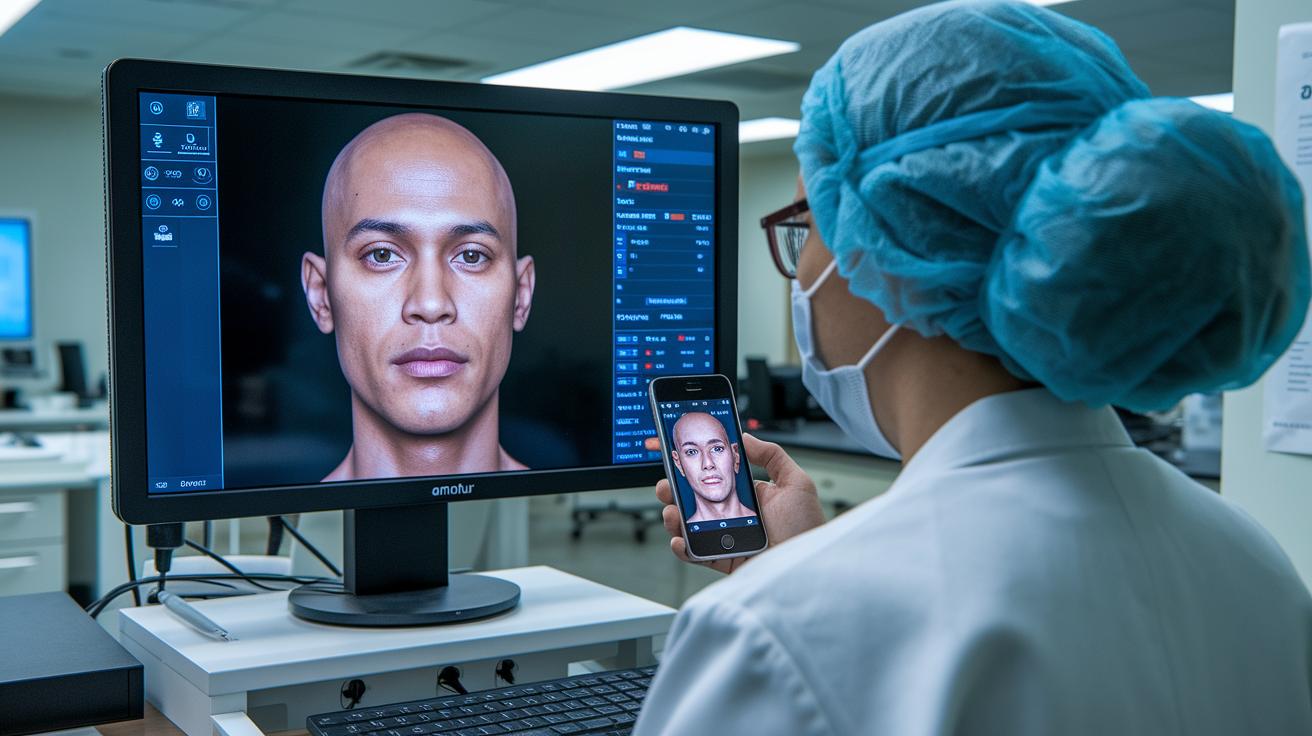
AI models bank on a wide range of data to offer very personal predictions for cosmetic results. They carefully examine clear, high-quality 3D scans of faces and bodies to look at details such as uneven features and skin textures. Imagine a scan that picks up every curve and line of your face, allowing the system to spot even the smallest differences that matter when planning a procedure.
These systems also include details like your age, skin type (Fitzpatrick is a way to classify how your skin reacts to the sun), medical history, and even your genes. Think of it as putting together a puzzle where every piece makes a difference. Each bit of data, from your unique skin classification to records from many other cases, adds depth to the overall picture. Measurements like skin elasticity and key facial landmarks further guide the prediction, showing changes from tiny texture shifts to overall shape adjustments.
Data solutions work to link clinical records with detailed visual scans. For example, an algorithm might compare a patient’s skin elasticity with similar cases, predicting how the healing process may go and what the final contours will be. By blending information from many sources, the system creates a prediction that fits closely with your natural features. This complete mapping gives both patients and doctors clear, objective insights, helping everyone make informed decisions.
Interactive Simulation & Digital Result Visualization for Cosmetic Predictions
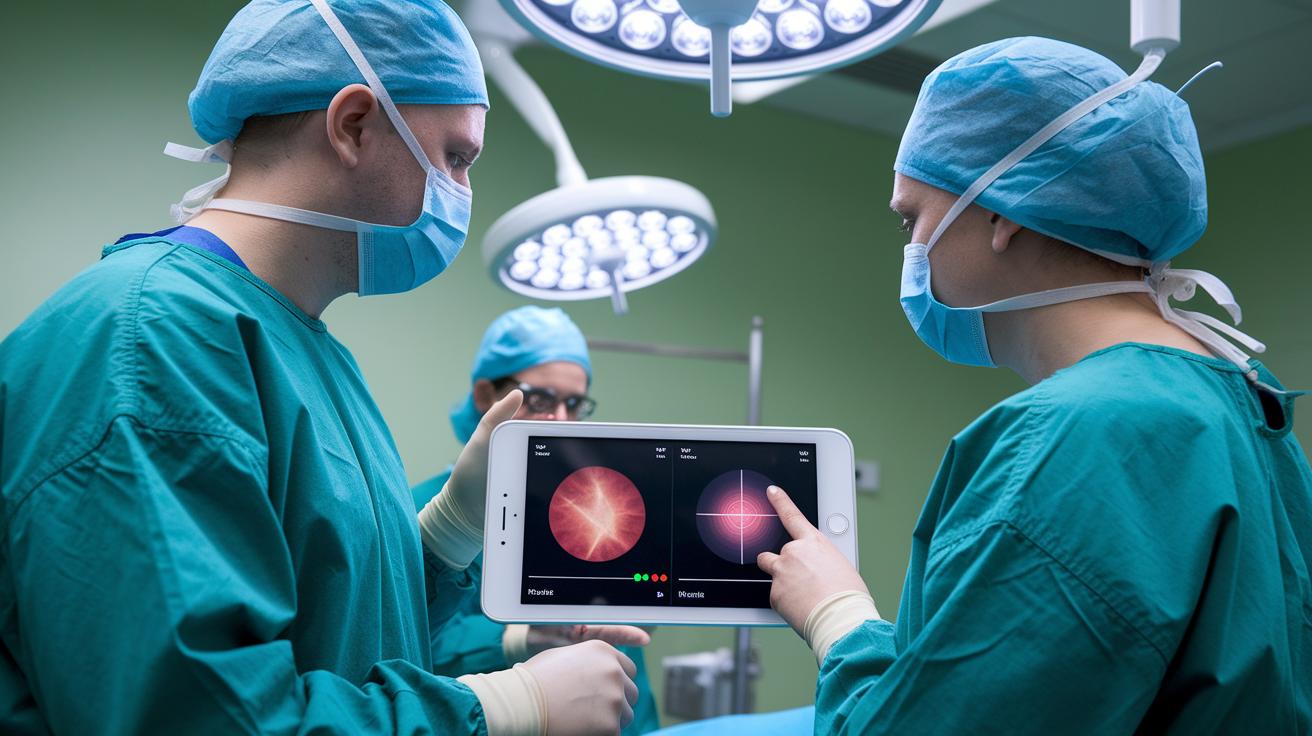
Our AI-driven simulation platforms let you and your surgeon explore lifelike before and after images in real time. You can adjust details like volume, shape, and wrinkle smoothing with simple controls. It’s almost like changing the brightness on your phone – one patient even remarked how natural it felt.
During your virtual consultation, you can try different enhancement effects to see how even small changes might alter your overall look. For example, tweaking the volume in one spot might affect the balance elsewhere. This easy-to-see preview gives you a clear idea of your potential results and builds confidence in your choices.
Surgeons also use these tools to plan out the procedure, showing you each step as it might happen. This shared visual experience helps both you and your doctor understand and agree on the changes, making the entire process feel more real and less intimidating.
- Adjust details like volume and contours
- See dynamic, real-time previews
- Improve communication and shared understanding
By using digital result visualization, cosmetic experts empower you to make informed decisions. It’s a simple way to boost confidence and get ready for your transformation.
AI-Driven Surgical Planning & Real-Time Procedure Support
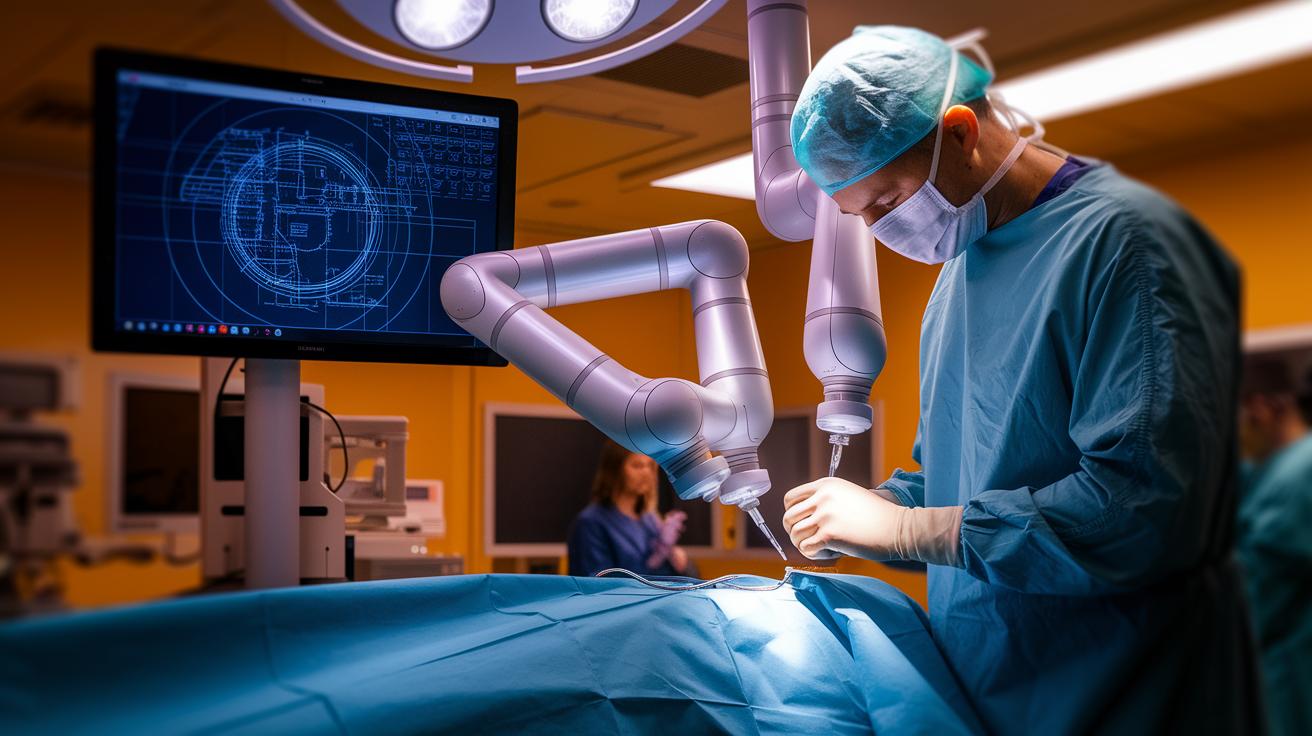
AI is changing how surgeries are planned. It works like an automated tool that creates a digital blueprint for the operation. This blueprint shows clear maps for incisions, guides for placing grafts, and charts that detail how to distribute volume. Think of it as a very detailed plan that makes every step of the surgery predictable and safe.
During the procedure, AI lends real-time support. Robotic tools, driven by smart AI algorithms, work with remarkable precision on delicate tasks such as shaping tissue and positioning implants. It's like having an extra, highly accurate assistant who helps move instruments exactly where they belong.
This smart approach not only boosts the surgeon’s confidence but also helps lower the risks during the operation. The system keeps a close watch on the process, making adjustments as needed to ensure everything goes according to plan.
| Feature | Benefit |
|---|---|
| Digital Blueprints | Step-by-step maps and charts that guide the surgery |
| Robotic Assistance | Extra precision in tissue shaping and implant placement |
| Real-Time Guidance | Continuous monitoring and adjustments during the procedure |
Put simply, this blend of AI and robotic tools ensures every detail is carefully planned and executed. With this technology in place, patients can feel more secure knowing that the final results closely match the well-thought-out plan made before the surgery begins.
AI-Driven Cosmetic Outcome Predictions Boost Confidence
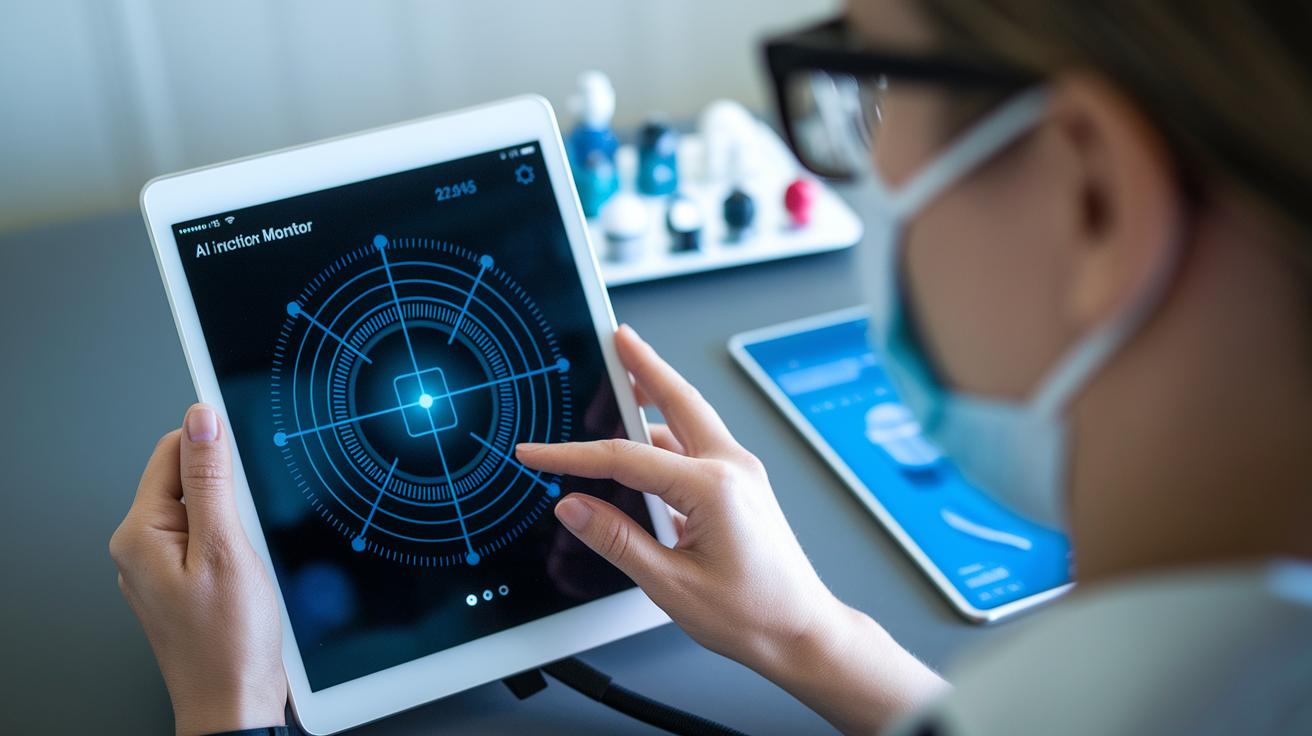
After your surgery, AI technology helps make sure your healing goes as smoothly as possible. It reviews images of your incisions and uses simple sensors to keep an eye on any unusual redness or slight swelling, much like having a smart helper that never misses a detail.
These smart systems compare what’s happening with thousands of past cases. If you notice a hint of unexpected redness or a tiny change, the system lets your doctor know right away. One patient even shared that when she spotted a small change in her scar, the AI tool immediately alerted her doctor, and that quick action brought her comfort.
A handy recovery visualization tool shows you exactly how your tissue is expected to heal in the upcoming days and weeks. This clear picture not only eases worries but also guides your doctor to make timely adjustments during that crucial early phase after surgery.
- AI-assisted review keeps a close watch on healing
- The predictive tool gives a realistic glimpse of future appearance
- Real-time checks ensure any issues are flagged early
By combining these advanced tools, recovery becomes a well-monitored and transparent process that boosts confidence and makes you feel truly cared for.
Benefits, Accuracy Metrics & Limitations of AI-Driven Cosmetic Outcome Predictions

AI-driven cosmetic outcome predictions offer a remarkable match between the expected results and what patients see after surgery. Studies have found that over 95% of the predicted contours align with actual outcomes. This high level of accuracy gives patients extra peace of mind and boosts their overall satisfaction with the procedures.
Like a well-tuned instrument, this technology produces very specific predictions while also helping to create personalized treatment plans. It carefully considers details like skin elasticity, facial structure, and age to ensure each simulation feels real and achievable. Patients appreciate these clear, data-driven assessments as they help reduce risks and prevent complications.
Moreover, the technology acts as a helpful tool for surgeons, flagging potential issues early on. Surgeons combine these algorithm-based projections with their own hands-on expertise to tailor each procedure. By merging precise data with the caring touch of experienced professionals, the approach remains both smart and personal.
That said, the system isn’t perfect. Sometimes uneven sample sizes or non-representative datasets can lead to biases in predictions, and privacy concerns about sensitive patient data persist. While AI plays an important role, it’s designed solely to support the surgeon’s expert judgment, keeping the decision-making process collaborative.
Ongoing research is focused on making these systems even better by boosting data diversity and ensuring greater transparency in handling patient information.
Future Trends in AI-Driven Cosmetic Outcome Predictions
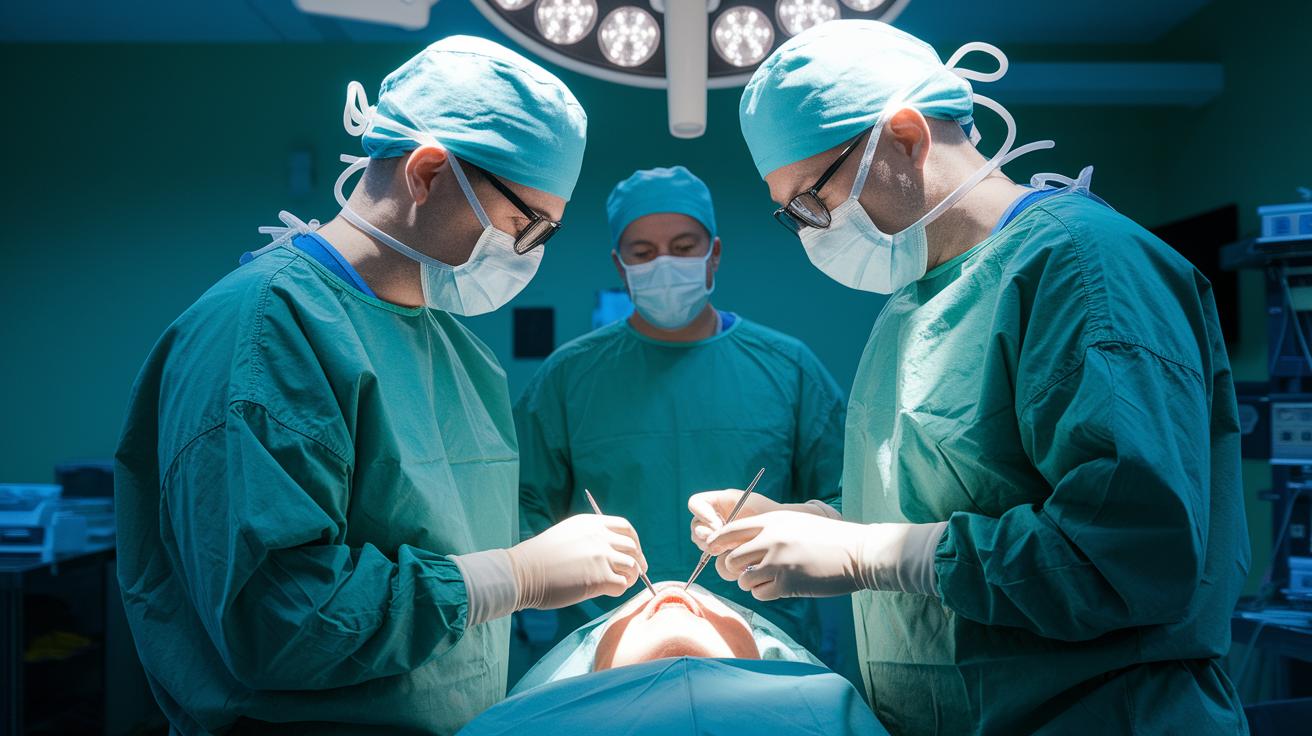
Advanced AI is set to change how we do cosmetic procedures. Soon, augmented reality will appear right in the operating room. Surgeons could see live digital guides showing incision lines and how tissues are acting. It’s like having an extra set of eyes that makes adjustments easier, and patients might even catch a glimpse of what their results will look like during the procedure.
Another cool trend is federated learning. Hospitals and clinics can pool anonymized data so the AI gets smarter without exposing private details. This means treatments can be more personalized because the system learns from a wider, yet secure, range of information.
Predictive analytics are getting a big boost too. New algorithms will track not only the immediate effects of a procedure but also how things change over time. They’ll consider things like how tissues heal and adjust afterward, giving a better idea of long-term outcomes.
We’re also looking at deeper collaboration between doctors and AI tools. Imagine treatment plans that adapt on their own as new patient data comes in. With safety-approved predictive modules on the horizon, every cosmetic procedure might soon be even more reliable and consistent.
Final Words
In the action, we saw how advanced AI helps simulate realistic cosmetic outcomes and guides precise surgical planning. The blog broke down how 3D imaging, deep learning, and interactive visualization work together through careful data gathering.
These insights empower you to understand and trust the process of aesthetic treatments. With ai driven cosmetic outcome predictions at the forefront, every step of your plan becomes clearer and safer. Enjoy the potential and promise of smarter, patient-centered care ahead.
FAQ
What are AI-driven cosmetic outcome predictions and how do they work?
AI-driven cosmetic outcome predictions use advanced algorithms, machine learning, and 3D imaging to forecast personalized post-procedure results by analyzing key factors like skin elasticity, age, and facial structure.
How is artificial intelligence changing cosmetic dermatology?
Artificial intelligence in cosmetic dermatology utilizes deep learning and interactive simulations to offer precise visualizations, guide treatment plans, and reduce complications, all while supporting clear patient communication.
What is the future of AI in the beauty industry?
The future of AI in beauty promises enhanced simulations, augmented reality overlays during procedures, and advanced predictive analytics, all aimed at providing more personalized and confident treatment decisions.
Is 90% of content predicted to be AI generated by 2025?
The idea that 90% of content will be AI generated by 2025 is speculative; current predictions vary widely and depend on evolving technology and changing industry practices.
Will AI replace dermatologists?
AI is designed to assist dermatologists by providing detailed data analysis and simulation support, serving as a tool to enhance clinical decisions rather than replace the skilled judgment of dermatologists.
What are the realistic predictions for AI in cosmetic dermatology?
Realistic predictions suggest that AI will continue to improve outcome simulations, treatment forecasts, and data-driven surgical planning, all while remaining a supportive tool that works in tandem with expert care.


