Have you ever wondered if a clinic’s front desk could run flawlessly without human error? AI is quietly reshaping the way aesthetic clinics manage everyday tasks. Simple jobs like booking appointments and sending reminders are now handled by smart systems, which means staff can spend more time connecting with patients. Think of it as shifting into a smoother gear that makes everything run better. In this post, we explore how modern technology is transforming routine tasks into opportunities for greater efficiency and a more personal patient experience.
How AI in Aesthetic Clinic Management Optimizes Operations

AI is changing the way clinics manage their daily tasks by taking over routine admin work. It neatly handles everything from scheduling appointments to sending follow-up reminders and even sorting through patient data. This not only speeds up day-to-day operations but also makes each patient visit a bit more personal by freeing up staff for hands-on care. Imagine a front desk that quickly adjusts to both busy and slow times, cutting down wait times and keeping everyone’s spirits high.
Key areas where AI makes a real difference include automating office tasks, optimizing resources, supporting smart decisions, and boosting patient engagement. For example, automated scheduling prevents double bookings, and AI-powered insights help tailor treatments to match patient needs. At the same time, better resource management means fewer supply issues and less equipment downtime. Tools like virtual consultations and tailored follow-up messages make the entire care process smoother. All of these improvements work together to make clinic operations not just faster but also much more patient-friendly.
AI-Driven Appointment Scheduling and Patient Engagement in Aesthetic Clinics

Booking appointments by hand can be really tough. When you rely on old-fashioned systems, you often end up with too many bookings, missed follow-ups, and long wait times. This can overwhelm the team and leave patients feeling frustrated. AI-powered systems solve these problems by adding precision and taking a load off the staff.
- Predictive booking based on past trends
- Automated SMS/email reminders
- Optimized calendars that adjust in real time
- Triage for virtual consultations
- AI chatbots to answer common questions
Using smart machine learning for appointment scheduling is making a big difference. For example, these systems study past trends to help book appointments at the best times, which cuts down on no-shows by nearly 25%. SMS and email reminders ensure that patients don’t forget their appointments, while smart calendar systems adjust quickly if plans change. Virtual consultations help sort patients efficiently, avoiding delays and overbookings. And those friendly AI chatbots tackle everyday questions, so staff can focus on more complex patient needs.
All these clever tools have helped clinics boost patient satisfaction and keep more patients coming back. Patients enjoy the easy, reliable scheduling experience, which makes every visit feel smoother and more personal. It’s all about making patients feel cared for and understood while keeping the clinic running like a well-oiled machine.
AI for Inventory Management and Resource Allocation in Aesthetic Practice

AI-powered systems offer real-time oversight of inventory. They continuously check stock levels and alert clinics when supplies need a top-up. For instance, if the system detects that a key treatment product is nearly gone, it sends out an automatic alert. This real-time view ensures clinics always know exactly what they have on hand.
And it doesn't stop at tracking supplies. Smart predictive algorithms now help forecast equipment downtime before it even happens. By looking at past usage, these systems can suggest when devices might soon need servicing or replacement. Think of it like planning ahead so that high-demand products get restocked promptly, while less popular items are ordered in moderation.
This intelligent strategy cuts down on waste and reduces the risk of running out of essential items. It keeps clinics running efficiently, saving both time and money. With AI-based monitoring, teams gain precise control over their resources, which frees them up to focus on patient care and overall service quality. The proactive use of these tools not only streamlines daily operations but also builds extra trust among staff and patients.
Data-Driven Treatment Planning with AI in Aesthetic Clinics

Today, many aesthetic clinics use smart AI tools to design treatment plans just for you. These tools look at things like your skin type, past treatments, and your personal preferences. They learn from huge amounts of data and get better every day, suggesting the best procedures that fit your unique needs. They even use images from your scans to double-check every recommendation. For example, one system uses deep learning, basically a computer method that sorts through millions of data points, to create truly custom treatment blueprints.
Case Study: AI-Powered Custom Facial Treatment
At one clinic, doctors relied on deep learning profiles to fine-tune facial treatments. The system checked out a patient’s skin history, current condition, and lifestyle, helping the team choose the right products and treatment strengths. When the AI suggested real-time tweaks, the clinician could adjust the procedure on the spot to create a balanced and youthful look. Every step of the way was backed by solid evidence and personalized to the patient’s skin profile.
In short, using AI for personalized planning makes treatments more precise, leads to predictable results, and boosts patient satisfaction by building trust and confidence in the care provided.
Implementing AI in Aesthetic Clinic Management: Best Practices and Challenges

Bringing AI into an aesthetic clinic isn’t always simple. There are tech hurdles, different workplace cultures, and strict rules to follow. Many clinics run into problems when they try to mix new tech with long-standing routines, or when staff aren’t sure about the changes. Plus, keeping up with laws for digital consent and cybersecurity can be tricky. To get past these bumps, clinics need to tackle the learning curve, encourage a spirit of innovation, and stick to all the needed regulations.
| Best Practice | Description | Timeline |
|---|---|---|
| Workflow Assessment | Map current processes | 2–4 weeks |
| Staff Training | Hands-on workshops | 1–2 weeks |
| Pilot Testing | Limited roll-out | 4–6 weeks |
| Security Audit | HIPAA & encryption review | 1–2 weeks |
Taking a proactive step with change management is key when you’re rolling out smart AI systems. It helps a lot to include everyone, whether you’re on the frontlines or in management, so that the switch feels smooth and they feel confident about the new tools. Clinics can set up clear plans to measure how well the new tools are working, like keeping track of how quickly tasks are finished or how many mistakes occur. Simple, hands-on workshops can fill both tech knowledge gaps and ease any worries about change, making it easier for everyone to trust new digital methods without putting patient care on the line.
Regular check-ins and feedback make sure there’s always room to get better and stay safe with cybersecurity rules and regulations. Working closely with team members and setting common goals across departments means the clinic can use its resources in a smarter way. In the end, these efforts uplift daily operations and create a better experience for patients.
Future Trends for AI in Aesthetic Clinic Management
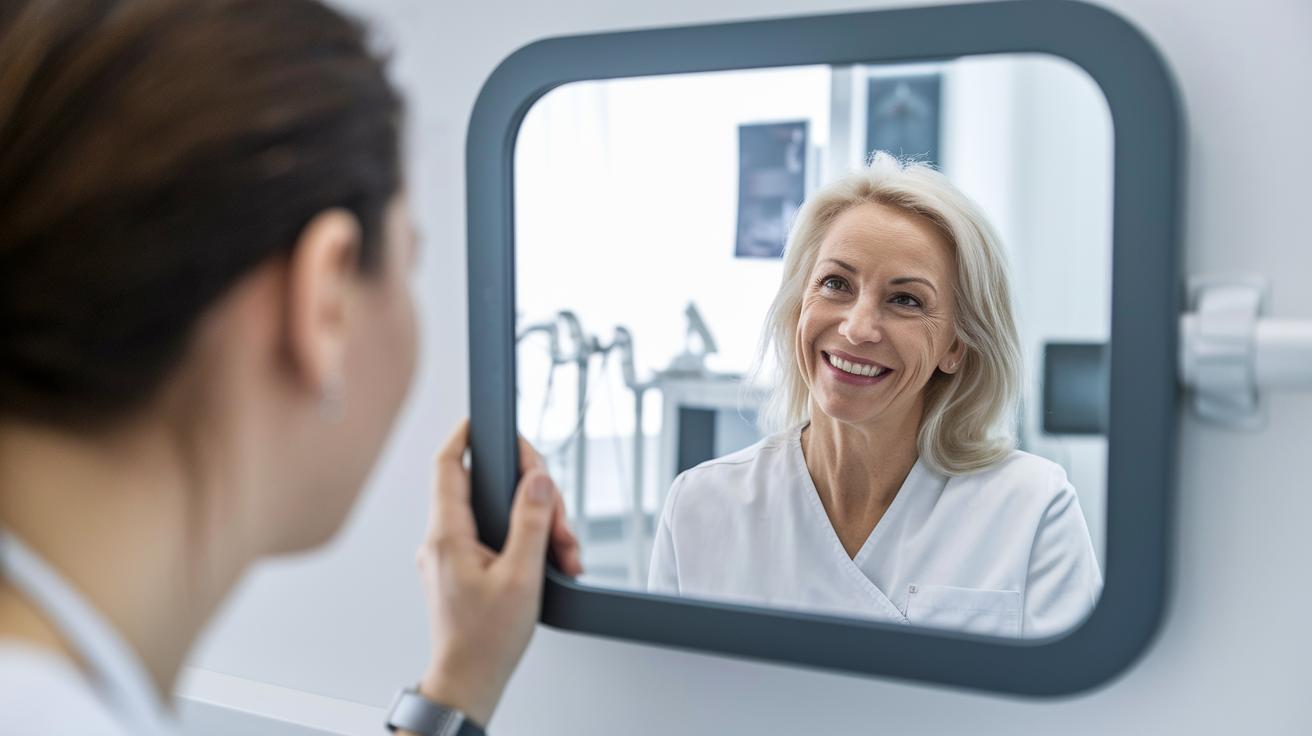
A whole new wave of AI is coming that will change how aesthetic clinics manage their day-to-day tasks. Imagine using augmented reality and virtual reality to see a clear, lifelike preview of your treatment results, sort of like looking into a magic mirror. At the same time, AI-powered simulations and 3D imaging help doctors plan treatments more reliably, guiding you through every step.
Remote consultations are starting to screen patients before they even step into the clinic, paving the way for smoother, more personalized visits. This technology not only boosts patient engagement but also makes it easier for clinics to run things efficiently.
Here’s a quick look at some exciting trends:
| Trend | What It Means |
|---|---|
| AR/VR outcome visualization | Patients get a realistic view of potential results before treatment begins. |
| AI simulation for procedure planning | Doctors use computer-generated models to plan procedures with more predictability. |
| Tele-aesthetics triage bots | Smart online tools help sort patient needs, making your visit more tailored. |
| Predictive analytics for revenue forecasting | Systems that forecast income trends so clinics can plan smarter. |
| Automated compliance monitoring | Tools that help clinics stay on track with health regulations automatically. |
These innovations point to a future where technology makes every visit better, faster, and more secure, ensuring you get the care you deserve.
Final Words
In the action, we explored how AI streamlines administrative tasks, boosts patient engagement, and sharpens resource management. The post showed practical examples like automated scheduling, inventory tracking, and data-driven treatment planning.
We also examined emerging trends such as AR/VR and tele-aesthetics to improve safety and outcomes. Embracing ai in aesthetic clinic management can pave the way for smoother operations and happier patients. Every step forward builds confidence and sets a solid foundation for the future.
FAQ
What does AI in aesthetic clinic management ppt show?
The AI in aesthetic clinic management ppt illustrates how automated workflows and data insights boost efficiency and patient care, offering a clear overview of streamlined operations and improved clinic performance.
How is AI in aesthetic clinic management shared on GitHub?
The AI in aesthetic clinic management GitHub provides open-source resources and projects that help developers integrate machine learning tools into clinical systems, enhancing process automation and performance tracking.
What are current and future trends in AI for aesthetic/cosmetic dermatology?
The AI in aesthetic/cosmetic dermatology trends reflect how current treatment planning and patient engagement methods are evolving. Advanced predictive models and personalized diagnostics promise improved outcomes and efficiency.


