Have you ever thought about surgery where computer systems help every step? Today, smart robotics and clear 3D images team up to guide surgeons with precise control. This concept has been growing for years, and now it helps reduce mistakes and eases the stress in busy operating rooms. Our article explains how these advances make procedures safer and more accurate, taking patient care to a whole new level.
How AI Surgery Transforms the Modern Operating Room

AI is changing surgery by merging smart computers with precise robotics to guide doctors during operations. Surgeons now use tools that give real-time advice and risk checks while they work. Did you know AI ideas in surgery go way back to 1955? This long history, mixed with today’s tech, lets doctors perform some procedures from a distance. It cuts down on mistakes and eases the workload on busy operating rooms.
Another big benefit is clearer views during surgery. Modern imaging now overcomes old problems like smoke blocking the view or flat images that hide key details. With AI, these images become detailed 3D pictures. This makes it easier for surgeons to check for exact cell differences. At times, experts can even join the surgery from far away using telepresence, as seen in studies like the one from March 3, 2025 on robotic cancer surgery.
Ongoing data collection is also a game changer. By using motion tracking, video data, and patient outcomes, AI learns and improves every day. This real-time feedback helps adjust surgical steps on the fly, making operations smarter and more adaptive. The result is safer procedures with tools that predict and reduce complications, setting a new standard for surgical care.
Core Algorithms and Intelligent Operation Tools in AI Surgery
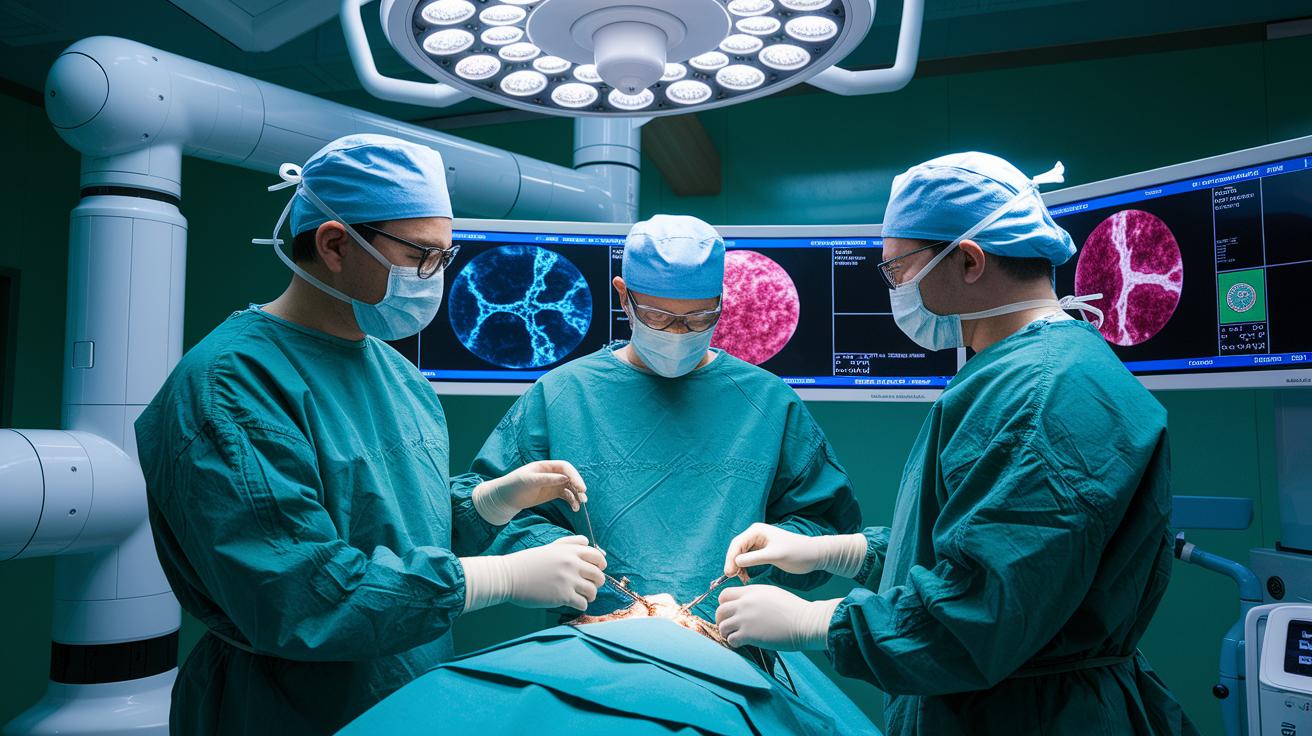
Today’s surgical robots gather lots of useful data. They record movements during a procedure, capture video while operations are in progress, and keep track of patient outcomes. This valuable information helps create strong machine learning systems that guide important decisions. Molecular imaging studies add another layer of clarity by marking up tissues so that the system can target them better. In simple words, all these bits of data work together to plan and refine surgical procedures, giving surgeons helpful insights in real time.
- Segmentation models clearly separate different tissue types.
- Predictive risk analytics help forecast possible complications.
- Instrument tracking monitors tool movements with precision.
- Anomaly detection spots any unusual patterns as they happen.
- Surgical workflow optimization streamlines decision-making during operations.
By bringing these smart algorithms into everyday surgery, raw data turns into clear, actionable insights. This means that surgeons can adjust their techniques on the fly, reduce complications, and make faster, more accurate decisions. In the end, the mix of machine learning, computer-guided planning, and deep learning insights turns the system into a supportive partner in the operating room, making surgery safer and more efficient for patients.
Robotic Platforms and Precision Incision Guidance in AI Surgery
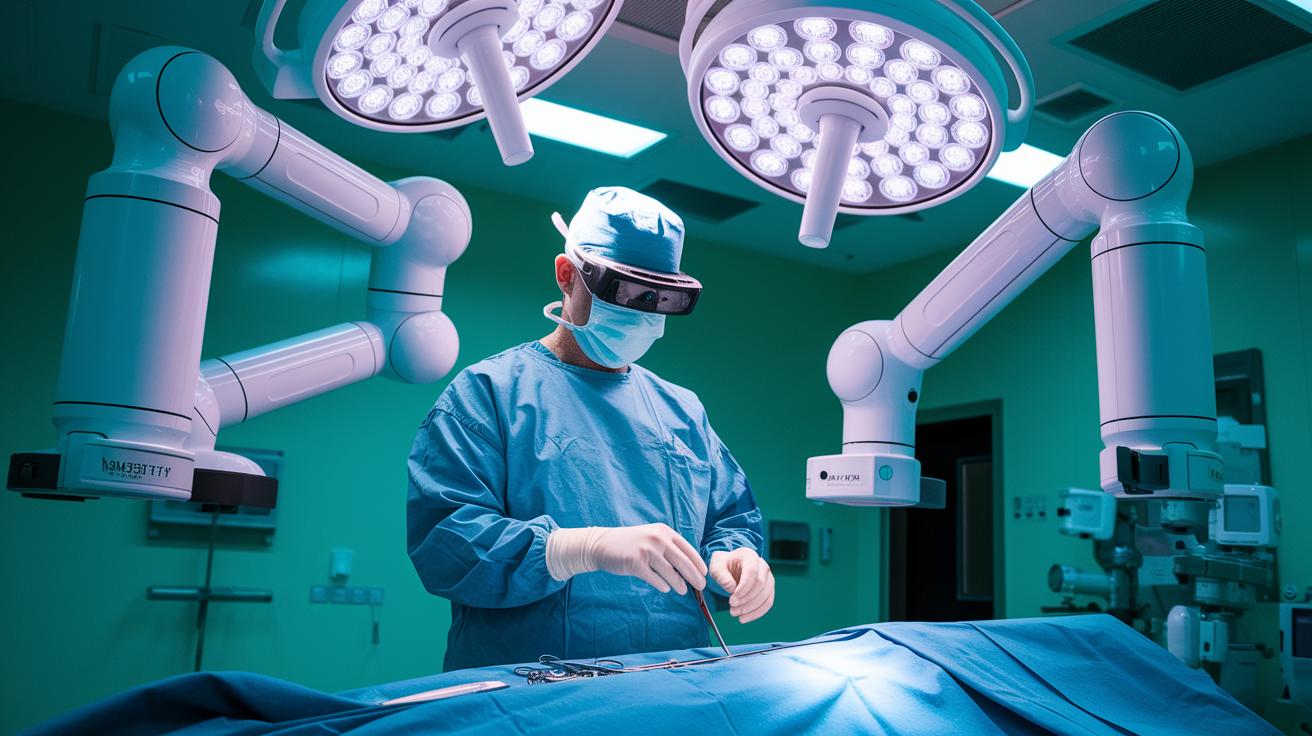
When robotics and AI come together, they change the way surgeons work. These smart tools help doctors make very precise cuts and guide them through safer procedures. They mix real-time images with sensors that watch every move, giving surgeons a reliable, step-by-step companion during surgery.
Visualization Enhancements
AI-powered vision systems now create clear, 3D pictures of the area being worked on. Think of it as watching a high-definition video where every detail pops out. Algorithms clear away smoke and other visual distractions so that healthy tissue stands out from the problem areas. It really gives surgeons the confidence they need when making those important decisions.
Remote Telepresence
New telepresence tools let experts help from miles away. A specialist can join an operation remotely, offering live advice and ensuring every step follows best practices. It’s like having a top surgeon right by your side, even if they’re in another part of the country. This kind of support makes specialized care available to more people.
Incision Monitoring
Smart sensors keep an eye on the incision path and how hard the tools press. They check every detail in real time and alert the surgeon if things veer off course. For example, if the pressure gets too high, the system instantly signals for a quick fix. This careful monitoring means adjustments can be made on the spot, boosting safety with every move.
By combining clear 3D views, remote expert guidance, and real-time incision monitoring, these robotic platforms make surgery safer and more precise, always keeping patient care as the top priority.
Clinical Applications and Case Studies of AI Surgery
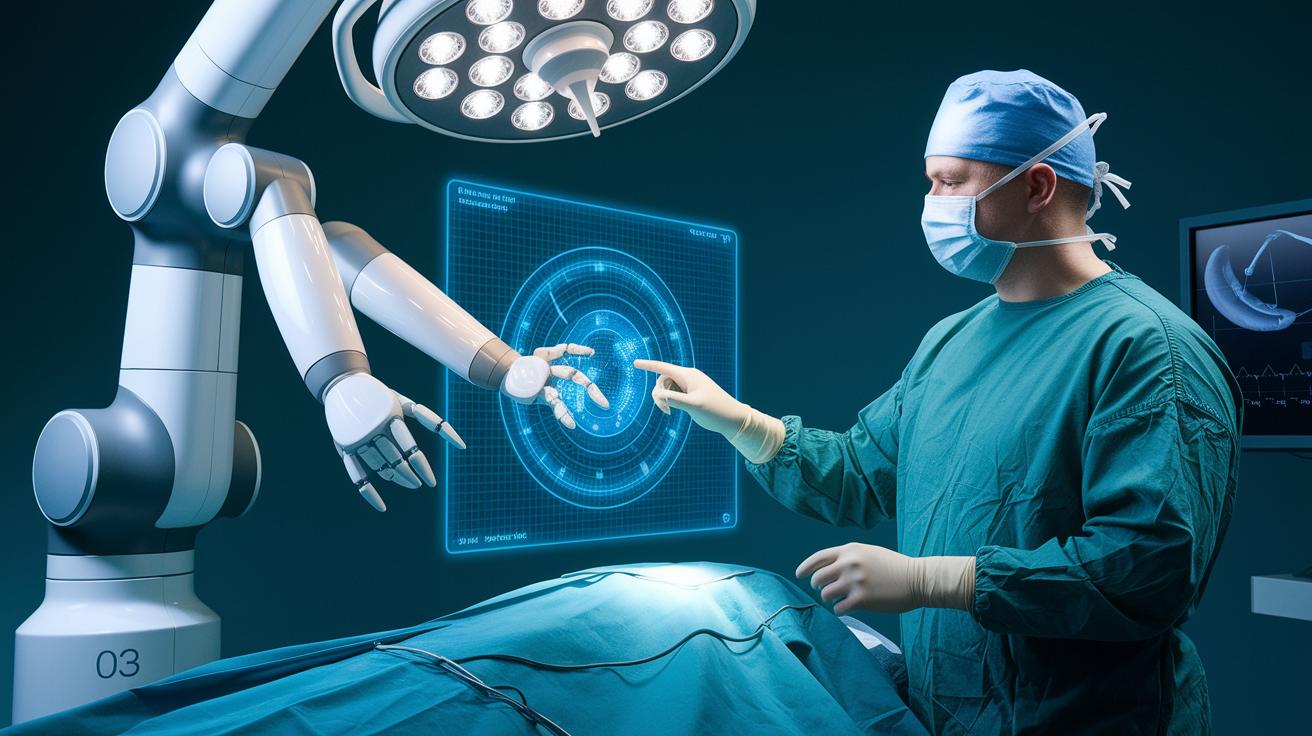
AI surgery is starting to change everyday medical care. It uses detailed computer simulations and smart algorithms to help plan and improve operations. For example, in robotic cancer surgery, AI helps doctors spot the edges of tumors more clearly, cutting down the chance that any cancer cells are left behind. In cosmetic treatments, similar simulations let surgeons map out cuts ahead of time so they can better predict the final look. Even in the lab, early trials in automated stitching show promise, although doctors still need to check the work.
| Procedure Type | AI Application | Outcome Improvement |
|---|---|---|
| Cancer Resection | Smart AI models help identify tumor edges using data from molecular imaging. | Fewer leftover cancer cells and more precise removal. |
| Facial Aesthetic Planning | Simulation-based planning, like in AI Powered Before and After Imaging in Aesthetics, guides surgeons in making precise incisions. | More predictable and improved cosmetic results. |
| Autonomous Suturing Trial | Lab tests use algorithm-driven techniques to see if machines can stitch on their own. | Early successes with ongoing validations. |
These examples show how smart data and advanced computer programs can change surgery. Improvements in cancer operations and cosmetic treatments make procedures both safer and easier to perform. Early lab results in automated stitching even point toward a future where doctors might rely on machines to help reduce manual work. In all these cases, AI is becoming a true partner for surgeons, helping to make even the most complex procedures safer and more predictable for patients.
Benefits and Challenges of AI Surgery Integration

AI surgical tools are changing the game in the operating room. They help surgeons work more precisely by lowering error rates by about 30%. How does it work? The system quickly processes images and sensor data during a procedure, sometimes even making small adjustments on its own. This extra support allows doctors to perform with better accuracy and manage risks more effectively. Plus, with features like telepresence, expert care can reach patients in remote areas that might otherwise miss out.
But, there are some challenges too. These advanced systems require years of rigorous testing and strict regulatory approval to ensure safety and performance. Hospitals also need to invest in reliable digital setups to handle all that real-time data. Financial pressures and the complex standards can slow down how quickly these tools become available everywhere, which might affect overall health care efficiency.
Overall, integrating AI into surgery is a careful balancing act. On one hand, it brings groundbreaking improvements to how operations are done. On the other, it faces significant regulatory and financial hurdles. Together, these factors shape a thoughtful path toward safer, smarter surgical care.
Training Surgeons with Virtual Operative Training in AI Surgery

AI-powered simulators now create very realistic operating rooms by mimicking the gentle taps of touch and the movement of body parts. Surgeons can practice tricky procedures over and over in these virtual spaces without the risks of working on a patient or cadaver. For example, imagine a surgeon perfecting a delicate cut through repeated rehearsals until it feels as natural as breathing.
Early users of these AI simulators have seen learning curves shrink by about 40% on key procedures. The systems give quick, clear feedback, letting surgeons adjust their techniques in real time. This hands-on setup encourages a problem-solving mindset that mirrors real-life surgery, all while keeping things safe and controlled.
This kind of practice not only boosts a surgeon's skills but also ramps up patient safety. As they build confidence through repeated, worry-free practice, their decisions during actual surgeries become quicker and more accurate. By getting comfortable with high-pressure scenarios in a virtual setting, surgeons are better ready to deliver care that's both safe and effective.
Regulatory, Ethical, and Infrastructure Considerations in AI Surgery
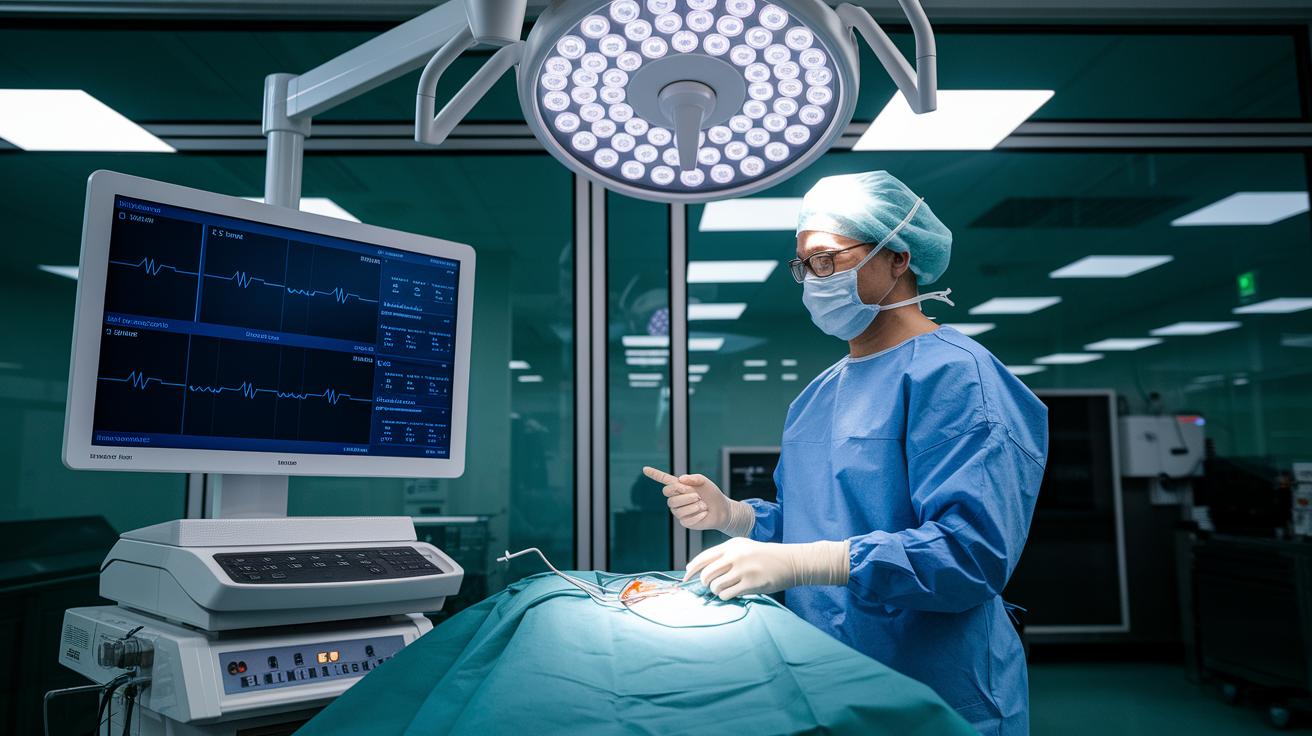
Governing bodies are always checking how AI surgical systems are approved. They ask for detailed data from studies conducted at many centers to prove that these tools are both safe and effective. These trials let us peek into how automated clinical models and digital procedures are designed. Regulators look closely at all the evidence from these studies to set clear rules that boost innovation while keeping patient care at the forefront.
Ethics play a huge role when we bring AI into surgery. Experts are busy making sure that issues like data privacy, bias in algorithms, and clear surgeon responsibilities are addressed. With AI collecting lots of patient information, committees work hard to protect your privacy and reduce any unfair bias in decision-making. They’re focused on creating policies that honor both fairness and the essential human touch in care.
The right infrastructure is equally important to the safe and smooth use of AI in surgery. It's crucial to invest in strong, secure networks that allow for quick, real-time data sharing. This careful setup helps keep digital health systems reliable, even during complex procedures. With solid technology infrastructure, we can confidently support new advances in automated clinical modeling that benefit both patients and providers.
Future Directions and Next‐Generation Procedure Modeling in AI Surgery
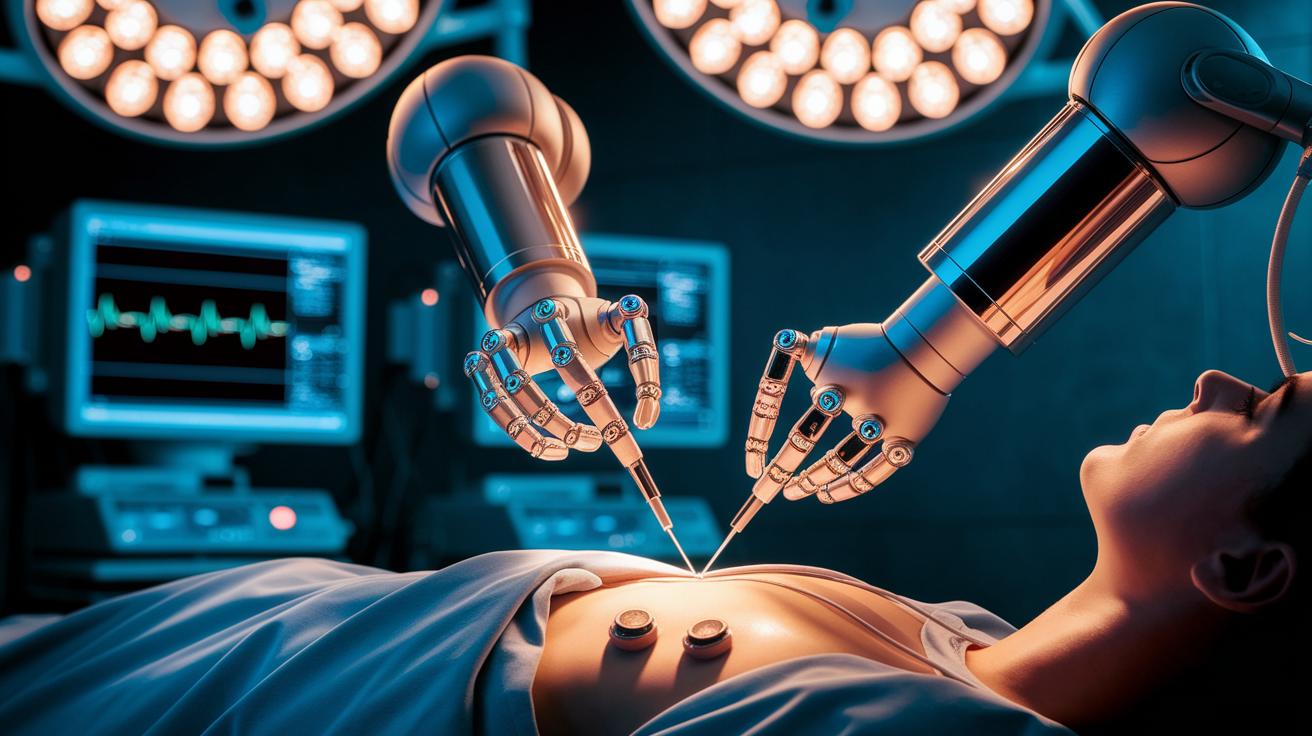
Innovations in AI surgery are quickly moving from the lab to real life. Researchers have built prototypes that can tie stitches and control bleeding all by themselves. Imagine a machine working like a skilled surgeon, tying sutures with steady precision, almost like a perfectly timed clock. At the same time, smart wearable sensors are being added to post-surgery care. These small devices keep an eye on vital signs and activity levels, giving doctors up-to-date information so they can adjust recovery plans. It works much like a health tracker that gives a heads-up when something is off.
Predictive models are also stepping up their game. These tools look at individual recovery paths and flag potential problems early on, kind of like getting a weather alert before a storm hits. This proactive approach helps surgical teams tweak their strategies and step in sooner, which reduces risks and makes treatments more precise. By joining forces with real-time data from wearables, doctors can offer care that fits each patient’s needs perfectly.
Looking to the future, the goal is to build an AI surgical system where autonomous robots, predictive analytics, and wearable gadgets all work together in one smooth process. This smart system will not just speed up procedures but completely change patient care, ensuring every step is accurate and responsive. With these breakthroughs, every surgery could become more refined and tailored, setting the stage for a whole new era in healthcare.
Final Words
In the action, ai surgery is reshaping the operating room by boosting precision and thoughtful decision-making. The article highlighted how intelligent operation tools, advanced visualization, real-time data learning, and smart robotic platforms are setting new standards in surgical safety. It also discussed clinical applications, training improvements, and regulatory updates that back these innovations. With such careful integration of technology and clinical expertise, these developments pave the way for more informed, safe, and confident aesthetic transformations. The future looks bright and promising for advancements in ai surgery.


