Have you ever noticed that when your skin feels irritated, it might be giving you a little hint about what it truly needs? Sometimes that minor flare-up is your skin asking for a gentle, calming touch.
When you see a bit of redness or a little puffiness, it could be a sign to try products rich in soothing ingredients. In our discussion, we show how natural, simple ingredients can ease skin stress and bring out a soft, natural glow, helping you start every day feeling refreshed.
Immediate Relief with Anti-Inflammatory Skin Care

Have you ever felt your skin suddenly turn red and puffy after using a new product or being out in a harsh environment? That’s your skin reacting to irritants, and it happens when its natural barrier gets overwhelmed. The key is to act fast to ease the redness and swelling before they become a bigger problem.
Stopping the reaction in its tracks can keep the irritation from turning into a longer-term issue. First, pause using any product you suspect might be bothering your skin. Then, soothe your skin with gentle, targeted treatments. In many cases, you could see a reduction in swelling in just a few hours. Low-dose corticosteroid creams or oral antihistamines might offer short-term relief, but use them only occasionally since heavy creams can sometimes add to the irritation.
| Step | Action |
|---|---|
| 1 | Stop using any products that irritate your skin |
| 2 | Apply a cool, damp compress to the inflamed areas |
| 3 | Use a soothing cream without hydrocortisone |
| 4 | If needed, consider taking an oral antihistamine to reduce swelling |
Integrating these simple steps into your daily routine can really make a difference. Start by reviewing all your current skincare products and remove those that might unsettle your delicate skin. Keep a cool compress nearby for those unexpected flare-ups, and opt for formulas with minimal ingredients. Little tweaks, like switching to a mild soothing cream, can lead to a more balanced, calm complexion over time.
Key Ingredients in Anti-Inflammatory Skin Care
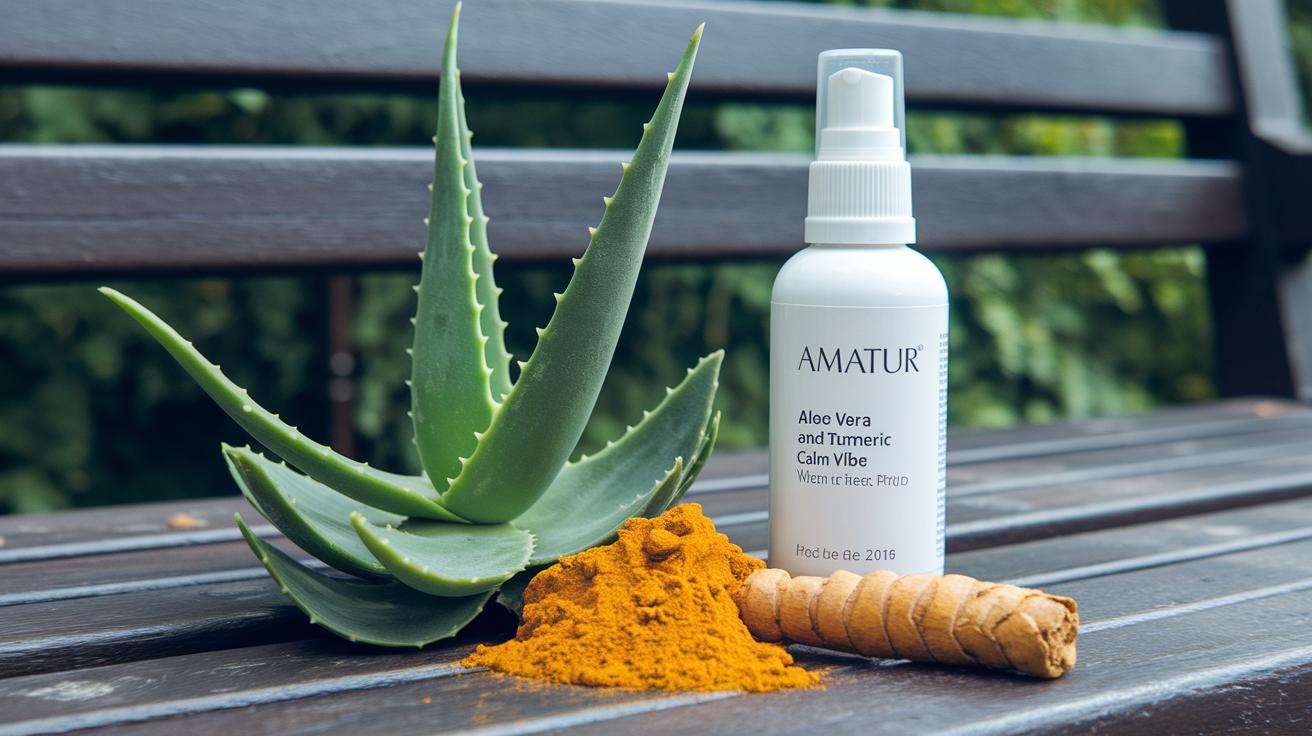
Taking care of your skin starts with choosing the right ingredients. When your skin feels sensitive because of everyday stress, it needs gentle ingredients that soothe irritation without overpowering it. Research shows that many natural compounds not only ease redness but also improve skin texture and boost its strength. By opting for ingredients that work softly yet effectively, you give your skin the best chance to heal and glow naturally.
- Aloe vera: This plant is rich in amino acids, vitamins, and minerals that help calm inflammation and lock in moisture.
- Turmeric (curcumin): Used for centuries, this spice helps lighten inflammation with a mild, natural touch.
- Saw palmetto: It helps lower signs of inflammation and can be useful both as a topical cream and when taken orally.
- Green tea: Filled with antioxidants, green tea actively battles free radicals and soothes irritated skin.
- Colloidal oatmeal: Clinically known to relieve discomfort, it calms skin that feels irritated.
- Niacinamide (vitamin B3): This vitamin works to even out your skin tone and reduce red patches.
- Licorice extract: It softens troubled skin while offering a gentle anti-inflammatory effect.
- Chamomile: Often used to calm redness, chamomile supports the skin's natural recovery process.
- Vitamin C: This powerful ingredient brightens the skin and tightens it, all while reducing signs of inflammation.
- Witch hazel: With its natural astringent properties, witch hazel helps control redness and refreshes your skin.
- Calendula: Known for promoting healing, calendula soothes irritated skin with its tender touch.
- Squalane & ceramides: They work together to deeply hydrate your skin and repair its barrier without clogging pores.
Adding these natural actives to your daily routine can create a skin care plan that not only calms but also nurtures and strengthens your skin over time. By choosing products that list these well-researched ingredients, you help target inflammation right at its source, leaving your complexion balanced, clear, and beautifully radiant.
Crafting an Anti-Inflammatory Skin Care Routine
When your skin feels irritated, a gentle routine can really help. Start with products that soothe and balance your skin rather than harsh formulas. Instead of heavy and scented items, pick ones that calm redness and protect your skin’s natural barrier. It’s like taking extra care of a delicate plant, you nurture it every day with a soft touch.
Try this step-by-step plan:
- Wash your face in the morning and at night using a gentle cleanser made for reducing redness.
- Dab on a facial serum packed with antioxidants that fight inflammation.
- Lock in hydration with a moisturizer designed to repair your skin’s barrier.
- Every morning, use a sunscreen that offers broad protection.
- Once or twice a week, treat your skin to a mask filled with calming botanicals.
Following these steps can make a big difference. Each part of your routine helps protect your skin against everyday stress. Small, steady habits build up over time, keeping your skin strong, calm, and glowing.
Dermatologist-Approved Options in Anti-Inflammatory Skin Care
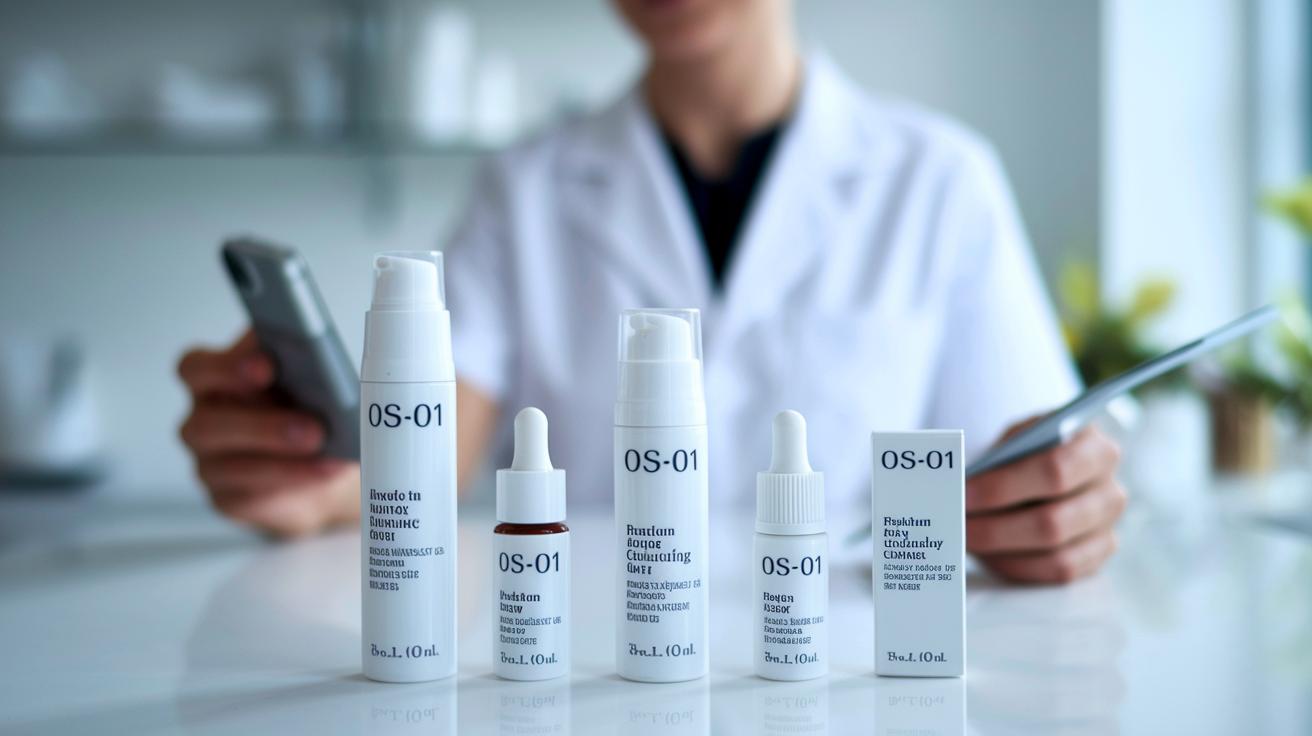
Dermatologist-created products come with the trust built from years of clinical testing and experience working with sensitive skin. They’re designed to soothe inflammation while reinforcing your skin’s natural barrier. With gentle ingredients that calm redness, they also protect against everyday external triggers.
The OS-01 product line is a great example of this approach. Their Triple Power OS-01 BODY SPF not only targets redness and inflammation but also shields your skin from harmful UVA and UVB rays. Plus, there are options made specifically for the face, eyes, lips, and body, all crafted with low-irritant formulas. These products are perfect for daily use, especially if your skin tends to flare up. They easily slot into your routine, working quietly to balance and comfort your skin while providing solid protection.
For long-term skin barrier repair, dermatologists often recommend non-steroidal ointments and creams that are free from hydrocortisone. Many favor rosacea relief creams that include gentle anti-inflammatory ingredients for sensitive complexions. Pairing these with barrier-restoring formulations like Active Skin Repair can help manage ongoing irritation and keep your skin calm and resilient.
Preventing Skin Inflammation Through Barrier Support and Lifestyle

Your skin barrier is your first line of defense when it comes to preventing irritation. When it holds up well, it keeps moisture in and stops harmful water loss. This means less redness and swelling from outside irritants. Stick with a gentle skincare routine that nourishes and strengthens your skin over time.
Eating well is another key part of taking care of your skin. Foods packed with protein and antioxidants, like lean meats, nuts, and bright, colorful fruits, give your skin the essential nutrients it needs to repair itself from daily stress. For more ideas on healthy eating, take a look at "Holistic Wellness Tips" at https://ourmobilehealth.com?p=767.
Small changes in your everyday life can also help a lot. Cutting back on smoking and alcohol and finding ways to manage stress can keep flare-ups to a minimum. These tweaks make it easier for your skin to do its job every day.
If you're still experiencing inflammation or it seems to be getting worse, it might be a sign of something more serious like eczema or psoriasis. In that case, it's best to check in with a healthcare professional as soon as possible.
Final Words
In the action of addressing inflamed skin, we looked at quick steps like pausing irritant products, using a cold compress, and opting for a hydrocortisone-free cream. We also touched on the benefits of natural ingredients that ease redness and support skin repair.
We explored how a gentle routine, paired with dermatologist-formulated options, can build lasting skin strength. With smart moves and positive lifestyle habits, anti inflammatory skin care plays a key role in achieving healthier, calmer skin.
FAQ
Q: What are some of the best anti-inflammatory skin care products?
A: The best anti-inflammatory skin care products include lightweight, minimal-ingredient creams and serums that calm redness and swelling. These are often enriched with botanical extracts that soothe irritated and sensitive skin.
Q: What ingredients help reduce skin inflammation in skin care products?
A: Key skin care ingredients such as aloe vera, green tea extract, chamomile, and turmeric help calm red, swollen skin. They work by soothing irritation and supporting the skin’s natural barrier.
Q: What anti-inflammatory foods can support clearer, calmer skin?
A: Anti-inflammatory foods like fresh fruits, vegetables, and healthy fats help lower overall inflammation. A diet rich in antioxidants and proteins may aid skin repair and reduce flare-ups.
Q: What is the best anti-inflammatory cream for the face?
A: The best anti-inflammatory facial cream is lightweight, hydrocortisone-free, and includes soothing actives like aloe or chamomile. It helps reduce redness and irritation while protecting the natural skin barrier.
Q: What are the best anti-inflammatory oils for skin?
A: The best anti-inflammatory oils often contain ingredients such as calendula or squalane. They help moisturize and soothe the skin, supporting barrier repair without clogging pores.
Q: How effective are anti-inflammatory products for acne-prone skin?
A: Anti-inflammatory products can ease acne flare-ups by reducing redness, swelling, and irritation. Using gentle formulas with calming botanical ingredients helps maintain a balanced skin barrier for acne-prone complexions.
Q: How do online discussions, like those on Reddit, view anti-inflammatory skin care?
A: Discussions on platforms like Reddit highlight a preference for natural, gentle products. Users often praise minimal-ingredient formulas that offer soothing relief and help maintain a healthier, more comfortable skin barrier.
Q: How do I decrease inflammation in my face?
A: Decreasing facial inflammation involves stopping the use of irritants, applying cold compresses, and using gentle, hydrocortisone-free soothing creams. A regular routine with proper sun protection also plays an important role.


