Ever wonder if a computer can really tell how balanced your face is? Nowadays, artificial intelligence takes a close look at your features with sharp accuracy. It examines your eyes, nose, and jawline as if they were pieces of a puzzle, making sure everything fits just right.
This smart approach gives clear measurements that might change the way you see beauty and help guide your cosmetic choices. It turns what used to be a matter of opinion into reliable, personalized results that feel as precise as if your own hand had measured every detail.
AI Methods for Facial Symmetry Analysis
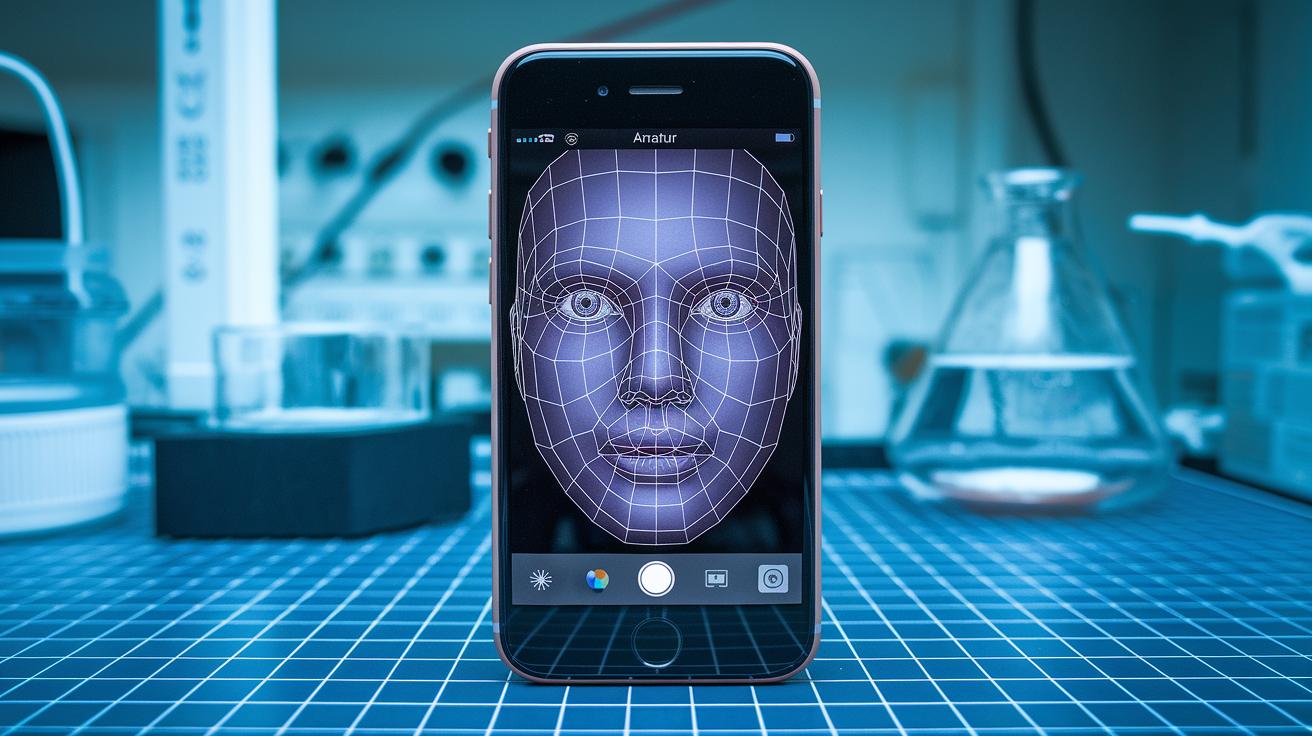
The system kicks off by using artificial intelligence to spot important parts of the face like the eyes, nose, mouth, eyebrows, jawline, and cheeks. It uses smart models that carefully locate these features, laying the groundwork for later steps. Before automated systems, experts relied on completely subjective assessments that varied a lot from one person to another.
Next, the process checks the balance of the face by comparing geometric ratios. It measures things like the symmetry between the left and right sides, the width-to-height proportions, and even the eye-to-mouth placement. Think of it like piecing together a puzzle, every measurement must fit just right to build a balanced picture.
- Upload a clear, front-facing image
- Use AI to detect the face and mark key points
- Pull out the coordinates for each facial feature
- Calculate proportions using geometric methods
- Score the symmetry side-by-side
- Compute and scale a composite overall score
All of these numbers are brought together into two scores, one for symmetry and one for proportions, which then merge into a final face score that ranges from 30 to 100. This score shows just how close a face comes to ideal geometric balance. The whole process happens right in your browser, so each image is analyzed on your device. This keeps your data private because nothing gets sent out or stored elsewhere, ensuring every analysis is done anonymously.
Core Technologies in AI-Based Facial Symmetry Assessment
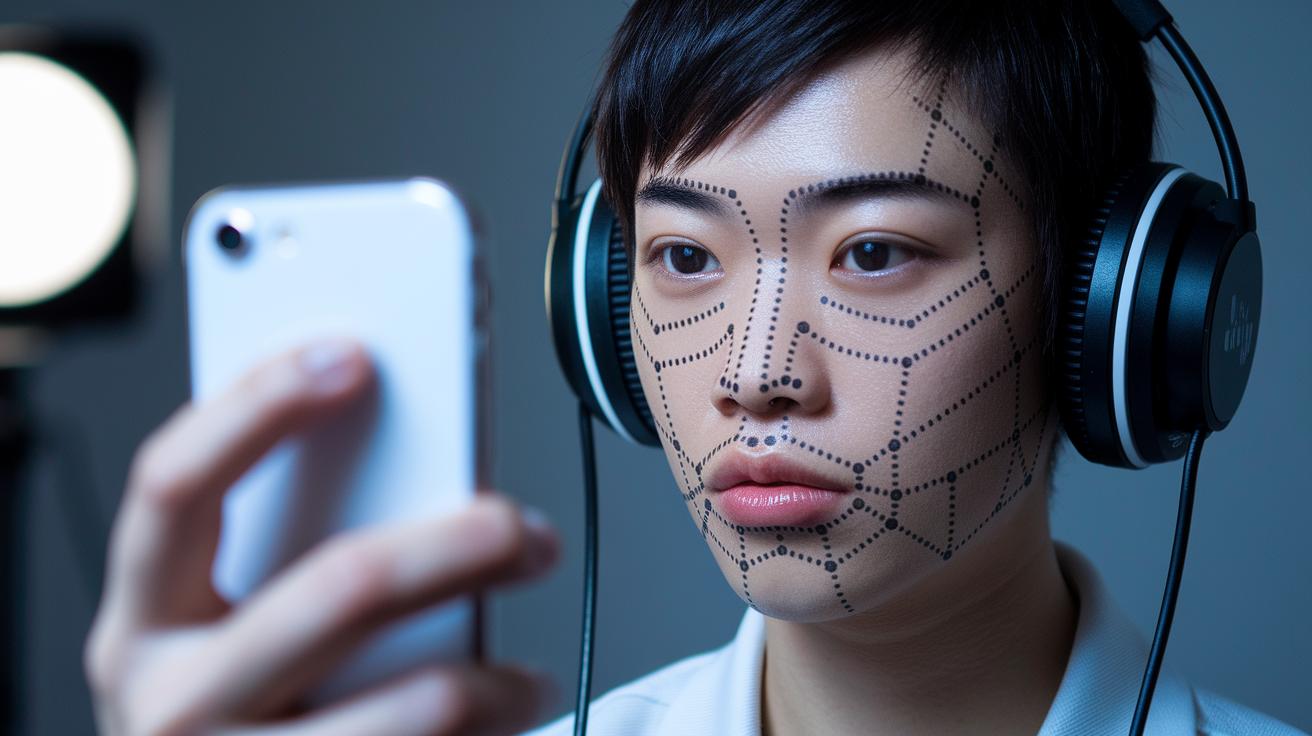
Convolutional neural networks (CNNs) are like super-smart computer programs that find key points on your face more deeply than most simple models. They work by using several layers that have been trained on many different pictures, learning subtle details in areas such as the eyes, nose, and jawline. Think of it like a careful artist who notices even a slight tilt in an eyebrow, details that other models might easily skip over.
Next, deep learning modules use clever number-crunching to compare matching features on both sides of your face and calculate symmetry. Unlike older methods, these CNN-driven systems check the quality of their work by measuring how confident they are in each spot they detect. This modern approach adjusts for different face shapes and even processes the data directly in your browser, so you get results quickly and accurately.
Image Quality and Data Processing for AI Facial Symmetry
When you want the best results, take a clear, well-lit photo of your face head-on with a simple background. A good setup makes it easy for the system to pick out key points on your face and measure your features accurately, no pesky shadows or distractions to confuse it.
Try these simple tips:
- Use a bright, even light so shadows stay away.
- Stand squarely in front of the camera, keeping your whole face in view.
- Pick a plain, uncluttered background.
- Leave off accessories and keep hair away from key areas.
- Make sure you're at a comfortable distance to capture all the details.
All the magic happens right on your device. Your photos aren’t uploaded or stored anywhere else, so your privacy is protected. The system is built to work with just one face per image, meaning extra faces could throw off the results. This local processing and focus on a single face ensure you get a precise look at your facial symmetry.
Applications of AI Facial Symmetry Analysis in Cosmetic and Medical Fields

Cosmetic surgeons are now using AI facial symmetry analysis as a handy planning tool. They rely on the detailed measurements provided by AI to map out incision lines and even simulate what the results will look like after surgery. For example, if a surgeon notices a slight difference in the jawline or cheek contour, they can make small adjustments to even out the overall look, making sure every step is as precise as possible.
Doctors and other health professionals also find AI symmetry analysis incredibly useful. They sometimes spot tiny variations in facial symmetry that can hint at conditions like facial palsy or craniofacial anomalies, prompting further investigation. And on the security side, biometric systems use these detailed symmetry comparisons to tell apart faces that look very similar, adding an extra layer of protection.
The technology doesn’t stop there, it also paves the way for personalized aesthetic advice. Imagine getting tips that cover everything from nutrition and fitness to the best choice in eyewear, hairstyles, makeup, and skincare. These insights let you make small, meaningful adjustments that boost your natural beauty while supporting your overall well-being.
Accuracy and Ethical Limitations of AI in Facial Symmetry Analysis
AI facial symmetry analysis works best when the picture is clear. Good lighting, a straight-on view, and a simple background help the system easily spot important facial features. When the lighting is poor or shadows fall across the face, even the smartest systems can get confused, leading to different scores.
Keep in mind that these tools are mainly for learning or fun, not for making medical decisions. They use machine learning to measure facial balance but miss out on nuances like a smile or skin texture. Also, they only check one face at a time, which can limit their use in more busy or detailed situations. So, it’s best to think of them as giving you a general idea rather than a full clinical review.
There are real ethical concerns too. Since these tools rely only on math and shapes, they can unintentionally support ideas of beauty that might favor one look over another. They don’t consider the rich variety of people’s backgrounds, and their results might be misunderstood if taken at face value. This is why we need to use this technology carefully and always remember its limits.
Future Trends in AI for Facial Symmetry Evaluation
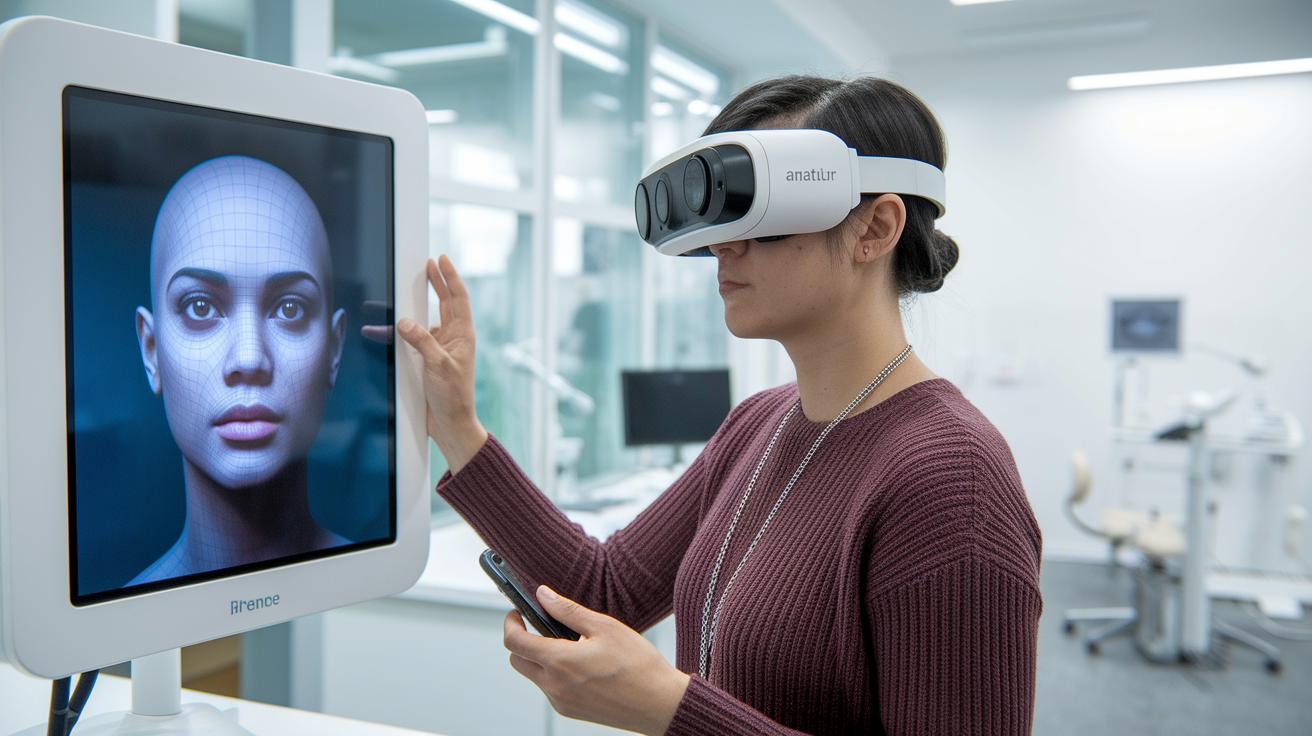
3D facial scanning is emerging as a game changer by capturing a full, three-dimensional view of your face, far beyond regular flat pictures. It gathers detailed volume data so you get a deeper look at your facial structure.
AR and VR technologies are also joining the mix by offering interactive consultations. Imagine being able to preview a gentle tweak in your look in real time, pretty much like trying on a new style before you commit.
Then there’s predictive analytics. Using a mix of deep learning and shape analysis, these smart systems study both still images and natural expressions. This means doctors can see not just a frozen moment, but how your face moves and changes. With this extra insight, they can better predict how a procedure will turn out and adjust treatments to fit your unique features.
All these advancements are set to make facial analysis more precise and practical. It gives both patients and doctors the clear, useful information they need to make well-informed decisions together.
Final Words
In the action, we explored the complete process of assessing facial symmetry, from detecting key facial landmarks and comparing geometric ratios to maintaining privacy with on-device processing. Each step revealed how clear imaging and precise calculations work together.
This walk-through showcases the role of artificial intelligence for facial symmetry analysis in guiding both cosmetic planning and diagnostic care. Embracing these science-based tools helps pave the way to safe, informed aesthetic transformation and a confident future.
FAQ
What is the best artificial intelligence for facial symmetry analysis available online and free?
The best AI for facial symmetry analysis online uses automated landmark detection and proportion scoring in your browser. It offers free, privacy-focused testing with accurate symmetry measurements from your uploaded image.
What do face symmetry tests, face analysis tests, attractiveness analyzers, and symmetrical face test filters measure?
Face symmetry tests and related tools analyze key facial landmarks and geometric ratios. They compute symmetry scores that reflect the balance of your facial features, providing insights into facial harmony.
Can AI detect my face shape?
AI can detect your face shape by pinpointing key landmarks and measuring proportions. It predicts your face shape based on geometric data collected from a clear, front-facing image.
Is the AI face analyzer accurate and which AI can analyze faces?
AI face analyzers rely on advanced landmark detection and deep learning models to compute symmetry metrics. Their accuracy depends on good image quality, ensuring reliable symmetry and proportion results.
How do I check if my face is symmetrical using AI?
You can check your facial symmetry by uploading a well-lit, clear photo to an AI tool. The system analyzes landmark positions and calculates symmetry scores, giving you an objective overview of facial balance.


