Ever worry that your Botox might leave you looking frozen? Sometimes, even a tiny hiccup during your treatment can change a soft smile into a stiff, off-kilter expression.
We get it, your look is important, and feeling natural matters. That’s why we’re here to share easy fixes and expert tips that can help restore your natural appearance. We’ll walk you through the warning signs of a botched Botox and explain simple ways to correct them.
Curious how a small tweak can make a big difference? Let’s dive in so you can feel confident and refreshed again.
Understanding Botched Botox Results
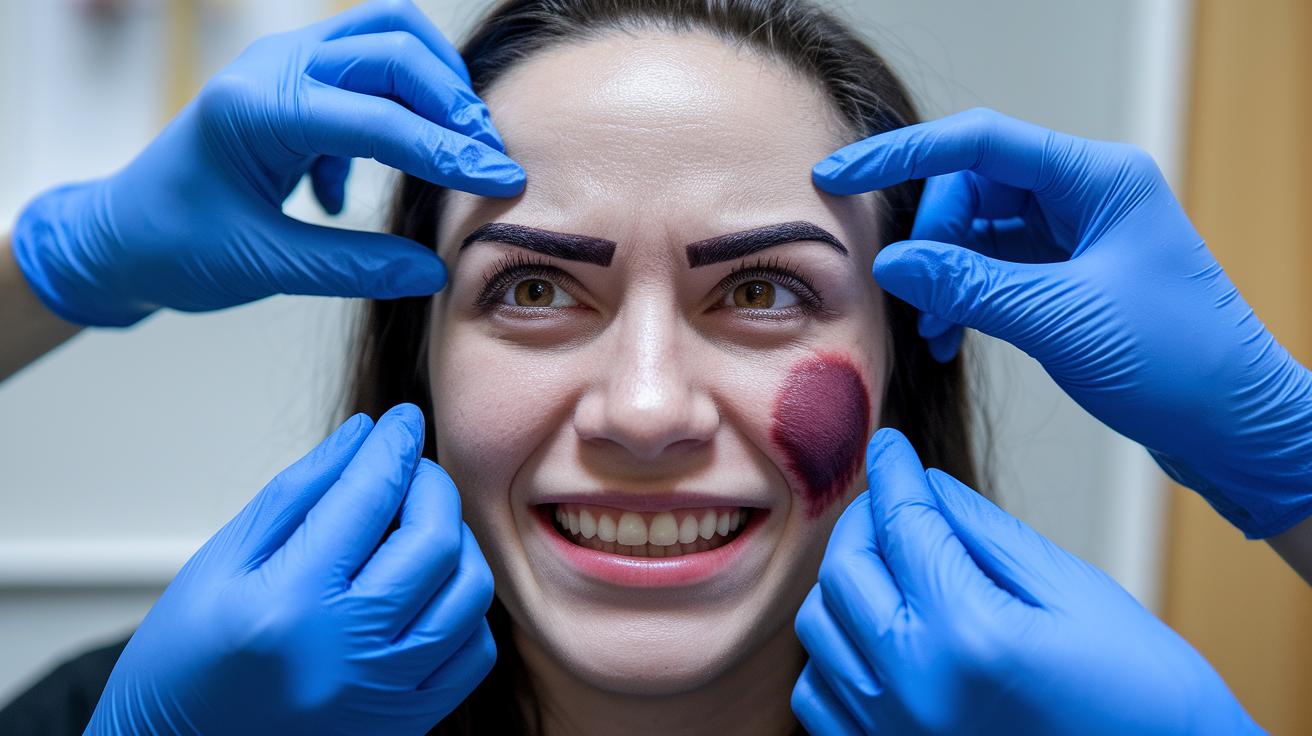
Botched Botox happens when what was meant to look natural ends up looking frozen or fake. It often occurs if the Botox is injected in the wrong spot or if the dose isn’t quite right. Imagine a provider giving the shot too deep or too shallow, suddenly, you might notice uneven eyebrows or a smile that doesn’t look balanced. A tiny error in placement can turn a warm smile into a stiff, mask-like face.
When the injection isn’t placed correctly, the Botox can spread into muscles it wasn’t meant to affect. This might lead to swelling or bruising that sticks around for more than a week. Too much Botox can work just as badly as too little. This can even make it hard to smile or raise your brows if the muscles get too weak from an overdose.
Sometimes, the mistake comes down to the injection technique. A rushed procedure or a lack of understanding about a patient’s unique face can mean the injections miss key spots. The result? Your face might feel slower to move or end up completely frozen. Keep an eye on any uneven features or a lack of movement. These signs might mean the Botox wasn’t done as planned.
A well-thought-out plan and a skilled professional really make a difference. When the procedure is done carefully, your natural look and balance are more likely to shine through.
Identifying Symptoms and Common Mishaps in Botox Treatments
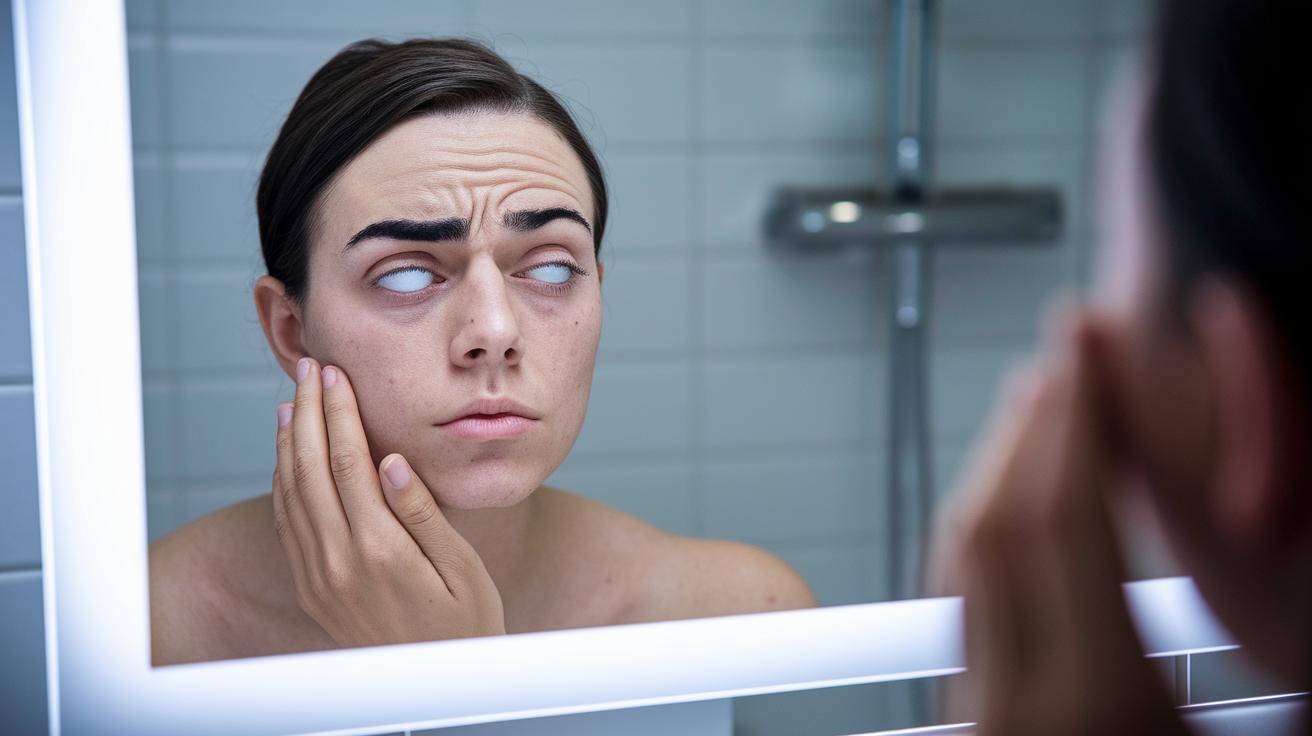
When you notice small changes in your face, keep an eye out for signs like a droopy upper eyelid (eyelid ptosis) or a lowered brow (brow ptosis). You might see that one side of your face looks a bit less lively than the other. It’s not uncommon for patients to wonder why their smile or eye movement seems a bit off before they realize something isn’t quite right.
Sometimes the needle might miss the perfect spot because its depth or angle isn’t just right. This little misstep can lead to issues that might not show up until a few days after your treatment.
If your symptoms are mild, there are a few simple steps you can take at home. For example, try sleeping with your head propped up on two pillows. This can help keep the toxin from spreading too far. And remember, avoid rubbing or massaging the area to keep things calm.
By staying aware of these signs and managing them gently at home, you can monitor your progress as your muscles get back to their usual strength.
Botched Botox: Smart Fixes and Expert Tips
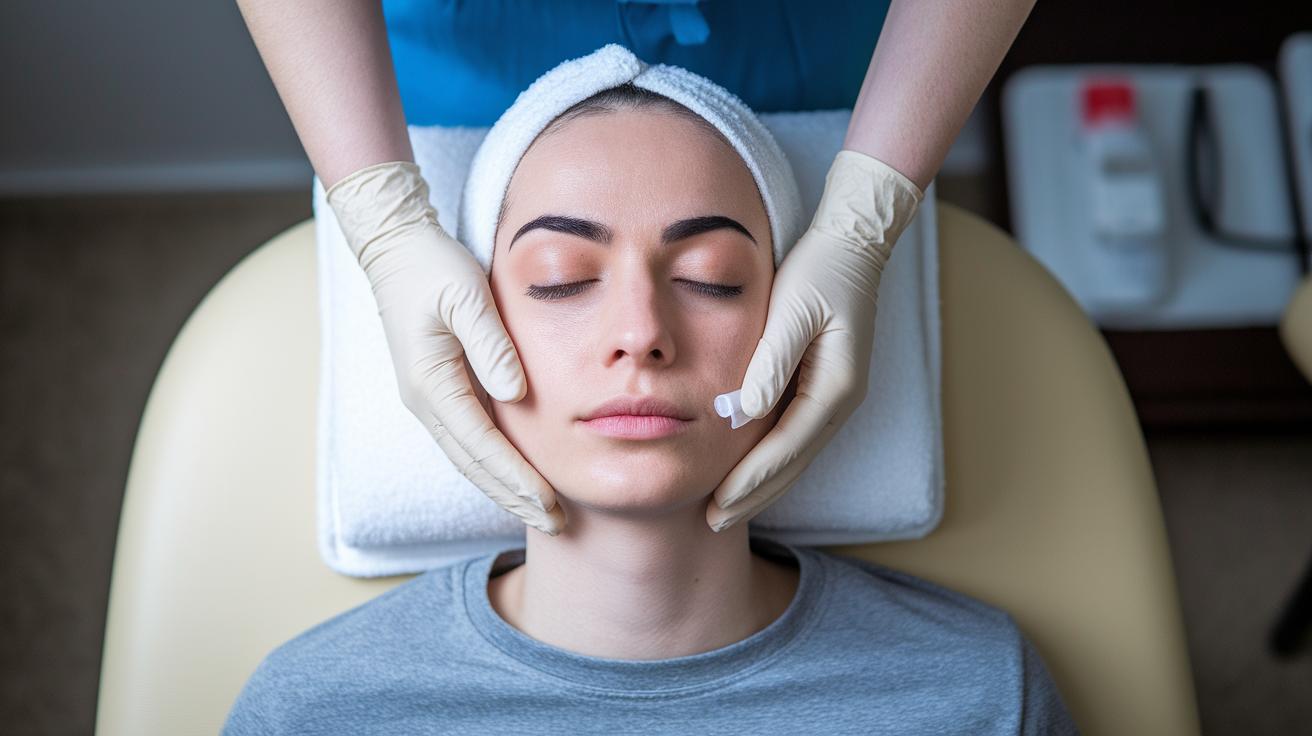
If your Botox results aren’t quite what you expected, try using a mix of smart fixes and extra recovery tips. Rest while keeping your head slightly raised and avoid touching the areas that were treated. Doing so can help lower swelling and keep the Botox where it belongs.
A cold compress really helps if you’re dealing with bruising or a bit of swelling. Think of it like gently cooling a bump, apply a cool, damp cloth on the area for brief periods to ease any discomfort.
Usually, most side effects fade away in one to two weeks. But if you still notice issues or unevenness, it’s a good idea to reach out to a professional for a check-up. They can suggest touch-ups and give advice that’s just right for you.
It’s also smart to prepare for future treatments. Chat with your provider about any worries or special sensitivities you have before your next session. And don’t hesitate to ask about regular check-ups to keep an eye on your recovery.
- Keep track of any changes as you recover.
- Talk to a professional if any side effects keep bothering you.
- Use a cold compress to help with bruising and swelling.
- Keep your head elevated when resting.
- Avoid rubbing or massaging the treated areas.
- Use a cold compress to soothe bruising and any swelling.
Professional Botox Correction Methods and Repair Options
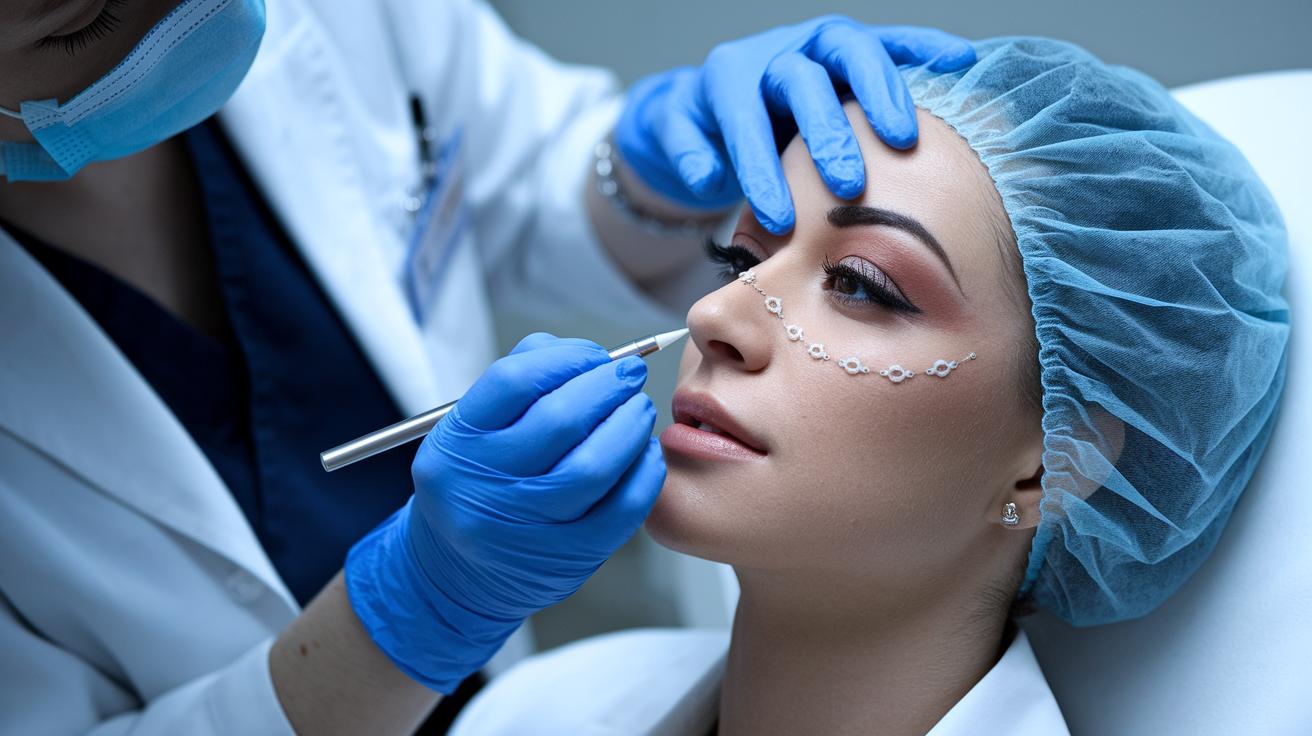
Though Botox itself can’t be reversed, there are ways experts can help even out your facial look. One popular method is to add more neuromodulator injections in areas that look uneven. This careful touch is like adding a bit more color to a painting that needs a slight adjustment.
Sometimes the issue comes from fillers rather than the Botox. In these cases, doctors might use an enzyme called hyaluronidase to gently break down extra hyaluronic acid fillers. This treatment can help if fillers have made your face appear overfilled or uneven.
For patients who experience droopy eyelids after a Botox treatment, prescription eye drops may be suggested. These drops work by boosting muscle function so that your eyelid can gradually return to its natural movement. Getting treatment early can lead to better outcomes.
Board-certified plastic surgeons might also use dermal fillers or a technique with a micro-cannula to reposition filler deposits. Dermal fillers help restore volume and balance in facial contours, while the micro-cannula method adjusts filler placement with precision. This approach aims to correct any uneven features without drastically changing your overall look.
Before going ahead with any corrective procedure, it’s important to check your provider’s credentials. You can review their qualifications through their botox certification at botox certification. Working with a trusted professional is the best way to address any botched results while keeping the natural details that make your smile uniquely yours.
Preventing Botched Botox: Best Practices and Provider Selection

Preventing mishaps is much easier than fixing results later. Start by choosing an injector with solid, documented training and board certification. Look at before-and-after photos, read genuine patient reviews, and ask about their dosage practices. A reliable provider sticks to strict safety guidelines for every Botox treatment.
When you’re checking out potential injectors, keep these points in mind:
- Make sure they have proper certification and documented training.
- Ask how much experience they have with facial injections for specific muscle groups.
- Confirm that they follow clinical guidelines in a controlled setting.
- Look for patient testimonials that praise natural-looking outcomes.
Also, be cautious of prices that seem unusually low or treatments offered outside a professional clinic. Options like house calls or informal Botox parties can be red flags. It’s best to choose someone who works in a clinical setting to help ensure quality and safety.
A simple way to confirm your provider’s qualifications is to ask for their Botox certification. Seeing a valid certification can really boost your confidence in their skill and dedication to safe practice. Taking a little extra time to check credentials now can help you avoid complications down the road.
Real Patient Case Studies and Lessons Learned
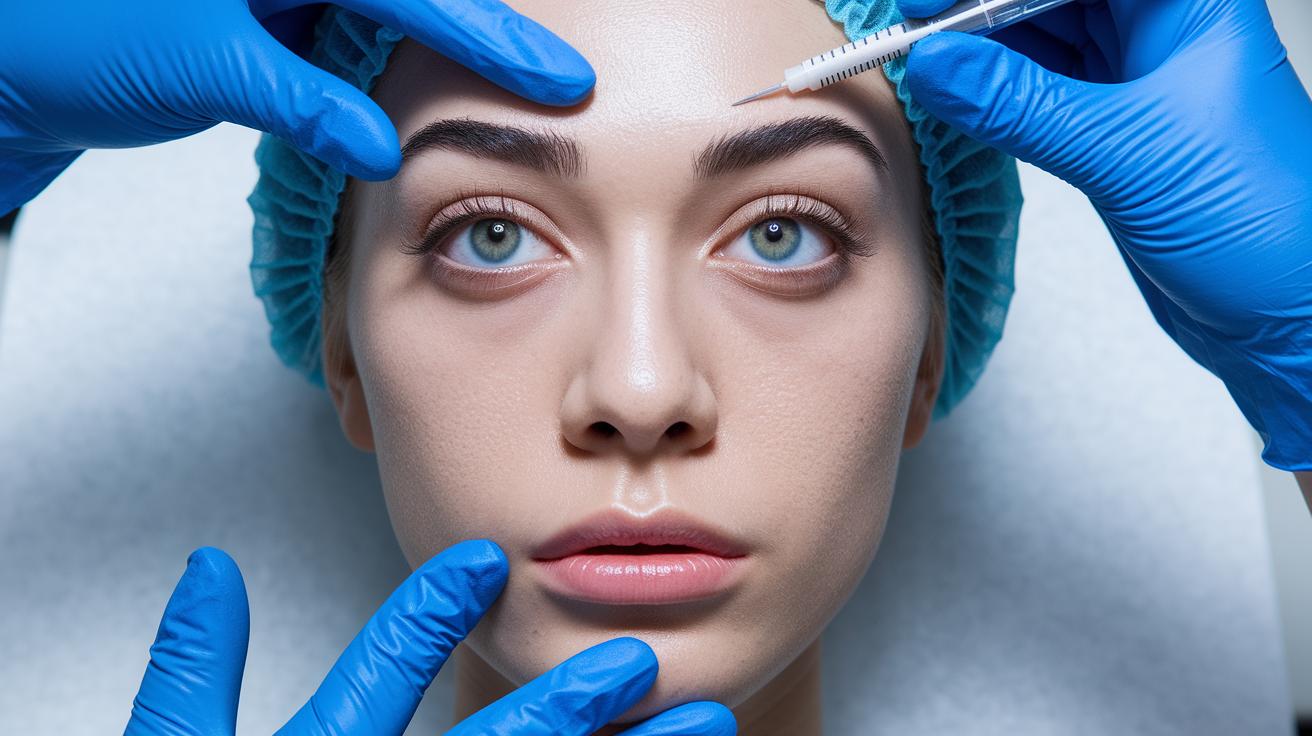
In Case A, a patient received Botox in the masseter muscle to slim their jawline, but soon after, a droopy eyelid started to show. The provider quickly addressed the issue by applying precise doses of neuromodulator to the affected spot. This small, thoughtful tweak helped restore balance and improved the overall symmetry of the face. It’s a clear reminder that even a tiny adjustment can have a big impact when things don’t go as planned.
In Case B, a patient ended up with uneven brows after shallow injections on the forehead. One brow appeared higher than the other, which led to a follow-up treatment. The provider then administered extra injections in just the right spots to even them out. This experience highlights how crucial it is to understand facial anatomy and to manage the injection depth carefully.
Case C tells the story of a patient who developed bruising and slight swelling after a treatment session. By following easy at-home care tips, keeping the head elevated and using cool compresses, the bruising gradually faded within two weeks. This case shows that some side effects are temporary and can be managed well with proper self-care.
• Clear communication during consultations helps catch any issues early.
• Following aftercare guidelines supports a smoother and quicker recovery.
• Precise injection techniques are key to avoiding unintended asymmetries.
Each of these cases shows that even small missteps in technique can lead to noticeable changes in appearance. Learning from these experiences can guide you when choosing a skilled provider and remind you to stick closely to aftercare advice.
Frequently Asked Questions on Botched Botox and Corrections
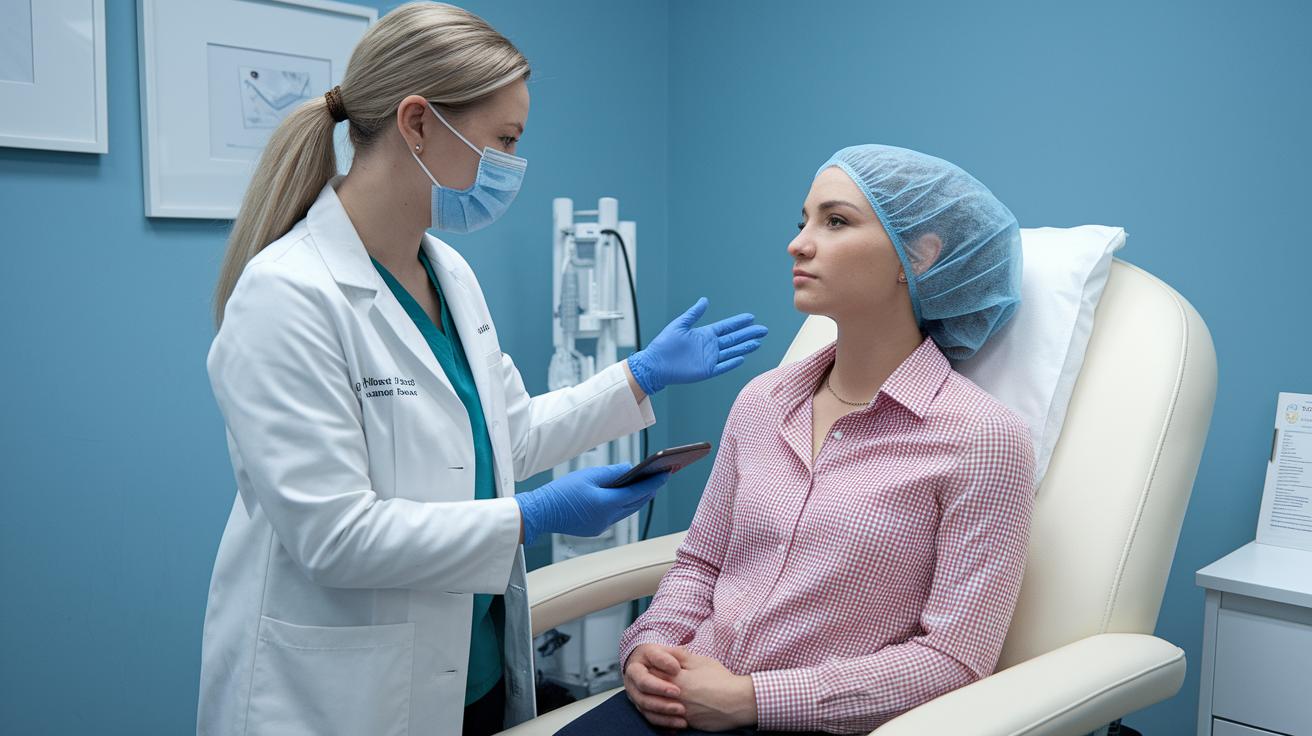
Q: How long do side effects usually last?
A: Most people see the side effects start to fade within one to two weeks.
Q: Can Botox migrate after treatment?
A: Yes, if you lightly touch or massage the area right after your injections, the Botox might move into nearby muscles.
Q: Can a botched Botox result be completely reversed?
A: It isn’t possible to fully undo the effects. Doctors can make tweaks to help balance your look, but they won't completely erase what happened.
Q: When should you consult a doctor?
A: If you notice droopy eyelids or other strange changes that last longer than two weeks, it's a good idea to get in touch with your healthcare provider.
Cost Considerations for Corrective Procedures
Corrective treatments usually cost between $200 and $600, depending on how complex the adjustments are.
| Correction Type | Cost Range |
|---|---|
| Minor adjustment | $200 – $400 |
| Major correction | $400 – $600 |
Final Words
In the action, we explored what happens when treatments stray from expectations, detailing the causes and signs of botched botox results. We looked at key symptoms, at-home care steps, and professional correction methods that can help manage unwanted effects. We also touched on safe treatment practices and shared real patient lessons to guide smart decisions. Each step aims to build confidence and clarity, leaving you with a positive outlook on making informed choices for your aesthetic transformation.
FAQ
What do botched Botox before and after photos show?
Botched Botox before and after photos show a frozen or unnatural look with uneven eyebrows and a stiff expression, often caused by injection errors or incorrect dosage.
How do botched Botox results appear on the face and forehead?
Botched Botox results on the face and forehead often appear as a drooping or asymmetrical look, where areas may seem uneven due to improper injection placement.
How do you know if Botox is botched?
You know Botox is botched when your expressions become unusually frozen, with drooping lids or uneven smiles, suggesting that the injections were placed or dosed incorrectly.
Why are Gen Z saying no to Botox?
Gen Z is opting out of Botox because they worry about a fake look and side effects. They prefer natural enhancements that focus on subtle improvements rather than drastic changes.
Can you recover from a botched Botox treatment?
You can recover from a botched Botox treatment as most side effects, like swelling or drooping, fade over one to two weeks. A skilled professional can also help adjust the balance.
What actress went wrong with Botox?
One actress experienced a botched Botox result that led to noticeable asymmetry, sparking media attention and public discussions about the importance of choosing experienced providers.


