Have you ever wondered what goes wrong in plastic surgery? Sometimes a procedure meant to boost your confidence ends up with unexpected changes that leave you frustrated. It might be due to technical mistakes, healing issues, or simple misunderstandings between you and your surgeon. In this article, we share real patient stories and clear examples to explain these challenges. And sometimes, a setback can be the start of a journey toward a better outcome.
How Botched Plastic Surgery Happens: Common Causes, Patient Stories, and Unintended Outcomes

When we talk about botched plastic surgery, we mean that the results don’t turn out as expected. Sometimes, rather than enhancing someone’s appearance, the procedure unexpectedly alters it in a way that isn’t desired.
You might remember the TV show Botched with Dr. Paul Nassif and Dr. Terry Dubrow, where real patients share how surgeries went off course. Whether it’s a nose job (rhinoplasty, which can be done to improve the look or function of the nose), a facelift, eyelid or lip lift, chin enhancement, or various breast and body contouring steps like tummy tucks, mommy makeovers, body lifts, arm or thigh lifts, fat transfers, and Vaser liposuction, there are many types of procedures where things might not go as planned. Even non-surgical treatments, where precision is key, can have their own risks.
Problems can arise in many ways. Sometimes there are technical mistakes during the surgery, while other times complications pop up afterward, like infections or poor healing. On top of that, if a patient and surgeon aren’t on the same page or if expectations are set too high, the results can lead to real disappointment.
Some common issues include:
| Issue | Description |
|---|---|
| Surgical error | Problems due to miscommunication or imperfect technique during the operation. |
| Infection | Infections that occur during or right after the procedure. |
| Poor healing | Healing issues that might create unwanted scar tissue. |
| Unrealistic expectations | Expecting too much can make the final result feel like a letdown. |
| Inadequate planning | Not having enough pre-surgical assessment can lead to surprises later on. |
| Unsuitable techniques or implants | Using methods or tools that aren’t the right fit for the patient. |
| Postoperative care issues | Insufficient care after surgery can affect the end result. |
These types of complications can take a toll both physically and emotionally. Many patients face long recoveries, experiencing pain and a drop in self-confidence. Often, additional procedures are needed to correct the issues and help restore both function and self-esteem.
Notorious Botched Plastic Surgery Cases: Celebrity Mishaps and Extreme Failures

High-profile plastic surgery failures grab everyone’s attention. In places like Beverly Hills and Newport Beach, stories of celebrity procedures that went awry get front-page news and spark lively discussions about beauty goals and patient safety. TV’s Botched, with Drs. Nassif and Dubrow, has shown us cases where the original surgery led to major cosmetic slip-ups. People have seen everything from poorly done nose jobs to uneven facelifts that needed extra work to fix. Reviews on RealSelf and patient Q&As remind us that even the rich and famous aren't immune when things don’t go as planned.
| Celebrity | Procedure | Error Type | Year |
|---|---|---|---|
| Celebrity A | Rhinoplasty | Overresection | 2015 |
| Celebrity B | Facelift | Asymmetry | 2018 |
| Celebrity C | Breast Augmentation | Implant Malposition | 2020 |
These noticeable mishaps often lead to additional surgeries and a tough recovery, both physically and emotionally. They remind us all to do thorough research and carefully choose our providers before deciding to undergo any cosmetic procedure.
Recognizing Red Flags: Avoiding Botched Cosmetic Enhancements
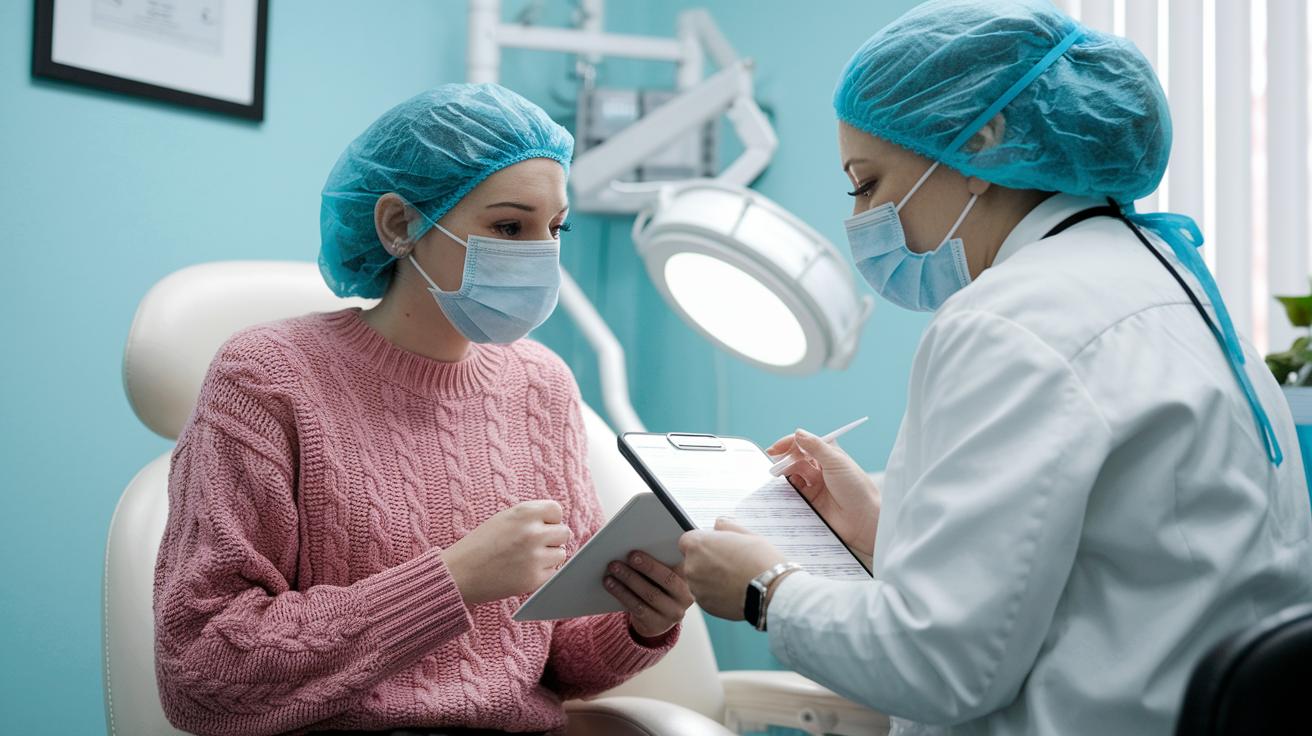
When you’re choosing someone for cosmetic work, it’s important to do your homework. Even little mistakes or questionable methods can lead to results that just aren’t right. It’s a bit like picking a product, you’d ask a trusted friend for advice, so apply the same logic when selecting your surgeon.
Be sure to use trusted resources. Look at RealSelf reviews or join Q&A sessions with experts like Dr. Nassif. These steps help you tell apart genuine skilled professionals from those who might fall short.
Think of it this way: verifying credentials is like choosing the best coach for your team. You want someone reliable and experienced who has a solid track record.
Here are some warning signs to watch out for:
- Lack of certification from recognized medical boards.
- No before-and-after photos to show previous results.
- Pushy sales tactics that rush you into making a decision.
- A missing, clear conversation about informed consent.
- Consistently negative patient reviews on trusted sites.
- No chance for a proper consultation or detailed Q&A session.
If you spot any of these red flags, it might be time to explore other options. And don’t forget to double-check the provider’s credentials with trusted resources that compare cosmetic surgeons and plastic surgeons.
Recovery and Revision Options After Botched Plastic Surgery
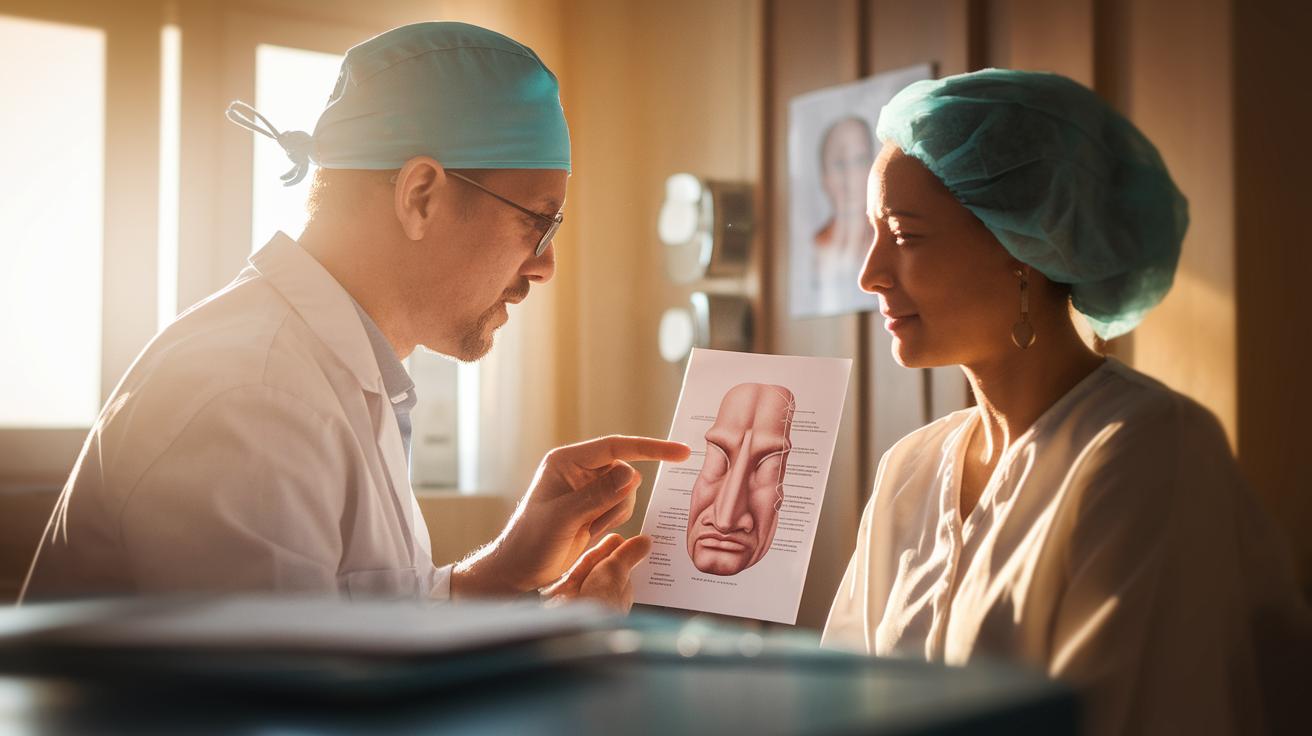
Even if your first plastic surgery doesn't turn out as expected, there are ways to help set things right. You might be surprised to learn that revision procedures exist to fix everything from slight imbalances in symmetry to bigger structural issues. Treatments can vary from minor fixes to more involved surgeries. For instance, some patients opt for procedures like revision rhinoplasty, removing or replacing breast implants, subtle facelift adjustments, or even body lift corrections. There are also non-surgical options like injectables that can gently refine your appearance. Depending on what you need, recovery times can range from approximately 2 weeks for simpler fixes to around 6 months for more complex corrections. These treatments are all about restoring both your look and your confidence, turning what feels like a setback into a chance for a better result.
Revision Surgery Types
Revision rhinoplasty can help reshape your nose for better harmony and usually takes several weeks for any swelling to settle down. Adjustments to breast implants aim to bring back a natural contour and might call for a moderate recovery period. Facelift touch-ups are designed to smooth out earlier imperfections with a quicker healing time. Corrections from a body lift can cover larger areas and might need a longer period to heal fully. For those who prefer less invasive tweaks, non-surgical injectables can subtly enhance your features with minimal downtime.
| Procedure | Typical Downtime | Expected Improvement |
|---|---|---|
| Revision Rhinoplasty | 4-6 weeks | Enhanced nasal balance |
| Breast Implant Adjustment | 6-8 weeks | Restored, natural contours |
| Facelift Touch-Up | 2-3 weeks | Improved symmetry and lift |
| Body Lift Corrections | 8-12 weeks | Smoother body contours |
| Non-Surgical Injectables | 1-2 weeks | Subtle refinement in definition |
Legal, Financial, and Emotional Aftermath of Botched Plastic Surgery

When a cosmetic procedure goes wrong, the impact stretches far beyond the surgery itself. Many patients find themselves overwhelmed by mixed emotions like anxiety and depression, all while dealing with unplanned expenses. These extra costs, whether for further treatments or fixing complications, can add a heavy financial burden. And on top of that, navigating insurance claims and the possibility of a malpractice lawsuit can feel incredibly daunting. Imagine hearing that one patient had to pay over $20,000 in just a few months to address the issues from her surgery.
The emotional toll can stick with you, sometimes hurting your self-esteem and making everyday life more challenging. Gathering all your treatment records and deciding on the best way to seek justice or corrections is no small task. The legal journey, in particular, can be just as exhausting as getting physically better.
- Collect all your medical records, photos, and notes from appointments.
- Get a second opinion from a doctor you trust.
- Consult a lawyer who knows about cosmetic surgery cases.
- File a formal complaint with the relevant medical board or your insurance company.
- Stay updated by reviewing similar lawsuit cases to help you decide on your next move.
Talking with a counselor or joining a support group can also be a big help. These spaces let you share your feelings and cope better with both the emotional and financial challenges that come after a botched procedure.
Expert Insights on Preventing Botched Plastic Surgery from Top Surgeons

Before any surgery, a careful check-up is key to success. Experts stress that knowing your overall health and the complexity of your procedure helps prevent mistakes. They use clear checklists, compare results from past surgeries, and set up detailed consultations. As Dr. Bruce Hermann pointed out on Nip Talk Episode 1, spotting personal risk factors early can truly make a difference.
During your procedure, following a strict, step-by-step plan helps reduce risks. The surgical team sticks with clear processes and checks along the way to keep everything on track. They compare what’s happening in real time with proven outcomes, and if something doesn’t go as planned, they adjust right away to lower the chances of any mishaps.
After the surgery, careful follow-up is just as important. Regular visits let your surgeon check your healing and address any small issues before they grow. This close monitoring, along with your feedback, helps ensure you enjoy both quick recovery and long-lasting satisfaction.
Surgeon Q&A Highlights
- Ask clear, honest questions during your consultation.
- Insist on the use of consistent checklists and outcome reviews.
- Talk openly about risks to set realistic expectations.
Final Words
In the action, this post highlighted how botched plastic surgery can occur due to errors, infections, or unrealistic expectations. We shared real-life patient stories and common warning signals so you can spot risky practices early.
We also outlined revision options, legal and emotional support steps, and expert insights on safe practices. With these insights, you have a clear guide to making careful and informed choices. Embrace safe, smart decisions for your cosmetic journey.
FAQ
What does botched plastic surgery before and after show?
Botched plastic surgery before and after images highlight how procedures fall short of expectations. They show the initial result and subsequent revisions, emphasizing visible complications and the need for corrective surgery.
What does the Botched plastic surgery show feature?
The Botched plastic surgery show features real cases of cosmetic procedure complications. It follows experts as they address errors and perform corrective surgeries, providing insight into the challenges of cosmetic enhancements.
Who are the botched plastic surgery doctors?
Botched plastic surgery doctors, like Dr. Terry Dubrow and Dr. Paul Nassif, specialize in revising and correcting cosmetic surgeries. Their work focuses on fixing complications and helping patients regain confidence.
What do discussions on Botched plastic surgery Reddit involve?
Discussions on Botched plastic surgery Reddit involve sharing personal experiences, asking for advice, and offering support. Users exchange insights about complications, revision surgeries, and realistic outcomes after cosmetic procedures.
Who is in the cast of Botched Plastic Surgery and its Rewind segment?
The cast includes experts such as Dr. Dubrow and Dr. Nassif alongside patients who have experienced complications. Both the main show and the Rewind segment provide varied perspectives on cosmetic surgery challenges.
What can the top 10 worst plastic surgeries teach us?
The top 10 worst plastic surgeries illustrate common procedural errors and complications. These cases serve as cautionary examples, emphasizing the importance of thorough consultations and setting realistic expectations before any cosmetic work.
What makes botched plastic surgery celebrity cases notable?
Botched plastic surgery celebrity cases gain attention due to high-profile outcomes. Their visible complications spark public discussion and remind patients to carefully research procedures and choose qualified providers.
What happened to Dr. Terry Dubrow?
Dr. Terry Dubrow remains active in his practice despite high-profile cases. His continued engagement in revision surgery and television projects shows his ongoing commitment to addressing cosmetic procedure challenges.
Who is richer, Dr. Nassif or Dr. Dubrow?
Comparisons of wealth between Dr. Nassif and Dr. Dubrow are based on public perception. Both maintain thriving practices and media roles, although detailed net worth figures are not typically disclosed.
Do people pay to be on Botched?
People do not pay to be on Botched. Instead, patients seek help for problematic procedures, and their cases are featured to highlight the realities of correcting cosmetic surgery complications.
Are Dr. Dubrow and Dr. Nassif still friends?
Dr. Dubrow and Dr. Nassif continue to maintain a professional relationship. Their collaboration on challenging cases and mutual respect underline how they work together despite any past differences.


