Have you ever wondered why a Botox injection might sometimes leave a little bruise? People often think a bruise means the treatment was done wrong, but it’s simply your body’s reaction when a tiny needle touches a small blood vessel. Think of it like a small misstep in a dance you’ve practiced many times. Today, we’ll talk about why bruising happens, how long it might stick around, and how you can keep your skin smooth and clear.
Understanding Botox Bruising: Causes and Occurrence

Botox injections use a fine needle to deliver a tiny dose of the product right into your muscles. Sometimes, that small needle might accidentally tap a tiny blood vessel, letting a little blood leak out under your skin. This can cause a bruise, which is a common side effect even when an expert is handling your treatment. Areas like your forehead and around the eyes have lots of little blood vessels, so they’re more likely to show these marks.
It’s a bit like watering a garden with a delicate spout, if the flow isn’t just right, a few drops might stray. Even skilled injectors can see some unexpected bruising, much like taking a small stumble on a familiar path. This isn’t a sign of poor work; it’s just how your body reacts sometimes.
Light bruising may appear soon after your treatment or even a day or two later. It might stick around for several days or up to two weeks, but most bruises on delicate facial areas fade during the normal healing process. Being aware of these side effects can make you feel more at ease before your procedure.
Overall, seeing a little bruising after your injection is completely normal. It’s simply an expected side effect of Botox treatments.
Botox Bruising Timeline: How Long It Lasts and Develops
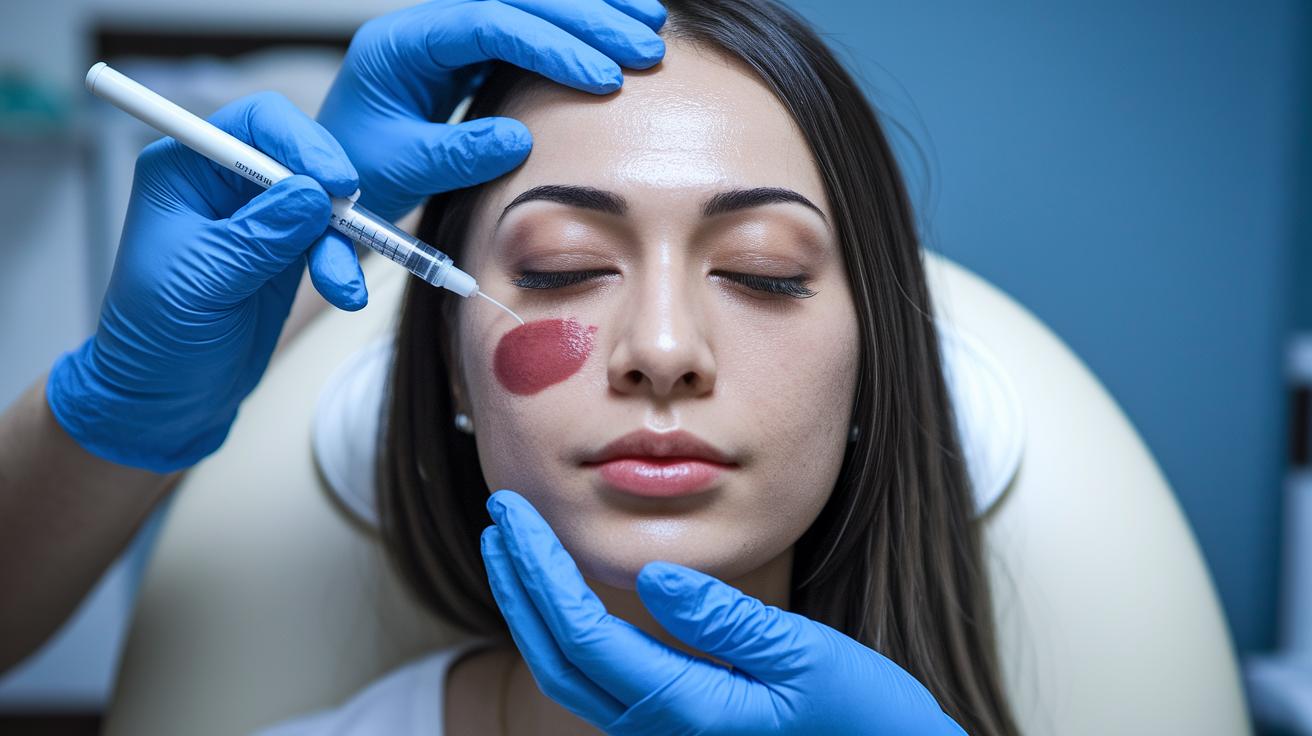
Right after a Botox procedure, you might notice a little bruise or see one appear within a day or two. These spots usually show up where there are lots of tiny blood vessels, and how noticeable they are depends on how your body reacts to the injection.
A light bruise will typically start to fade in about five to seven days. Imagine watching a brilliant sunset slowly soften into gentle evening light. However, if the bruise is darker or if you're someone who tends to bruise easily, it might take close to two weeks to disappear completely.
There are a few things that can affect how quickly a bruise heals. For example, sticking to your aftercare routine, your own healing process, and your overall blood vessel health all play a role. Simple steps like keeping your head elevated when you rest or using a cold compress for short bursts might help reduce swelling and speed up healing.
Remember, everyone's body is different, so the time a bruise takes to fade can vary. Taking good care of your skin after treatment is key to seeing a smooth, clear recovery.
Preventing Botox Bruising: Pre-Treatment Strategies
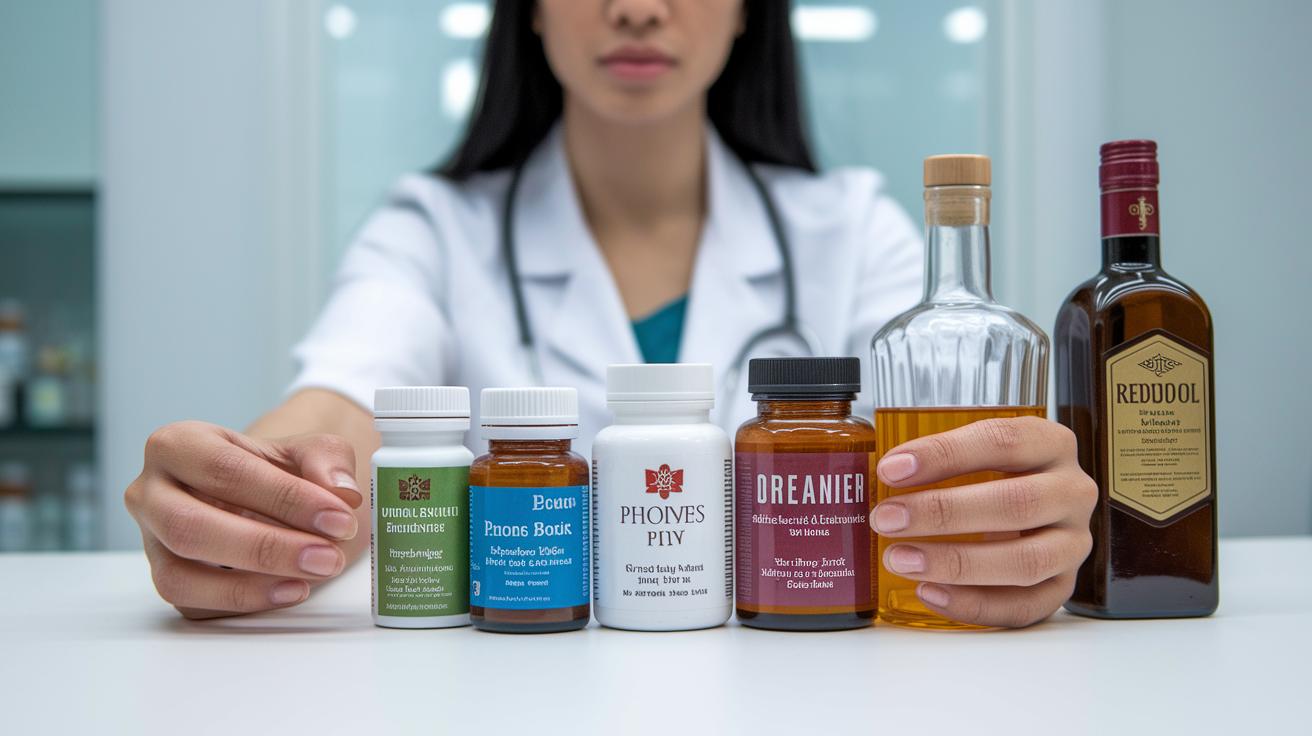
When you're gearing up for a Botox visit, there are a few simple steps that can help reduce bruising. One of the main ideas is to avoid anything that might thin your blood before your appointment. For about a week before your treatment, skip supplements like fish oil, ginkgo biloba, St. John’s wort, omega-3s, high-dose vitamin E, garlic, and turmeric. You might find that avoiding these helps you have a smoother recovery.
You should also take a similar approach with some medicines and alcohol. Try to steer clear of aspirin, NSAIDs (like ibuprofen), and any alcoholic drinks for at least 24 hours before your injections. This can help keep your tiny blood vessels from bleeding too much when the needle does its work. It’s a smart idea to chat with your healthcare provider ahead of time to see if you can adjust your medication routine a bit.
If you have a menstrual cycle, consider scheduling your injections when your body isn’t busy forming new blood vessels, such as mid-cycle. And also, avoid any vigorous exercise a few hours before your appointment, when your heart is pumping faster, the extra blood flow might increase your chance of bruising.
All these steps aren’t just about avoiding unwanted marks. They’re about giving your skin the best chance to show off a smooth, clear look after your Botox treatment. A little extra care beforehand can make a big difference later.
Post-Treatment Care to Minimize Botox Bruising
After you get Botox, a few simple care tips can help keep your skin calm and clear. First, try using an ice pack or a cold compress for about 10 to 15 minutes every hour on the day of your treatment. This cool burst helps tighten your blood vessels, cutting down on swelling and bleeding. It’s like giving your skin a refreshing break on a warm day.
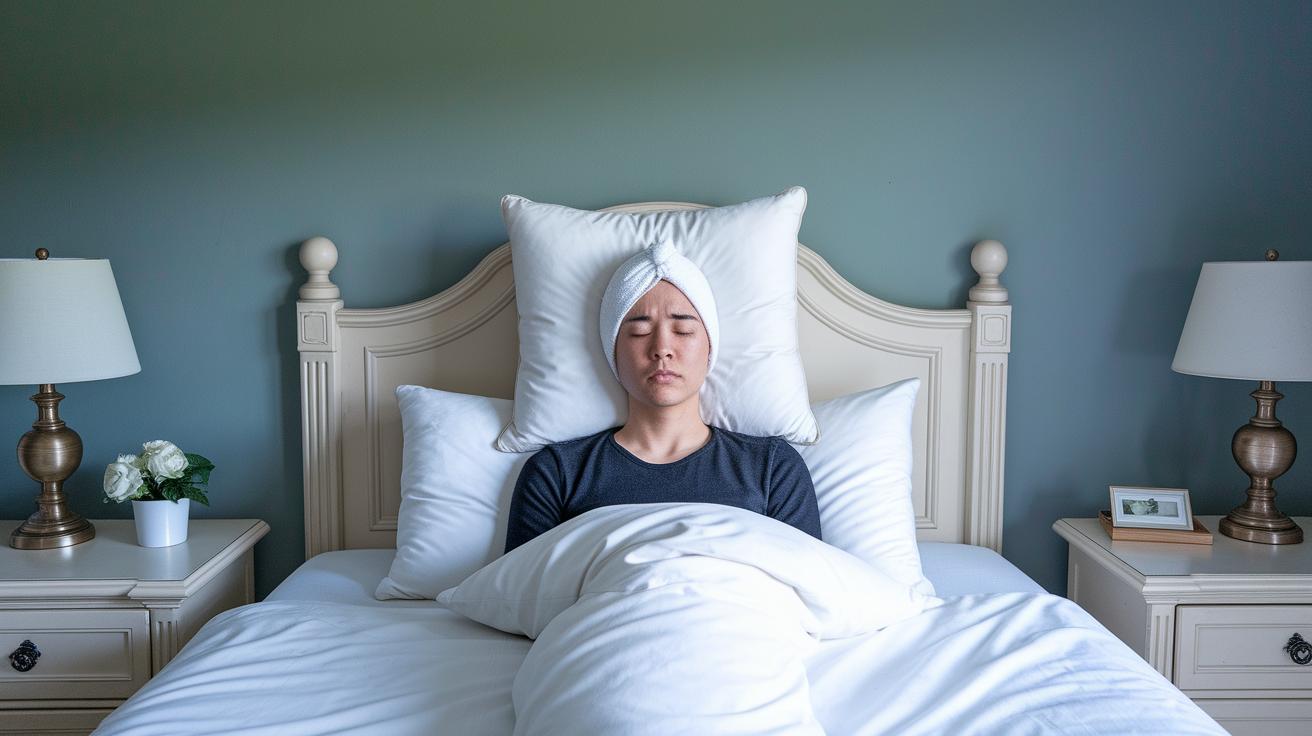
Another tip is to keep your head elevated when you sleep. For the first two or three nights, use extra pillows so your head stays above your heart. This gentle incline slows the blood flow to your face, much like easing a fast-running stream. It might sound small, but it can really help bruising fade quicker.
Also, steer clear of touching, massaging, or lying flat on your face after your treatment. While it might be tempting to check in on your skin, too much movement can lead to extra irritation or even more bruising. And try to skip any vigorous activities for at least 24 hours, when your heart works harder, more blood rushes to those sensitive spots. These straightforward tips can make a big difference, helping you manage any bruising and enjoy a smoother recovery.
Botox Bruising: Achieve Smooth, Clear Skin
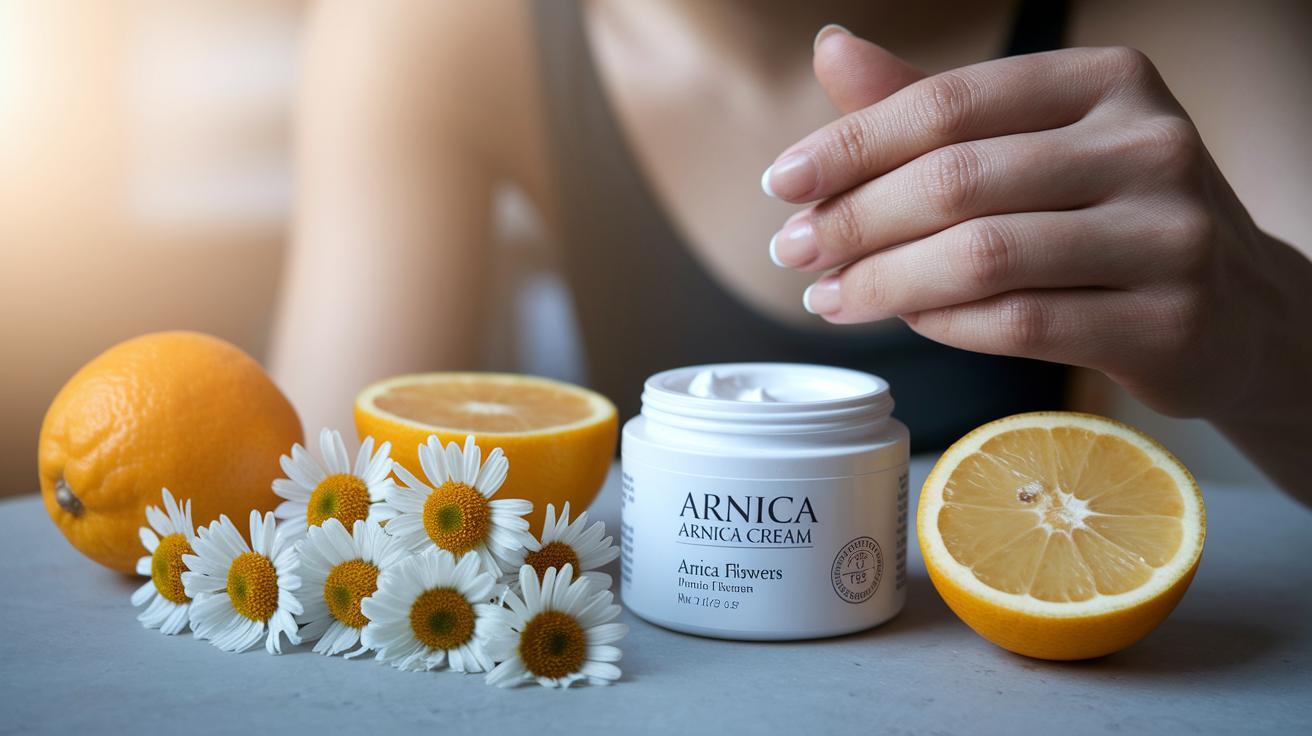
Many patients have found that natural remedies can gently support the healing process after Botox. For example, Arnica montana, a plant used in traditional medicine to calm swelling and bruising, can be taken as a supplement or applied right where you need it. In many home care traditions, Arnica is cherished for its soothing touch, almost like a soft whisper of relief on the skin. Its mild, natural anti-inflammatory properties help ease bruising gradually.
Boosting your vitamin C intake can also be a key part of your recovery. Foods like citrus fruits, blackcurrants, broccoli, and peppers strengthen your blood vessel walls, which may help bruises fade faster. Think of that refreshing crunch of a crisp apple, it’s a simple reminder of how everyday foods support your body’s healing. And if you tend to bruise easily, you might look into targeted supplements such as bromelain, an enzyme that helps reduce inflammation, or vitamin K, always following your doctor’s advice. By blending these natural remedies with smart food choices both before and after Botox, you’re giving your skin a gentle nudge toward a smoother, clearer look.
When to Seek Professional Help for Botox Bruising
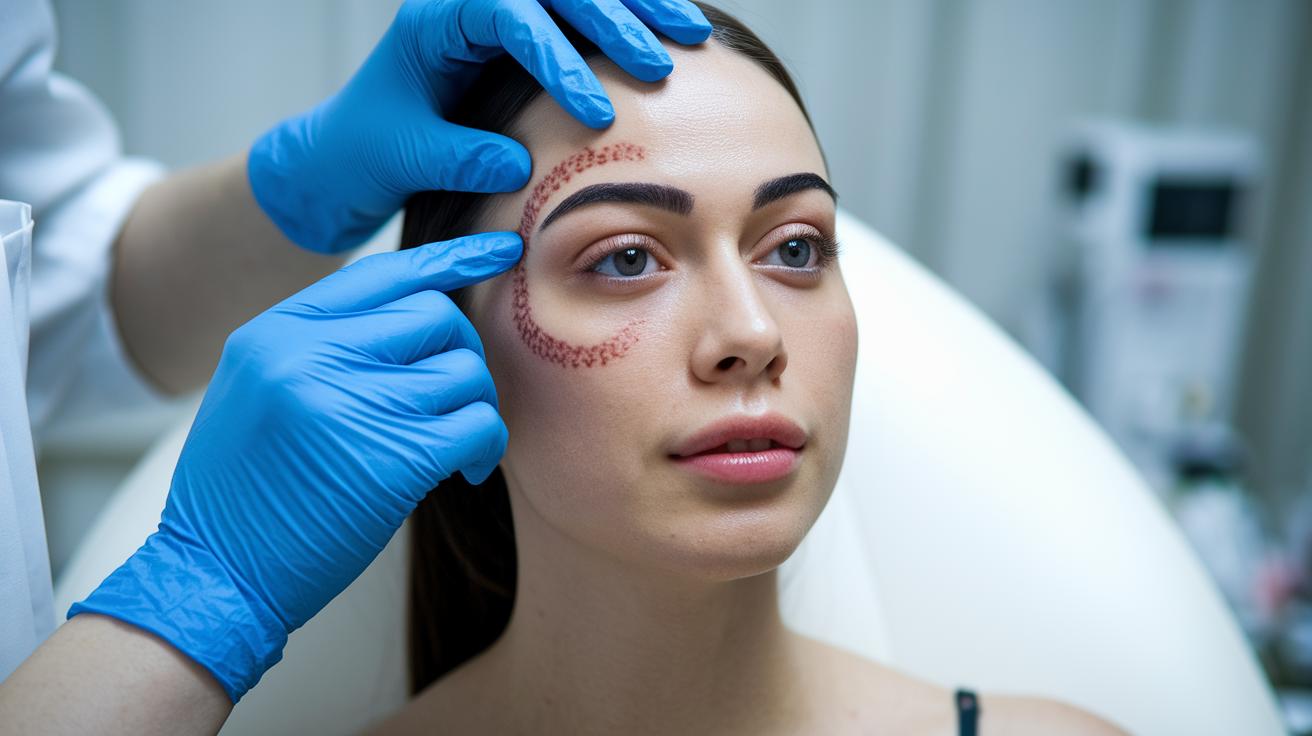
Bruising is a common part of the healing process after a Botox treatment, so don’t worry if you see a little discoloration. But if you start to feel strong pain at the injection spots or notice that a bruise is getting bigger instead of gradually fading, you should reach out to your provider. Imagine a bruise that keeps growing, it’s a clear sign to have it checked.
Also, if the area around the bruise becomes more red or feels warm, it might be showing signs of an infection. And if the bruise hasn’t improved after two weeks, it’s a good idea to get a professional opinion. A quick check-up can rule out any issues like blood pooling or other circulation problems.
Remember, it’s always better to be safe and ask your provider if you’re unsure about any changes. They can help make sure everything is healing properly and guide you through a smooth recovery.
Facial Anatomy and Vascular Factors in Botox Bruising
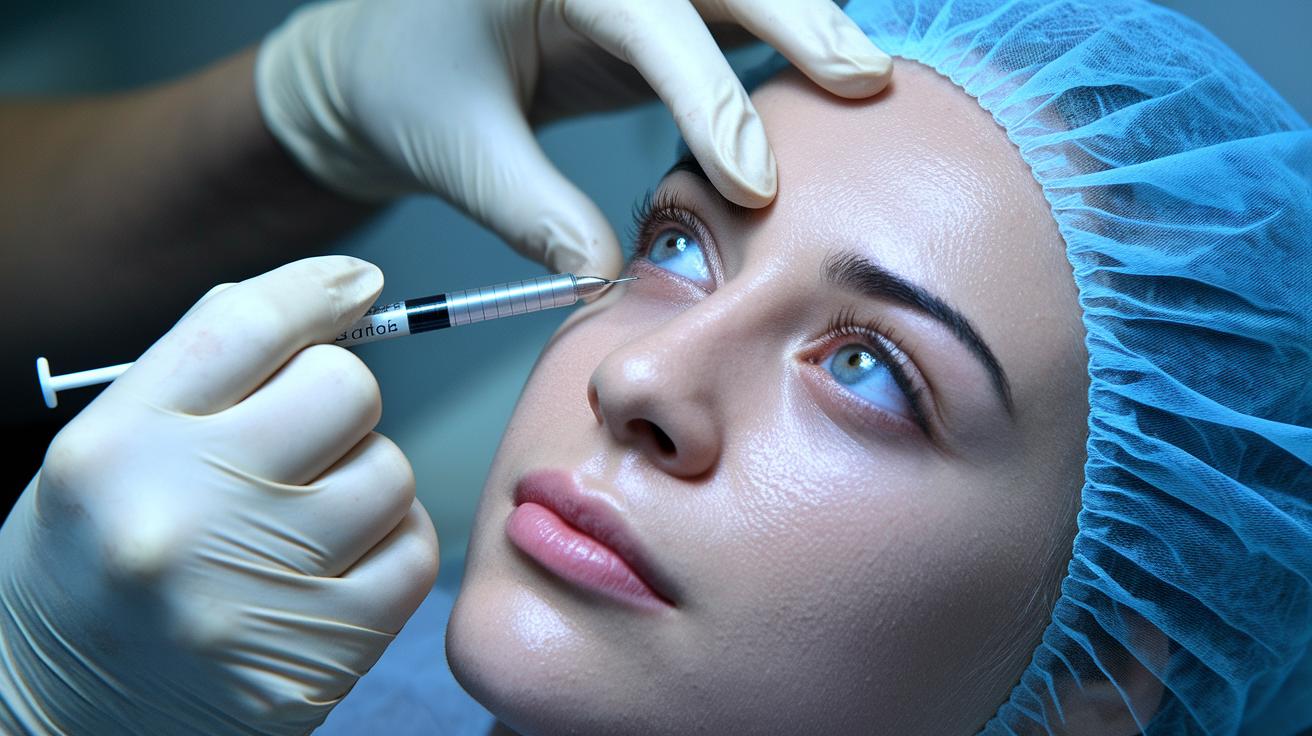
Your face is full of little blood vessels running just beneath the skin. Areas like the space between your eyebrows, the lines around your eyes, and the under-eye region are especially rich in these tiny vessels. Because of this, they can bruise more easily if a needle touches them. It’s a bit like walking through a crowded street, one small misstep, and you might bump into someone.
Skilled injectors pay close attention to these details. They choose the right needle size, angle, and depth to avoid causing unnecessary trauma. They even take extra steps, like checking if the needle picks up any blood before injecting, to be sure it isn’t hitting a blood vessel. Sometimes, they use microcannulas (softer, more flexible tubes) to further reduce the bruising risk.
Here are some key strategies they use during Botox injections:
- Picking injection sites carefully based on where the capillaries are most dense.
- Adjusting the angle and depth of the injection to protect the nearby blood vessels.
- Using techniques like a quick blood check and sometimes microcannulas to lower bruising chances.
By understanding the layout of blood vessels on your face, you and your provider can work together to keep your skin looking smooth and clear.
Visual Guide to Botox Bruising Recovery Progress
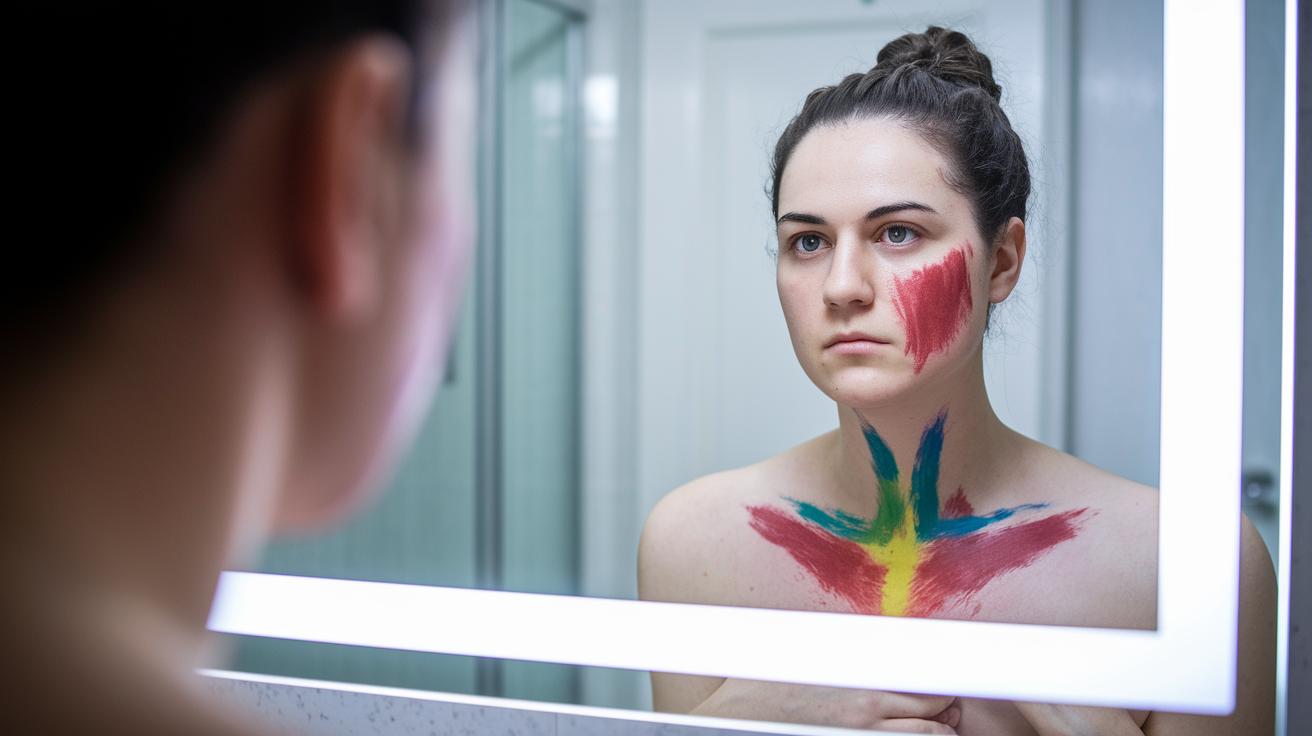
After your Botox treatment, you might see a bright red or purple bruise within the first 24 hours. This change means that a tiny blood vessel was affected. By around day three, many people notice the bruise darken to a blue or deep purple shade, almost like a picture fading from bold to soft.
As healing continues, the bruise can take on a green tint, a sign that your body is breaking down the blood. Next, it shifts to yellow, showing that it’s sweeping away the final traces. Usually, the bruise starts to fade by day seven, and most are nearly gone between days 10 and 14.
Taking a photo each day can be a really helpful way to see how your skin is healing. It’s like watching a natural time-lapse that reminds you how your body works its magic.
Final Words
In the action, we unraveled what sparks botox bruising and why it happens, from tiny vessel impacts to everyday facial injection side effects. We reviewed practical tips to prevent unwanted marks, walked through post-treatment care, and even discussed natural remedies. Our guide explained facial anatomy factors and when to get professional help, ensuring you know what to expect. This breakdown offers you a clear, straightforward look at botox bruising, helping you feel reassured and ready to make confident decisions about your aesthetic transformation. Keep feeling positive and informed on your path to a refreshed look.
FAQ
Q: What do pictures of Botox bruising show and how does it vary by treatment area?
A: Images of Botox bruising typically show red or purple marks with slight swelling from small blood vessel breaks. Areas like the forehead, lips, and crow’s feet are more prone due to their dense capillary networks.
Q: Is bruising after Botox dangerous and what does it indicate?
A: Bruising indicates that a tiny blood vessel was hit during the injection. It is a common and temporary side effect that usually isn’t dangerous unless severe pain or unusual symptoms occur.
Q: How long does a Botox bruise take to fade?
A: A light bruise often improves in five to seven days, while deeper marks might take up to two weeks. Tracking color changes can help gauge the healing progress.
Q: What is the 4-hour rule for Botox?
A: The 4-hour rule suggests keeping your head elevated and avoiding touching or massaging the treatment area for at least four hours after your injections, helping to minimize bruising and promote proper product settling.


