Have you ever thought a tiny needle could change your reflection? Botox and Dysport both smooth wrinkles, but they do it in their own ways. Botox feels like a precise touch that focuses on one spot at a time, while Dysport spreads out gently over a wider area for quicker results. Your choice might change how naturally refreshed you look. Today, we’re sharing the simple science behind these treatments so you can decide which one fits your goal for a confident, revitalized appearance.
Comparing Botox and Dysport for Wrinkle Treatment Outcomes
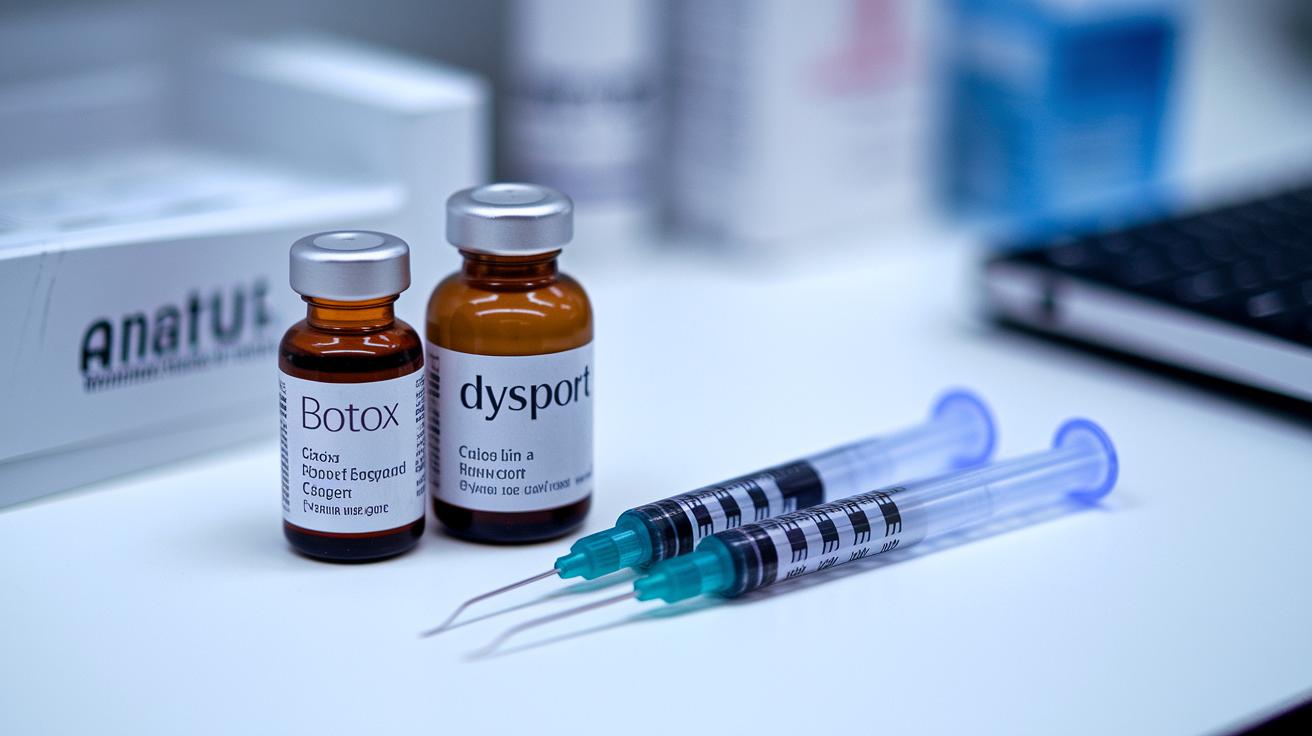
Both Botox and Dysport are popular treatments that use botulinum toxin type A, a substance that helps relax facial muscles temporarily and smooths away wrinkles. Botox has a molecular weight of about 900 kDa, which means it stays in a smaller area. Think of it like dabbing a little bit of paint exactly where you need it, it gives precise results.
Dysport, on the other hand, has a slightly smaller molecular size of around 800 kDa. This allows the product to spread over larger areas. For instance, many choose Dysport for treating the whole forehead because you can start seeing results within 2 to 3 days. It’s a bit like a gentle brush stroke spreading naturally over a wide canvas. Although Dysport shows effects faster, its benefits usually last around 3 to 4 months, sometimes even 5 months according to some studies. Botox tends to take a little longer to reach full effect, typically about 3 to 7 days, but its results can persist for up to 6 months.
Both treatments are often used on areas like crow’s feet, forehead furrows, and the “11” lines between the eyebrows. If pinpoint accuracy is what you’re after, Botox might be the better option. But if you’re looking for quick action and wider coverage, Dysport could be the way to go. Most sessions take under 20 minutes with minimal downtime. In terms of cost, Botox sessions usually run between $300 and $600, while Dysport sessions average around $400. Ultimately, your choice will depend on your treatment goals, how quickly you want to see changes, and how long you’d like the effects to last.
Botox Fundamentals: Mechanism, Onset, and Cosmetic Applications
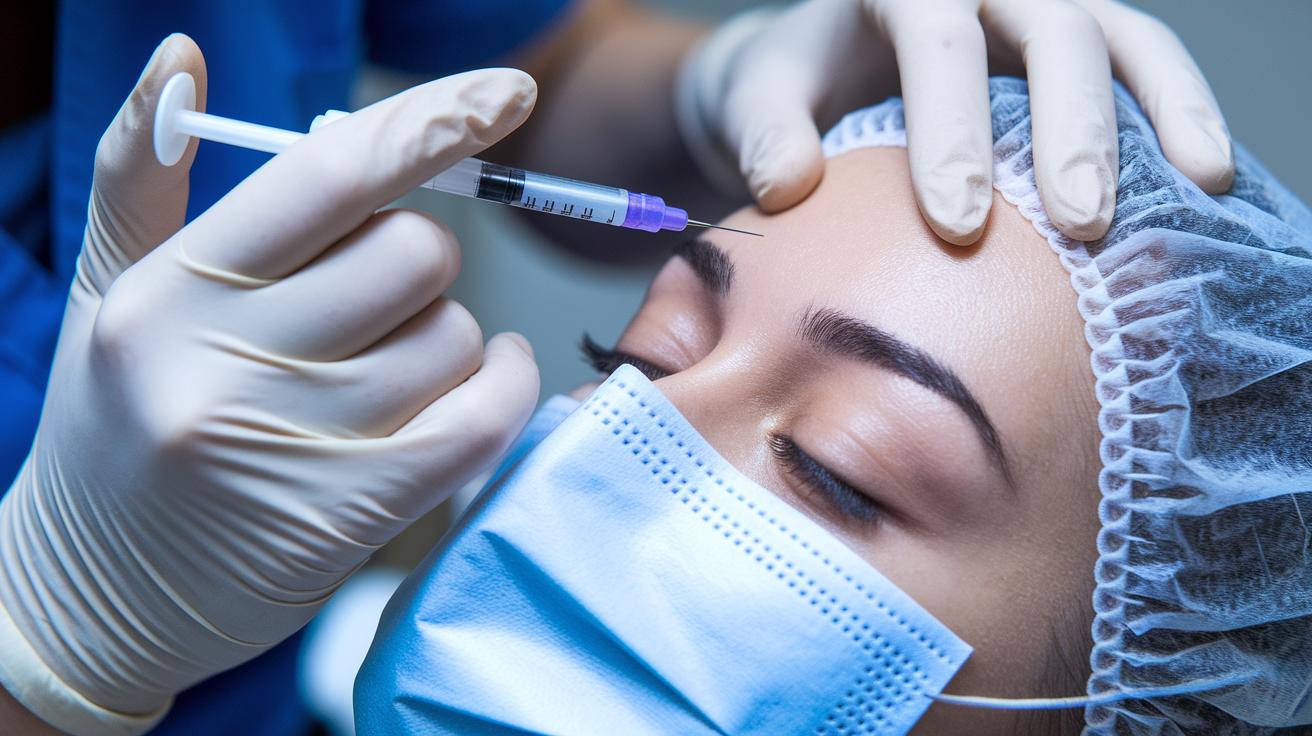
Botox is well known and has FDA approval to smooth out frown lines, forehead lines, and crow's feet. It is also used for conditions like chronic migraines (a severe headache disorder), excessive sweating, overactive bladder, and some muscle problems. In simple terms, Botox works by sticking to the nerve-muscle connection and blocking a messenger called acetylcholine, which tells muscles to contract. This block lets the muscles relax and helps smooth out unwanted lines.
Most people start to notice changes in about 3 to 7 days, with gradual improvements that often last up to 6 months. Think of it like a targeted tool that works exactly where it is needed because its larger molecular size keeps it in one spot. So, while Botox is great for small, specific areas, treating a broader area might need a few well-placed injections.
The procedure is quick, usually taking less than 20 minutes, and any side effects, like slight redness or bruising, tend to be mild. Overall, Botox offers a safe, efficient, and focused way to refresh your appearance.
Dysport Fundamentals: Diffusion, Speed, and Longevity
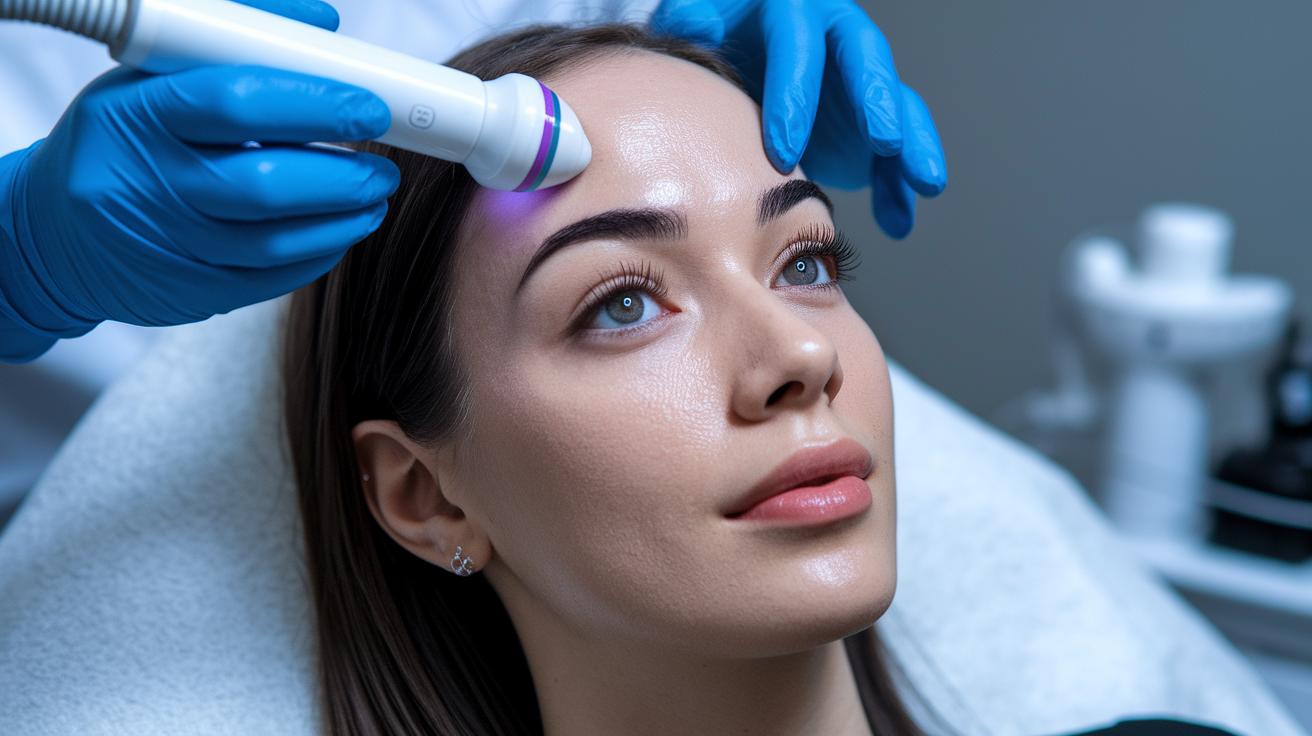
Dysport (abobotulinumtoxinA) is a treatment used to smooth out deep forehead and frown lines. Because its molecules are smaller, the medicine spreads more widely, making it a good fit even for larger areas like your forehead. Isn’t it cool that many patients start to see results in just two or three days? Think about experiencing a refreshed look really quickly.
The effects of Dysport usually last for about three to four months, and the whole procedure takes less than 20 minutes. It’s like a quick pick-me-up built right into your day. But remember, since the solution spreads easily, it’s important to get treated by someone skilled to avoid any unintentional muscle weakness.
Also, if you have a dairy protein allergy, it’s best to steer clear of Dysport because it might contain tiny traces of cow’s milk protein.
Botox or Dysport: Revitalize Your Look
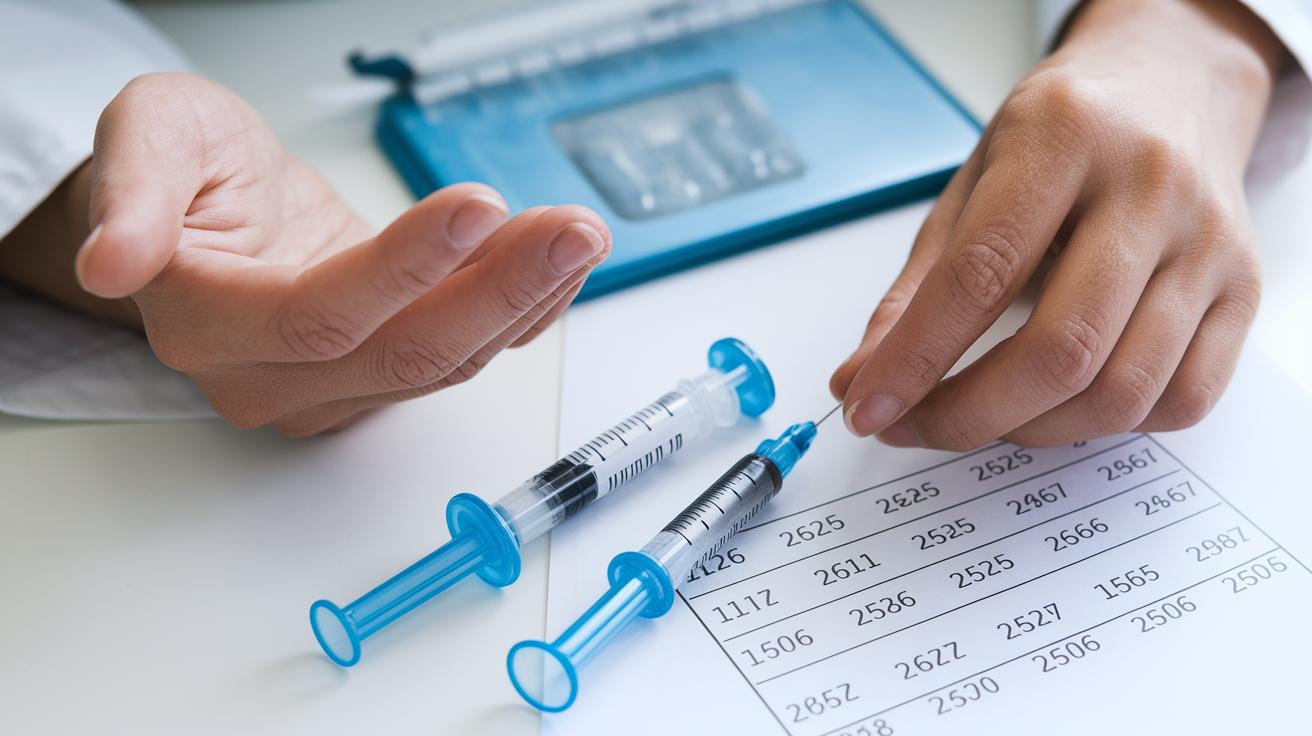
When you're trying to decide between these two treatments, knowing the details can really help. Both Botox and Dysport can be done in quick appointments that last less than 20 minutes. While their service fees are pretty similar, the number of units used and the overall cost per session can differ. For example, one unit of Botox is roughly equal to 2.5 units of Dysport because they have different strengths. This little detail is key when planning how many units you need to smooth out wrinkles and lines.
Cost is another important factor. Botox sessions usually cost between $300 and $600, while Dysport sessions average about $400. Imagine it like comparing two recipes: each one calls for a different amount of the same ingredient, so the right balance is important for the best outcome. The amount used really depends on where you're getting treated. For small areas like the lines near your eyes or between your brows, you might need fewer units of Botox, as its larger molecules keep it focused. But because Dysport spreads out more, you might need extra units if you’re treating larger areas like the forehead.
| Treatment Area | Botox Units | Dysport Units | Avg. Cost per Session ($) |
|---|---|---|---|
| Forehead wrinkles | 20 U | 50 U | Botox: 400; Dysport: 400 |
| Glabellar lines | 20 U | 50–60 U | Botox: 350; Dysport: 400 |
| Crow’s feet | 10 U each | 25 U each | Botox: 300; Dysport: 400 |
| Neck bands | 50 U | 120 U | Botox: 600; Dysport: 400 |
This guide should give you a clear picture of what to expect for both the dosage and the cost. It’s all about finding the right fit for the look you’re chasing.
Safety Profiles and Side Effects of Botox and Dysport

For full safety details, please check the Botox and Dysport fundamentals sections. One important note: if you have a milk protein allergy, Dysport might not be the right choice for you.
Some common side effects include:
- A little bruising or redness where the shot was given.
- Some swelling or tenderness at the injection spot.
- A headache after the treatment.
- A short-term drooping of the eyelid or brow.
- Muscle weakness that can spread a bit beyond the intended area (this happens more often with Dysport).
- In rare cases, allergic reactions or the issues already mentioned, like the milk protein allergy with Dysport.
botox or dysport: Revitalize Your Look
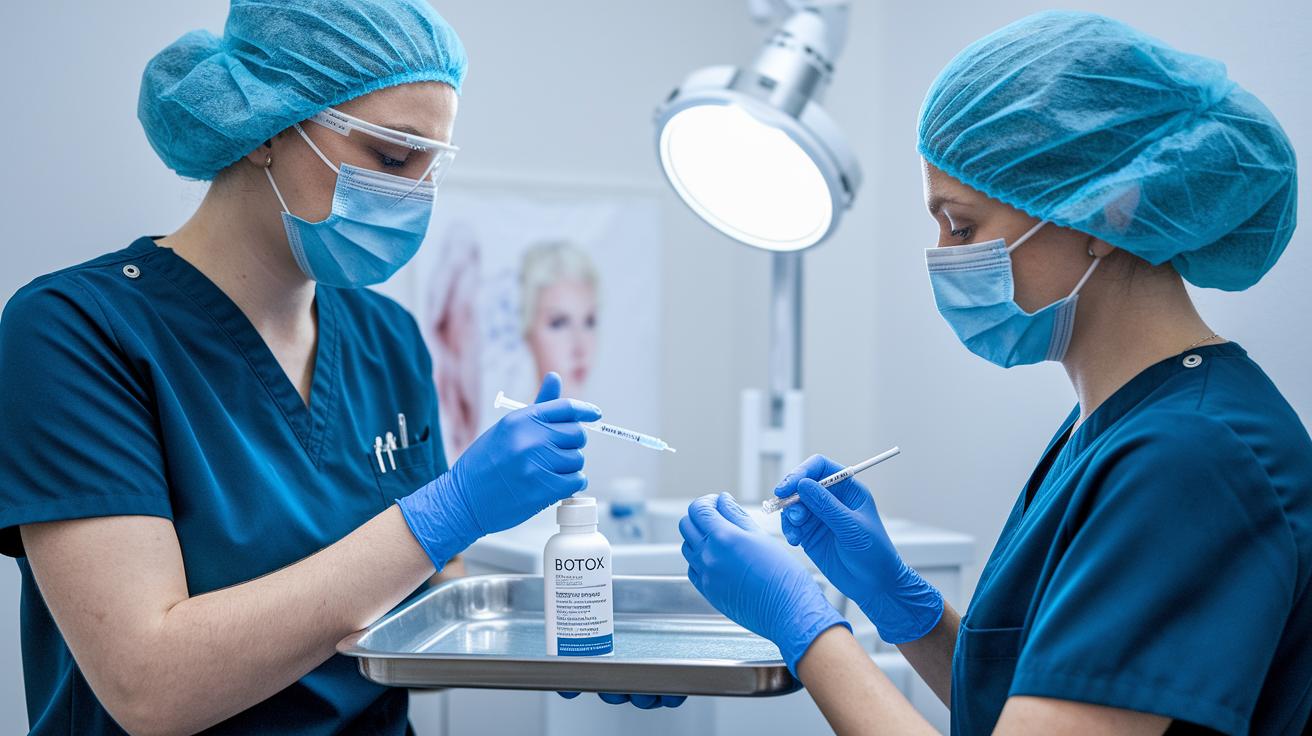
Dermatologists often recommend Botox for smoothing out fine lines because it works like a fine-tipped brush, precisely targeting each line for a longer-lasting effect. On the other hand, Dysport spreads quickly like a wider brush stroke, making it ideal for covering larger areas in a flash.
A lot of practices even mix both treatments in one session so you get the best of both worlds. In fact, patient surveys show that nearly 90% of people are happy with their results. The choice usually comes down to how fast you want to see results, how long you want them to last, and how often you’d like touch-ups.
Experts say it helps to think about where you want to improve your look. For tiny, delicate lines, Botox truly excels, think of it as using a precision pen for detailed work. For bigger areas that need quicker action, Dysport is the go-to option.
Some important things to consider when choosing your treatment are:
| What to Consider | Details |
|---|---|
| Cost | Different prices may affect your decision. |
| Duration | How long the effects last. |
| Efficiency | How fast and effectively each product works. |
It all comes down to your personal goals, your daily routine, and how often you want to go for touch-ups. Chat with your provider about what fits best with your lifestyle, and you’ll be on your way to a refreshed, revitalized look.
Final Words
In the action, we compared Botox and Dysport, looking at their speed, spread, and precision. We broke down how each treatment works, from onset and duration to cost and dosing differences. Small differences in their behavior can shape your decision for non-surgical rejuvenation. Short sessions and minimal downtime mean both options fit into busy lives. Choosing the right product, like Botox, boosts confidence and sets you on a path toward gentle, effective results. A brighter, refreshed you is waiting.
FAQ
Q: 100 units of Dysport equals how much Botox?
A: The conversion shows that about 100 units of Dysport equate to roughly 40 Botox units using a typical 2.5:1 ratio, though individual treatment needs may vary.
Q: Botox or Dysport cost?
A: The costs are similar between the two treatments; Botox sessions generally range from $300 to $600, and Dysport sessions average around $400, depending on the treated area and required dosage.
Q: Botox or Dysport for wrinkles?
A: The optimal choice for wrinkles depends on your needs; Botox is favored for its precise targeting, while Dysport may suit broader areas due to its wider diffusion, achieving a smooth, natural look.
Q: Botox or Dysport for forehead?
A: The decision comes down to treatment style; Botox works well for small, defined areas while Dysport’s broader spread often makes it preferred for larger zones like the forehead.
Q: Pros and cons of Dysport vs Botox?
A: The comparison highlights Dysport’s faster onset and wider spread versus Botox’s targeted precision and longer-lasting effects, helping you choose based on the area and desired results.
Q: Dysport Botox price?
A: The session prices for both products are quite competitive, with Botox averaging $300–$600 per treatment and Dysport around $400, influenced by dosage and treatment specifics.
Q: Dysport vs Botox pictures?
A: The images comparing the two typically show that Dysport offers a wider spread of the toxin, while Botox provides sharper, more confined results, illustrating their differences in diffusion.
Q: Botox vs Dysport reviews?
A: Customer reviews indicate high satisfaction with both treatments, with choices often coming down to factors like onset speed, precise targeting, and how each product feels in practice.
Q: Which lasts longer, Botox or Dysport?
A: The lasting effects differ as Botox can maintain results for up to six months, while Dysport usually shows effects for three to four months, making Botox a longer-lasting option for many patients.
Q: Why do people choose Dysport over Botox?
A: Many opt for Dysport because its faster onset and greater diffusion suit larger treatment areas, letting patients see quicker results when addressing broader facial regions.
Q: What’s more expensive, Botox or Dysport?
A: The pricing tends to be similar between the treatments; costs depend on the number of units used per area rather than one product being significantly more expensive than the other.
Q: Is it okay to switch between Botox and Dysport?
A: Switching is generally acceptable since both products utilize botulinum toxin type A, but a professional consultation is recommended to tailor treatment according to your unique needs.


