Ever notice how one part of your face can look radiant while another seems dry, almost rough like sand? If so, you might have combination skin. But really, that can be a good thing, it means you have a unique opportunity to create a tailored routine that highlights your natural glow.
Think of it this way: your T-zone might get a bit oily, while other areas need extra hydration. Balancing these differences is key to feeling comfortable and looking your best. In this post, we'll walk you through how combination skin works and share an easy, balanced routine to help you enjoy that fresh, glowing look every day.
Combination Skin Defined: Causes, Traits, and Identification
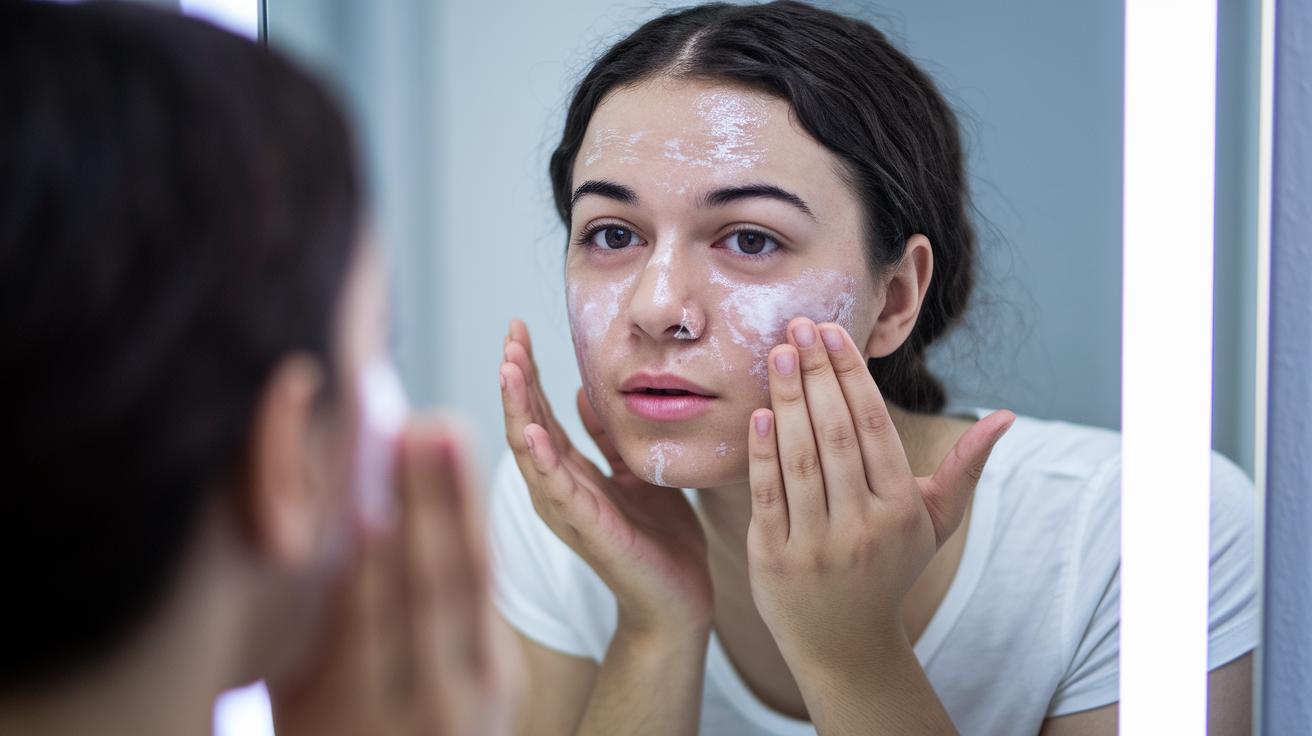
Combination skin shows both oily and dry patches. You might see a shiny T-zone, your forehead, nose, and chin look slick, while your cheeks, temples, and jawline feel dry and tight. This happens because different parts of your face make different amounts of sebum, the natural oil that keeps your skin moist. In some spots, too much oil makes your skin glisten, and in others, not enough moisture leads to rough, flaky patches.
The reason behind this is pretty simple. Uneven oil production and how well your skin holds moisture play a big role. Often, your T-zone produces more oil due to genetics, while other areas struggle to keep enough hydration. A quick test can help you see the difference: wash your face with your usual cleanser, let it air dry for about 30 minutes, and then check how it feels. Areas where oil builds up will look slick, while drier spots may feel tight or look dull.
When you take a closer look at your skin, notice these four key signs:
- A shiny T-zone with a noticeable glow
- Both dry and oily patches on your face
- Areas that are shiny and a bit irritated from extra oil
- Changes in how dry or oily your skin feels after washing with lukewarm water
Seeing these signs can really help you tailor a skincare routine that meets each area’s needs. By understanding how your face reacts during a simple home test, you can choose products that balance oil control with extra hydration, helping your skin shine in its most natural, healthy way.
Causes and Contributing Factors of Combination Skin
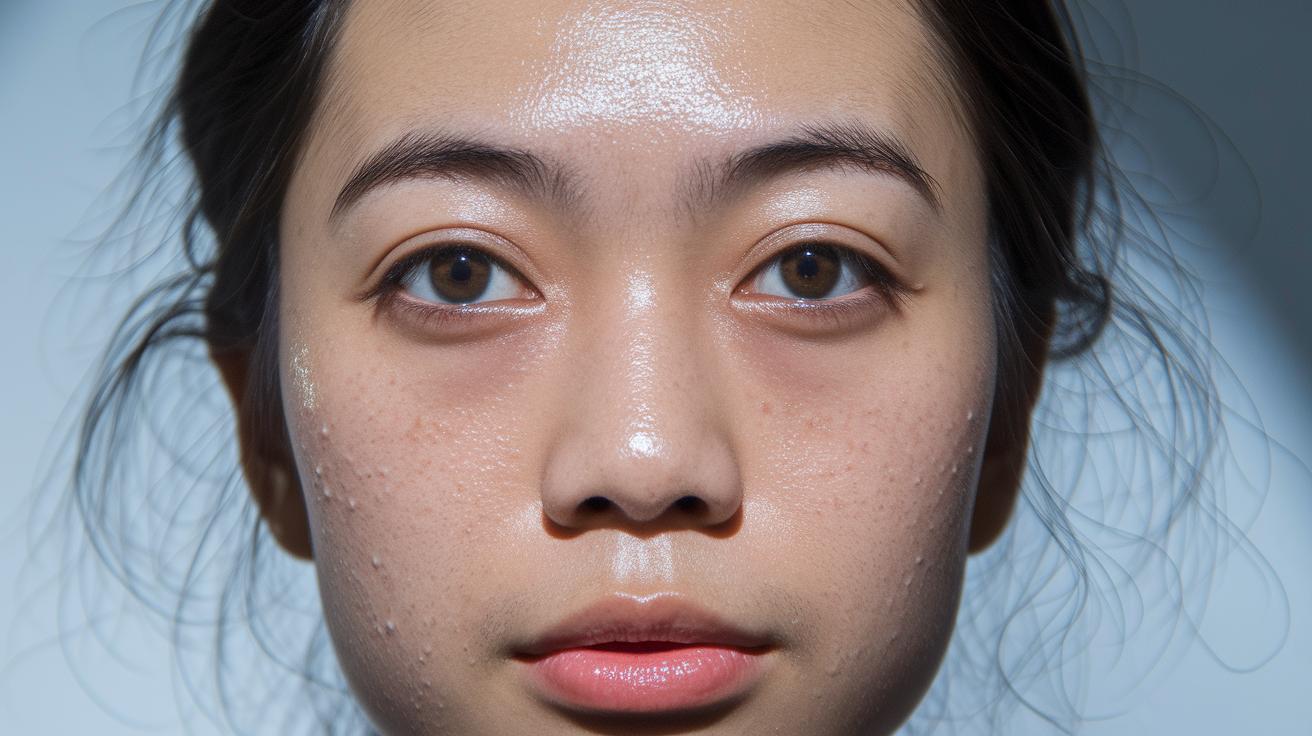
Your skin might feel like it has a mind of its own. In some areas, especially the T-zone (the area from your forehead down through your nose and chin), your skin can produce too much oil. Meanwhile, other spots may feel dry and tight because they lack moisture. This unevenness happens for a few reasons. Things happening inside your body such as genetics or hormonal shifts, and things outside like the weather or harsh skincare products, can upset your skin's balance. Sometimes, washing your face too much or using products with strong ingredients can make dry areas even more sensitive and even boost oil production where your skin is already oily.
Here are a few main factors that contribute to combination skin:
- Genetics and Hormonal Changes: Your genes and hormones often decide how much oil your skin makes, which can lead to a mixed complexion.
- Environmental Changes: Shifts in temperature or humidity can stress your skin, causing it to adjust its oil levels from one area to another.
- Product Usage: Overusing strong cleansers or exfoliators can upset your skin’s natural balance, leaving you with both dry patches and shiny areas.
Understanding these factors can help you create a skincare routine that caters to both oily and dry spots. It might be worth experimenting a little to see what makes your skin feel the most comfortable.
Combination Skin: Glowing & Balanced Routine
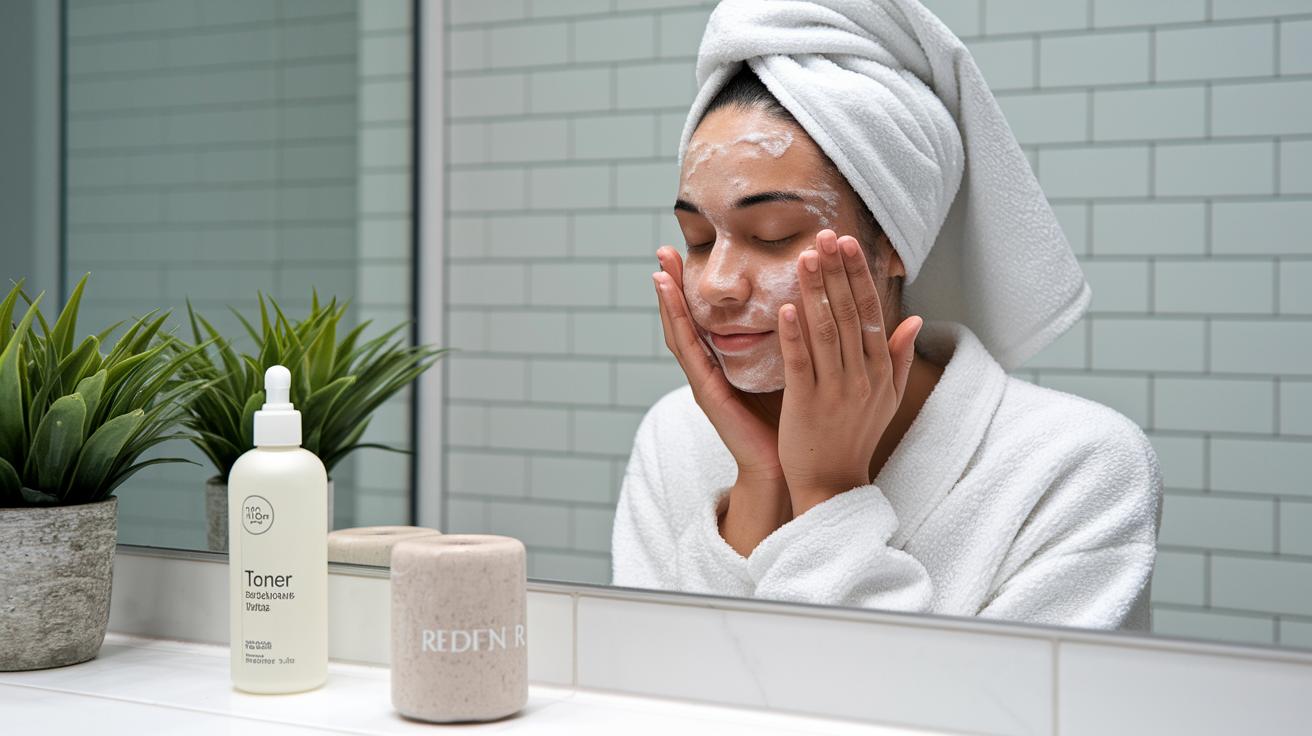
Taking care of combination skin is like having a gentle, honest conversation with your face. Think of your routine as a simple, custom plan that respects both oily and dry spots without overwhelming either.
-
Cleanse with a gentle, pH-balanced cleanser
Start by washing your face with a cleanser that honors your skin’s natural pH. It’s like giving your face a warm, calming rinse that removes impurities and soothes at the same time. -
Apply a targeted toner or essence
After cleansing, add a toner or essence to your routine. This step is like laying a smooth foundation, making sure your skin is ready to absorb the next treatments effectively. -
Use spot treatments on blemish-prone zones
When you notice areas prone to blemishes, use a spot treatment to give them extra care. This focused approach helps manage problem spots without taking moisture away from the rest of your skin. -
Smooth on hydrating serums for dry patches
For those dry areas, use an alcohol-free serum that refreshes and hydrates without feeling heavy. Imagine your skin taking a cool, satisfying drink on a warm day, light and refreshing. -
Lock in moisture with dual products and finish with SPF
Finish your routine by using two moisturizers: one lighter option for oily spots and a richer cream for drier areas. Then, don’t forget a broad-spectrum SPF in the morning to protect your balanced glow all day long.
Balancing Oily and Dry Zones: Targeted Treatments for Combination Skin
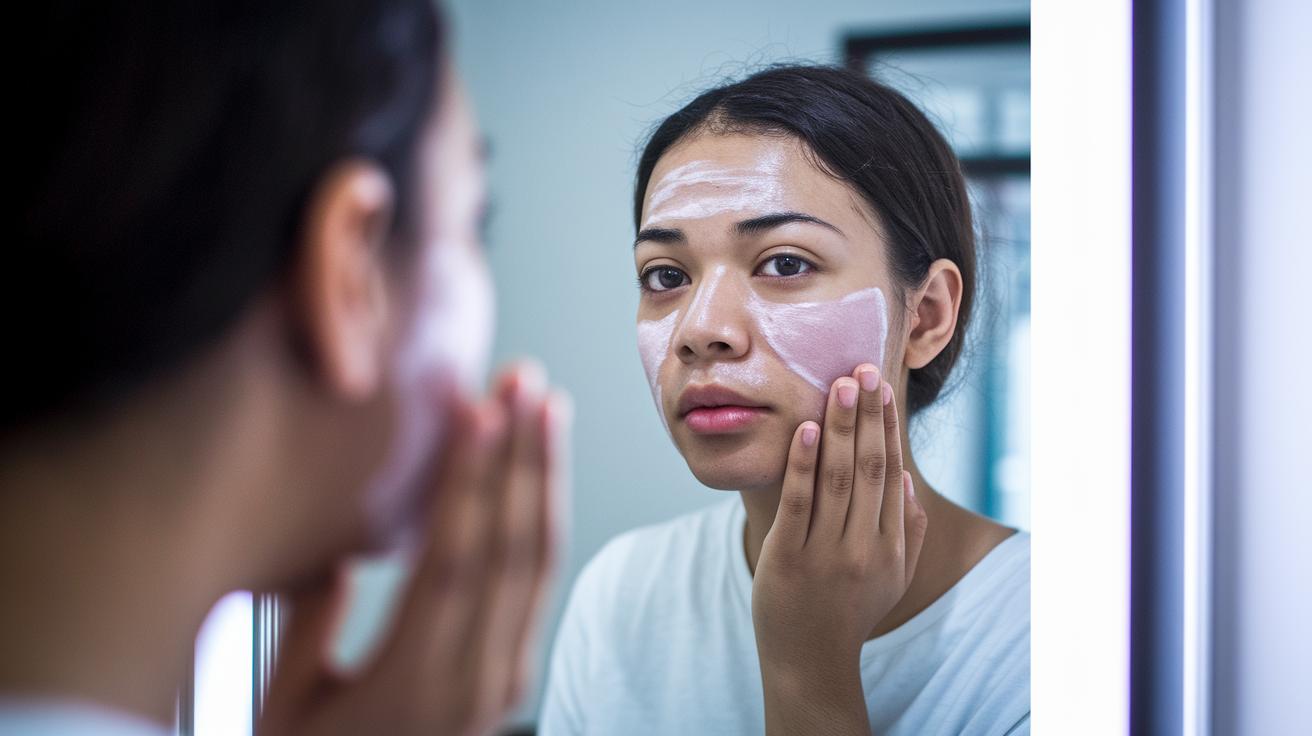
Managing combination skin can feel like juggling two different care routines on one face. On the T-zone, your forehead, nose, and chin, skin tends to get oily, so you’ll want products that control shine without taking away needed moisture. Meanwhile, dry patches crave extra hydration to keep them smooth and comfortable.
A simple trick is to treat each zone gently with the right products two or three times a week. This way, you help your skin stay calm and balanced without any extra fuss.
For oil control, try these focused treatments:
- Salicylic-acid cleanser – It works gently to clear out pores and reduce shine without over-drying.
- Clay mask – This mask helps pull out impurities and soak up the extra oil from those glow-prone areas.
- Oil-absorbing blotting sheets – Handy for on-the-go moments, these sheets reduce shine without messing up your makeup.
For added hydration in dry spots, consider these remedies:
- Hyaluronic-acid serum – It delivers a light, refreshing boost of moisture while keeping the skin feeling smooth.
- Ceramide moisturizer – This cream helps replace lost moisture and strengthens your skin’s natural barrier.
- Overnight hydrating mask – Applied before bed, it provides deep hydration so you wake up with calm, nourished skin.
Mix and match these treatments a few times each week to balance oil control with extra hydration. Your skin will thank you for the gentle care that leaves it looking radiant and comfortable.
Key Ingredients for Combination Skin: Benefits and Usage Guidelines
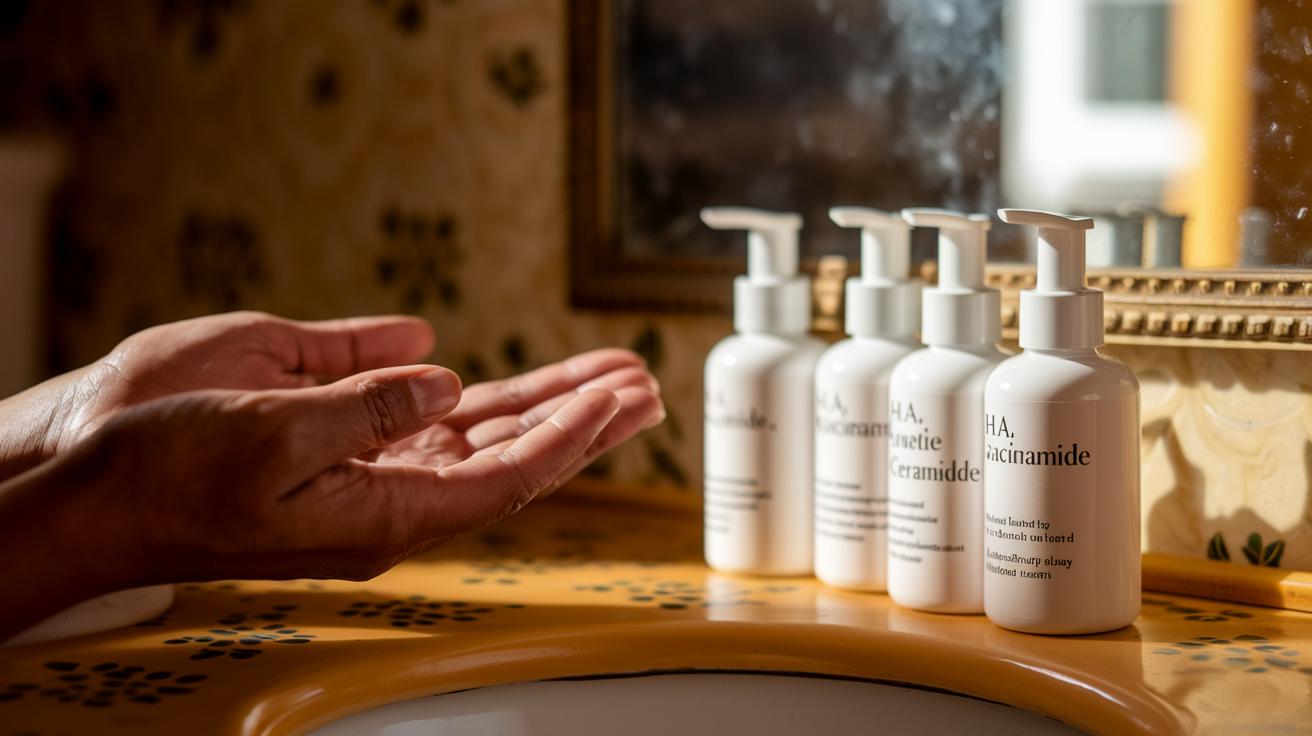
When you have combination skin, using products with the right ingredients can really brighten your routine and keep things in balance. A few gentle yet effective ingredients can add moisture to dry spots while calming oily areas. For example, hyaluronic acid hydrates your skin without leaving it greasy, and salicylic acid helps clear out pores naturally. These ingredients work together to keep your skin feeling fresh and cared for. Always try a small test on a tiny patch of skin before using something new on your whole face.
Another win for combination skin is niacinamide. This light ingredient helps control oil and strengthens your skin’s protective layer, so you stay calm all day. Ceramides are also important because they add moisture where it's really needed and support your skin’s overall strength. Each ingredient has its own perk, making sure that even if your skin has different needs in different areas, every part gets a little love. Using them as part of your regular routine is like creating a balanced plan that hydrates dry areas and controls oil in the T-zone.
| Ingredient | Primary Benefit | Usage Frequency |
|---|---|---|
| Hyaluronic Acid | Hydrates without greasiness | Daily |
| Salicylic Acid | Exfoliates and unclogs pores | 2-3 times weekly |
| Niacinamide | Regulates sebum and fortifies barrier | Daily |
| Ceramides | Restores moisture to dry zones | Daily |
Remember, putting the right ingredients into your routine is like following an easy recipe for healthy skin. Every active ingredient has its role, helping both dry and oily areas get just what they need to keep your skin glowing and feeling balanced.
Product Picks: Best Cleansers, Moisturizers, and Masks for Combination Skin
When you have combination skin, finding the right products feels like creating a custom routine for your face. We've picked out cleansers, moisturizers, and masks that are gentle enough for dry spots yet powerful enough to manage oily areas. Imagine using a gel cleanser that cuts down extra oil without taking away the skin’s natural moisture, it's like giving your skin just what it needs.
A couple of moisturizers can work wonders too. One can provide a light, refreshing boost for areas that tend to get shiny, while another helps lock in moisture where your skin feels dry. It’s all about balance: keeping the T-zone clear and the cheeks feeling soft. And don’t forget about sun protection. A lightweight, matte-finish SPF shields your skin from the sun without adding extra shine.
Using masks designed for each area can really make a difference. For instance, a clay mask can work on your T-zone to control oil, and a hydrating sheet mask can be perfect for your cheeks to boost moisture. Together, these products blend into a routine that keeps your skin looking fresh, balanced, and glowing all day.
| Product Type | Recommended Example | Key Feature |
|---|---|---|
| Gel Cleanser | Gentle Purifying Cleanser | Non-comedogenic for mild oil removal |
| Gel-cream Moisturizer (Oily Areas) | Lightweight Oil-Control Moisturizer | Glycerin-based hydration with low shine |
| Ceramide Lotion (Dry Areas) | Rich Moisture Cream | Deep hydration and barrier repair |
| Matte-finish SPF | Oil-Control SPF30+ | Matte finish with broad-spectrum protection |
| Dual Mask | Clay T-zone Mask & Hydrating Sheet Mask | Targeted treatment for multi-zone care |
Makeup Strategies for Combination Skin: Foundations and Primers
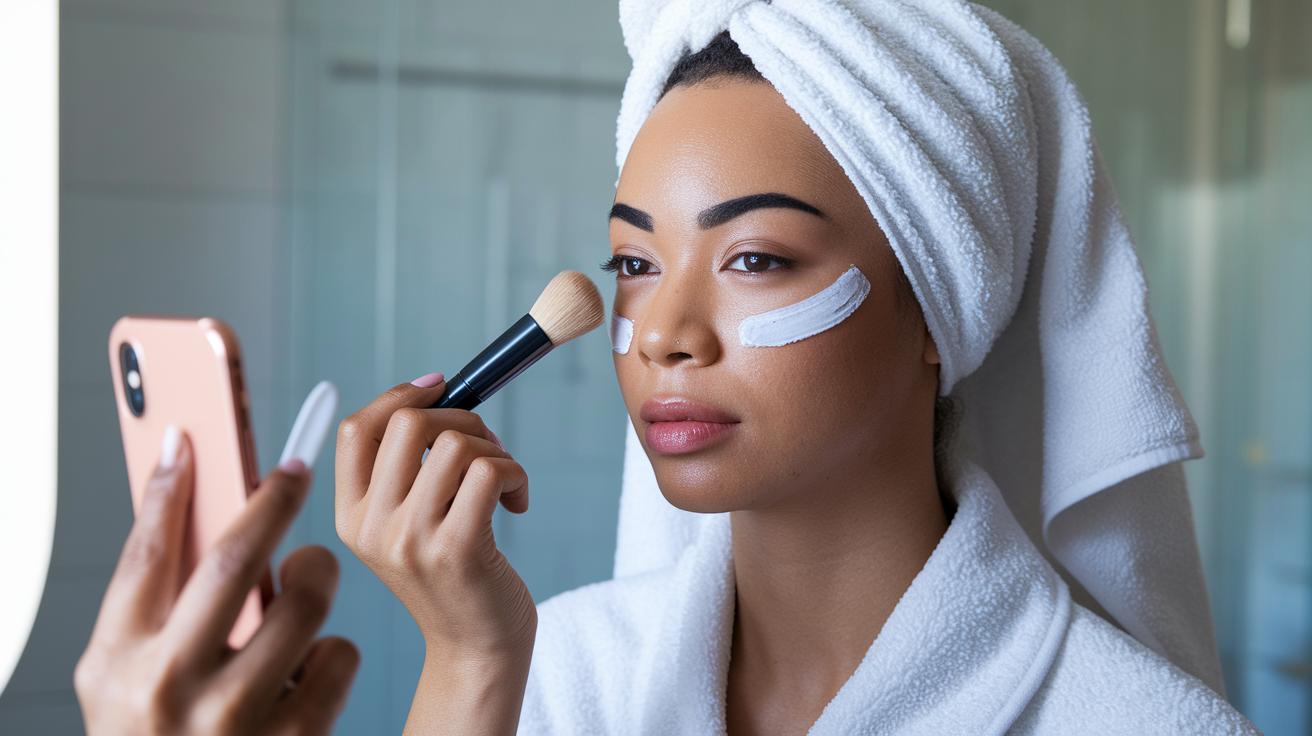
Finding the right makeup routine for combination skin can feel a bit like solving a puzzle, but it really comes down to treating each part of your face with care. If you’ve got an oily T-zone and drier cheeks, you’ll want to give each area exactly what it needs so your skin stays comfortable and naturally glowing.
One smart approach is to use different primers for different areas. For example, apply a mattifying primer on your T-zone to keep oil at bay and reduce shine. On your cheeks, opt for a hydrating primer that smooths and nourishes dry spots, making your foundation application even and gentle.
Here’s a quick guide to help you tailor your routine:
- Use a mattifying primer on the T-zone to control shine.
- Apply a hydrating primer on the cheeks to add moisture and smoothness.
- Choose a semi-matte or satin-finish foundation that evens out your skin tone without looking too heavy.
- Dust a light layer of translucent powder on oily areas, and build up coverage slowly in dry zones when needed.
This simple, thoughtful routine lets your natural beauty shine through while keeping each area of your face happy and balanced. Have you ever noticed how a little extra attention to different zones can make a big difference in how fresh and confident you feel all day? Enjoy experimenting with these steps, and you might just discover a routine that feels perfectly customized for you.
Lifestyle and Diet Tips to Support Combination Skin Health

Caring for your skin means more than just using the right creams. What you eat and how you handle stress can really change how your skin feels and looks. Making small shifts in your day, like staying well hydrated or managing stress, helps your skin balance its natural oil and moisture levels. Think of it as giving your skin a little nudge to keep up with its ever-changing needs.
Here are three easy tips to help keep your combination skin happy:
- Drink eight cups of water each day to stay well hydrated.
- Enjoy foods rich in omega-3s, like salmon and flaxseed, which can help control oil levels.
- Try simple stress-busting activities like mindful breathing or gentle exercise to keep your hormones in check.
By adding these habits to your routine, you're giving your skin the full support it needs, day after day, you'll notice a smoother, more even look.
Sun Protection and SPF Solutions for Combination Skin
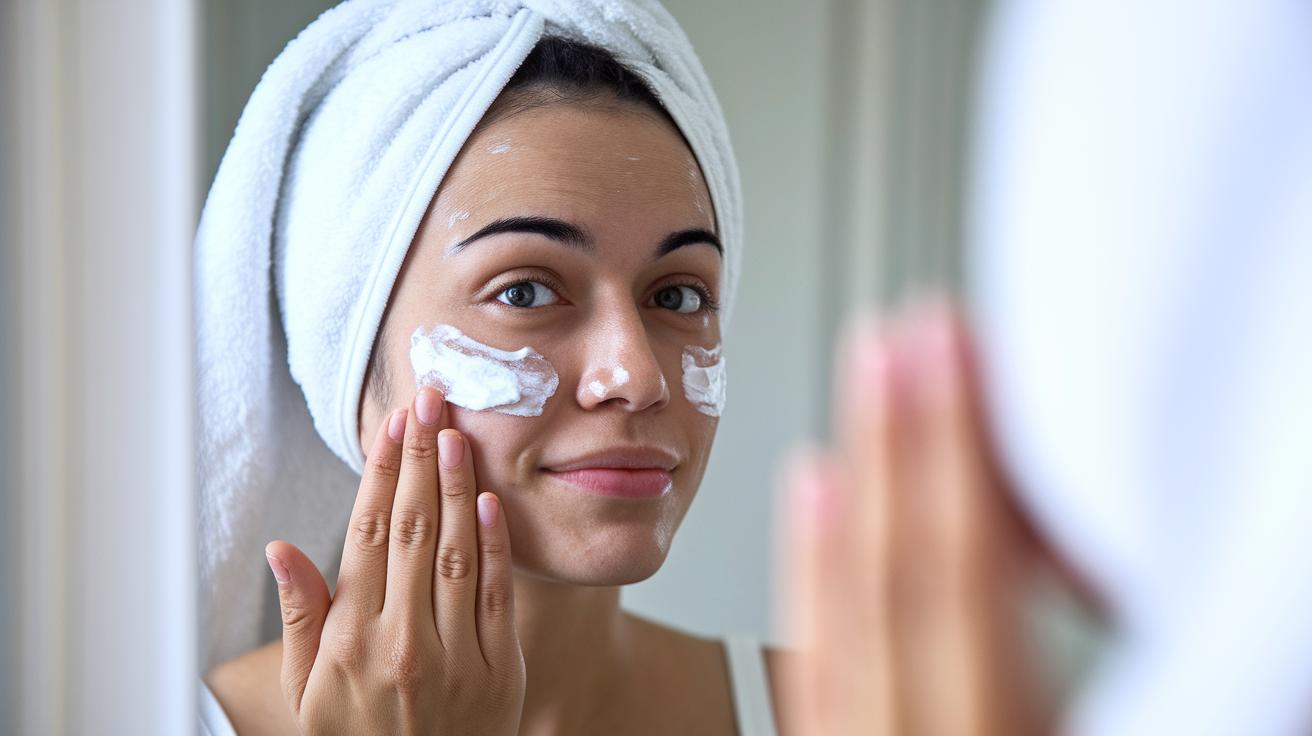
Every day, putting on sunscreen is a must for keeping combination skin safe from the sun. Your face has different needs, with some parts getting shiny and others feeling dry, so your routine should cover both. A broad-spectrum SPF30+ sunscreen acts like a trusty shield that protects every inch of your skin all day long.
Here are a few friendly tips to get the most out of your sunscreen:
- Use a matte-finish, oil-absorbing formula on the shiny areas to cut down on glare and extra oil.
- On dry patches, pick a hydrating mineral sunscreen (it moisturizes without clogging pores) for a gentle touch.
- Reapply every two hours if you're outdoors to keep up with your skin's changing needs.
Matching the right sunscreen to each part of your face helps keep everything balanced, oil control where you need it, and moisture where it matters. Using SPF every day not only keeps your natural glow safe but also minimizes the risk of sun damage on both oily and dry spots. This balanced approach ensures that shiny areas look fresh and matte, while drier patches stay comfortably hydrated. By weaving these small tips into your daily routine, you'll feel confident and well-cared for even when the sun is shining bright.
Final Words
In the action, we covered key points about combination skin, from its dual nature with oily T-zones and dry patches, to the causes tied to genetics, climate, and daily routines. We detailed simple, targeted care steps, practical makeup tips, and lifestyle suggestions that help balance your skin for a healthy, confident look. Remember, the right approach makes all the difference in your aesthetic transformation, leaving you prepared and positive for safe, informed decisions.
FAQ
What is combination skin?
The question “What is combination skin?” means a face that has both oily and dry patches. For example, the T-zone might be shiny while cheeks feel drier, reflecting uneven oil and moisture balance.
What does combination skin look like?
The question “What does combination skin look like?” indicates skin with an oily T-zone that can show slight shine or irritation, while other areas maintain a drier, less glowy appearance needing balanced care.
What type of skincare is best for combination skin, including products like face wash, moisturizer, serum, and sunscreen?
The question “What type of skincare is best for combination skin?” suggests using a gentle, pH-balanced cleanser, hydrating serums and moisturizers (lighter on oily zones, richer for dry areas), and broad-spectrum SPF to protect and balance all skin zones.
Which skin type is rarest?
The question “Which skin type is rarest?” sparks debate, but many experts say that truly normal skin—with neither noticeable oiliness nor dryness—is less common than combination, oily, or dry types.


