Ever wondered if a small change could lift your spirits? Breast cosmetic surgery gives you fresh ways to reshape, lift, or enhance your natural beauty. Some patients choose implants while others go with fat transfers, a procedure that uses your own body fat to restore volume. Imagine sliding into your favorite outfit and feeling confident and at ease. In this article, we take you through many treatment options and share how these procedures can create personalized, beautiful transformations.
Comprehensive Overview of Cosmetic Surgery for Breasts

Cosmetic breast surgery covers a range of treatments designed to lift, reshape, or enhance the size of your breasts. There are several options available, like using implants made of saline or medical-grade silicone, or even a fat transfer, where fat from another part of your body is gently added to your breasts.
Many patients opt for procedures such as breast augmentation to boost volume, a breast lift to raise and firm the tissue, or breast reduction to help ease discomfort from larger breasts. Some even choose a mix of treatments to adjust both shape and size for a more balanced look.
Board-certified surgeons offer one-on-one consultations at a trusted outpatient clinic that’s been accredited since 2000. In this warm and secure setting, you learn how a treatment plan tailored just for you can restore balance and boost your confidence. Remember, implants may need to be replaced every 10 to 15 years, so that’s an important point to consider when planning for lasting results.
Every procedure is planned with both your beauty goals and overall health in mind, ensuring you receive care that’s truly personal. Imagine hearing a story like, “Before my transformation, even choosing the right outfit felt challenging.” It shows how even a small change can greatly improve everyday life. This thoughtful approach in cosmetic breast surgery helps you achieve natural, refined enhancements that fit your unique vision.
Exploring Breast Augmentation and Implant Options in Cosmetic Surgery for Breasts

Implant augmentation gives you several ways to tailor your look to fit your body and personal style. You can choose saline implants, which are filled with a sterile saltwater solution, or silicone implants that many say feel a lot like natural breast tissue. Imagine the soft, gentle feel of a comforting hug, that’s similar to how silicone implants can feel.
Surgeons look at lots of factors when picking an implant, including shape, profile, and texture. Round implants create a fuller, bubblier look, while anatomical implants follow a natural curve. For example, one patient said, "I chose anatomical implants because they give a subtle, natural contour." You might also see options like high-profile implants, which offer more projection with less volume, compared to moderate ones. And when it comes to texture, smooth implants allow for a more natural movement, while textured ones might help lower the risk of some complications.
It’s important to know that implants usually need to be replaced every 10 to 15 years. This means planning ahead is key, and some patients even opt for removal later on to update their look.
There’s also a combined approach that adds a lift to the augmentation. This method boosts volume and improves shape at the same time. Whether you pick an implant-only procedure or go for a mix with fat grafting, each option is chosen after careful thought and tailoring to help you get the look you desire.
Mastopexy Techniques and Non-Invasive Lift Alternatives in Cosmetic Surgery for Breasts
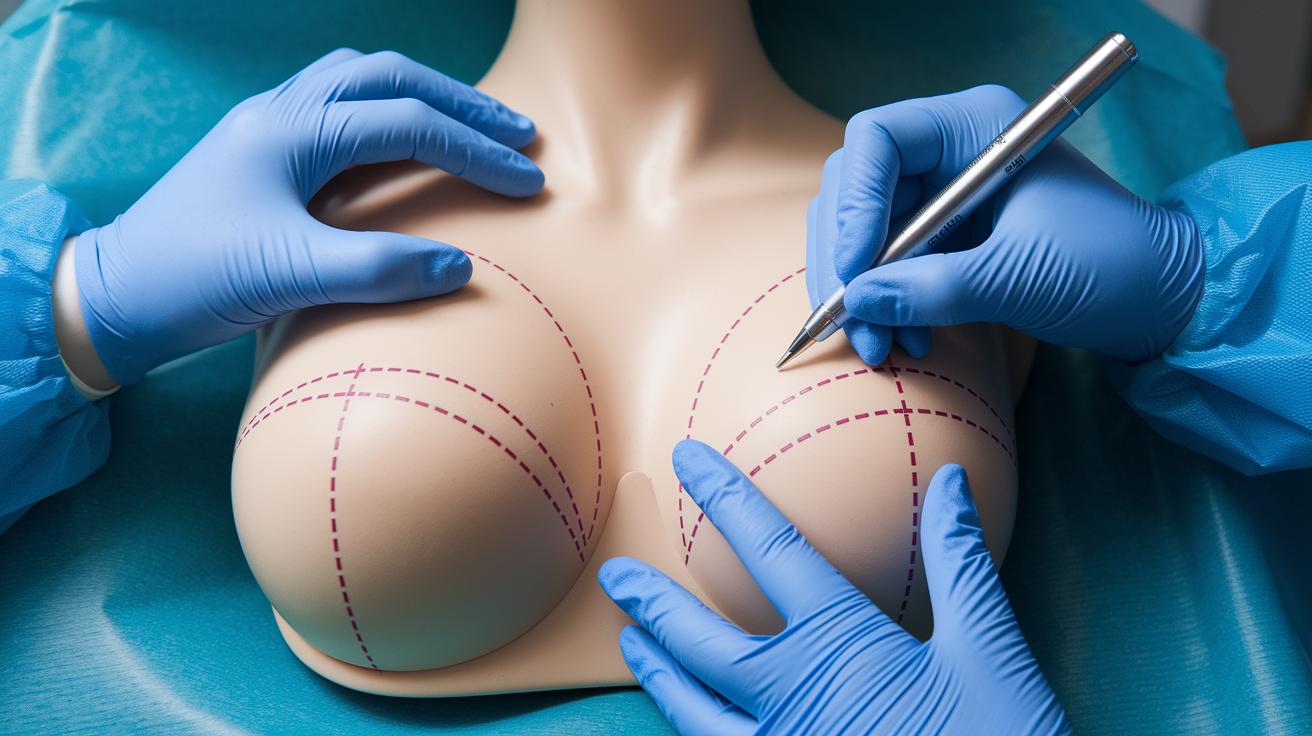
Mastopexy, or a breast lift as many call it, works by tightening and lifting the breast tissue without adding extra volume. Surgeons do this by using several types of incisions, like the anchor, lollipop, or periareolar, to free and move the sagging tissue. Picture it like adjusting a picture frame so the artwork looks its best. While this procedure offers results that last, it does mean a full recovery period and a scar that matches the chosen incision style.
If you’d rather avoid a long recovery, there are non-invasive lift alternatives available. These office-based methods, such as radiofrequency and laser-assisted skin tightening, are designed to boost collagen production and improve skin elasticity with a gentle touch. Many patients describe the laser treatment as a refreshing boost that warms and tightens the skin just enough to help it look more youthful. Another option, called hydrodissection, uses a fluid solution to gently separate tissue, helping to smooth and lift the area naturally.
Each method comes with its own benefits. Non-surgical options can be great if you want to keep downtime to a minimum. Meanwhile, mastopexy might be the best choice if you’re looking for a more dramatic change and are okay with a visible scar. In the end, your personal goals for recovery, how you feel about scarring, and how long you want your results to last will help you choose the best lift procedure for you.
Natural Enhancement: Fat Grafting for Volume in Cosmetic Surgery for Breasts

Fat grafting is a procedure where doctors use your own body fat to enhance the volume of your breasts. They gently harvest fat from areas like your abdomen or thighs using liposuction, process it carefully, and then inject it into your breasts. It gives a naturally soft and refined look, almost like adding a subtle touch of artistry to your figure.
The process starts by removing fat from a donor site, then cleaning it to remove any impurities. Next, the purified fat is slowly injected into the breast tissue. This method is popular because it boosts volume without introducing foreign materials. Typically, about 60–70% of the grafted fat holds its place, meaning you might need a few touch-up sessions to reach the desired result.
Some surgeons even combine fat grafting with implants. This offers both the extra support of an implant and the natural feel of your own tissue. Think of it as gradually building a perfect canvas, one gentle touch at a time, to create enhancements that feel truly you.
Cost Analysis and Financing Options for Cosmetic Surgery for Breasts

When it comes to the cost of cosmetic breast surgery, prices really depend on the type of procedure and where you have it done. For example, if you choose breast augmentation, you can expect to pay between $6,000 and $10,000. A breast lift (mastopexy) usually comes in around $7,000 to $12,000. For those considering breast reduction, the price can range from $8,000 to $15,000, and fat grafting is generally priced between $8,000 and $12,000. Remember, these estimates don’t include facility or anesthesia fees, which can vary a lot by region.
Looking closer at the costs, several factors make a difference. It’s all about the surgeon’s fee, the type of anesthesia used, and of course where you live. Fun fact: in some areas, a slight bump in facility fees can mean an extra $1,000 on your final bill. Interesting, right?
Patients often have flexible options, too. Many cosmetic surgery offices offer in-house financing plans designed specifically for enhancements. And if you’re considering a reduction or reconstruction, some insurance providers might help cover the costs. If you’re curious about more detailed pricing and what influences these figures, you might want to explore additional insights on Cosmetic Surgery Insider.
| Price Breakdown Considerations | Financing Options |
|---|---|
|
• Facility and anesthesia fees • Surgeon’s experience • Regional cost differences |
• In-office payment plans • Insurance coverage for certain procedures |
This straightforward breakdown can help you plan and budget for your transformation with confidence.
Selecting the Right Surgeon and Ensuring Safety in Cosmetic Surgery for Breasts
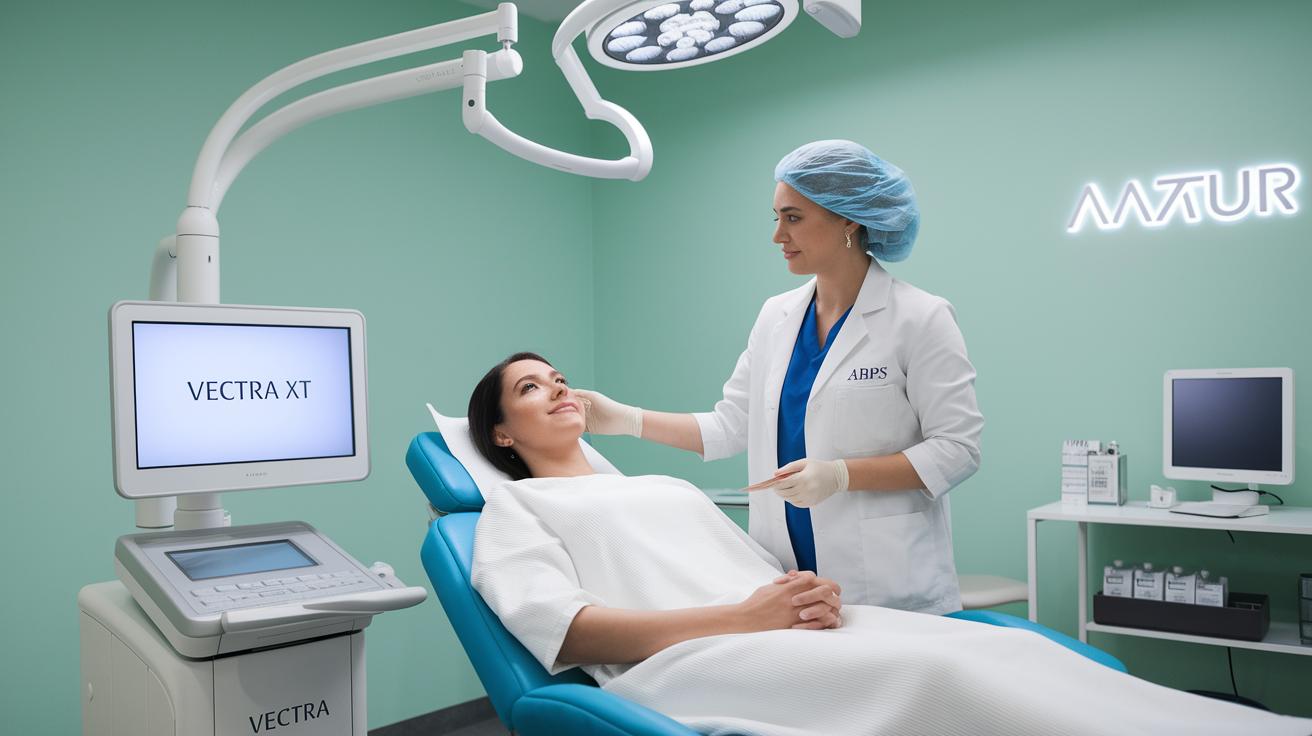
Start by finding an ABPS-certified plastic surgeon at a JCAHO-accredited facility. This choice gives you peace of mind and shows that your procedure will be done in a safe, modern setting. Take a moment to check their credentials, look at their before-and-after photos, and read patient stories. You might even ask, "How many times have you done a procedure like mine?" so you know they have plenty of hands-on experience.
Top surgeons often use smart tools to plan your procedure. For instance, many use Vectra XT 3D imaging, which helps you see a preview of your results. In the operating room, advanced systems like the Wells Johnson HVP work to keep everything precise and lower the chance of any issues. Chat with your surgeon about these tools to see how committed they are to keeping you safe.
It also helps to research and compare cosmetic surgeons with plastic surgeons on reputable websites. Consider these key points:
- Board-certified specialists with a solid safety record.
- Facilities that are accredited by respected organizations.
- In-depth consultation sessions that cover how they handle risks and set expectations for any needed adjustments.
Choosing the right professional means you feel secure about your decision, knowing that every safety step is in place to help you achieve natural-looking and confident results.
Preoperative Planning and Postoperative Recovery Guidelines for Cosmetic Surgery for Breasts

Getting ready for your cosmetic breast surgery is simpler than you might think. Your surgeon will first review your overall health to tailor the procedure just for you. They might ask you to adjust or pause certain medications a few days before the surgery. And to help ease any nerves, many clinics offer a quick tour of the facility so you know exactly where everything happens. Even fine-tuning your nutrition beforehand can boost your healing process. One patient said, "I felt more confident knowing exactly what to expect before my surgery."
Before the procedure, keep these tips in mind:
- A detailed review of your health history.
- Adjustments to your regular medication routine.
- A friendly guided tour of the facility.
- Nutritional advice to help with healing.
After your surgery, the focus shifts to recovery. You’ll get clear instructions on caring for your incisions and any drains that help remove extra fluids. Your doctor might recommend a compression bra to support the healing tissues, and you’ll be encouraged to ease back into light activities.
Here’s what a typical recovery timeline might look like:
- Returning to desk work in about 1 to 2 weeks.
- Gradually resuming exercise, usually within 4 to 6 weeks after surgery.
Pain management is handled with simple, clear guidelines on using pain medications effectively. Follow-up appointments let your surgical team check on your progress and address any concerns right away. As one patient shared, "The follow-up visits made me feel supported every step of the way." This caring, step-by-step approach helps ensure you enjoy your new look with confidence and peace of mind.
Visual Results and Patient Testimonials in Cosmetic Surgery for Breasts

Looking at real transformations can boost your confidence and help set clear expectations. Before-and-after photo galleries let you imagine your own changes. Picture scrolling through a surgeon’s album and reading, "After my procedure, I finally had a balanced silhouette." These photos show natural-looking results, whether you’re interested in an enhancement, a lift, or a reduction.
Digital Vectra 3D imaging is a key tool in planning and previewing your outcome. It’s like getting a digital makeover that shows a simulated version of your new look. One patient described it as a peek into her future self, with every detail carefully planned by her surgeon. This approach ensures not only precise planning but also gives you an honest look at what to expect.
Patient testimonials also highlight the personalized care at the clinic. Many reviews mention:
- Friendly, experienced staff who create a comfortable atmosphere
- A natural appearance that boosts overall self-confidence
- Regular follow-ups to support long-term success
Some patients even choose minor revisions to perfect their look. One shared, "I had a minor revision to perfect my look, and the result exceeded my hopes." These heartfelt stories and clear visuals can help you see your own transformation, thanks to expert techniques and thoughtful planning.
Final Words
In the action, we reviewed everything from augmentation and implant choices to mastopexy and fat grafting options. We also broke down cost factors, surgeon selection, and recovery steps so you can easily grasp each part of the process.
This conversation highlighted real patient experiences and safety steps to help guide your strategy. Every piece of information is designed to boost your confidence in cosmetic surgery for breasts and inspire a positive outlook on your next steps.
FAQ
What is the cost of cosmetic breast surgery, including lifts and implants?
The cost of cosmetic breast surgery, including lifts and implants, depends on procedures and location. On average, prices range from $6,000 to $15,000, covering surgeon fees and facility charges.
What are the types of cosmetic breast surgeries, including options for cancer-related procedures?
The types of cosmetic breast surgeries include augmentation, lift, reduction, and fat grafting. Reconstruction for cancer may also be offered, using implants or tissue, to restore shape after treatment.
How does breast augmentation change appearance from before to after surgery?
Breast augmentation improves fullness and contour. Patients often see a balanced, enhanced silhouette, with before-and-after comparisons showing a boost in proportion and self-confidence.
What type of boob job looks most natural?
A natural-looking boob job can involve using moderate-size, anatomically shaped implants or fat grafting. This approach creates soft, realistic results that blend smoothly with the patient’s body shape.
What does breast lift surgery involve and how does it improve breast appearance?
Breast lift surgery tightens and elevates sagging tissue through precise incisions. By reshaping the breast, it offers a firmer, more youthful appearance without significantly changing volume.
What key considerations should be kept in mind regarding breast implants in cosmetic surgery?
Breast implants are selected based on type, shape, and material, like saline or silicone. They often require replacement after 10–15 years, so thorough consultation and long-term planning are important.


