Ever wonder how cosmetic surgery went from simple wound repairs to the advanced procedures we see today? Long ago, ancient Egyptians used basic methods that set the stage for future innovations. Over time, people began exploring ways to reshape the body, and these ideas sparked breakthroughs that changed lives. Today, cosmetic surgery mixes art with science, helping to boost confidence and transform lives. In this article, we look at the key moments that show how we moved from early repairs to modern techniques.
Chronological Guide to Cosmetic Surgery History
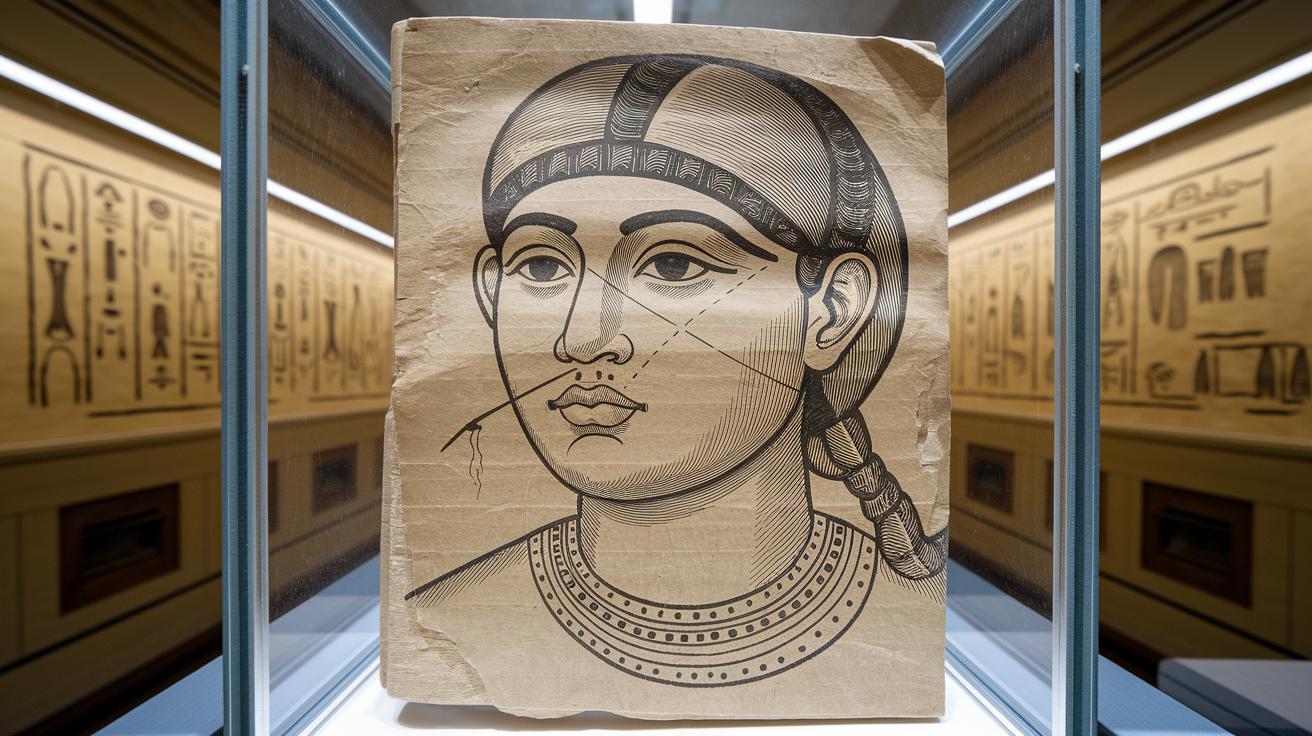
Cosmetic surgery has a long and fascinating history that spans thousands of years. What started as simple repairs on wounds has blossomed into the advanced techniques we see today. Back around 2000 B.C., ancient Egyptians even recorded basic nose repairs on papyrus. This early work set the stage for everything that followed.
As time went on, the idea of reshaping the body gained ground. In the early 1800s, Greek scholars introduced the word "plastikos" to describe the process of molding tissues, hinting at a deeper understanding of form. In the 15th century, Antonio Branca in Italy pioneered cheek-flap nose reconstructions. This marked one of the earliest moves toward creating beauty through surgery in Europe.
Then came the times of global conflict, which surprisingly fast-tracked progress. In 1917, Major Harold Gillies established the very first facial repair center. His work laid a strong foundation for reconstructive methods that continue to evolve today. By 1962, the introduction of silicone breast implants brought a new chapter, and in 2002, FDA approval of Botox for cosmetic use opened the door to modern, elective treatments.
| Era | Key Developments | Notable Figures |
|---|---|---|
| 2000 B.C. | Primitive nasal repairs recorded on papyrus | Ancient Egyptian Physicians |
| Early 1800s | Coining of “plastikos” to mean shaping or molding tissues | Greek Scholars |
| 15th Century | Introduction of cheek-flap nose reconstructions | Antonio Branca |
| 1917 | Establishment of the first facial repair centre | Major Harold Gillies |
| 1962 | Introduction of silicone breast implants | Pioneering Surgeons |
| 2002 | FDA approval of Botox for elective cosmetic use | Cosmetic Specialists |
This timeline shows us that each breakthrough built on the last, a continuous journey of innovation. From ancient papyrus to modern techniques, every milestone has helped restore form and boost confidence. It’s a field that never stands still, always adapting to new technology while putting patient care first.
Ancient Cosmetic Surgery Practices
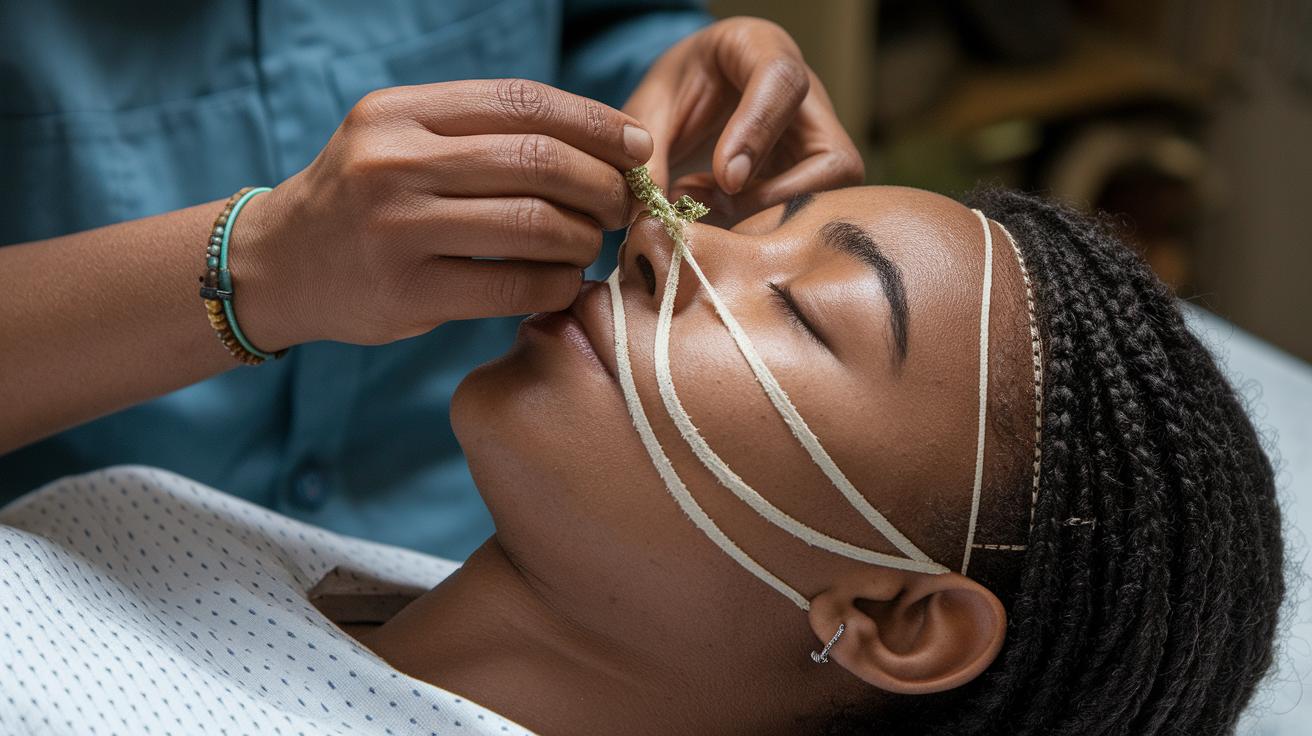
Ancient civilizations didn’t just fix what was broken; they refined how the body worked and looked. In Egypt, healing wasn’t only about physical repair, it also embraced ideas of balance, care, and inner well-being.
Egyptian healers skillfully managed skin flaps and used simple natural materials like linen threads and herbal antiseptics. Imagine a practitioner carefully aligning a skin flap with soft strips of linen and soothing herbal infusions to reconstruct a damaged nose. Their every move was guided by a deep understanding of both nature’s resources and the human form.
Even with limited tools and knowledge, these early techniques laid the groundwork for today’s reconstructive methods. They taught us that through trial, tradition, and a little bit of creativity, we can continuously improve how we handle and nurture our bodies.
Renaissance Cosmetic Surgery Milestones

Back in the 1400s, Antonio Branca achieved something amazing. He introduced a new way to repair noses using a cheek-flap technique. This method was the very first time someone in Europe fixed a nose with an eye for beauty. You might find it fascinating that before anyone else knew about his work, Branca quietly honed his tricks in secret workshops, sparking a little revolution in facial repair.
Soon enough, his clever technique traveled quickly through Italian guilds. French and English surgeons picked up on it and began to use and adapt the method in their own practices. This early sharing of knowledge paved the way for many aesthetic improvements across Europe.
During that time, people also grew more curious about how the human body worked. Medical manuscripts started to include detailed records of these techniques, mixing careful observations with practical surgical steps. Surgeons and researchers were captivated by studying the human form, which led to more refined procedures that balanced how a person looks with how they function. Detailed drawings and written notes from those days became the building blocks for what we now call modern cosmetic surgery.
Cosmetic Surgery History: Celebrating Timeless Milestones
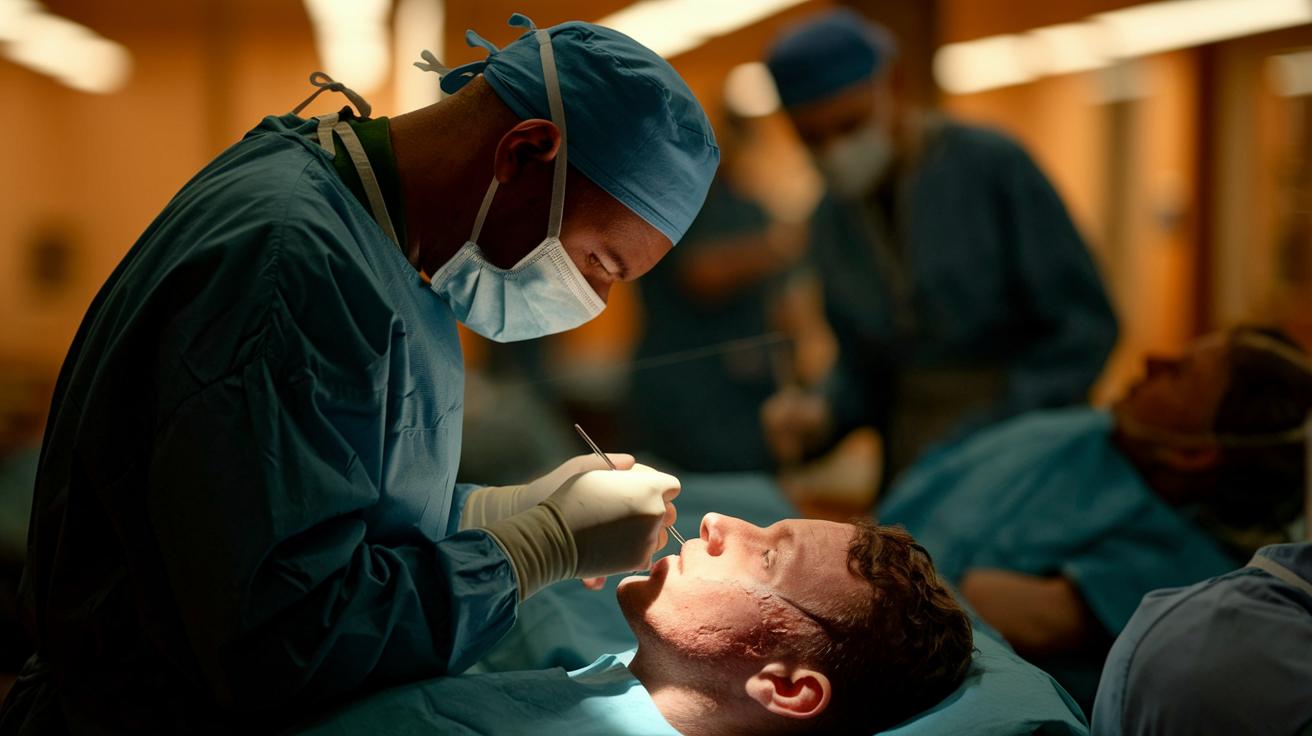
Back in World War I, soldiers often suffered severe facial injuries that demanded a new way of thinking about repairs. In 1917, Major Harold Gillies pioneered a method called pedicle-flap reconstruction at Queen Mary’s Hospital. This technique used a connected piece of tissue to rebuild both the function and appearance of damaged faces. It was the first time that these tough injuries were treated in a whole new, caring way, laying the foundation for modern plastic surgery.
Soon after, surgeons took Gillies’ ideas and made them even better. They refined the art of moving tissue around, always ensuring that good blood flow was maintained during the procedure so that healing could happen naturally. By learning how to shape and reposition tissues with care, these experts turned necessary repairs into lifelike restorations. Their work not only helped rebuild appearances but also boosted the confidence and quality of life of many injured patients.
Then came World War II, a time when even more breakthroughs in reconstructive surgery emerged. Surgeons began using microsurgical grafting, a precise approach that allowed them to transfer even the tiniest bits of tissue successfully. At the same time, they brought together experts from different fields to craft rehabilitation plans that made recovery smoother and results more pleasing. These challenges and innovations paved the way for the advanced cosmetic procedures we rely on today.
Contemporary Cosmetic Surgery Breakthroughs
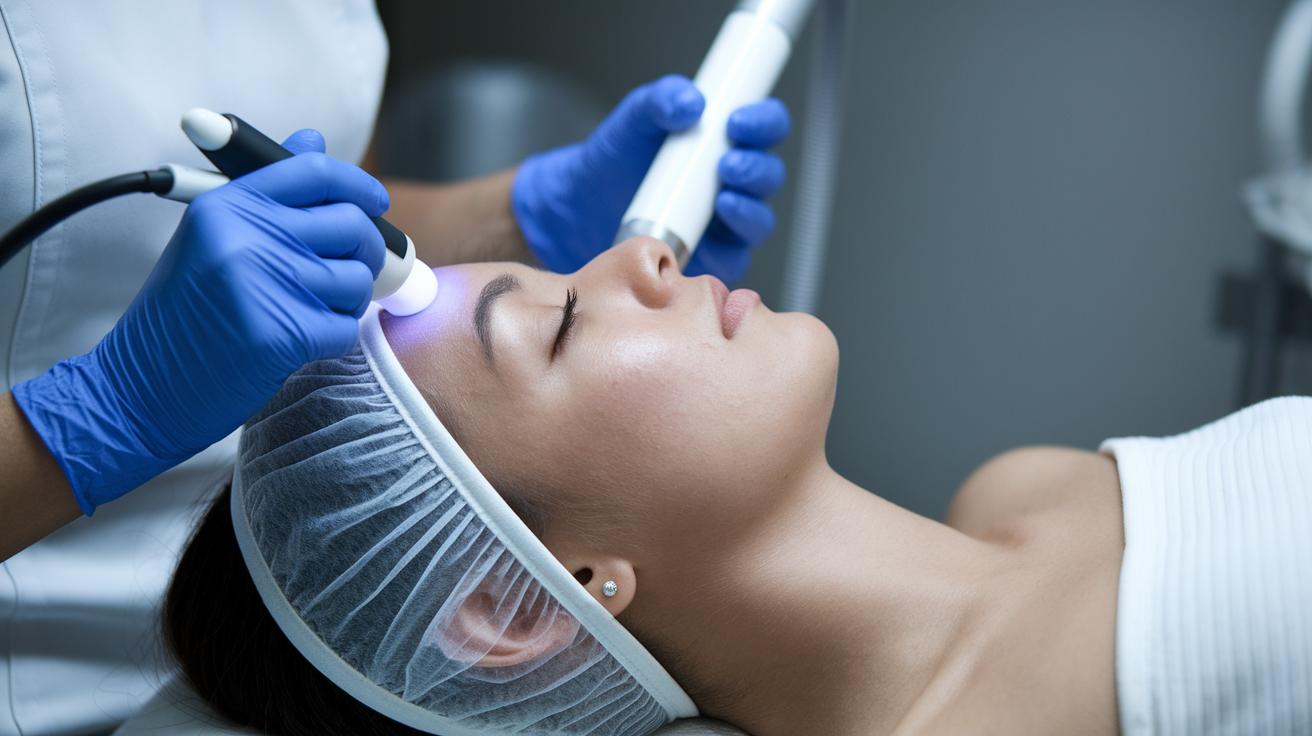
Cosmetic surgery has come a long way from the old days of invasive operations. Today, treatments focus on gentle, minimally invasive methods that work to enhance natural beauty. Since the 1960s, surgeons have embraced new techniques that offer subtle improvements with quicker recovery times and lower risks. They now use precise methods that not only boost your looks but also care for your overall well-being. Each new procedure builds on years of careful research and hands-on experience, reshaping how cosmetic care is delivered.
Consider some major milestones in this evolution:
- 1962: Silicone breast implants made their debut, changing the way breast augmentation was done and setting the stage for future innovations.
- 1970s: Liposuction emerged as a way to contour the body with less invasive procedures, helping patients refine their silhouette.
- 1990s: Laser skin resurfacing became well-known for smoothing out wrinkles and blemishes, thanks to small, targeted energy bursts.
- 2002: Botox received FDA approval for facial rejuvenation. This quick, minimally invasive treatment offered a simple solution for softening fine lines.
- Early 2000s: New options like dermal fillers, fat transfers, and endoscopic techniques broadened the range of treatments available. These methods focus on restoring volume and contour with natural-looking results and shorter recovery times.
Today’s patients want treatments that deliver real, noticeable results without disrupting their busy lives. Medical professionals have taken note by adopting techniques that are safe, predictable, and quick to perform. Each advancement not only expands the choices available but also focuses on providing personalized care that puts patient satisfaction first. As cosmetic surgery continues to evolve, the goal remains clear: to help you feel confident and cared for every step of the way.
Cultural Shifts in Cosmetic Surgery History
After World War II, many people began to see cosmetic surgery in a new light. In the 1950s, these procedures started to lose their old stigma and became symbols of prosperity and personal rebirth. Patients began to view them not just as fixes but as ways to feel more confident after hard times.
In the 1960s and 1970s, Hollywood played a big role in this change. Celebrities like Marilyn Monroe openly chose elective procedures that enhanced their looks. This made cosmetic surgery feel more relatable, inviting everyday people to see it as a path to self-improvement.
Over the years, beauty ideals from around the globe mixed together. By the late 20th century, different cultural influences reshaped what we considered beautiful. This melting pot of traditions and ideas led to a wider range of approaches for enhancing appearance.
In the 21st century, social media has helped to further normalize cosmetic procedures. Platforms showcase a wide variety of treatments, breaking down old barriers and encouraging a more diverse view of beauty. This ongoing cultural shift continues to expand what is seen as acceptable in personal aesthetics.
Final Words
In the action, we explored a broad timeline from ancient nasal repairs to cutting-edge facial rejuvenation. The timeline takes us from simple papyrus records to the introduction of Botox and modern non-invasive techniques.
This brief review of cosmetic surgery history reminds us that each era contributed to the safe and advanced procedures we see today. The steady flow of innovation creates endless opportunities for informed aesthetic transformation and growing patient confidence. The future of cosmetic surgery is looking bright.
FAQ
When did plastic surgery become popular, and what is its historical timeline?
The historical timeline of plastic surgery starts in ancient Egypt with simple repairs, progresses through the 1800s in America, and shows clear innovation during the 1960s, marking its steady evolution.
Does plastic surgery use plastic?
The term “plastic” in plastic surgery comes from a Greek word meaning to mold or shape. This field doesn’t rely on actual plastic but uses human tissues, implants, and advanced techniques for reshaping.
Why is it called plastic surgery?
It’s called plastic surgery because “plastic” originates from a Greek word that means to mold. This reflects the procedure’s focus on reshaping or reconstructing parts of the body for improved aesthetics and function.
What types of plastic surgery are available?
The types of plastic surgery include both reconstructive procedures to repair defects and restore function and cosmetic procedures designed to enhance appearance, addressing areas from the face to the body.
How is plastic surgery performed?
Plastic surgery is performed by making precise incisions, repositioning or removing tissue, and sometimes inserting implants, all done in a sterile setting with careful planning to achieve safe, effective results.


