Have you ever wondered whether your search for a new look is about boosting your natural beauty or about repairing what life has worn down? Cosmetic surgery works to trim and lift features, helping you feel more confident about your appearance. Plastic surgery, on the other hand, focuses on fixing damage from injuries or illness, rebuilding areas that need extra care. Both approaches have their benefits, and knowing the difference can help you decide which option feels right for you. Keep reading to clear up any confusion and choose with assurance based on your unique needs.
Cosmetic Surgery vs Plastic Surgery: Choose with Confidence
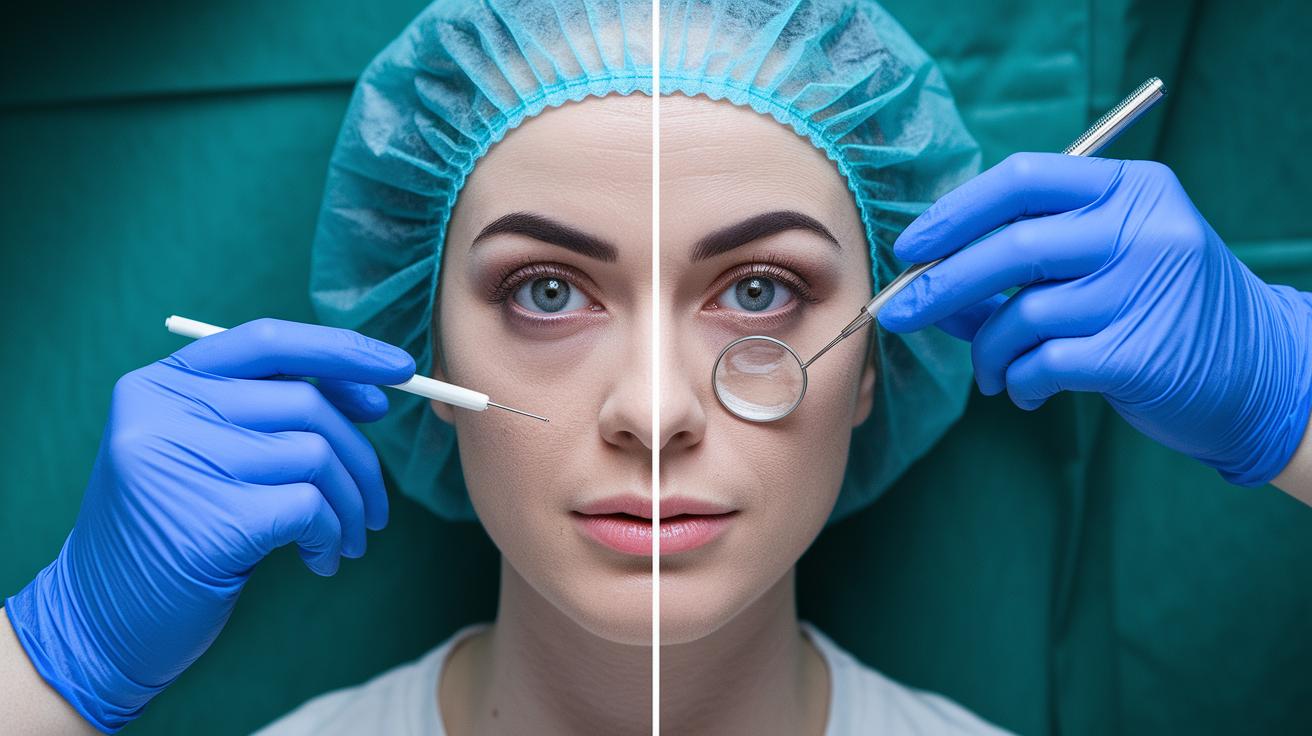
Cosmetic surgery is a choice meant to boost your appearance. It involves procedures that trim, reshape, or enhance the features you want to improve. Think of a facelift that smooths out wrinkles for a fresher, more youthful look. In short, cosmetic surgery is all about enhancing your beauty and confidence on your own terms, without a medical necessity.
Plastic surgery works a bit differently. It focuses on reconstruction, repairing damage from injuries, illnesses, or conditions you were born with. Whether it’s restoring function after an injury or rebuilding appearance post-mastectomy, plastic surgery is here to help. In fact, many plastic surgeons are skilled in both cosmetic and reconstructive procedures, offering a wide range of services tailored to your unique situation.
- Cosmetic surgery is a choice focused solely on aesthetics.
- Plastic surgery is often medically essential and centers on reconstruction.
- Cosmetic surgeons typically hold certification from the American Board of Cosmetic Surgery.
- Plastic surgeons complete extra residency training and are certified by the American Board of Plastic Surgery.
- Many techniques overlap in both fields, so you might find surgeons who can perform procedures in either category.
It’s easy to mix up cosmetic and plastic surgery because treatments like facelifts or breast lifts can seem very similar at first glance. However, while cosmetic surgery is chosen to enhance your appearance, plastic surgery can be required to correct or rebuild after a medical issue. Understanding these differences can help you choose the right expert who blends creative care with solid medical training.
Procedures Compared: Cosmetic vs Plastic Surgery

This section lays out different procedures so you can see how cosmetic and plastic surgeons focus on different goals. Some treatments are designed simply to boost your appearance, while others are aimed at restoring lost form due to medical conditions or injuries. Knowing these differences can help you feel more confident when you discuss your treatment options with your surgeon.
For instance, surgeries like blepharoplasty and breast augmentation are often chosen to enhance beauty. On the other hand, procedures like post-mastectomy breast reconstruction focus mainly on bringing back shape and function. By comparing these treatments side-by-side, you can better understand what to expect during your consultation.
| Procedure | Cosmetic Surgeon | Plastic Surgeon |
|---|---|---|
| Blepharoplasty | Performed only to boost the look of your eyes. | Often used to improve appearance and may include some reconstructive touches. |
| Breast Augmentation | Used to enhance volume and shape mainly for aesthetic reasons. | Sometimes combined with reconstruction if additional corrections are needed. |
| Mommy Makeover | Focuses on reshaping your body and refreshing your look. | Offers a full range of aesthetic improvements alongside reconstructive techniques. |
| Rhinoplasty | Usually chosen to refine the appearance of the nose. | Mixes cosmetic reshaping with functional corrections when needed. |
| Post-mastectomy Breast Reconstruction | Less common because cosmetic surgeons mainly deal with beauty enhancements. | Specialized in rebuilding breast shape and balance after mastectomy. |
When planning your procedure, it helps to know that cosmetic surgeons typically work to refine and beautify, while plastic surgeons are trained both to enhance looks and to rebuild form after injuries or medical treatments. By being clear about your goals during your consultation, you can ensure you team up with the right professional, making your treatment experience smoother and more effective.
Training and Certification in Cosmetic vs Plastic Surgery

Cosmetic surgeons get special training to help people look their best through elective procedures. They go through tough residency programs and pass board exams from the American Board of Cosmetic Surgery. This training teaches them how to improve facial features, adjust body contours, and balance overall appearance. One surgeon once said, "I learned how to effectively enhance natural beauty during my hands-on training," showing how both technical skill and artistic judgment come together in cosmetic work.
Plastic surgeons take a longer path that involves at least six years of residency, with about half of that time spent on reconstructive work. They also complete a year of fellowship training in cosmetic surgery and earn certification from the American Board of Plastic Surgery, which is recognized by the American Board of Medical Specialists. This careful process prepares them to handle both tricky reconstructions and beauty enhancements, merging skills that restore function with those that boost appearance.
Board certification is key for keeping patients safe and ensuring good results. It shows that a surgeon has met high standards and is dedicated to providing quality care in both cosmetic and reconstructive treatments. When you see that certification, you can be confident that your surgeon has the right training and stays current on the latest practices, putting your safety and beauty first.
Benefits, Risks, and Recovery in Cosmetic vs Plastic Surgery

Safety is the key to any cosmetic or reconstructive procedure. Surgeons take great care through every step, making sure you’re safe and comfortable. One patient shared, "It felt like each step was carefully measured so I was safe and comfortable," which shows the deep commitment to quality care.
Whether you’re looking to enhance your appearance or regain lost function, these procedures can really boost your confidence. Cosmetic treatments help refine your features, while reconstructive surgeries work hard to restore function after an injury or illness. One patient said, "I wasn’t just treated, I was given a new lease on life," capturing the life-changing impact these treatments can have.
- Infection that may occur if sterile rules aren’t followed.
- Noticeable scarring that might affect how things look.
- Complications related to anesthesia during the surgery.
- The possibility of needing revision surgery to correct or refine the results.
- Bleeding issues that can slow down the healing process.
Recovery times can differ based on your treatment and how your body heals. For a facelift, you might need about 2–3 weeks for initial recovery, with swelling and minor discomfort gradually easing away. With breast augmentation, many patients find that a 1–2 week recovery lets them return to light activities, though getting back to a full routine takes a bit longer. Procedures like tummy tucks usually take around 2–4 weeks for proper healing of deeper tissues. Many patients even remark, "I was surprised at how soon I could get back to my daily tasks," offering a real glimpse into life after surgery.
Cost Comparison: Cosmetic Surgery vs Plastic Surgery

Cosmetic procedures are chosen by patients and paid for out of pocket. That means you cover the full cost of any enhancements you decide to get. For example, breast augmentation usually costs between $3,500 and $5,000, while a facelift might run you from $7,000 to $10,000. These treatments aren’t covered by insurance, so you’re responsible for all the expenses, which can change a lot from one provider to another.
Reconstructive plastic surgeries are a different story. When these procedures are done to fix a problem after an injury or illness, many insurance plans will help with the cost. This coverage really helps ease the financial load for those who need reconstructive work as part of their medical care.
When planning for any of these treatments, it’s important to consider several key expenses. Things like the surgeon’s fees, charges at the facility, and even the location can affect the overall cost. Comparing estimates and discussing every expense with your provider can help you make the best decision for both your looks and your budget.
Before and After Outcomes in Cosmetic vs Plastic Surgery

Cosmetic enhancements are a real game-changer. They not only add a splash of beauty but also boost your confidence in a very noticeable way. In our Before & After Gallery, you can see real examples like facelifts that smooth out wrinkles for a fresher look, or breast augmentations that help balance your silhouette. One patient once said it felt like watching art transform her reflection, and that really captures the natural yet dramatic results these treatments can deliver.
Reconstructive surgeries, such as post-mastectomy breast reconstruction, go far beyond just improving appearance. These procedures help restore both form and function, giving patients more than just a new look, they give back hope and energy for life. As one patient put it, "I regained more than my shape; I regained my confidence." This shows how transformative these surgeries can be, touching both physical appearance and emotional well-being.
Cosmetic Surgery vs Plastic Surgery: Choose with Confidence

When you're picking a surgeon, it's important to check their board certification and focus area. Look for surgeons whose credentials come from respected boards. Cosmetic surgeons are certified by boards that specialize only in aesthetics, while plastic surgeons earn their certification through organizations recognized by the American Board of Medical Specialists. For instance, Dr. Dan H. Shell has over 20 years of experience in both cosmetic and reconstructive procedures, proving that dedicated training really does make a difference. Have you ever noticed how many top experts spend years perfecting their craft before entering the field?
Taking a close look at case portfolios, before-and-after galleries, and patient reviews is a smart move. These visual results and firsthand accounts show not only the surgeon's technical skill but also the full patient experience from start to finish. Think of it like putting together a puzzle, every piece, from the initial consultation to the final result, helps you see the complete picture of what to expect.
During your consultation, don't be shy about asking detailed questions about the surgeon's experience with your specific procedure. Ask to see extra case studies and inquire about any potential concerns, like inconsistent outcomes or unclear pricing. These questions help you feel confident and sure about your choice.
Final Words
In the action of breaking down the differences between elective cosmetic treatments and procedures that restore function, this piece clarified important definitions and shared helpful comparisons. It took you step-by-step through procedure types, training, recovery timelines, costs, and before-and-after results. Our insights on cosmetic surgery vs plastic surgery aim to equip you with the confidence needed to choose a procedure that fits your life. Stay curious and optimistic about achieving the look and well-being you deserve.
FAQ
How does cosmetic surgery differ from plastic surgery according to discussions on Reddit?
Cosmetic surgery differs from plastic surgery as discussed on Reddit by focusing on elective enhancements, while plastic surgery often involves medically needed reconstructive procedures.
How do cosmetic surgeon and plastic surgeon salaries compare?
Cosmetic surgeon versus plastic surgeon salary comparisons highlight that both earn well, though plastic surgeons may earn more due to extensive residency training and a broader scope that includes reconstructive work.
What are examples of cosmetic surgery procedures?
Cosmetic surgery examples include facelifts, breast augmentations, tummy tucks, blepharoplasty, and rhinoplasty. These procedures aim to enhance appearance and improve self-image without addressing medical issues.
What factors affect the cost of cosmetic surgery?
Cosmetic surgery cost is influenced by surgeon fees, facility expenses, and geographic location. Procedures like breast augmentation and facelifts have typical price ranges that reflect these factors.
How does cosmetic surgery compare to reconstructive surgery?
Cosmetic surgery versus reconstructive surgery comparisons show that cosmetic surgery is elective and appearance-focused, while reconstructive surgery repairs abnormalities or damage arising from injury or illness.
Why is the term “plastic surgery” used?
The term “plastic surgery” comes from the Greek word for molding, referring to the reshaping of tissues, rather than indicating the use of synthetic materials in the procedure.
How can I find cosmetic surgery near me?
Cosmetic surgery near me queries help locate local surgeons who perform elective aesthetic procedures. It’s wise to check board certifications and patient reviews to make a safe choice.
What distinguishes plastic surgery from normal surgery?
The difference between plastic surgery and normal surgery is that plastic surgery focuses on restoring or modifying appearance through reconstruction, while normal surgery typically addresses disease treatment and injury repair.
Are plastic surgery and cosmetic surgery the same thing?
Plastic surgery and cosmetic surgery are not the same. Plastic surgery includes both reconstructive and cosmetic procedures, while cosmetic surgery specifically focuses on elective enhancements for appearance.
Is it possible to be a plastic surgeon without performing cosmetic procedures?
Yes, plastic surgeons can focus solely on reconstructive procedures for medical conditions, choosing not to perform elective cosmetic surgeries based on their training and career focus.
Is a tummy tuck considered cosmetic or plastic surgery?
A tummy tuck is usually seen as a cosmetic procedure aimed at improving body contours, unless it also addresses medical issues like skin excess or hernias following significant weight loss.


