Have you ever caught a glimpse of unexpected dark patches on your skin in the mirror? It can feel a bit unsettling, especially when you’re not sure why they’re there. Sometimes, too much sun, changes in hormones, or just getting older can lead to these marks.
They might seem a bit mysterious, as if your skin is trying to tell you something. Today, we’re diving into the reasons behind these spots and the treatments that can help fade them. Knowing what sets them off is the first step toward treating your skin kindly and effectively.
Understanding Dark Spots on Skin
Have you ever noticed little dark patches on your skin? These spots, known as hyperpigmentation, happen when your skin makes too much melanin, the pigment that gives your skin its color. It all starts when melanocytes, the cells that produce melanin, become more active and even larger, especially in those with darker skin tones.
Age spots usually show up as small, flat, darker areas where your skin meets the sun, like on your face, hands, and shoulders. They slowly appear over time. Then there’s melasma, a condition that leads to larger, patchy discolorations ranging from brown to tan or even blue-gray. Imagine spotting uneven patches on your face or neck after many sunny days.
Melasma is very common in women, especially during periods of hormonal change, like pregnancy. Our skin reacts to both the sun and internal shifts, making these spots a natural, albeit sometimes frustrating, response. Once you understand what causes these dark spots, it becomes easier to choose the right treatment and care routine. Recognizing their source is the first step toward managing them effectively.
Primary Causes of Dark Spots on Skin

Dark spots form when your skin produces too much melanin, the pigment that gives you your natural skin tone. When your skin cells, called melanocytes, get signals from the environment or your body, they sometimes make extra pigment. This extra pigment can lead to patches that look darker than the rest of your skin. It all starts with knowing what might be triggering these changes.
• UV exposure – Spending time under the sun, in tanning beds, or near sunlamps floods your skin with UV light. This light nudges melanocytes into making extra pigment.
• Hormonal changes – Shifts in your body’s hormones, like estrogen and progesterone, especially during puberty, pregnancy, or when you start or stop birth control, can boost pigment production.
• Photosensitizing medications – Some medications, such as those used for seizures, can make your skin extra sensitive to light. When your skin reacts, it might produce more pigment than usual.
• Pregnancy – During pregnancy, many women notice changes in their skin. Hormones can trigger a condition called melasma, which shows up as larger, uneven patches.
• Acne scars – When acne heals, your skin sometimes overdoes it with melanin. This healing process can leave behind dark patches known as post-inflammatory hyperpigmentation.
• Genetics – If dark spots run in your family, you might have a higher chance of developing them due to your genetic makeup.
Knowing these triggers can really help you tailor your skincare routine. Whether you try over-the-counter solutions or seek professional advice, understanding what causes your dark spots is the first step toward managing and reducing them.
Key Risk Factors for Developing Dark Spots on Skin
If you've noticed dark spots on your skin, you're not alone. People with darker skin or a family history of pigment changes often face these issues. Recent research shows that as our cells gradually age, small changes in skin structure can throw off how melanin is controlled, leading to those unwelcome spots. And if you're on certain medications, like some antibiotics or retinoids, they might make your skin extra sensitive to sunlight, which further adds to the problem.
Women, in particular, can feel these changes more during times of hormonal fluctuation. When you mix that with regular sun exposure, the risks pile up. Below is a handy table that breaks down these factors with fresh insights:
| Risk Factor | Impact |
|---|---|
| Skin Type | People with higher Fitzpatrick skin types tend to have more UV sensitivity and a stronger pigment response. |
| Genetic Predisposition | If dark spots run in your family, you’re more likely to see them on your own skin. |
| Hormonal Changes | Fluctuations in hormones, especially in women, can lead to changes in pigmentation. |
| Photosensitizing Medications | Some drugs, like certain antibiotics and retinoids, make your skin more sensitive to sunlight, which can trigger dark spots. |
| Cellular Aging | Emerging studies suggest that tiny aging changes in skin cells can affect melanin regulation. |
At-Home and Over-the-Counter Solutions for Dark Spots on Skin
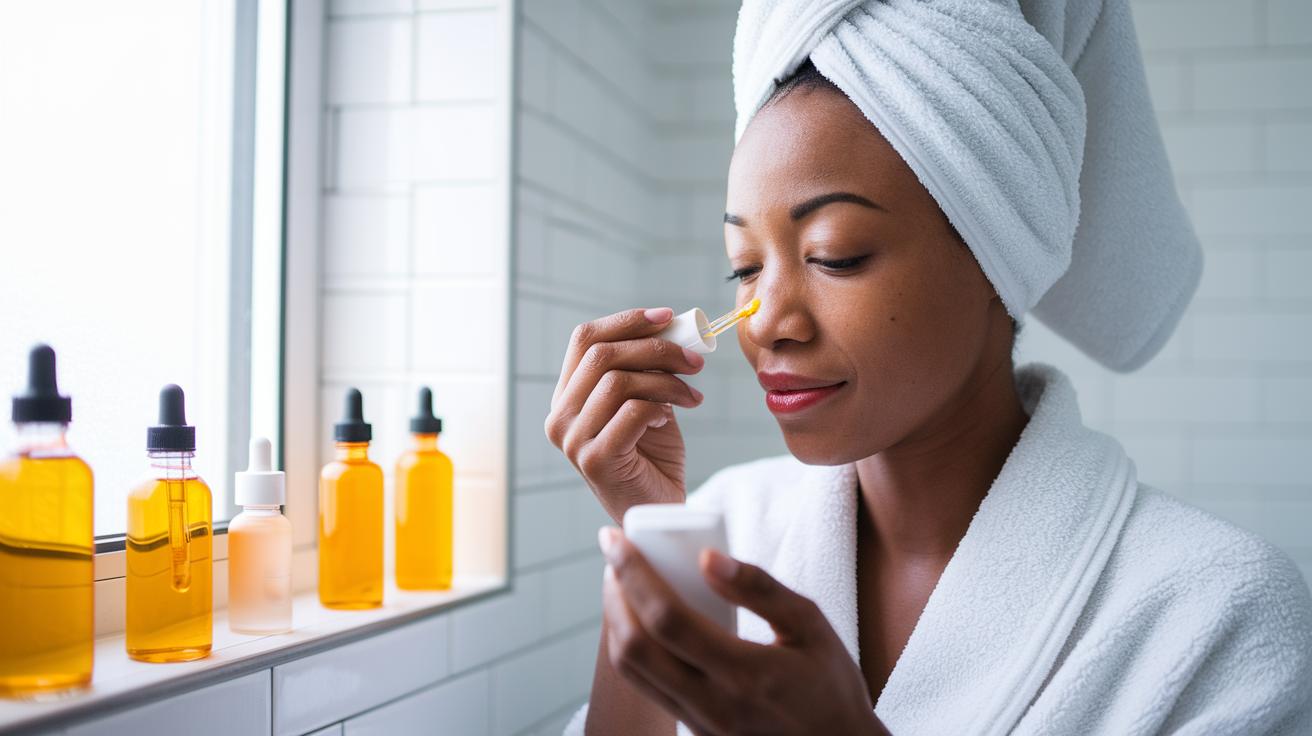
Active ingredients that brighten your skin can gently enhance its clarity. For instance, glycolic acid peels work by removing dead cells and exposing fresher, glowing skin underneath, kind of like stripping away old paint to reveal a brighter color. Vitamin C serums help slow down the production of melanin, which darkens the skin, and they also boost collagen to smooth and even out your complexion. Retinol speeds up the skin's natural renewal process, gradually fading away dark spots over time, much like giving your skin a daily reminder to let go of the old and welcome the new.
Creating a simple at-home routine can further improve your skin tone. Some over-the-counter creams contain up to 2% hydroquinone, which may lighten dark spots, although you should use them with care to avoid irritation, particularly if you have darker skin. Moisturizing brightening lotions also play a vital role by keeping your skin hydrated and enhancing its natural radiance. A steady routine of gentle exfoliation combined with targeted serums and moisturizers can slowly reduce stubborn dark spots. Remember to follow the product instructions, and if you're unsure, consult a trusted health professional who can guide you to the best solution for your unique skin needs.
Professional Procedures for Treating Dark Spots on Skin
When it comes to dark spots, skin doctors offer a mix of careful treatments that help balance your skin tone. They can gently refresh your skin’s surface, break up the pigment, or remove layers to reveal a brighter, smoother complexion. Let’s look at five trusted methods that can help clear up those spots.
Chemical Peels
Chemical peels use special acids like glycolic or trichloroacetic acid to gently remove old, damaged layers of skin. When done over several weeks, each peel slowly fades the dark patches while smoothing and evening out your skin.
Laser Therapy
Laser therapy uses focused light, often from fractional or Q-switched lasers, to zero in on pigment clusters with precision. Usually, a series of sessions helps break up melanin deposits, gradually resulting in a clearer, balanced complexion.
Microdermabrasion
Microdermabrasion is like a gentle sanding of the skin's top layer. It’s perfect if you don’t want much downtime because it quickly smooths and refines your skin, lessening the appearance of dark spots in just a few days.
IPL Therapy
IPL therapy uses special wavelengths of light to target melanin over larger areas. This approach helps soften discoloration and even out skin tone. Regular maintenance sessions can keep your skin looking balanced and refreshed.
Dermaplaning
Dermaplaning uses a small blade to carefully remove the top layer of dead skin along with fine hairs. This simple procedure enhances the absorption of brightening products and leaves your skin looking noticeably fresher, with little to no downtime.
| Procedure | Benefit | Downtime |
|---|---|---|
| Chemical Peels | Resurfaces and evens tone | 1-3 days |
| Laser Therapy | Breaks down pigment | 2-5 days |
| Microdermabrasion | Exfoliates and refines texture | Minimal |
| IPL Therapy | Targets broad pigment areas | Minimal to 2 days |
| Dermaplaning | Enhances absorption and smooths skin | None |
Each of these treatments comes with its own perks and recovery time. Chat with your doctor to choose the method that best fits your skin’s unique needs.
Preventive Skincare Tips to Avoid Dark Spots on Skin
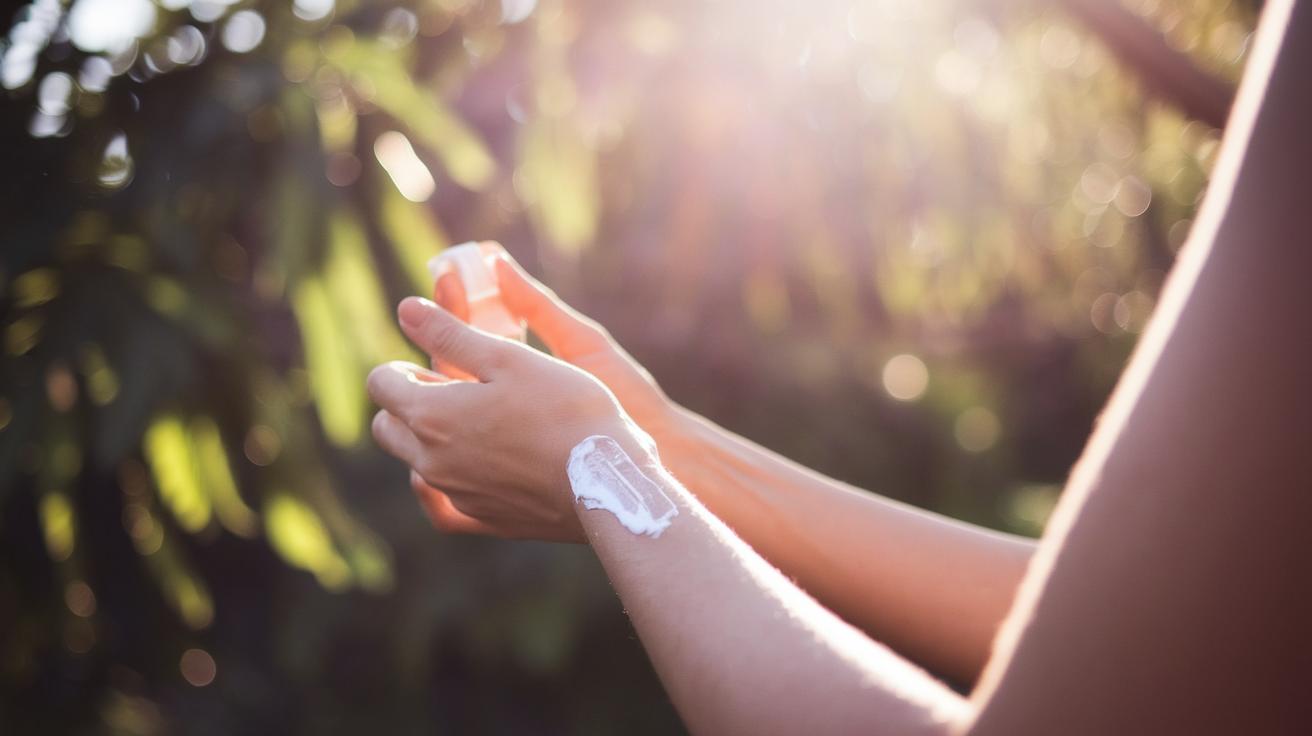
Keeping your skin protected every day is one of the simplest ways to help avoid dark spots. By shielding your face and body from the sun and other environmental stressors, you make it easier to maintain a balanced, even skin tone. Using a broad-spectrum sunscreen (that covers both UVA and UVB rays), choosing UPF clothing, and planning your time outdoors are clear steps that can really make a difference. It’s like giving your skin a daily hug, it keeps out unwanted pigment changes and helps your skin stay naturally radiant.
- Use a daily broad-spectrum sunscreen to protect against both UVA and UVB rays.
- Wear UPF-rated clothing and wide-brimmed hats when you’re out and about.
- Try to dodge the sun during its strongest hours.
- Add a good antioxidant cream to your routine to fight off free radicals.
- Cover your skin if you’re in really bright or harsh conditions.
- Reapply your sunscreen every two hours if you’re spending time outside.
- Use soothing, cooling products to calm your skin after sun exposure.
- Chat with a skin specialist to get advice that’s just right for your skin.
These simple steps can help you maintain a clear, even complexion over time while keeping your skin both happy and healthy.
Expert Consultation and Treatment Planning for Dark Spots on Skin
The first step to brighten up dark spots on your skin is to see a certified dermatologist. They’ll start by looking closely at your skin and figuring out what type of hyperpigmentation you have using tools like the Fitzpatrick scale. They might even use simple imaging or small tests to understand your skin better, taking into account things like your family history or hormonal influences.
Next, your consultation turns into a personalized plan just for you. Your dermatologist will recommend targeted ingredients, think about treatments like hydroquinone or niacinamide (each explained in everyday terms here), and may set up follow-up visits to track your progress. This careful planning helps ensure that your treatment feels right both now and down the road.
All of these steps aim to give you clear, confident guidance towards a more even skin tone. Whether you’re dealing with mild changes or tougher discoloration, expert advice can help you feel great in your skin.
Final Words
In the action, we explored what triggers dark spots on skin, from sun exposure to hormonal changes, and clearly differentiated age spots from melasma. We rounded out the discussion with preventive tips, at-home remedies, and professional procedures that break down complex science into easy, practical steps.
The blog provided straightforward insights so you can confidently choose safe treatments. Every detail was explained in simple language for a truly patient-centered read. Brighter, healthier skin is well within reach.
FAQ
What does dark spots on skin cream do?
The dark spots on skin cream is designed to fade hyperpigmentation by using ingredients like vitamin C, retinol, or glycolic acid to even out skin tone with regular use.
What causes the sudden appearance of brown or black spots on skin?
The sudden appearance of brown or black spots can result from excess melanin production triggered by sun exposure, hormonal shifts, medication reactions, or skin trauma.
What do brown spots on skin pictures show?
Brown spots on skin pictures generally display flat, pigmented areas indicating conditions like age spots or melasma, helping both patients and professionals assess skin health.
How do I treat dark spots on my face?
Treating dark spots on your face involves using targeted ingredients such as vitamin C, retinol, or glycolic acid in daily routines or over-the-counter formulas, often paired with professional advice for best results.
What vitamin deficiency causes dark spots?
Certain vitamin deficiencies, particularly in vitamin C or vitamin E, can weaken skin repair processes, which may make dark spots more noticeable even though melanin overproduction is the primary cause.
What does a dermatologist recommend for dark spots?
A dermatologist typically recommends personalized treatments that may include prescription creams, in-office procedures like chemical peels or laser therapy, and careful ingredient selection based on skin type.
Why might I develop brown spots on skin not exposed to the sun?
Brown spots on non–sun-exposed areas might arise from hormonal imbalances, genetic factors, or reactions to medications, so seeing a skin professional can help identify the cause and guide treatment.


