Treatments
Difference Between Botox And Fillers: Radiant Results
By sandywiles
October 13, 2025
Field Notes
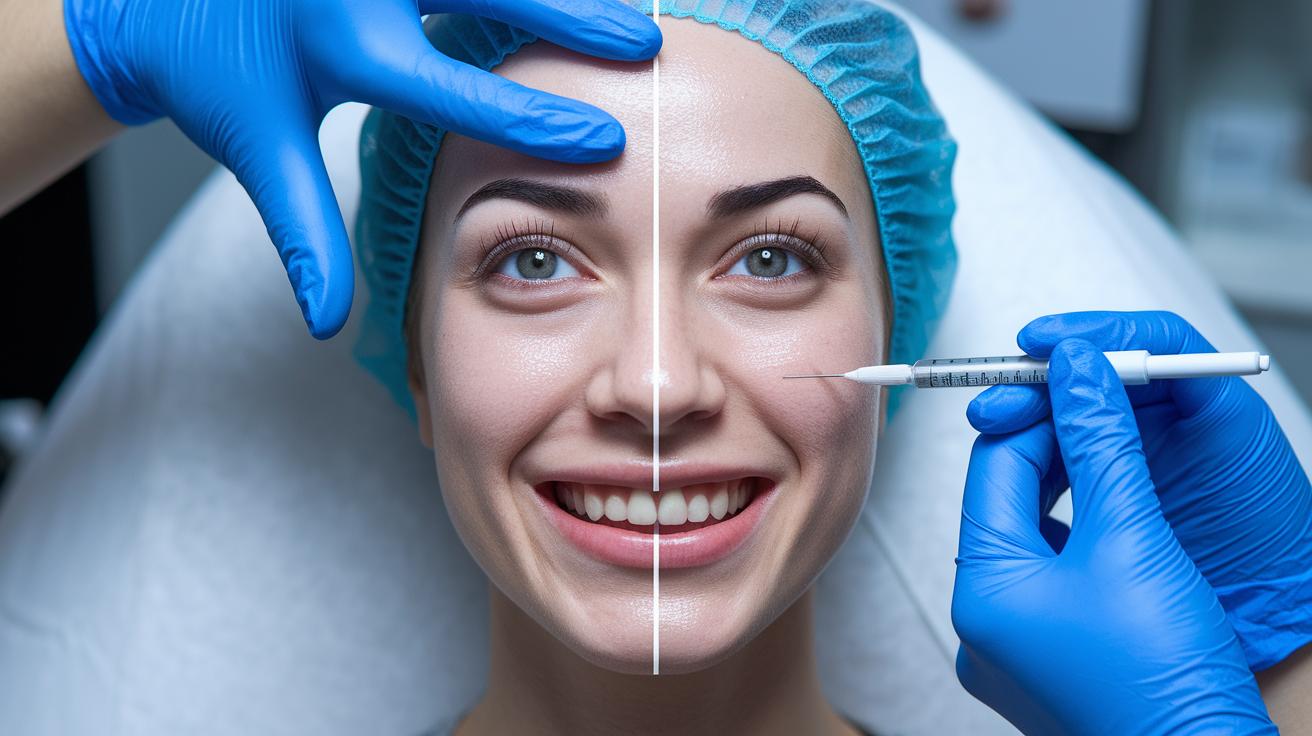
Have you ever been curious why some people pick one treatment over another? Botox gently relaxes the muscles that create everyday wrinkles, leaving your skin looking smoother. Meanwhile, fillers add a little extra volume that helps give your face a refreshed, uplifted look.
In our conversation here, we’re comparing these two treatments so you can see exactly how each one works. Botox calms those active muscles, while fillers restore a subtle bounce of volume. Understanding this difference can help you choose the option that best fits your beauty goals, and who doesn’t want to feel that extra boost of confidence?
How Botox and Fillers Differ at a Glance

Botox and fillers are two ways to refresh your look, but they work pretty differently. With Botox, a special neurotoxin is used to block the signals that tell your muscles to move. This helps relax them, which means those pesky wrinkles that form when you frown or squint start to smooth out. It’s like giving your face a little break from its usual expressions.
Fillers, on the other hand, are gel-like substances usually made from hyaluronic acid. They’re gently injected under the skin to fill in areas where you might have lost some of your youthful volume. This process not only plumps up static wrinkles but also enhances your natural facial contours. Imagine using a bit of sculpting clay to soften creases and define your features.
| Feature | Botox | Fillers |
|---|---|---|
| How It Works | Blocks nerve signals to relax muscles | Physically fills in areas that have lost volume |
| Main Purpose | Smooths out wrinkles caused by movement | Addresses volume loss and lifts out static lines |
| Time to See Results | 3–7 days | Instant improvement |
| How Long It Lasts | About 3–4 months | Usually lasts 6–18 months |
| Easy to Reverse | Not reversible | Can be reversed with a special enzyme (hyaluronidase) |
When you know these differences, it’s easier to choose the treatment that fits your needs. If you want to lessen wrinkles that show up when you smile or squint, Botox might be your go-to. But if you’re looking to smooth out lines that are always there or add volume, fillers could be the better option. Both have unique benefits, and matching them with what you really want can help you achieve a more refreshed and natural look.
Under the Skin: Mechanism of Botox vs Fillers

Botox works by stopping a chemical called acetylcholine from reaching your muscles, causing them to relax, just like turning off a switch on a motor. This relaxation eases the skin's movement, softening wrinkles that form when muscles contract. New injection methods help doctors place Botox more accurately, which can lower the chances of mild bruising or short-term discomfort. If you have any neuromuscular concerns, it's wise to chat with your provider first.
Fillers, like hyaluronic acid and calcium hydroxylapatite, are used to restore lost volume by being injected into the skin’s layers. Imagine adding a cushion where there once was a gap, this not only fills in the space but also nudges your skin into producing more collagen, leaving it looking more hydrated and lifted. Thanks to improved formulations, fillers blend with your tissue more naturally and last longer, and any side effects are usually just temporary swelling or small lumps.
In short, Botox is great for smoothing out wrinkles caused by active muscle movement, while fillers work well to fill in lines and add volume where it's needed. Because every person is unique, discussing your history with allergies or other medical issues with your provider is key to finding the best option for you.
Target Areas: Choosing Between Neurotoxin or Volumizer Applications

Neurotoxin treatments like Botox relax overactive muscles that create expression lines, while volumizers (fillers) restore the natural fullness in specific areas of your face. It's interesting that one patient shared, "I didn't expect my natural smile to stay intact, but Botox smoothed my lines without masking my expressions."
Here’s a quick look at which areas benefit most from each treatment:
| Treatment Area | Recommended Application |
|---|---|
| Forehead lines | Botox |
| Glabellar “11s” | Botox |
| Crow’s feet | Botox |
| Cheeks/midface | Fillers |
| Lips | Fillers |
| Tear troughs/jawline | Fillers |
Choosing the right treatment for each facial zone can really enhance your natural features. One patient noted, "After combining treatments, my face felt balanced and true to me." And trends are showing that when we listen to patient feedback, we can fine-tune treatment plans to perfectly suit individual needs.
Duration of Effects: Botox vs Fillers Longevity

| Treatment | Start Time | Peak Effect | How Long It Lasts | When to Come Back |
|---|---|---|---|---|
| Botox | 3–7 days | About 2 weeks | 3–4 months | Every 3–6 months |
| Fillers | Immediately | Instant lift |
Hyaluronic Acid: 6–12 months Calcium Hydroxylapatite: 12–18 months |
Depends on the product |
Botox works gradually. You might start to notice a smoother look within a week, with the best results showing around the two-week mark. Fillers, on the other hand, give you an instant boost, though how long they last really depends on the type used.
People have different preferences. Some choose Botox because they enjoy a gentle, step-by-step improvement even if it means more frequent visits. Others prefer fillers for their quick, lasting effects that often need fewer appointments.
Imagine this: with Botox, you see a soft smoothing of wrinkles by day 7, while a friend enjoys a fast and noticeable lift from fillers that stays vibrant for over a year.
Difference between Botox and Fillers: Radiant Results

When it comes to Botox, you’re generally looking at about $10 to $20 per unit. So, if you’re treating frown lines and need roughly 20 to 30 units, you can expect to pay between $200 and $600 per session. Prices can change based on your provider’s skill, where you live, and your personal treatment goals. Your doctor will tailor the dosage carefully to give you a smooth, natural look without overdoing it.
Dermal fillers, on the other hand, usually cost around $500 to $800 per syringe. The number of syringes needed depends on the area being treated, such as adding volume to your cheeks or softening lines around your lips, along with your unique facial structure. Although fillers might seem like a bigger investment at first, they often deliver longer-lasting results. Balancing your long-term goals with the overall cost can help you decide which injectable fits best with your aesthetic needs and budget.
Procedural Techniques and Recovery Times

When you get a Botox treatment, your provider starts by cleaning your skin. Then, a fine needle injects tiny amounts of Botox into the muscles where it works best. The whole process takes about 10 to 15 minutes. Most people feel just a quick pinch or a bit of pressure, similar to a light tap, and any mild redness or bruising usually disappears within a few hours.
For filler treatments, the process takes a bit longer, usually between 15 and 45 minutes. The provider carefully places the filler into the layers of your skin using either a thin needle or a soft cannula. You might notice a gentle pressure or a slight sting during this part. To help you feel more at ease, many providers apply a numbing cream beforehand, making the experience smoother overall.
After you’ve had either treatment, a cold compress can do wonders to reduce any swelling or bruising. It’s best to avoid heavy facial movements or vigorous exercise for a day or two. This simple aftercare helps lessen any discomfort and lets the product settle nicely into your skin.
Most people who get Botox can jump back into their daily routines right away. If you choose fillers, you might see a bit of swelling or bruising that usually fades within one or two days. Either way, you’ll likely be back to your usual activities very quickly.
Safety Considerations: Side Effects and Reversibility

Botox is usually safe, but like any treatment, it does carry a few potential risks. You might feel a quick pinch when the injection goes in, notice a little redness, or even get a mild headache. On rare occasions, some people may experience droopy eyelids, a situation known as ptosis. That’s why your provider will always ask about your health and check for any muscle or nerve issues before starting the treatment. One patient said, "I felt a small pinch and noticed a bit of redness, but it went away quickly." Even though these side effects are generally mild and short-lived, being open about your health history can help lower any risks.
When it comes to fillers, you might see some swelling, bruising, or a small bump at the injection spot. In very rare cases, there might be complications like a blocked blood vessel or even an infection if the injection isn’t done right. Many fillers, especially those made from hyaluronic acid (a substance that helps keep your skin hydrated and plump), have the added benefit of being reversible with a special enzyme. Your provider will also be cautious if you’re dealing with an active infection or bleeding problems. Some people have felt a little bump that eventually smoothed out on its own. This shows that, with careful technique and good aftercare, many patients feel safe and confident about their treatment choices.
Deciding Which Treatment is Right: Factors to Consider

Getting the treatment that fits your goals means knowing exactly what you want to improve. If you’re looking to ease wrinkles that pop up when you smile or frown, Botox works well by relaxing the muscles around those lines. On the other hand, if you notice a loss of volume and would love a fuller, lifted look, fillers can help restore that natural plumpness. One patient even shared, "My face felt naturally refreshed as my lines softened while my cheeks regained their youthful contour."
Your unique facial features play a big role in this decision too. A good provider will take a close look at your muscle activity, bone structure, and overall facial shape to figure out whether muscle-relaxing Botox or volume-boosting fillers work best for you.
Budget also matters. Botox sessions usually cost less per visit, but you might need them more often. Fillers come with a higher upfront price, though they often last longer.
Consider your daily schedule as well. Botox lets you jump back into your routine almost immediately, while fillers can cause a bit of temporary swelling or bruising that might slow you down for a little while.
At the end of the day, chatting with a trusted professional is key. A personalized consultation makes sure your treatment plan matches your aesthetic goals, the way your face is built, and your lifestyle needs.
The Art of the Liquid Facelift: Combining Botox and Fillers
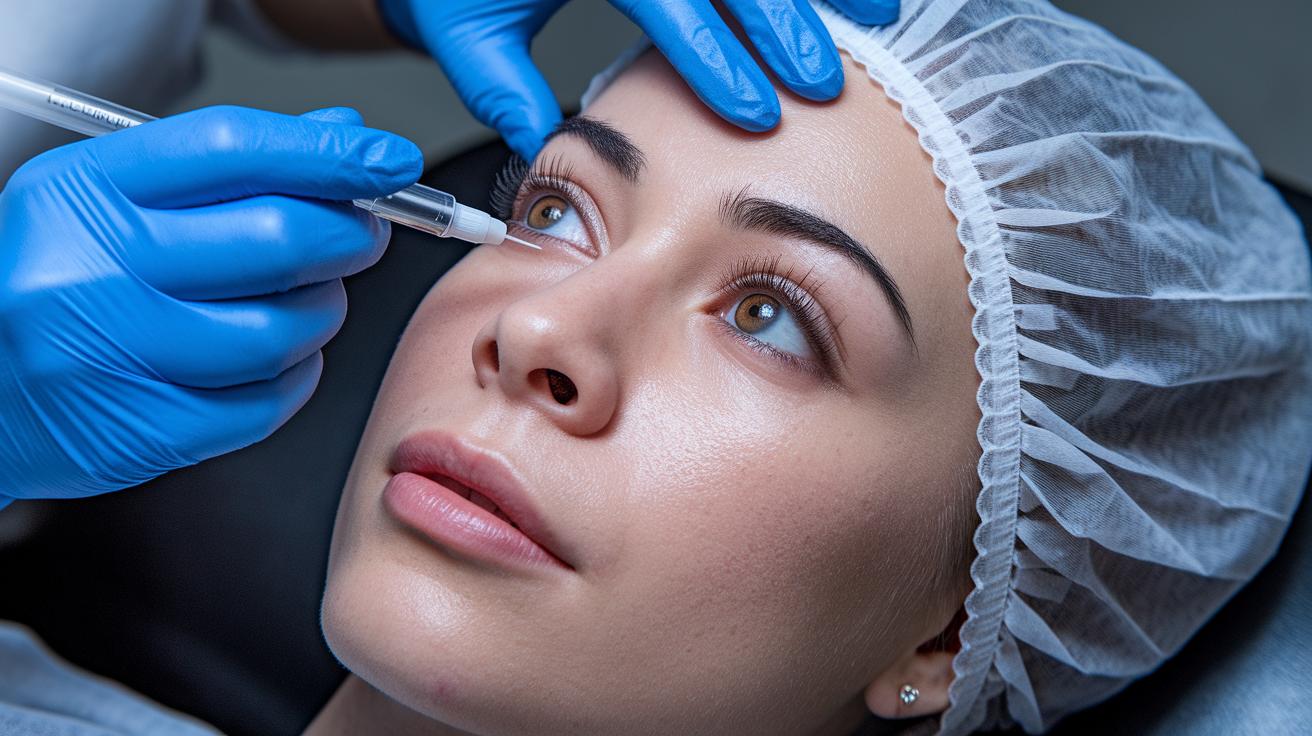
A liquid facelift is a simple treatment that uses both Botox and fillers in one session. Botox helps relax the facial muscles to smooth out wrinkles, while fillers restore volume and give the face a gentle lift. One patient described the experience as a natural refresh that softens lines and adds contour. Imagine this: a precise amount of Botox relaxes your muscles enough to create a calm, even base before the fillers bring back your youthful fullness.
How Botox and Fillers Work Together
The process starts with Botox injections in areas like the glabellar lines, which are the wrinkles between your brows. Once these muscles are relaxed, fillers are used to add volume to areas such as the cheeks or marionette lines where the face has lost its fullness.
Experts pay close attention to timing and dosage during the treatment. They begin with a small dose of Botox, then carefully follow up with fillers to match the relaxed muscle. This step-by-step approach ensures that the treatment addresses both the wrinkles from muscle movement and the volume loss, giving a balanced, refreshed look.
Final Words
In the action, we explored the key aspects of the difference between Botox and fillers. We compared how each treatment works, their onset and duration, pricing, and safety factors. The post walked through how neuromodulators relax muscles while gel-like fillers restore volume. It also highlighted how these core differences guide patient choice based on treatment goals and recovery time. The insights presented offer a clear look at your options and pave the way for confident, positive decisions.
FAQ
What is the difference between Botox and fillers for the forehead?
The difference for the forehead is that Botox relaxes the muscles to smooth dynamic wrinkles, while fillers restore volume and soften static lines, giving a refreshed appearance.
How do Botox and fillers differ in before and after results?
The differences show in how each treatment works; Botox gradually smooths wrinkles through muscle relaxation, whereas fillers offer immediate volume enhancement, both resulting in subtle changes over time.
How do Botox and fillers differ for lip treatments?
For lips, Botox treats fine lines around the mouth by relaxing muscles, while fillers add volume and shape, making them ideal for achieving fuller and well-defined lips.
What are the cost differences between Botox and fillers?
Botox is priced per unit, with glabellar treatments ranging from about $200 to $600, while fillers cost approximately $500 to $800 per syringe, with final prices based on the treatment area.
What are the common side effects of Botox and fillers?
The common side effects include mild redness, swelling, or bruising at the injection site. Rarely, Botox may cause a minor headache or eyelid drooping; fillers can occasionally lead to lumps or infection.
Can fillers ruin your face?
Fillers, when administered correctly by a qualified professional, are designed to enhance facial contours. Improper injection techniques can cause issues, but expert care significantly minimizes those risks.
Which treatment makes you look younger: Botox or fillers?
Botox targets dynamic wrinkles by relaxing muscles, while fillers restore volume and smooth static lines. A combination of both treatments is often used for a naturally youthful and balanced look.
Which is better, lip fillers or Botox, for achieving youthful lips?
Lip fillers are typically better for adding volume and definition to the lips, whereas Botox is more suited to reducing fine lines. The best choice depends on your specific cosmetic goals.