Have you ever wondered if a machine can treat art fairly? Artificial intelligence is changing the way we create images and raising important questions about who really owns creativity. Tools like DALL-E and Midjourney blend art with technology in fascinating ways, but they can also lead to issues like biased results or privacy concerns.
This article takes a closer look at these challenges to help us strike the right balance between innovation and fairness. We’re here to uncover clear answers on how AI can work with art in a way that respects everyone’s creative rights.
Core Ethical Considerations in AI Aesthetics

Technology is reshaping visual design, and machine learning (a way for computers to learn from data) along with neural networks are behind fresh, innovative methods for creating images. Tools like DALL-E and Midjourney mix art and tech in ways that spark creativity. But as digital art grows, it also pushes us to ask: Who really owns creativity? This change challenges our old ideas about what art is, making ethics a top priority.
Let’s break down some key concerns. When AI makes images that resemble human art, it’s hard to say whether credit belongs to the human operator or the developers who built the program. Sometimes, these creations carry bias because the training data can include common stereotypes that aren’t true reflections of reality. And there’s the privacy side of things, too, many systems use real people’s photos without asking permission. Plus, the way these systems decide what to create can feel like a mystery, making it tough to know why certain outcomes appear. Not to mention, the energy needed to run these models is high, which raises worries about the environment. These issues show why thoughtful ethical checks are so important.
By working through these challenges, we can pave the way for digital art that remains both trustworthy and truly human. When we set clear rules on ownership, work to cut down on bias, protect privacy, and open up the decision-making process, all while keeping an eye on energy use, we boost the credibility of AI art. This careful approach helps ensure that technology and human creativity go hand in hand, building confidence for both the artists and the people who enjoy their work.
Mitigating Bias and Ensuring Fairness in AI Aesthetics

Bias can sneak into AI-created images when the training data is steeped in old stereotypes or narrow cultural views. This can lead to images that reinforce unfair ideas or leave some groups out, which not only hurts fairness but also limits the rich creative power of machine learning.
To tackle this, we can:
- Use a variety of images from many different cultures and groups. This helps AI learn from a well-rounded set of visuals.
- Check regularly for bias with detailed reviews to spot and fix any unfair trends in the outputs.
- Involve a diverse team of annotators, people who help label and explain the images, to bring in a wide range of cultural and social viewpoints.
- Rely on fairness metrics that measure if the outputs are balanced and free from stereotypes.
- Create ongoing feedback loops that invite insights from all types of viewers, so the system can keep getting better over time.
By working hard to reduce bias, we build trust and support a richer mix of cultural expressions in digital art. This careful approach ensures that the art respects many traditions and tells a fuller, more interesting story.
Promoting Transparency and Accountability in Aesthetic AI Systems

AI often works in ways that seem mysterious, leaving many of us to wonder how creative outputs are actually formed. This confusion can make it hard to trust the process, whether you're a user or a creator. For example, recent public investments like the $140 million from the White House for AI policy guidance remind us why clear and open systems are so important. These funds back projects that shine a light on hidden computations and help ensure that outcomes can be tracked reliably. It's clear that a strong system of oversight is key to balancing artistic innovation with ethical accountability.
Taking a systematic approach to transparency helps set the stage for true accountability. By using tools such as model cards, audit trails, and explainable-AI reports, we can make AI decisions easier to understand and build greater trust in digital art.
| Protocol | Purpose | Implementation |
|---|---|---|
| Model Cards | Offer a clear summary of model features and training data | Use standard documents that are shared with users |
| Audit Trails | Keep a record of decisions made by the system | Maintain systematic logs of interactions and updates |
| Explainable-AI Reports | Break down decision pathways for better understanding | Provide clear metrics that explain creative outputs |
Safeguarding Data Privacy and Consent in AI Aesthetics

When AI tools create digital art, they usually pull from huge collections of real user photos. Often, these images are reused without asking for permission, which can put personal privacy at risk. It’s like sharing a secret without asking if it’s okay. That’s why it’s crucial to manage how these images are gathered and handled, so personal details stay safe while still letting AI work its creative magic.
Rules like the General Data Protection Regulation (GDPR) set out clear directions for using personal data. In simple terms, you must get a clear yes from someone before using their photo. To do this right, experts use clear consent forms, run regular reviews by human oversight teams, and set up checkpoints throughout the process. This way, everyone knows exactly how their images might be used, and the whole AI process respects privacy and ethical standards.
Balancing Creativity and Artistic Integrity with AI Aesthetics
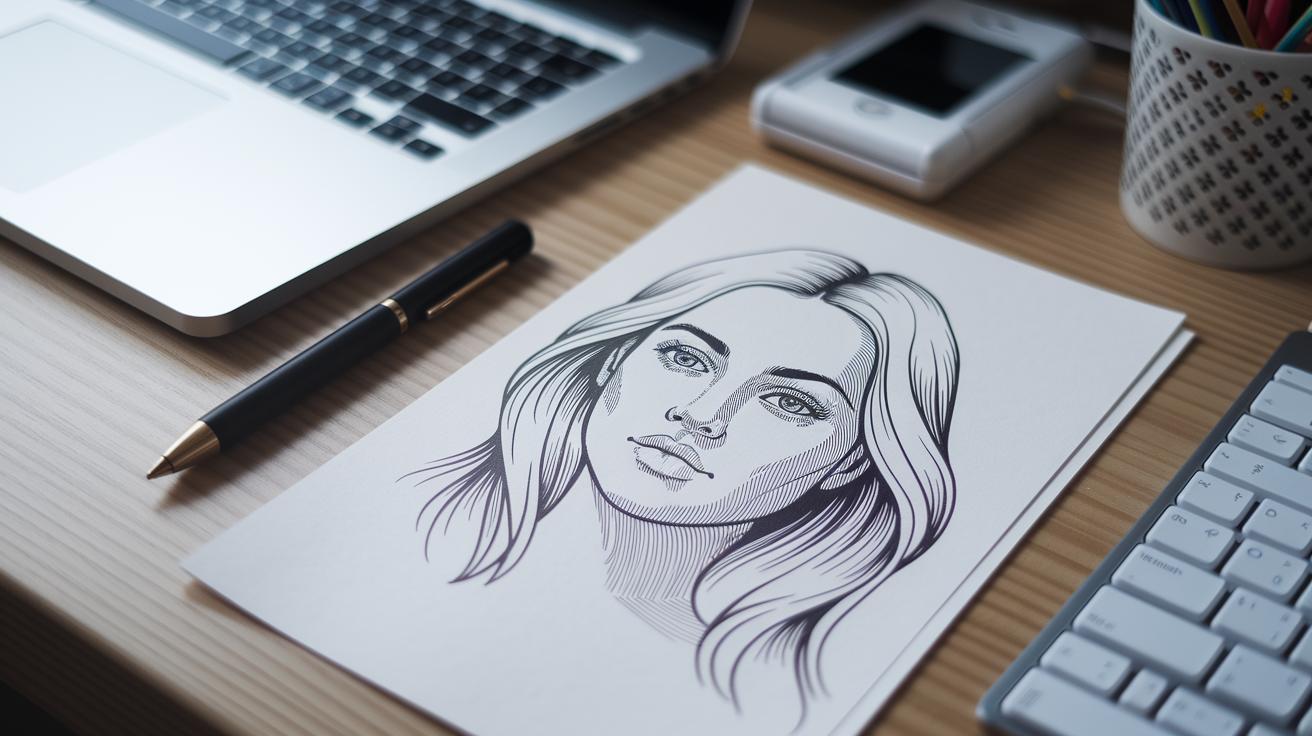
Art created by people has a special warmth and individuality that only a human touch can bring. When computers make images, they tend to stick to programmed steps, missing out on the little, unexpected details that make traditional art so delightful. It’s like comparing a handmade drawing to a printed copy, a clear gap exists between personal expression and computer-made designs.
The sale of the "Portrait of Edmond de Belamy" for $432,500 stirred up a big conversation about who really owns art. Even though the piece looked amazing, many say that using pre-fed data makes it less of an original creation. This situation raises real questions about credit and creativity when human artists team up with tech experts. It makes you wonder, who gets the praise? The person behind the idea or the machine that put it together?
Finding a mix of computer precision and human imagination might be the way forward. By being clear about who did what and keeping an open conversation, everyone’s effort gets recognized. In fields like personalized aesthetic treatments, combining our unique insights with smart tech can enhance creativity instead of replacing it.
Regulatory Frameworks for Ethical AI in Aesthetics
Across the globe, rules for AI art don’t always line up. In many places, there isn’t one clear set of standards guiding safe design and technology. This leaves creators, developers, and users unsure about who owns what and who’s responsible when issues pop up. In Europe, you’ll find solid rules, but elsewhere, the guidelines can be vague. These mixed signals touch on everything from who holds the copyright to how our data is protected, showing a big need for clear, fair rules to keep AI art both ethical and inventive.
Current Regulations
Take the EU AI Act and GDPR, for example. These regulations lay down some basic ground rules for AI-driven art. They ensure that data is kept safe, that users give their consent, and that automated decisions are made clearly and transparently. This is a great start for holding people accountable and making sure technology is used ethically. However, these rules mostly work in Europe, and as technology grows, we need broader guidelines to cover all aspects of art and tech working together.
Proposed Policies
Experts say we need updated policies that are easier to understand and fair for everyone. They’re calling for clear copyright rules and the use of diverse datasets to help cut down on bias. They also suggest setting strict rules for transparency and constant privacy protections so that both human artists and AI designers know exactly where they stand. By putting these stronger rules in place, we can make sure that AI-driven art is fair, respects personal data, and values creative expression. In short, having unified and robust regulations will help build trust, encourage diversity, and support technology that works responsibly for all.
Best Practice Guidelines for Integrating Ethical AI in Aesthetics

As AI grows in the world of aesthetics, we need a clear plan that focuses on fairness, openness, and data privacy. In this guide, we've put together simple steps to help you build AI tools with a strong ethical foundation. For example, before you launch any tool, take a close look at how your design choices affect the user experience. This careful check makes sure ethical design really matters.
Key tips include doing regular audits of your algorithms to see how data shapes outcomes. Use diverse training data to avoid falling into stereotypes, and share clear reports so everyone understands your decision-making process. And don't forget to get clear, informed consent from your users. Think of it like putting together a sturdy building, each piece works together to support safe and creative digital design.
Regular checks keep this ethical approach strong. By reviewing audits, keeping your datasets varied, updating your reporting practices, and ensuring proper user consent, your AI designs stay smart, safe, and truly focused on people.
Final Words
In the action, you’ve explored how AI shapes creative design and the ethical considerations of AI in aesthetics. This discussion unpacked core topics from ownership debates to bias in datasets and privacy challenges. It also outlined practical guidelines and regulatory insights that guide responsible implementation in digital art and design. Each facet plays a role in building trust and promoting innovation. Walking this path with clarity and fairness makes aesthetics smarter, safer, and more inspiring.
FAQ
Q: What are the ethical considerations for AI in aesthetics, dermatology, and design?
A: The ethical considerations for AI in these fields include authorship and ownership issues, bias from limited data, privacy concerns over personal images, opaque decision processes, and environmental impacts from high energy use in training models.
Q: What challenges does AI face in medicine and dermatology?
A: The challenges in medicine and dermatology involve managing biased training data, protecting patient privacy, bridging diverse skin type accuracy, and ensuring that mobile apps and diagnostic tools deliver safe and reliable assessments.
Q: What are the key ethical concerns with AI-generated art and design?
A: The key ethical concerns with AI-generated art and design are debates over true authorship, potential bias from stereotyped data, lack of transparency in creative decision-making, and the broader impact of these tools on artistic integrity and originality.


