Ever wonder if your favorite skincare is really safe? The EWG Skin Deep database is your go-to guide for checking if everyday products, like moisturizers and makeup, meet strict safety standards. It works kind of like a traffic light, if a product gets a green rating, you can feel confident using it; if it’s red, you might want to take a closer look. In this post, we’ll talk about how this trusted tool can help you pick smarter products and push for higher cosmetic safety for everyone.
Overview of the EWG Skin Deep Cosmetics Database

The EWG Skin Deep database is a free online resource created by the Environmental Working Group, which started back in 1993. It was built to help you easily understand how safe everyday personal care products are. With research-backed data, it covers over 100,000 items, from skincare to makeup. Imagine having a tool that lets you check if your favorite moisturizer carries ingredients you can feel good about. This clear, user-friendly approach has built trust and transparency in cosmetic safety.
To keep things simple, the database collects information from many sources like manufacturers, retailers, product labels, toxicity studies, regulatory reports, and even customer feedback. Every product gets a hazard score between 1 and 10+, where a score of 1 means there’s very little to worry about, and higher scores show more potential risks. Think of it like a traffic light: green means go safely, yellow means be cautious, and red warns you to take a closer look. This method makes it easy to understand what’s happening with a product’s ingredients.
Back in 2015, the EWG Verified™ program was launched to put even more focus on safety. This program has certified over 2,100 products with a “0” score, meaning they meet a very high standard of safety. It not only helps you pick products you can trust, but it also pushes for changes in policies related to toxic chemicals. This is a great example of how a simple safety rating can guide your choices and even lead to bigger shifts in product safety standards.
How the EWG Skin Deep Scoring System Ranks Cosmetic Ingredients

When you check out cosmetic ingredients, the EWG Skin Deep system scores them using three main ideas: the risks they might cause, how much you're exposed to them, and how solid the scientific research is. First, each ingredient gets reviewed for potential health issues, like ways it could lead to cancer or affect development, and for how much you might actually use it. Lab tests are a big part of this, although tests at very high doses might not truly represent everyday use. In the end, scores fall into groups: 1-2 means low risk, 3-6 means there’s moderate risk, and 7 or higher points to a higher risk.
They also consider how complete the research is. If there isn’t enough published data on an ingredient, it might even get a score of 0. This method usually helps flag chemicals that could be a problem. But it might also create confusion if important studies are missing, which means similar products might get different scores even if they share common ingredients.
Here are some key points they look at:
| Factor | Description |
|---|---|
| Hazard endpoints | Potential to cause genetic damage or cancer |
| Exposure metrics | How frequently and in what amount you might encounter the ingredient |
| Data completeness | Availability of peer-reviewed and regulatory studies |
| Mode of action | The way the ingredient works at the cellular level |
| Regulatory status | Whether agencies like the FDA or EU have specific restrictions |
Remember, gaps in data and updates that aren’t too frequent can make some ratings seem outdated. So, it’s always a good idea to cross-check these scores with other trusted sources for a clearer understanding.
Interpreting Ingredient Scores in the EWG Skin Deep Database

Sometimes EWG scores can seem misleading because they come from lab studies using very high doses. This isn’t usually how you encounter these ingredients day-to-day. When there isn’t enough data, a score of zero might be given by default, which can hide potential risks and leave you wondering about real-life safety.
Even everyday ingredients, like those in rose oil, might get a higher score just to err on the side of caution, despite being used widely for years. This often sparks a debate, are these ingredients really risky, or is it just the lab tests painting a different picture?
| Ingredient | EWG Score | Note |
|---|---|---|
| Sodium cocoyl sulfate | 1 | Limited data, no warnings raised |
| Citronellol (rose oil) | 4 | Commonly used; moderate risk |
| Sodium lauryl sulfate | 3 | Moderate concern, debate continues |
Checking these ratings against other trusted scientific and regulatory sources can really help clear up the full picture of how safe these cosmetic ingredients are.
Using EWG Skin Deep as a Skincare Safety Analysis Tool
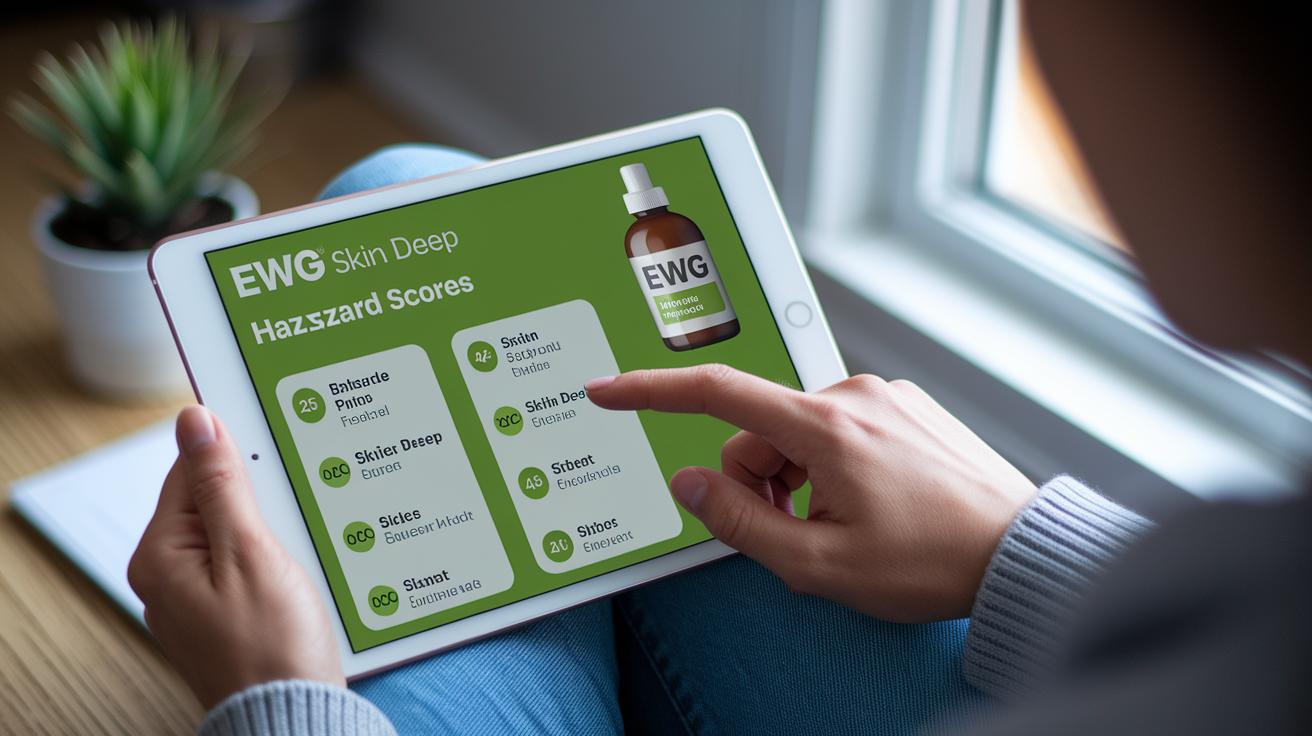
Imagine having a trusted friend who helps you check the safety of your skincare products. With EWG Skin Deep’s website and apps, you simply type in a product name, brand, or even a specific ingredient and get all the details you need. You can sort by hazard score, product type, like sunscreen, shampoo, or makeup, and even spot items with the EWG Verified™ seal. It’s like instantly comparing your favorite moisturizer’s safety rating alongside similar products.
Then there’s the cool feature of bookmarking and side-by-side comparisons. You can build your own shopping list and view different products on one screen, so you always make informed choices. Think of it as having a clear window into which products meet your personal clean product standards, it just makes shopping easier and safer.
Bear in mind, the database refreshes every month. Sometimes a product’s formula might change, but the hazard score might still show the older information. Keeping an eye on update dates and double-checking with other trusted sources will help you stay confident and safe with your skincare picks.
Navigating the EWG Skin Deep Mobile App for Ingredient Checks
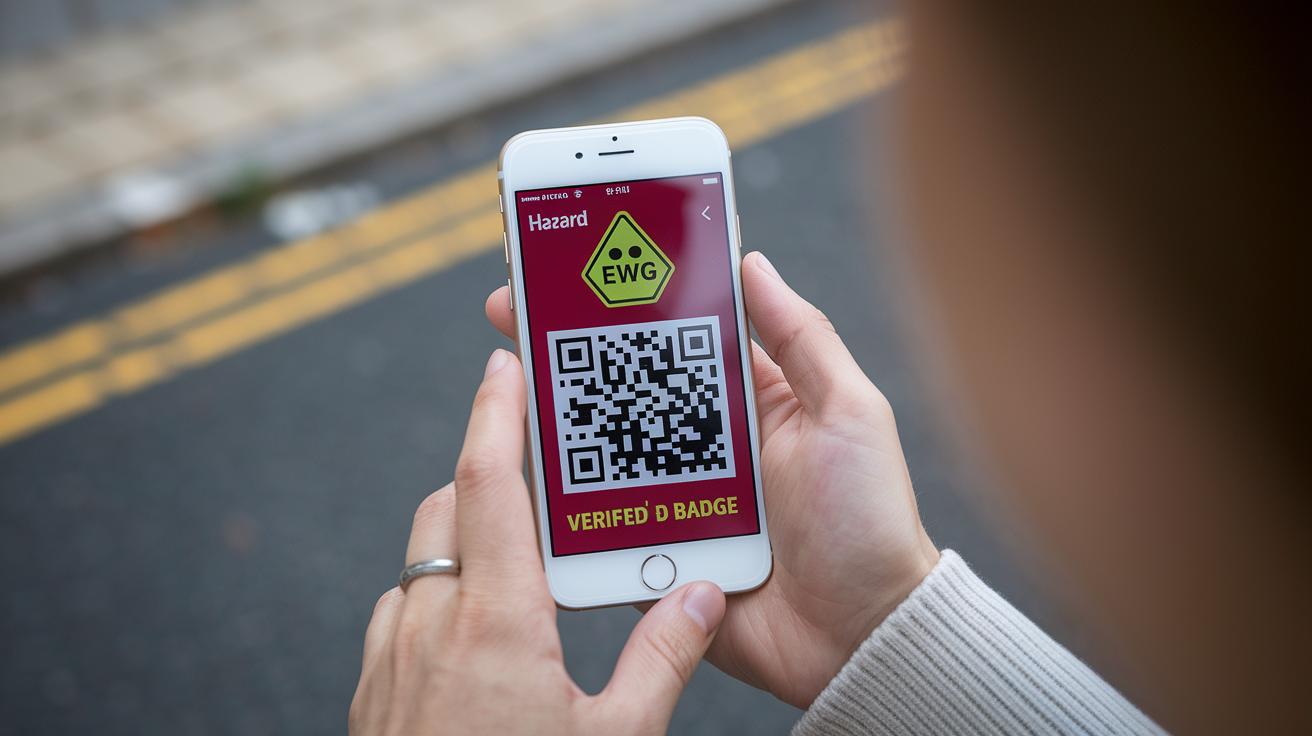
First, grab the free EWG mobile app from your app store, whether you’re on iOS (11 and up) or Android (6.0 and later). It’s as simple as opening the Apple App Store or Google Play, searching for the app, and tapping to install. The app runs smoothly on up-to-date devices, so you shouldn’t have any trouble getting started.
Once it’s set up, you can scan product barcodes or type in an ingredient name to see detailed info. You’ll find helpful details like hazard scores, a breakdown of each ingredient, insights about exposure, and even the EWG Verified™ badge. Creating a profile is a breeze, giving you a personal space to save your favorites and track recent scans. And don’t worry, push notifications will keep you posted on any updates or new ratings for the products you follow.
Users say the app generally feels pleasant and easy to use. Sure, a few have mentioned minor bugs or slight delays when data updates, so sometimes the info might not be the very latest. But overall, it makes checking cosmetic ingredient safety both simple and accessible.
Consumer Best Practices for EWG Skin Deep Product Safety

When you use the Skin Deep database, make sure to check its ratings against trusted sources like the FDA or EU regulatory lists. If a product shows a low hazard score, take a moment to look up any warnings in those official databases. This extra step gives you a complete picture of the product’s safety.
Next, spend some time reviewing the scorecards. Check the detailed breakdowns and pay attention to the update dates. For example, even a product you trust might have outdated info if its formula changed recently. Taking a look at the timestamp can save you from relying on old data, and comparing similar products may reveal any quirks or inconsistencies.
If you’re still on the fence about a product, consider looking at peer-reviewed studies or chatting with a dermatologist. Mixing the database insights with expert advice helps you make a well-informed decision that you can feel good about.
Final Words
In the action, we explored the science behind product hazard scoring, user features of the mobile app, and practical best practices for linking lab data with everyday safety insights. The post broke down how EWG Skin Deep offers transparency in ingredient toxicity, explains score variations, and supports safe skincare choices. It blended data reviews with simple tips for cross-checking scores to build trust. Every piece ties into building confidence and giving you clear steps to make informed decisions about your cosmetic treatments. Enjoy the journey to safer, smarter beauty choices.
FAQ
Frequently Asked Questions
What is the EWG Skin Deep database?
The EWG Skin Deep database is a free online resource from the Environmental Working Group that aggregates data on over 100,000 personal care products, offering hazard scores to help users gauge cosmetic safety.
How does the EWG product search work?
The EWG product search allows users to look up products by name, brand, or ingredient while using filters like hazard score and category, enabling a quick and comparison-friendly safety check.
Is the EWG Skin Deep database free to use?
The EWG Skin Deep database is free, giving everyone access to a wide range of product safety data sourced from manufacturers, studies, and consumer reports.
How does the EWG Skin Deep App function?
The EWG Skin Deep App lets users scan barcodes or search by product name on their mobile devices to instantly view hazard scores, ingredient details, and safety information without in-app ads.
How do organizations like Paula’s Choice and Cosmetic Ingredient Review differ from EWG?
While EWG provides a public cosmetic safety database with hazard scores, Paula’s Choice offers product recommendations based on skin science, and Cosmetic Ingredient Review assesses ingredient safety via expert panels.
What role does the Environmental Working Group play in cosmetic safety?
The Environmental Working Group drives policy reform by compiling and analyzing extensive product data to identify hazardous chemicals, helping consumers make safer choices in personal care products.
How do groups such as the World Wide Fund for Nature, Union of Concerned Scientists, and Natural Resources Defense Council relate to EWG?
These groups focus on broader environmental and scientific research that complements EWG’s work by providing additional insights and verification methods to enhance public understanding of product and environmental safety.


