Ever wonder if a tiny change around your eyes could make you look years younger? An eyelid lift, or blepharoplasty (which means trimming extra skin and puffiness), might be just the trick. This simple treatment can clear away tired skin, giving your face a brighter, refreshed look and a boost in confidence.
Many patients say they feel revitalized afterward, as if a spark of youth has been reignited. In this post, we explain the process step by step, share its benefits, and explore why this gentle procedure might be the change you need for a naturally fresh appearance.
eyelid lift cosmetic surgery Brightens Your Look

Eyelid lift cosmetic surgery, known medically as blepharoplasty, refreshes the look around your eyes by removing extra skin, wrinkles, and puffiness. This treatment targets the signs of aging on both your upper and lower eyelids, giving you a naturally youthful appearance. The whole process usually takes anywhere from 45 to 120 minutes, and it’s performed on an outpatient basis. Depending on your needs, the surgery can be done with general anesthesia or local anesthesia with medication to help you relax. One patient even said it made them feel "like I got a new lease on life."
This procedure is quite flexible. Many surgeons tailor the treatment by combining the eyelid lift with other procedures like a brow lift or facelift for a more balanced rejuvenation of the entire face. That way, your eyes and the rest of your face work in harmony. When you look at pricing guides at various centers, you’ll see that the cost breaks down into facility fees, surgeon fees, and anesthesia charges.
Ideal candidates for an eyelid lift are usually in good overall health, have realistic expectations, and care about the appearance or function of their eyelids. With a careful preoperative consultation and proper candidate selection, the benefits of blepharoplasty can last for many years, especially when paired with a healthy lifestyle and regular skincare. This trusted treatment not only enhances your look but also boosts self-confidence in many people.
Key Techniques and Incisions in Eyelid Lift Cosmetic Surgery
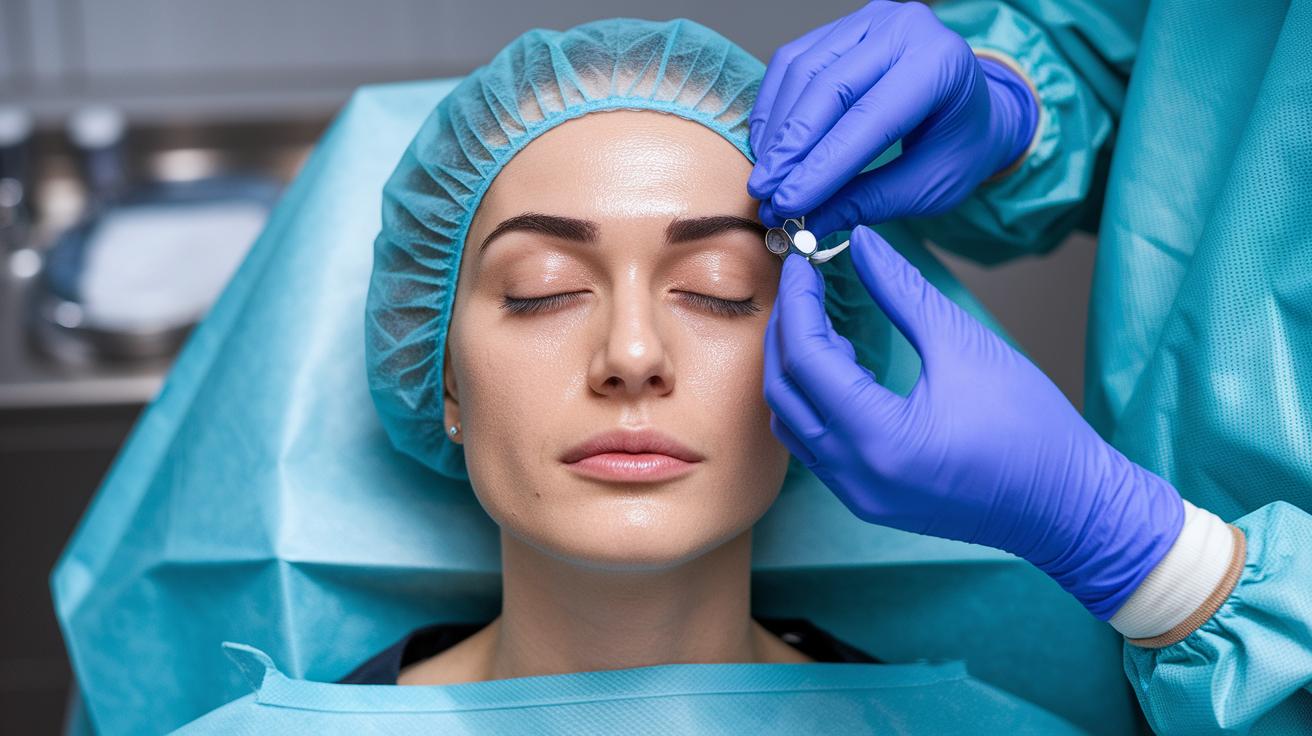
Eyelid lift surgery uses gentle, refined techniques to refresh the area around your eyes. For an upper eyelid procedure, extra skin and muscle are removed along your natural crease, much like an artist carefully restoring a classic painting. This subtle approach helps maintain your eye’s natural beauty.
Lower eyelid surgery focuses on reducing under-eye bags by addressing any fat that has shifted from its usual place. Doctors usually choose one of two incision methods. The first, called the transconjunctival approach, makes a small cut inside the eyelid so scars stay hidden. The second method, the subciliary technique, cuts just below the lash line, offering clear access for adjusting the fat. Both methods aim to leave you with a smooth, natural look.
Newer tools such as laser and radiofrequency skin tightening are also used along with traditional techniques. These modern methods help improve skin texture and reduce any sign of surgery. Many patients note that this careful, step-by-step process not only revives a youthful appearance but also boosts their confidence.
Preparing for Your Eyelid Lift Cosmetic Surgery: Consultation and Candidacy

Before you go ahead with an eyelid lift, you'll have a detailed consultation with a board-certified cosmetic or oculoplastic surgeon. In this friendly chat, your surgeon explains the treatment in clear, everyday language while setting realistic expectations for what lies ahead. They will also review your overall health and might ask you to do a visual field test. This simple test checks your sight and, if needed, can sometimes support insurance coverage when there’s functional impairment.
Your surgeon will look closely at your general health and lifestyle choices. Generally, the best candidates are in good health, have specific treatment goals, and either do not smoke or agree to quit for a while before the procedure. You may be asked to review your current medications and vitamin supplements, and you’ll get clear instructions on matters like fasting and hydration. For example, you might be advised to avoid heavy meals and adjust any blood-thinning medications a couple of days before surgery.
This step-by-step checklist ensures both you and your surgical team are prepared, helping pave the way for a safe and effective cosmetic eyelid rejuvenation.
Detailed Procedural Walkthrough for Eyelid Lift Cosmetic Surgery

It all starts with the surgeon marking your natural eyelid creases for the upper lid or along the lash line for the lower lid. These marks guide where extra skin and muscle will be removed, much like a tailor sketching out a custom-fit suit for your unique look.
Next, you receive anesthesia. Depending on the surgery's complexity, you might get local anesthesia with IV sedation or general anesthesia so you remain calm and comfortable. Many patients mention how a gentle buzz from the sedation makes the experience feel surprisingly relaxed.
After the anesthesia, the surgeon makes the small incisions right along the pre-marked lines. Through these openings, excess skin, muscle, and even some fat are either removed or gently repositioned. This process helps shape the area around your eyes, creating a refreshed and natural appearance. Sometimes, for a bit more volume, the surgeon might add a touch of fat grafting in the tear-trough area.
The next phase is all about precise closure. The surgeon uses very fine sutures, either inside the skin or on the surface, to join the incision edges. This careful technique minimizes tension and keeps scarring low, so you can heal with confidence and enjoy a natural finish.
Every step in this process is tailored to your personal aesthetic goals, ensuring the final result looks as natural as it feels.
Eyelid Lift Cosmetic Surgery Recovery: Timeline and Aftercare

Right after your eyelid lift, the way you care for yourself plays a huge part in a smooth healing process. For days 1 to 3, keep your head raised while you rest. Gently use ice packs or cold compresses to ease swelling and bruising, and follow your doctor's advice on pain medication and any eye ointment. Think of it as wrapping your eyes in a soft, cool breeze to help soothe them.
From day 4 to 7, you might notice that the swelling is starting to go down. During this time, your surgeon may remove the sutures. Continue to apply your cold compresses and take short walks, but avoid heavy lifting or bending over to keep pressure off your eyelids. This careful approach now sets you up for a smoother recovery later.
By weeks 2 to 3, you can begin returning to your everyday activities, just keep an eye on the healing incisions. Some patients even start using contact lenses again after talking with their surgeon. Then, in weeks 4 to 6, you'll see that the bruising fades and your scars start to mature. If your surgeon gives the go-ahead, you can slowly start doing more physical activities.
Finally, between months 2 and 6, the full benefits of your surgery begin to show. Your skin tone improves, and the puffiness around your eyes goes down. At this point, the healing process is mostly complete, and the refreshed look becomes a permanent part of who you are, as long as you continue with the recommended aftercare and healthy habits.
Understanding Risks and Managing Complications in Eyelid Lift Cosmetic Surgery

Eyelid lift surgery can give you a bright, refreshed look, but like all procedures, it comes with its own set of risks. Common issues may include infection, bleeding, dry or irritated eyes, slight unevenness, and maybe some visible scarring. One patient mentioned, "I experienced slight redness and minor swelling right after surgery, but it faded within a week." This shows that many side effects are temporary and often resolve on their own.
Rarely, some patients might have trouble fully closing their eyes, notice changes in vision, or see irregular results from fat removal. Although these complications don’t happen often, they can change the final outcome and might need another procedure to fix. Surgeons take extra steps to lower these risks by using sterile techniques, placing incisions along natural lines, and giving clear instructions for care after the surgery.
If you aren’t happy with the results, revision procedures can help. Revision blepharoplasty can fix areas that were over- or under-corrected, while scar revision techniques can soften any lingering marks. Always follow your surgeon’s advice closely; as one doctor put it, "Adhering to postoperative care is like giving your healing process the best possible chance to succeed." This careful approach is all about reducing problems and setting you up for a smooth recovery.
Cost Breakdown and Insurance Considerations for Eyelid Lift Cosmetic Surgery

If you're thinking about an eyelid lift, it helps to know the parts that add up to the final bill. The fee usually covers the surgeon's work, the facility use, and the cost of anesthesia. Prices can also vary by region, some places may charge more for the facility or the surgeon.
Costs can differ between an upper eyelid lift and a lower eyelid lift because each uses its own techniques and sometimes different materials. You might find small price differences from one clinic to the next.
Sometimes insurance may pitch in if the treatment also solves a health problem. For example, if a visual field test shows that droopy eyelids are affecting your sight, insurance might cover part or even all of the cost.
If you're handling the cost yourself, many centers offer flexible financing options. Payment plans and health savings accounts can help make paying in full a bit easier.
Think of covering the cost as setting aside a little money from each paycheck until you're ready for your new look. Breaking down each element of the cost can help you feel more confident and informed when deciding on this treatment.
Selecting Your Surgeon for Eyelid Lift Cosmetic Surgery
Choosing the right surgeon is key if you want the eyelid lift of your dreams. Find a doctor who is board-certified in cosmetic or oculoplastic surgery (this means they have special training focused on procedures like eyelid lifts), rather than a general plastic surgeon. Their board certification shows they’ve been through rigorous training and have spent their career perfecting treatments such as blepharoplasty.
Ask about their training and how long they’ve been practicing. Look at a solid before-and-after portfolio to see real examples of their work with eye area corrections. Don’t forget to discuss how they handle risks and complication rates. During your consultation, you should expect a clear conversation about what results you can realistically expect, the risks involved, and potential scarring. It’s also a good idea to check on facility accreditation, revision policies, and follow-up care procedures.
This kind of open, patient-focused chat not only helps build trust but also guides you in choosing a surgeon who truly matches your goals. Making an informed decision like this lays the groundwork for a rewarding transformation.
Visual Results and Patient Testimonials for Eyelid Lift Cosmetic Surgery
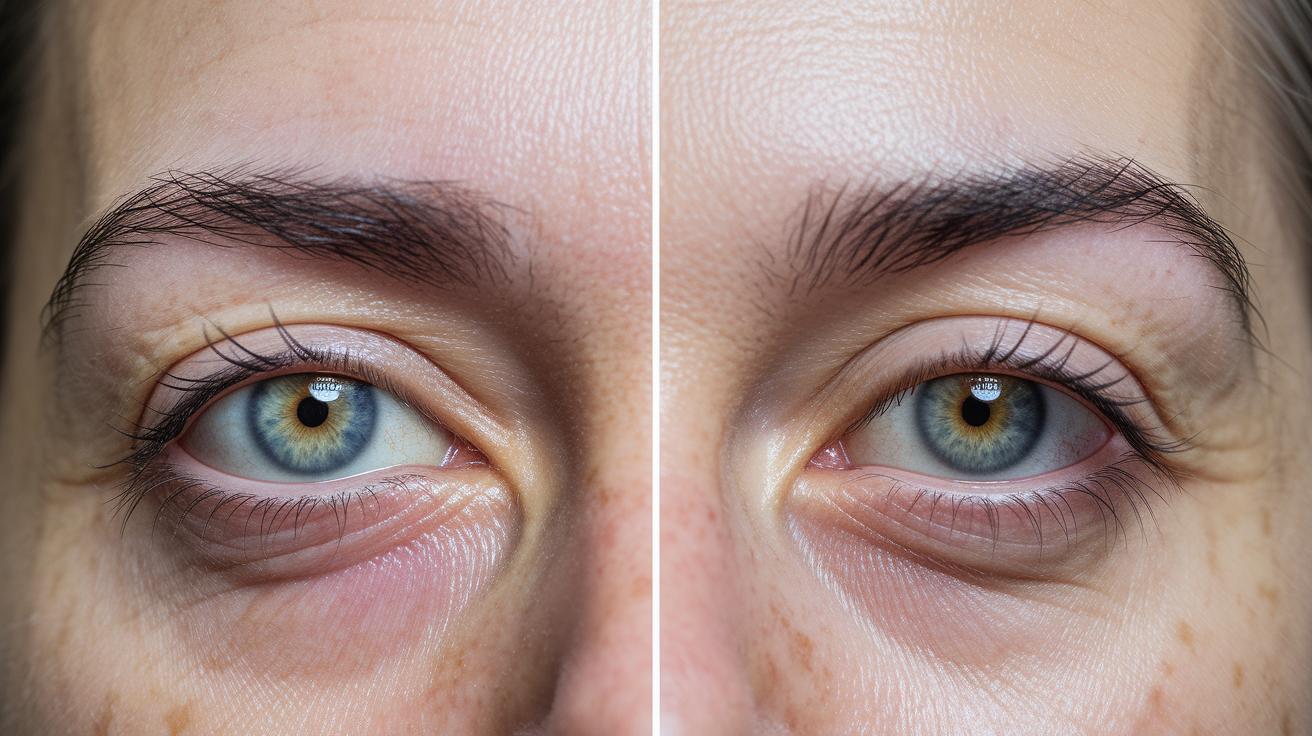
When you glance through our before-and-after photos, you can really see the difference that an eyelid lift makes. Each picture shows how both the upper and lower lids look refreshed. They even include notes about where the surgeon placed the incisions, how the scar was hidden, and the gentle curves that were restored.
Patients share their own stories too. One patient said, "I felt an immediate boost in my confidence after noticing my refreshed, youthful eyes in the mirror. The recovery was gentle, and my results have lasted over time." These real-life experiences show that the improvements aren’t just skin-deep, they make a big impact on your everyday life.
It’s clear the visual proof and honest patient feedback give a lot of comfort. Many patients mention that their smooth recovery comes from the great care they received both during and after surgery. They talk about following simple tips like using sun protection and taking care of their skin, which helps the new look last longer.
The before-and-after pictures help you see how the lift brightens the whole face and brings out natural expression. These images and genuine stories give a real sense of what you might expect if you decide to go through with an eyelid lift.
Non-Surgical Alternatives and FAQs for Eyelid Lift Cosmetic Surgery

If you’d like to refresh your eye area without going under the knife, non-surgical options might be just what you need. Dermal fillers can smooth out tear-trough lines, while Botox for brow elevation gives your eyes a gentle lift. Plus, laser skin tightening and specially made eye creams work to boost your skin’s texture and firmness without any incisions.
While traditional eyelid lift surgery often offers results that last longer, many people opt for non-invasive treatments because they come at a lower cost and require hardly any downtime. Keep in mind, though, that these methods may need periodic maintenance sessions to keep the effect going.
You might be wondering, “What’s the right age for non-invasive eye enhancements?”, “Will it hurt?”, “Are there any scars?”, or “How long do the results last?” A simple way to decide is to list out your treatment goals, consider your comfort with any risks, and think about how much recovery time you can manage. Then, compare the costs and long-term benefits of both surgical and non-surgical options. This checklist can help you choose the treatment path that best fits your aesthetic needs and lifestyle.
Final Words
In the action, we explored each step, from the initial consultation and candidate eligibility to the technical details and recovery process. The guide breaks down incision choices, aftercare routines, and cost factors, all geared toward clear, evidence-based insights for safe eyelid lift cosmetic surgery. Each section helps build confidence and offers practical tips that foster well-informed choices. The information serves as a friendly nudge toward a refreshed, youthful look, leaving you with a positive outlook for your aesthetic transformation.
FAQ
How do I qualify for eyelid surgery?
Qualifying for eyelid surgery means you need to be in good overall health, have realistic expectations, and ideally be a non-smoker. A board-certified surgeon evaluates your functional needs during your consultation.
Is there an option to lift eyelids without surgery?
An eyelid lift without surgery is possible using non-invasive methods like targeted eye creams, laser skin tightening, or Botox for brow elevation. These options offer subtle, temporary improvements compared to surgical results.
What is the cost of an eyelid lift surgery or blepharoplasty?
The cost of eyelid lift surgery generally includes surgeon fees, facility charges, and anesthesia. Price ranges vary by region and procedure complexity, with estimates often based on national averages.
What risks can lead to negative outcomes in eyelid surgery?
Negative outcomes in eyelid surgery can come from issues like noticeable scarring, asymmetry, or incomplete eyelid closure. Choosing an experienced, board-certified surgeon and following post-operative care is key.
What do before and after images of blepharoplasty show?
Before and after images demonstrate improved eyelid contours, reduced wrinkles, and puffiness. They highlight natural incision placements that blend into the crease, offering a refreshed, balanced look.
How can I have insurance cover my eyelid surgery?
Insurance might cover eyelid surgery if you have significant visual field impairment. A surgeon can perform functional tests and document your condition to help justify the procedure to your insurer.
How long do the results of an eyelid lift last?
Eyelid lift results typically last for many years, especially when you maintain a healthy lifestyle and proper skincare. Over time, natural aging may gradually change the appearance.
What is considered the best procedure to lift eyelids?
The best eyelid-lifting procedure is tailored to your needs, but many patients achieve lasting, natural results through surgical blepharoplasty using precise incisions to remove excess skin and fat.


