Ever wondered how getting your smile back could brighten your life? Facial reanimation surgery revives the expressions you once knew and brings back the warm joy of a real smile. It targets nerve damage from conditions like Bell's palsy, stroke, or injury, so you can reconnect with your feelings and enjoy everyday moments. In this post, we’ll talk about how restoring natural movement can light up your face and lift your spirits, giving you back a piece of yourself you thought was gone.
Restoring Dynamic Movement: Overview of Facial Reanimation Surgery

Facial reanimation surgery is a group of procedures designed to help bring back movement in a face that has been affected by nerve damage. It falls under facial plastic surgery and is meant for anyone who has lost some of their natural expressions due to conditions like Bell's palsy, strokes, tumor removal, or even birth-related issues. Many patients say that getting their smile back feels like finding a lost part of themselves.
At the heart of these procedures is the facial nerve, which controls not only movement but also sensation, taste, and even the production of tears and mucus. When this nerve gets damaged, everyday actions like smiling or talking can become challenging. The reasons for paralysis vary from sudden events like Bell's palsy to more gradual problems from tumors or injuries. Each situation needs a clear plan that looks at exactly which facial functions have been affected.
Restoring movement through surgery does more than just change how you look. It can lift your mood, improve your interactions, and even boost self-confidence by bringing back that natural ability to express yourself. This approach not only refreshes your appearance but also helps restore the small, everyday expressions that make each of us unique and connected to the people around us.
Techniques in Facial Reanimation Surgery: Nerve and Muscle Transfers Explained
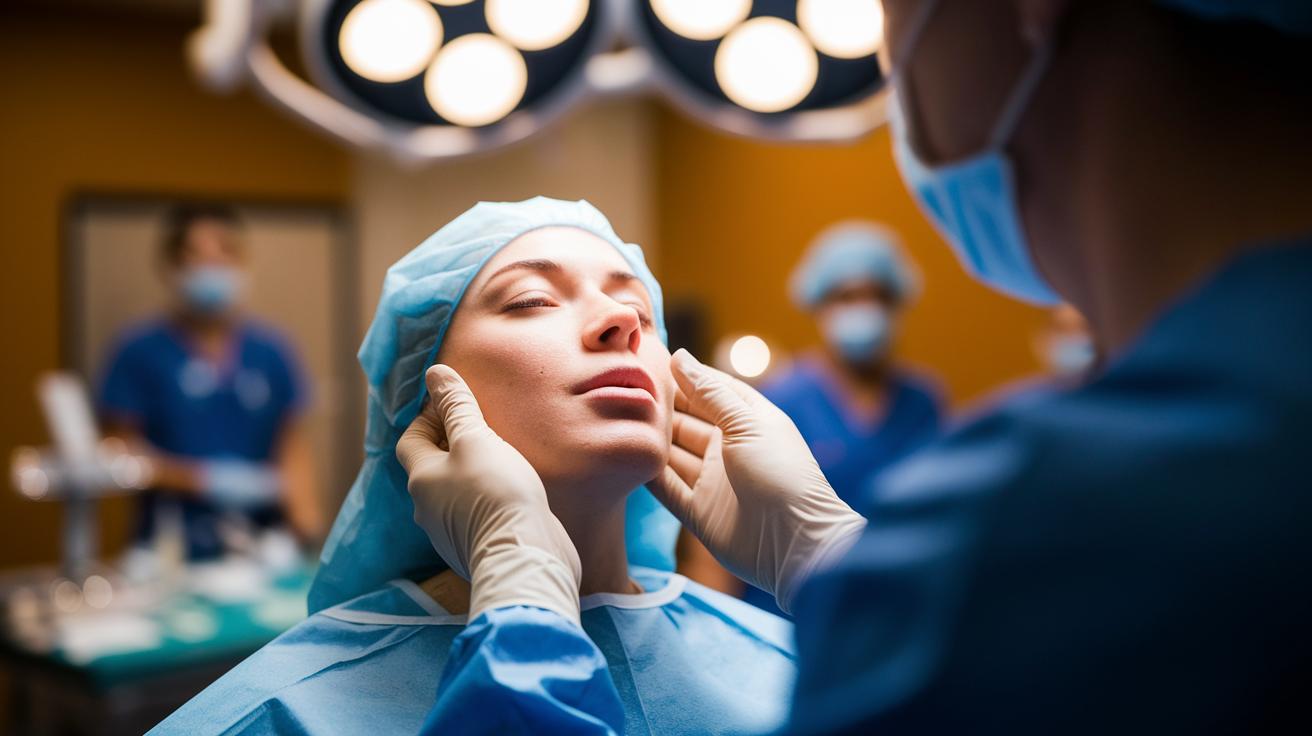
Facial reanimation surgery helps restore natural expressions by using special techniques tailored to your unique nerve and muscle needs. Each method is carefully chosen to match different kinds of paralysis so that you can enjoy a more expressive, natural smile.
-
Temporalis Tendon Transfer
In this procedure, a strong muscle near your temple is moved along with its tendon to lift your smile. Imagine using a spare key to unlock a door that’s been closed, this muscle steps in to help restore movement. -
Fascia Lata Graft
A small piece of tissue from your thigh is taken to support the structures around your mouth, much like adding a sturdy beam to a building. This graft gives essential support, keeping things stable and balanced. -
Gracilis Muscle Transplant (Free Flap)
Here, a tiny portion of the inner thigh muscle, along with its nerve and blood vessels, is transferred to the face. Picture replacing a worn-out gear in an intricate machine, which helps bring back strength and coordinated control. -
Cross-Facial Nerve Graft
With this technique, a healthy nerve from the non-paralyzed side is connected to the affected area. It’s like borrowing a neighbor’s light when your own room is dark, allowing signals to travel and reanimate movement. -
Masseteric Muscle Transfer
This method reroutes a branch of the chewing muscle to give immediate facial movement. Think of it as swapping out a faulty part with one that’s ready to go, quickly restoring function. -
Hypoglossal Nerve Transfer
In this delicate procedure, fibers from the nerve that controls the tongue are used to rewire facial muscles. It’s a bit like carefully rewiring a circuit to bring back the spark in areas that had been silent.
Every technique is chosen based on the type and extent of nerve damage, with a clear goal: to help you regain a natural, lively smile. Each approach is tailored to match your unique situation so that you get the best possible result.
Patient Selection: Eligibility and Pre-Surgical Evaluation for Facial Reanimation

Getting started means first having a thorough checkup. During your consultation, your surgeon uses easy-to-understand tests like MRI or CT scans. They also do an EMG, which measures how well your muscles react. It’s a bit like a routine checkup for your face, making sure everything is clear before moving ahead.
Your overall health matters, too. The doctor carefully looks at why your facial paralysis happened, maybe because of an injury, surgery to remove a tumor, or something you were born with. They also consider your age, general well-being, and any past surgeries. All of this helps them decide if this procedure is the right fit for you.
Once all the information is gathered, your surgeon creates a treatment plan just for you. They base the plan on what your nerves and muscles are doing today, along with what you hope to achieve. Think of it like drawing up a simple roadmap to better symmetry and a refreshed expression, with every decision made with you in mind.
Recovery Process: Timeline and Stages of Post-Operative Rehabilitation

After your facial reanimation procedure, your recovery plan acts as a simple roadmap to help you regain your natural expressions. Since many of these procedures are done on an outpatient basis, you can start caring for yourself right away. Right after surgery, it’s all about easing pain and looking after your incision. Then, within days to weeks, you’ll begin light physical therapy and neuromuscular retraining to guide your facial muscles back into action. Each step in this rehabilitation is designed to slowly bring back both movement and strength.
| Stage | Timeline | Key Milestones |
|---|---|---|
| Immediate Post-Op | 0–1 Week | Incision care, pain management |
| Early Recovery | 1–6 Weeks | Scar healing, start physical therapy |
| Intermediate Recovery | 6 Weeks–3 Months | Initial nerve signals, voluntary movement work |
| Late Recovery | 3–12 Months | Strength building, refining symmetry |
Regular follow-up therapy is an important part of your recovery. These appointments help your care team check on your progress, update your neuromuscular retraining, and add new exercises as your facial muscles start to respond. This ongoing support focuses on balancing your facial symmetry and keeping the gains you work so hard for. By sticking with your therapy schedule, you can ease any discomfort and slowly build up your smile and facial control, helping you feel more confident day by day.
Evaluating Outcomes: Risks, Benefits, and Success Metrics in Facial Reanimation

Facial reanimation surgery can bring a lot of positive changes. Many patients get back a natural smile, more balanced facial features, and improved control over their mouth. Imagine the joy of smiling freely again, it not only changes your look but can lift your spirits and help you feel more confident around others.
There are some risks to keep in mind, such as infection, issues where the donor tissue was taken, nerve injury, bruising, and changes in how things look overall. Surgeons take great care by planning every step and using precise methods so that any problems are fixed quickly. Think of it like having a safety buffer that catches little bumps before they become big issues.
Success is measured in more than just how things look. Doctors check with tools like symmetry scores and muscle tests (electromyography) and also listen carefully to how patients feel about the results. This mix of numbers and personal feedback helps paint a clear picture of how well the treatment restored movement and function. In the end, patients see better facial expressions that make everyday interactions more enjoyable.
Financial Factors: Cost Drivers and Insurance Considerations in Reanimation Surgery

When it comes to facial reanimation surgery, costs can be all over the map. Prices depend on how complex the procedure is, the surgeon’s expertise, and the fees for the facility including operating room time, anesthesia, and follow-up therapy. Every patient’s needs are different, which means the techniques required to help restore facial movement can change what you pay.
A surgeon with deep experience might charge a bit more because the procedure demands a high level of skill. And if the surgery is done at a state-of-the-art facility, the operating costs might be higher too. Think of it like building a precision machine: you want quality parts and expert craftsmanship for lasting, natural results.
Insurance may help cover some of these expenses if the surgery is needed following trauma or tumor removal. However, if you’re dealing with long-term or congenital paralysis, your coverage might not be as strong, which could mean more out-of-pocket costs. It’s a good idea to get a few estimates and review your insurance policy carefully.
Before starting, ask for clear details on surgeon fees, hospital costs, and any rehabilitation sessions. This helps you make a smart choice about investing in your smile.
facial reanimation surgery: Renew Your Smile
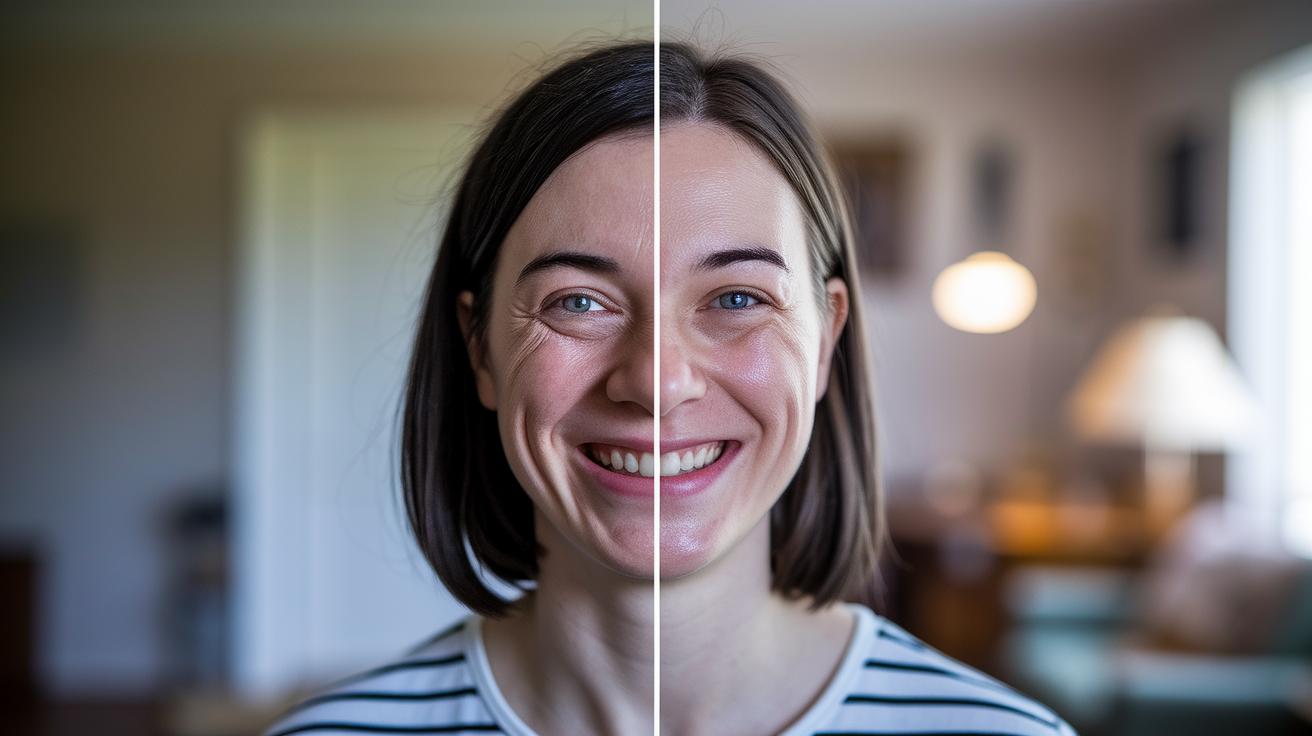
Before-and-after photos of facial reanimation surgery really show how a smile can be transformed. For instance, one 45-year-old patient with Bell’s palsy had a cross-facial nerve graft, a procedure that helps reconnect nerves, and was able to smile voluntarily again in just nine months. Imagine a series of pictures where a shy, hesitant expression slowly turns into a confident, warm smile. This case reminds us of how restoring healthy nerve signals can bring back natural facial movement.
Another patient, who lost movement due to tumor-related paralysis, received a gracilis muscle transplant, using a small muscle from the inner thigh to rebuild the smile. Over the course of a year, the surgery brought back a balanced and natural-looking smile. Think of it like comparing a faded sketch with a vibrant new portrait. Not only did the surgery improve the patient’s facial function, but it also made daily life more comfortable and enjoyable.
Patients speak highly of these results, sharing that they feel more confident and engage more easily with others. Their personal stories show that a renewed smile can boost both emotional well-being and everyday comfort. These real-life experiences offer clear examples of what to expect and how modern surgical techniques can truly revitalize one’s smile and overall quality of life.
Selecting a Treatment Center: Global Comparisons and Specialist Consultations
When choosing a treatment center, start by exploring international programs. Look at respected names like Mayo Clinic and Duke, as well as top centers in North America, Europe, and Australia. They may have slightly different methods, but a strong track record and seasoned surgeons often lead to better results. Some centers, for instance, have a history of pioneering nerve repair techniques, which can be a big plus when it comes to facial reanimation.
Popular programs not only feature modern technology but also share plenty of real patient results. They invest a lot in follow-up care and research to make sure every case is handled with care and expertise. Their global reputation is built on boosting facial function and creating balanced outcomes, which plays a key role in brightening up your smile.
When planning your consultations, it’s a smart idea to speak with multiple specialists and check out their published outcome data. Also, consider how easy it is for you to revisit the center for follow-up therapy. This careful planning gives you a full view of your options and helps you pick a center that truly meets your needs.
Final Words
In the action, we explored a range of topics, from restoring smile symmetry and understanding nerve and muscle transfers to evaluating risks and managing costs. We spotted how detailed checks and follow-up regimens can make a real difference.
The blog offers a clear look at facial reanimation surgery techniques that help restore facial movement and confidence. It’s all about making informed decisions while keeping safety and outcomes in focus. The future is bright for anyone looking to reclaim a dynamic, expressive smile.


