Have you ever noticed how some skin seems to glow even under the strong sun? Understanding your Fitzpatrick skin type can help you protect and enhance your natural glow. Think of this scale as a simple guide that shows how your skin reacts to the sun, you might say it’s like comparing a delicate porcelain piece to a tougher, everyday mug.
In this article, we’ll explore the six skin types, explain how UV rays affect your skin, and share easy tips to keep your skin radiant. Ready to learn how to enjoy the sun safely? Let’s dive in.
Fitzpatrick Skin Type Classification and Sun Sensitivity Overview
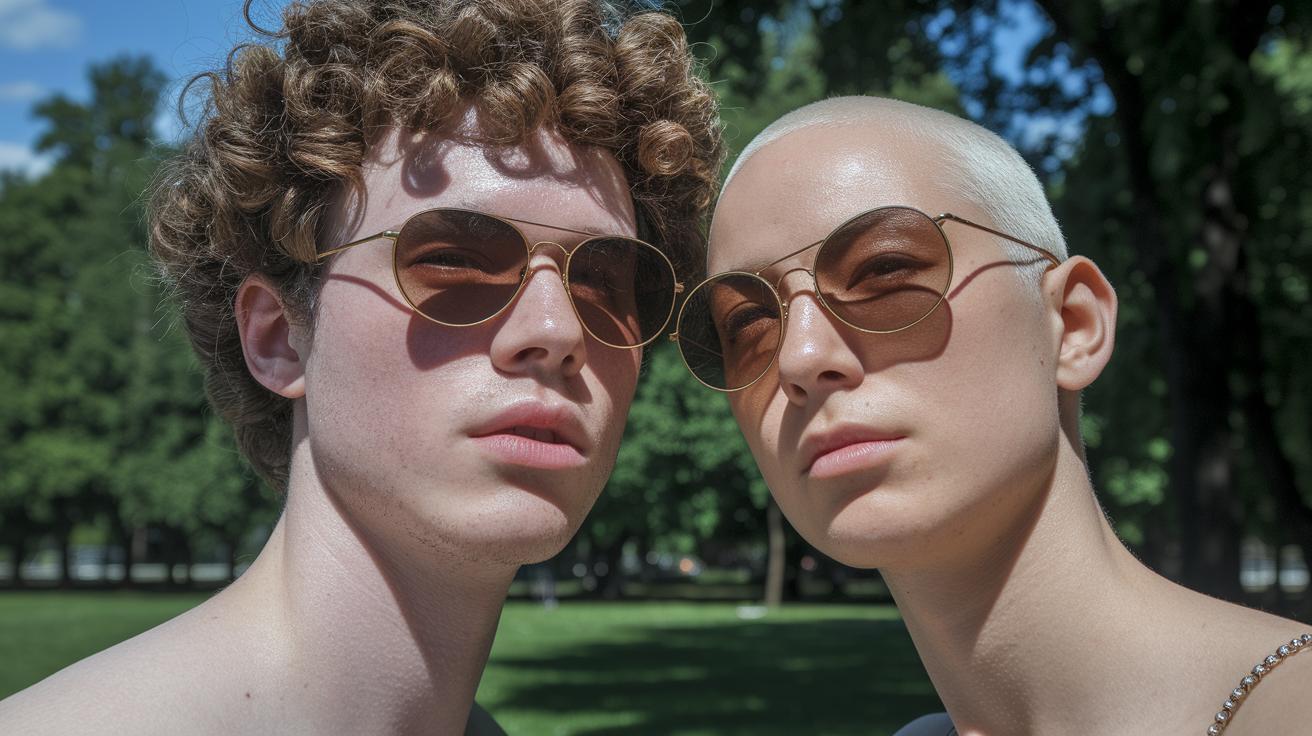
The Fitzpatrick Skin Type Scale is a handy guide that shows how your skin reacts to sunlight. It splits skin into six groups based on whether you tend to burn or tan when you’re exposed to UV rays. For example, people with Type I skin always burn and never tan. They usually have very fair skin with pink or ivory tones.
Type II skin burns easily and tans only with difficulty, so extra sun protection becomes important. Think of it like comparing delicate porcelain with a more robust ceramic. Did you know that even one day in the sun without protection can lead to unexpected skin damage if you have Type I skin?
With Type III, you might experience a slight burn at first, but then your skin gradually tans to a light beige or moderate brown. Type IV rarely burns and tans easily over time; its olive or light brown tone is naturally resilient. For Type V, burning is even rarer, and the skin develops a rich brown color under the sun. Finally, Type VI never burns and is deeply pigmented, ranging from dark brown to black, which offers extra natural defense against UV rays.
Understanding your skin type helps you predict how sensitive your skin is and guides you in picking the right sun-protective measures, like UPF-rated clothing and broad-spectrum sunscreen. This simple scale is a reliable reference for both personal care and professional advice, so you can enjoy the sun while keeping your skin safe.
Fitzpatrick Skin Type I–III: Key Characteristics and Visual Guide
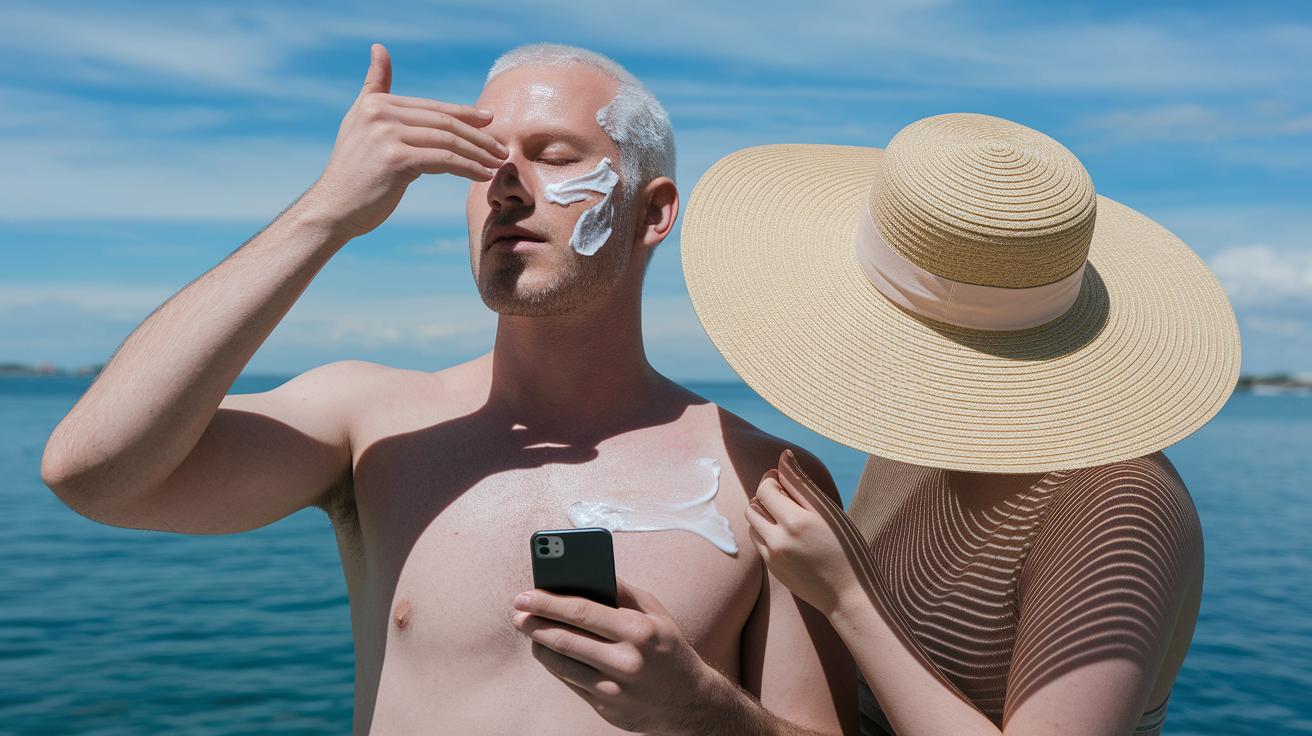
Let’s explore the main features of skin types I, II, and III and learn easy ways to protect your skin from the sun. Check out the table below for a simple quick look.
| Fitzpatrick Type | Key Characteristics |
|---|---|
| Type I | Always burns without tanning; very fair with hints of pink or ivory |
| Type II | Burns quickly and tans a little; fair skin |
| Type III | Might burn a little, but usually tans evenly into light beige or moderate brown |
Here are some sun safety tips for each type:
• For Type I: Use a high SPF sunscreen (50+). Try to stay out of the strong sun during peak hours. You might also want to use physical blockers like zinc oxide for extra care. Imagine it as a protective veil that shields your sensitive skin, just like a sturdy umbrella on a rainy day.
• For Type II: Using sunscreen with SPF 30-50 regularly is key. Adding a hat or UV-protective clothing can also help, especially to protect against environmental factors that speed up skin damage. Think of it as putting on an extra layer of defense, like securing your belongings before a blustery day.
• For Type III: Even though your tan appears more evenly, it’s still important to use sun protection to stop gradual damage. Adding antioxidant serums can help fight off free radicals caused by UV exposure. Picture your skin getting just the right amount of sunlight, similar to a well-tended garden that thrives with balanced care.
Fitzpatrick Skin Type IV–VI: Melanin Benefits and Cellular Protection
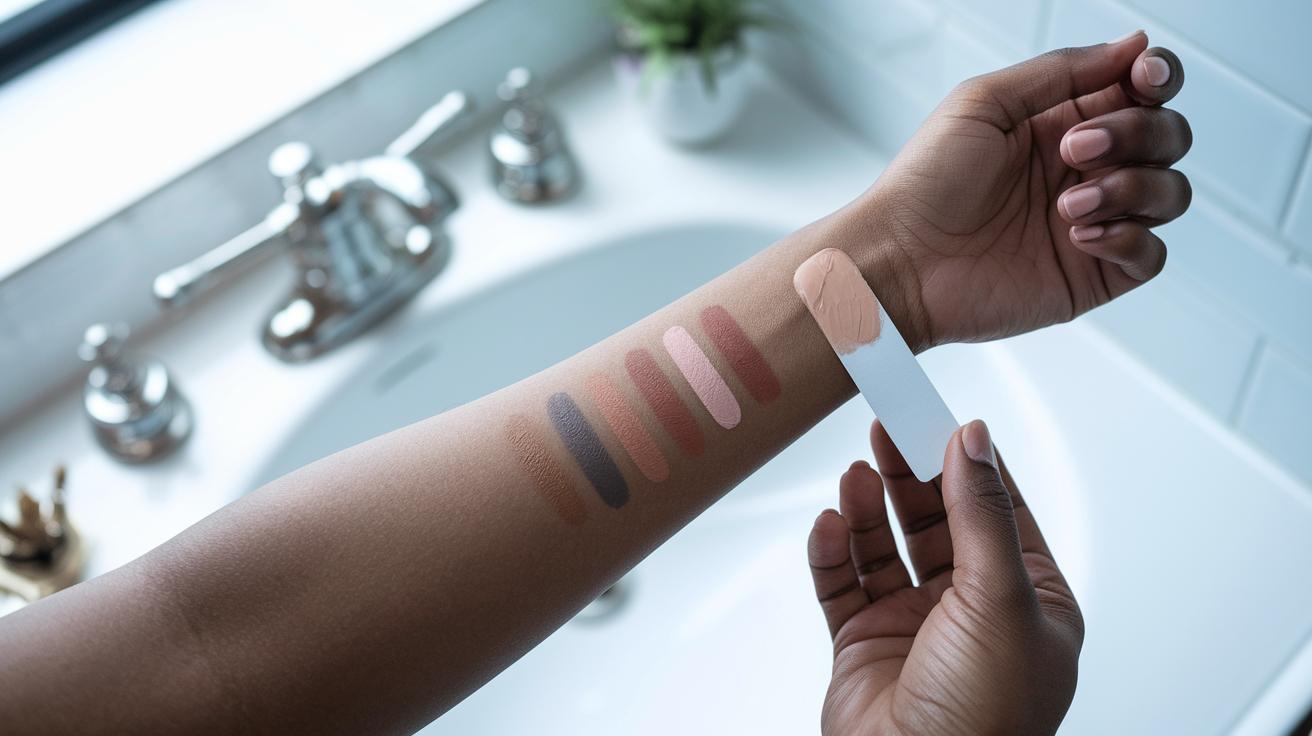
Skin type IV, with its warm olive to light brown hue, does more than just tan quickly and lower the risk of burns. Recent studies show that the melanin in these cells catches harmful UV rays, much like a quiet bodyguard repairing damage at a tiny scale. A helpful tip is to use a light moisturizer enriched with antioxidants to boost this natural defense.
For those with Type V skin, the rich brown tone comes with an added protective edge. Research confirms that the extra melanin absorbs UV light at the cellular level, reducing oxidative stress. Think of it like applying a protective varnish that not only enhances your skin's natural glow but also strengthens its structure. Experts recommend using nutrient-packed creams to further support this barrier.
Type VI skin, ranging from dark brown to black, benefits from a high concentration of melanin that acts like a strong fortress. This abundant melanin helps neutralize free radicals before they can harm your DNA. To keep these skin cells robust, try products that deeply hydrate and support melanin's natural protective role, ensuring your everyday defense stays strong.
How to Assess Your Fitzpatrick Skin Type with Self-Evaluation Tools
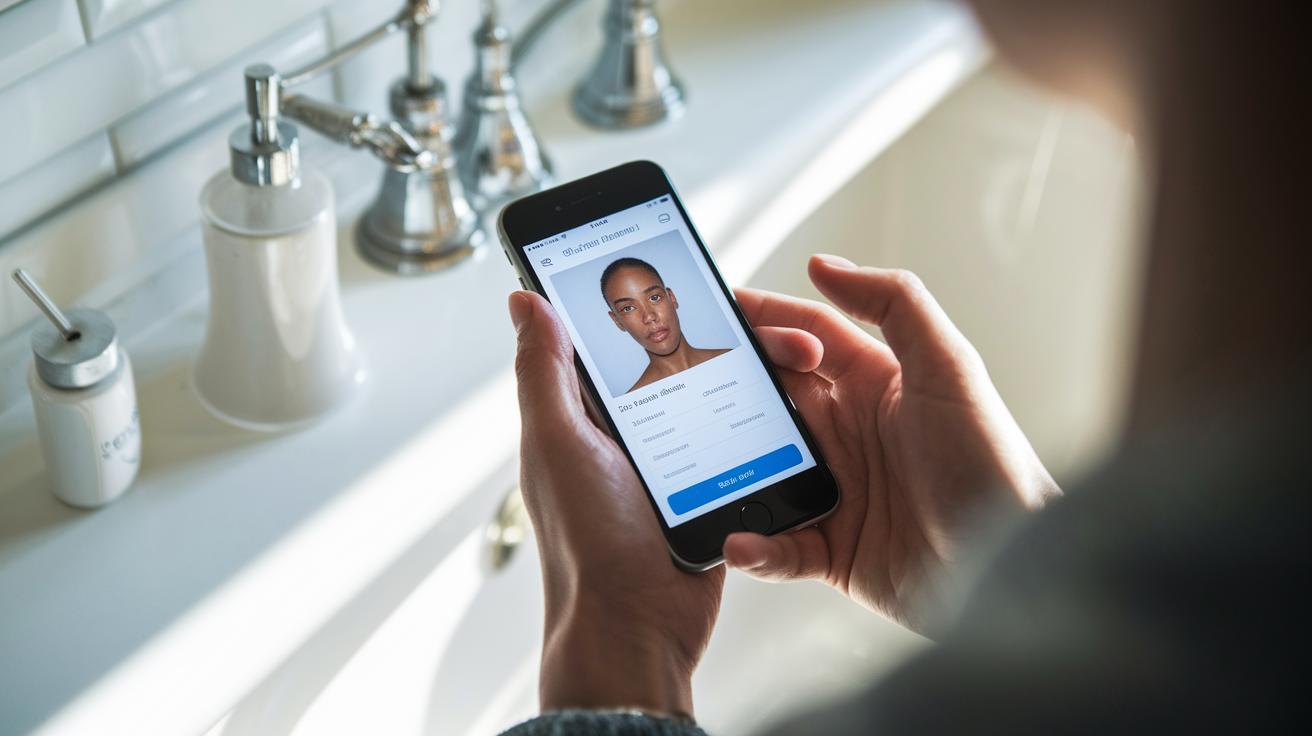
If you want to understand how your skin reacts to the sun, a quick self-check can do wonders. Many dermatology websites offer easy-to-use questionnaires or interactive quizzes that ask about things like your natural hair and eye color, how many freckles you have, and whether you burn or tan quickly. For example, a quiz might ask, "Does your skin burn easily on a sunny day?" This can really get you thinking about how even small differences in your skin’s response might hint at your overall skin type.
Sometimes, you might come across an online skin tone calculator that shows you several images and lets you pick the ones that match your natural complexion. These digital tools compare your skin's traits with standard profiles to simplify the evaluation process. There are even mobile apps that use UV data to give you instant feedback. As you go through these tools, take a moment to remember your past experiences, like if your freckles have become more noticeable over the summers or if you tend to cool down with just a little bit of sun.
Common questions you might see in these self-evaluation guides include:
- What is your natural hair color before any dye?
- Do you notice any changes in your skin tone during different seasons?
- How quickly does your skin turn red or brown when you’re out in the sun?
Using these simple steps helps you figure out your Fitzpatrick skin type more accurately. And with that knowledge, you can set up a sun protection plan that’s just right for you.
Fitzpatrick Skin Type Implications for Sun Protection and Cancer Risk
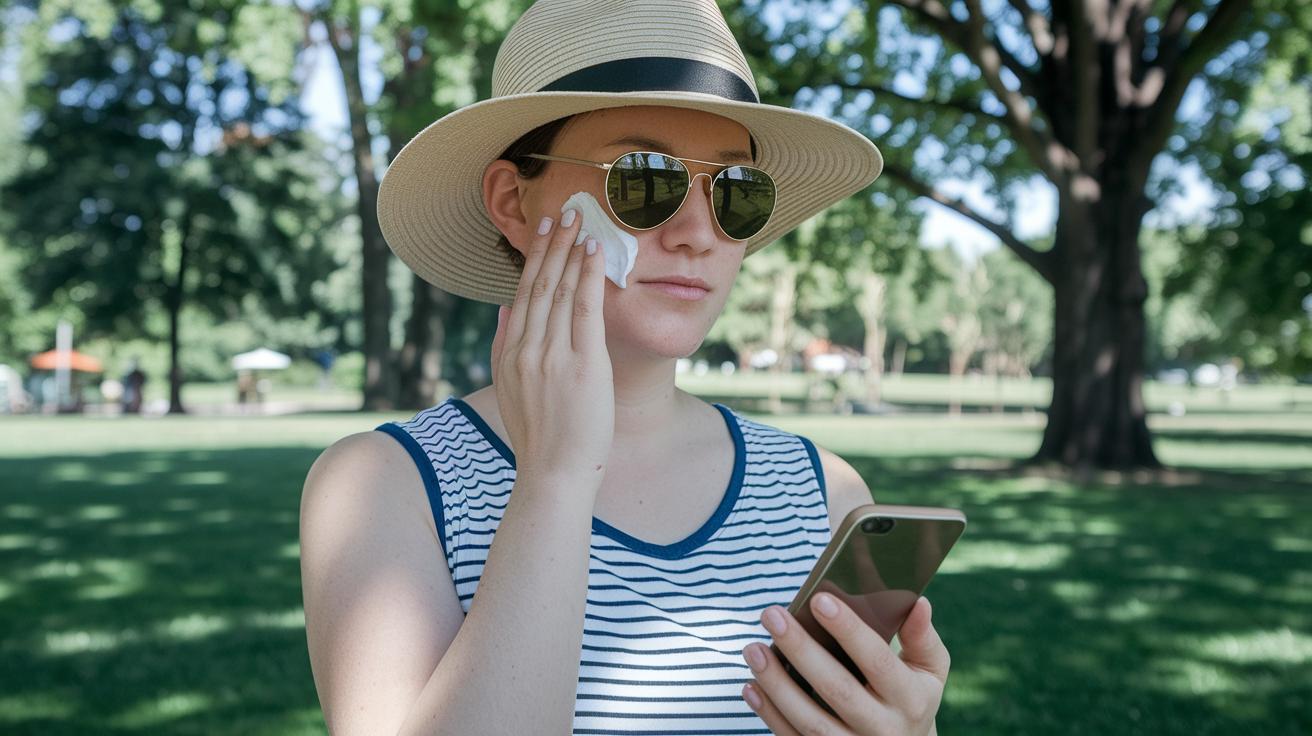
Knowing your Fitzpatrick skin type is a handy way to pick the right sun protection routine. Studies show that when you tailor your plan to your skin, you lower the risk of sunburn and keep your skin safer over time. Whether you burn fast or tan slowly, personalized tips help everyone fend off harmful UV rays.
These days, social-media influencers are sharing easy, everyday sun safety tips. They suggest using a high-SPF, broad-spectrum sunscreen every day along with clothing that has a UPF rating (this means the clothing is specially designed to block out UV rays). In fact, one survey found that 67% of social-media users started wearing UPF-rated clothes after a sun safety campaign. This simple choice even lessens how often you need to reapply your sunscreen.
A dermatological UV response chart still holds great importance. It shows that even if your skin is darker, daily protection is key. Wearing sunglasses, a wide-brimmed hat, or finding shade during the peak sun hours are small habits that current research and social media advice both back up.
Best practices include:
- Wear broad-spectrum sunscreen every day.
- Add clothing with a UPF rating to your daily wardrobe.
- Use accessories like hats and sunglasses when the sun is strongest.
- Keep an eye on your skin and note any changes.
Fitzpatrick Skin Type: Radiant Skin Awaits
Clinicians and researchers count on the Fitzpatrick scale to track how our skin responds to sunlight. It’s a handy tool for everyone involved in studies, helping them note how different skin types handle UV exposure during clinical trials. For example, a recent study might compare the skin of someone with Type II to that of someone with Type V, much like comparing notes in a simple science experiment.
There’s a lively conversation in the research community about this tool. Some experts feel the scale could get even better, especially when it comes to mixed populations. They’re exploring new ways to spot the subtle differences in how skin reacts to the sun, kind of like tweaking a trusted recipe for even better results.
These ongoing discussions are not only pushing for improvements in the scale but also giving us a clearer picture of how UV light interacts with all kinds of skin. Every study brings us a step closer to new, more precise ways to protect every unique complexion.
Final Words
In the action, we explored how the fitzpatrick skin type guides our understanding of sun sensitivity, tanning response, and skin cancer risk. We broke down the six phototypes, shared simple self-evaluation tools, and highlighted practical sun-protection measures.
The discussion also touched on how the scale supports clinical research and advances safe aesthetic practices. It’s all about helping you make informed decisions and feel confident about your cosmetic journey. Enjoy the positive path ahead.
FAQ
Q: How do I determine your Fitzpatrick skin type using a calculator or test?
A: A Fitzpatrick skin type calculator or test evaluates your burn and tan response, eye and hair color, and freckling to help classify your phototype and guide your sun-protection strategy.
Q: What does Fitzpatrick skin type 1 mean?
A: Fitzpatrick skin type 1 signifies very fair skin that always burns and never tans, often displaying pink or ivory undertones and a high sensitivity to sun exposure.
Q: What does Fitzpatrick skin type 2 mean?
A: Fitzpatrick skin type 2 describes fair skin that burns easily and tans minimally, typically featuring a light complexion with signs of freckling under intense sun exposure.
Q: What does Fitzpatrick skin type 3 mean?
A: Fitzpatrick skin type 3 indicates light beige to moderate brown skin that sometimes burns but tans uniformly, offering a balanced response to the sun’s rays.
Q: What does Fitzpatrick skin type 4 mean?
A: Fitzpatrick skin type 4 represents olive to light brown skin that rarely burns and tans easily, with increased melanin providing more built-in protection from UV exposure.
Q: What Fitzpatrick skin types are common among Indians and Mexicans?
A: Many Indians show characteristics of types III and IV, while Mexicans often range between types III and IV; individual variations exist due to diverse genetic backgrounds.
Q: What are the four types of skin tones?
A: The four common skin tone groups—fair, medium, olive, and dark—offer a simplified way to assess complexion differences, distinct from the more detailed six-category Fitzpatrick phototype scale.


