Have you ever wondered what beauty might look like in the future? AI is giving a fresh twist to cosmetic treatments in clinics, medspas, and cosmetic practices. It mixes real human care with smart digital tools to offer hair-raising, personalized care. Today, even your selfie can turn into a mini makeover right in your pocket. We’re exploring new trends that use advanced facial mapping and digital art tools to create an exciting, patient-friendly experience. The future is looking bright and refreshing for all of us.
future trends in aesthetic ai applications: Vibrant Future

AI is changing the way we handle cosmetic treatments and design. Today, aesthetic AI helps with things like scheduling appointments and analyzing facial features, while also creating treatment plans that fit each person. It’s a mix of human know-how and digital art that’s catching on in plastic surgery clinics, cosmetic practices, and medspas all over the world.
New ideas are showing us even more creative uses for AI. For instance, smart technology is now used in fashion to design prototypes and create personalized visual content. Imagine snapping a quick selfie and having it turn into a style guide for makeup and skincare. It's a bit like saying, "Before smartphones, people only had mirrors to check themselves out, and now AI gives you a full virtual makeover."
Here are some key trends shaping the future:
| Trend | Description |
|---|---|
| Enhanced Treatment Planning | AI uses detailed facial mapping and treatment history to recommend personalized cosmetic procedures. |
| Digital Art Transformation | New software turns design sketches into realistic virtual models, allowing you to see potential results. |
| Automated Aesthetic Adjustments | Algorithms fine-tune color balance, symmetry, and skin tone in images, pushing the limits of creative design. |
Looking ahead, we’re going to see even closer teamwork between doctors and digital tools. Advanced algorithms will support treatments that are tailored just for you and will also spark new forms of creative expression in art. These trends show us that AI isn’t just about making everyday tasks easier, it’s also about creating a better experience for patients while boosting creative innovation in many fields.
Emerging Technologies Driving the Evolution of Aesthetic AI
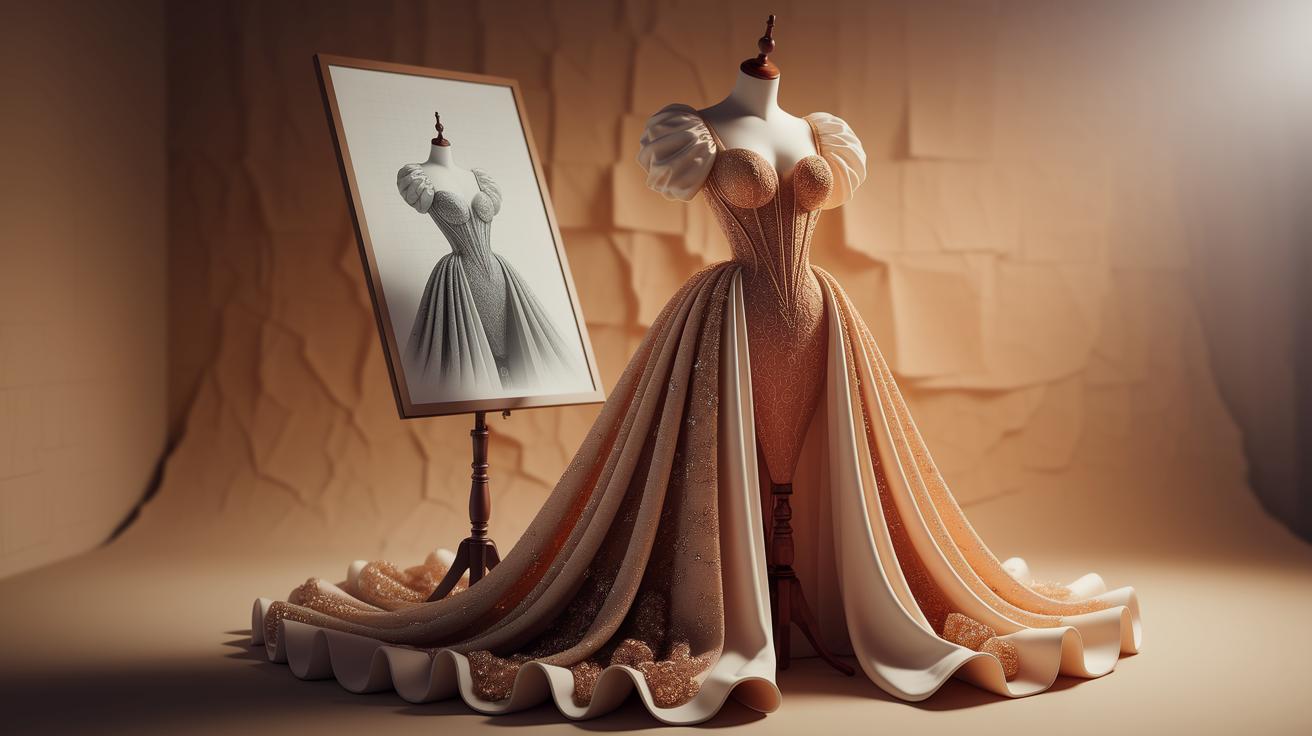
Traditional AI methods that once focused solely on facial analysis and treatment plans are stepping aside for new, creative generative frameworks. These systems use techniques like adversarial aesthetics, neural style transfer, and deep learning to transform digital art and cosmetic design. Think of it like watching a simple sketch blossom into a rich, detailed design, almost as if you're witnessing an artist bring a vision to life.
Generative Adversarial Networks in Aesthetic AI
Generative Adversarial Networks, or GANs, are leading this change. They work by having two neural networks compete against each other, one creates designs while the other perfects them. This friendly competition produces realistic textures, refined design drafts, and even digital fashion concepts. Imagine a rough sketch of a dress that slowly evolves into a detailed, lifelike fashion piece, much like a designer polishing an initial idea into a masterpiece.
Neural Style Transfer and Diffusion Models
Neural style transfer has come a long way since its early days. Nowadays, diffusion models help blend artistic styles with real photos. It’s like turning a family picture into a vibrant piece of art by mixing classic painting techniques with modern digital flair. This fresh approach opens up new creative possibilities for fashion lookbooks and digital art projects, giving artists a bigger, more colorful palette to work with.
Advanced Aesthetic Algorithms
Advanced aesthetic algorithms take care of details like color harmony, composition, and even 3D object creation. They work much like an experienced designer, fine-tuning every element to produce images that are both creative and precise. Think of them as a smart assistant that adjusts lighting, balance, and texture in real time. With this blend of artistic intuition and technology, we're set to see a new era of aesthetic innovation that meets both creative and clinical standards.
Industry Forecasts and Market Impact of Aesthetic AI Applications

The numbers are promising for aesthetic AI tools. Experts predict these applications will grow by about 20% each year from 2023 to 2030. Medspas and cosmetic clinics are using AI to schedule appointments, plan treatments, and improve patient care. Studies even show that clinics using AI have smoother patient flows and faster response times.
Big companies are showing real commitment, too. Many are setting up formal programs and even special AI divisions, like the one at 5 Howick Place in London SW1P 1WG. This dedication to digital change is paving the way for more clinics to adopt these tools.
One major boost comes from AI’s ability to analyze images and assist in design. Clinics are enjoying smart systems that provide personalized visual reviews during consultations, which makes the process more comfortable for everyone. Plus, automated design steps reduce mistakes and give professionals more time to focus on creative and clinical work. All of this is expected to drive further growth and open up new opportunities in digital art and cosmetic treatments.
Case Studies Illustrating Innovative Aesthetic AI Applications
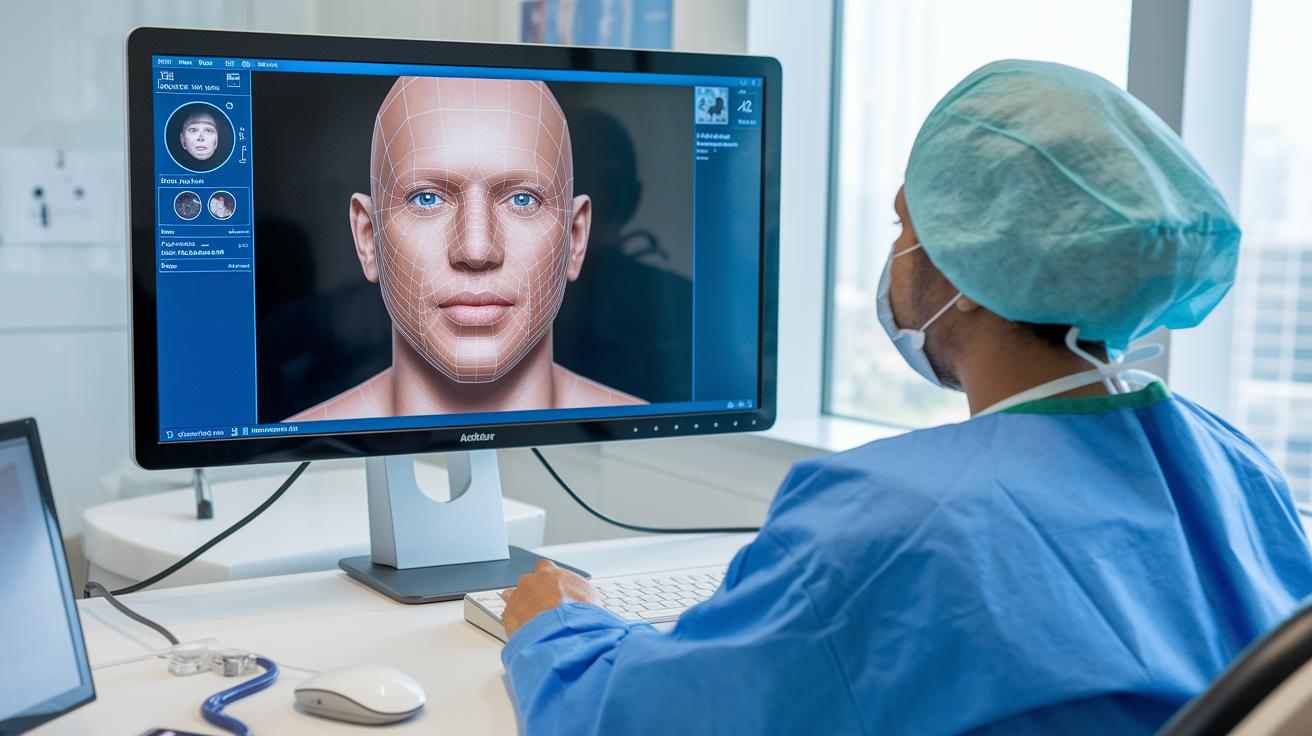
AI is quickly becoming a trusted tool in everyday clinic work. For example, one plastic surgeon working in both Beirut and Dubai uses smart facial-mapping tools to craft very precise treatment plans. With 3D facial mapping, doctors can show patients a preview of what a surgery might look like before it happens. Think of it like watching a movie trailer that gives you a hint of the full experience.
AI-Powered Facial Analysis in Cosmetic Surgery
Here, advanced technology works much like a friendly assistant in the clinic. The system studies key features of your face and builds a personalized treatment plan just for you. This process makes consultations smoother and helps doctors choose the best treatment options, which in turn builds patient trust.
AI-Driven Treatment Personalization in Medspas
In medspas, AI is doing much more than just managing appointment schedules. It also carefully reviews social media data to guide personalized skincare routines. The system sorts through customer details and sends tailored follow-up tips on Instagram or Facebook, almost as if the advice was written just for you. This thoughtful mix of technology and a personal touch makes operations more efficient and leaves patients feeling well cared for.
Ethical Considerations and Human Oversight in Aesthetic AI Applications

AI is taking over many tasks in aesthetic treatments, and it does so in a way that can feel almost like magic. At the same time, it raises serious questions about how we handle sensitive patient information. When a computer system reviews things like facial images for treatment planning, it needs to treat that data with the same care you would expect from someone in person.
Imagine a digital assistant carefully checking patient details. Now, picture a trusted professional stepping in to review each recommendation. This extra check helps make sure your privacy stays safe and your treatment follows the best practices.
Patients count on technology to boost their care without cutting corners on security. That’s why regulatory agencies are busy putting new rules in place. These guidelines not only help with making decisions in treatment plans but also protect your personal data. Think of it like a strong safety net that catches potential errors before they reach you.
It’s similar to an experienced technician double-checking every part of a complex treatment. That extra layer of human oversight ensures that when AI makes automated decisions, there’s always someone looking out for your wellbeing.
Many professionals see huge promise in these computerized tools for aesthetic treatments. Still, it’s all about finding the right mix of digital innovation and genuine human care. With ongoing tweaks to the rules, accountability and trust remain at the heart of every breakthrough in cosmetic treatments.
Strategies for Adopting and Integrating Future Aesthetic AI Tools

Start with clear, simple steps. In your clinic or studio, start small by training your team on how to use the new AI tools. Imagine a workshop where everyone gets hands-on practice with the latest design AI. Mixing short demos with practice helps everyone see how the system improves everyday tasks.
Next, choose platforms that take data security seriously. Look for systems with built-in safeguards that keep patient data safe and follow the rules. Think of these tools as a helpful assistant that streamlines tasks, from automated treatment planning to detailed design sketches, while protecting sensitive information.
Roll out the changes gradually. Instead of switching everything all at once, introduce AI solutions in stages. Begin with simple tasks like automating appointment scheduling, and later move to more creative and strategic applications. This step-by-step method lets your team adjust comfortably and tackles any bumps along the way.
Many successful clinics blend human expertise with smart AI-driven tools. They mix traditional skills with modern digital innovation to create a balanced workflow that boosts patient outcomes and makes operations smoother.
For further guidance, check out the resource "how ai enhances aesthetic treatment planning." It offers a clear roadmap for merging trusted practices with innovative technology solutions.
Preparing for the Next Generation of Aesthetic AI Innovations
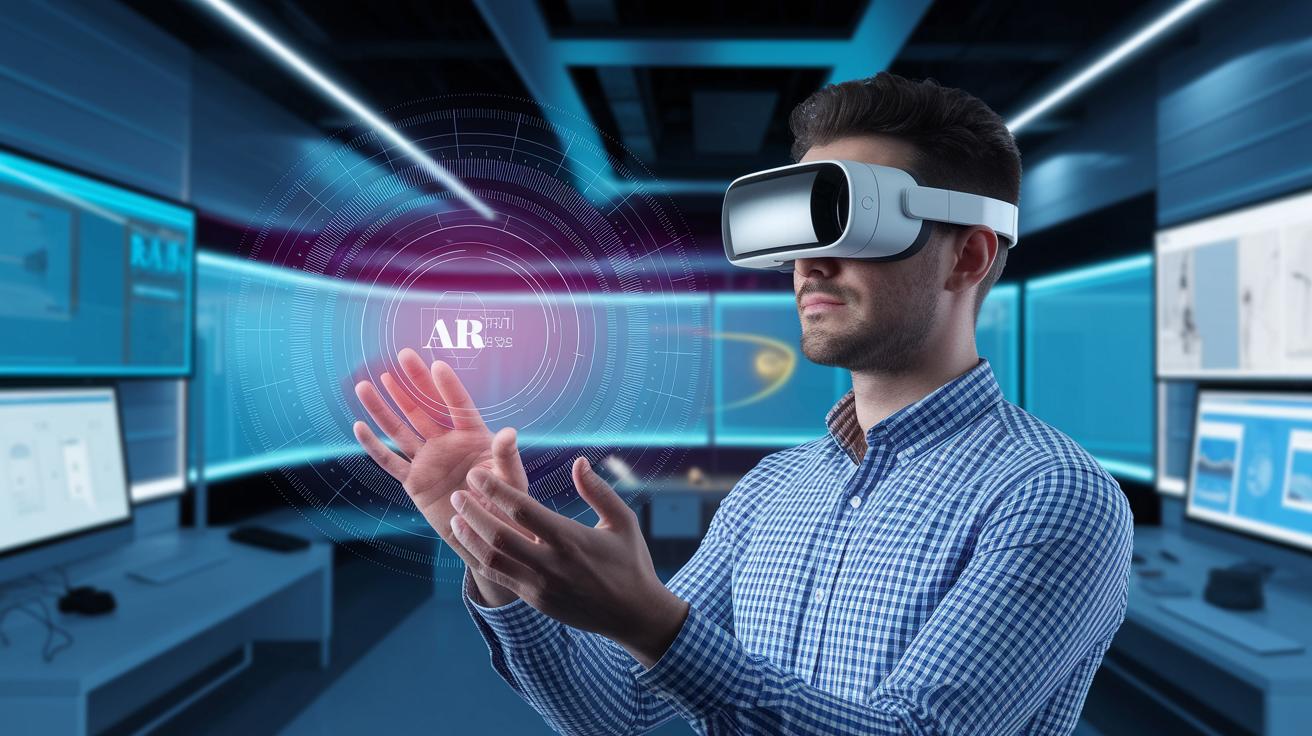
New tech is quickly reshaping how creativity and design work together. Thanks to AR and VR integration, you can step into a virtual studio that gives you a sneak peek of a treatment result or design mockup before anything happens. It’s like trying on a new look using a mirror that shows a lifelike image.
We’re also seeing a big leap in cognitive aesthetic computing. This innovative tool offers instant style ideas tailored to your unique features, almost like having your personal design consultant right there with you, adjusting the look as you explore different options.
Algorithm-powered aesthetics are taking interactive design to a whole new level. These smart systems let you change design details, like color balance, layout, and texture, on the spot during a virtual exhibition. Early tests in digital shows suggest a future where immersive, interactive canvases completely transform the creative process.
Fun fact: Some artists are already using interactive design stations that change artwork in real time, much like early explorers charting unknown territories.
Final Words
In the action, we explored how AI is reshaping cosmetic treatments. We reviewed everything from GANs creating lifelike visuals to automated patient care and ethical safeguards. Real-world examples highlighted improved outcomes and efficiency. We also touched on emerging tech like neural style transfer and advanced algorithms that blend artistry with precision. Keep an eye on future trends in aesthetic ai applications for innovative solutions that bring safety, creativity, and care together. Positive changes in technology are making informed, confident aesthetic decisions more accessible than ever.
FAQ
FAQ
How do resources like PPTs, GitHub projects, and updates from 2021-2022 reflect future trends in aesthetic AI applications?
Resources such as PPTs, GitHub projects, and recent updates from 2021-2022 indicate that future trends in aesthetic AI focus on automation, precision in design, and treatment personalization across cosmetic practices.
How is AI shaping the beauty industry, cosmetic dermatology, and beauty brands?
AI is shaping the beauty industry and cosmetic dermatology by streamlining processes like facial analysis and personalized care, while assisting beauty brands in creating data-driven experiences that connect with their customers effectively.
What is the next big thing in aesthetics and AI trends?
The next big thing in aesthetics involves the integration of advanced techniques like neural style transfer and diffusion models, which promise to transform design and create interactive, personalized treatments that improve patient outcomes.
What are some potential future applications of AI in aesthetics?
Potential future applications of AI in aesthetics include immersive AR/VR design previews, real-time style suggestions using cognitive computing, and automated systems for treatment planning that boost efficiency and enhance patient care.
What is the role of AI in aesthetics?
AI plays a key role in aesthetics by enhancing treatment planning, refining design processes, and providing personalized customer experiences, ultimately leading to more precise, efficient, and tailored cosmetic solutions.


