Have you ever thought about a smart machine planning your beauty treatments? AI is now helping to reshape cosmetic care in a way that feels both fast and friendly.
It handles many tasks quickly, like booking your appointments and carefully checking your skin with impressive accuracy. Picture it as a helpful guide that learns your habits and even gives you a sneak peek at potential results before you begin your treatment.
This blog shows how the latest technology makes your experience smoother and more precise, all while keeping your care front and center.
How AI is Transforming Aesthetic Medicine: A Comprehensive Overview

AI is truly reshaping aesthetic medicine by making the entire process smoother, from the first diagnosis to checking in after treatments. It handles patient chats via email, texts, or social media, ensuring you get timely appointment reminders and quick support. Think about it: not too long ago, you might have waited several days for a callback. Now, responses come almost instantly.
The onboarding process is simpler too. AI cuts down on lots of paperwork and shortens wait times. By looking at factors like genetics, lifestyle, and skin history, it tailors treatment suggestions so that each plan is just right for you. Imagine a tool that carefully examines your skin for fine lines, spots, and early signs of trouble with more than 90% accuracy, it's like having a vigilant assistant spotting every tiny detail.
Patients even get to see simulated outcomes for procedures like rhinoplasty or face-lifts before they decide. This helps set clear, realistic expectations and builds trust. Plus, advanced robotics, like the FDA-approved ARTAS system for hair transplants, bring an impressive level of precision, reducing errors and helping you bounce back faster.
Across the board, from booking appointments to handling bills, AI streamlines tasks so that medical staff can focus on what really matters: your care. It even customizes marketing messages to reach you in a more personal way. And when it comes to safety, AI double-checks things like allergy histories and treatment compatibility to flag any potential issues before you undergo a procedure.
Overall, these innovations show that while technology is at the forefront, a heart-centered approach remains just as important.
Personalized Treatment Planning with Machine Intelligence in Beauty Enhancement

AI is changing the way we tailor aesthetic treatments by looking at your genetics, everyday habits, and even real-time skin details like hydration, elasticity, and pigmentation. Think of it as assembling a puzzle, where every piece of information helps create a clearer picture of what your skin truly needs.
Machine learning takes the feedback from previous treatments to adjust plans that work to reduce fine lines, even out tone, and smoothen texture. And with natural language processing grabbing every detail of your consultation, your follow-up care is perfectly in tune with you. This means your treatment plan isn’t based on general trends, it’s made just for you.
AI looks at key factors when personalizing your care, such as:
- Genetic markers that help boost collagen production
- Lifestyle elements like sun exposure, diet, and sleep
- Your skin’s history along with past treatment outcomes
- Real-time readings for hydration and elasticity
- Your personal aesthetic goals and preferences
Every bit of this information is crucial for designing a treatment plan that fits you like a glove, leading to real improvements and a care experience that truly satisfies.
Digital Imaging for Skin Analysis: AI-Powered Diagnostic Tools
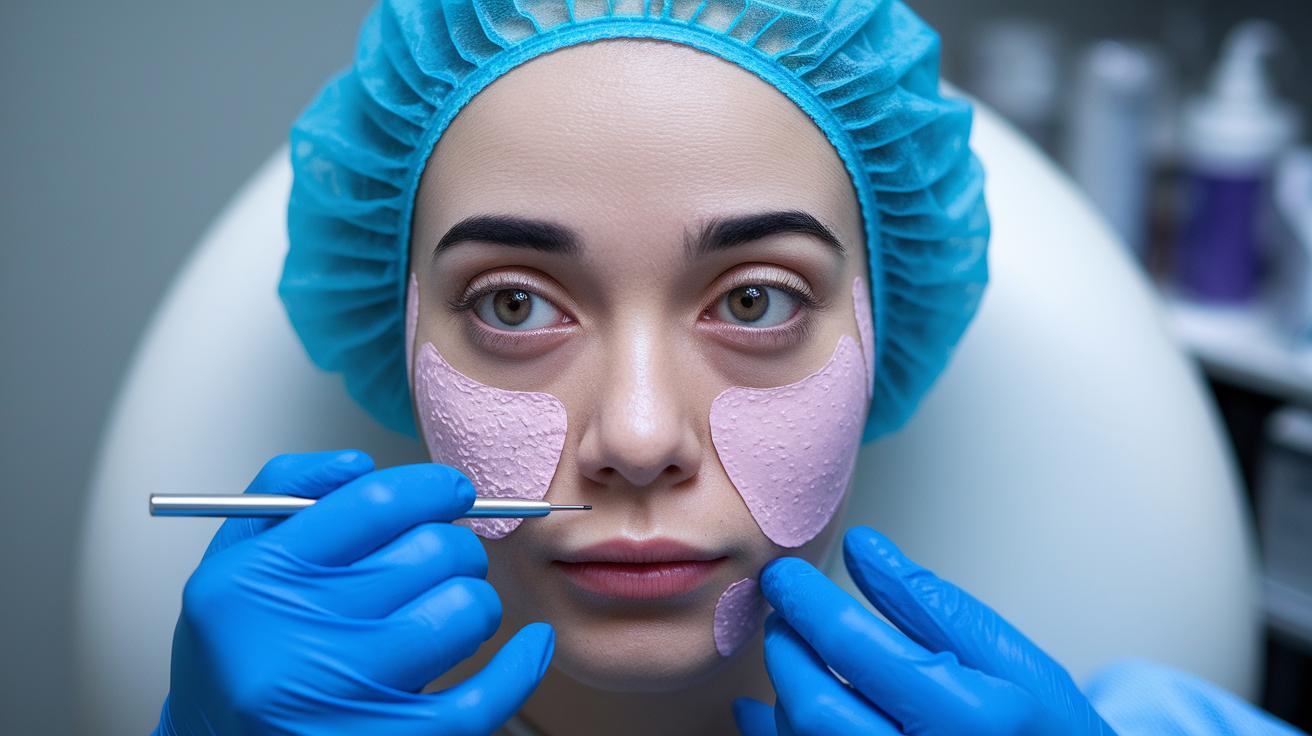
High-resolution AI imaging is changing how we look at skin. This smart technology spots early signs of aging and tiny skin problems that might normally hide. Deep learning algorithms check your scans against huge collections of images, reaching over 90% accuracy. Imagine a tool that catches even the smallest skin issues, much like a detective finding clues at a scene.
During a visit, doctors might use augmented reality overlays to give you a live look at your skin. This means you can see textures, spot color changes, and even plan facial contouring more clearly. Picture your doctor showing you potential improvements like an artist sketching the future of your portrait.
There’s also a breakthrough called virtual symmetry analysis. It creates a balanced view of your face to help surgeons plan for a more harmonious look. Patients can see a simulation of what to expect, much like a high-definition before-and-after image that outlines your potential transformation.
By blending advanced imaging with AI, early assessments become more accurate and detailed. This smart technology builds trust by showing clear signs and improvements even before treatment begins. It’s a bold step forward in how cosmetic care and skin analysis are done.
Robotics and Automated Workflows: Innovative Robotics in Plastic Surgery
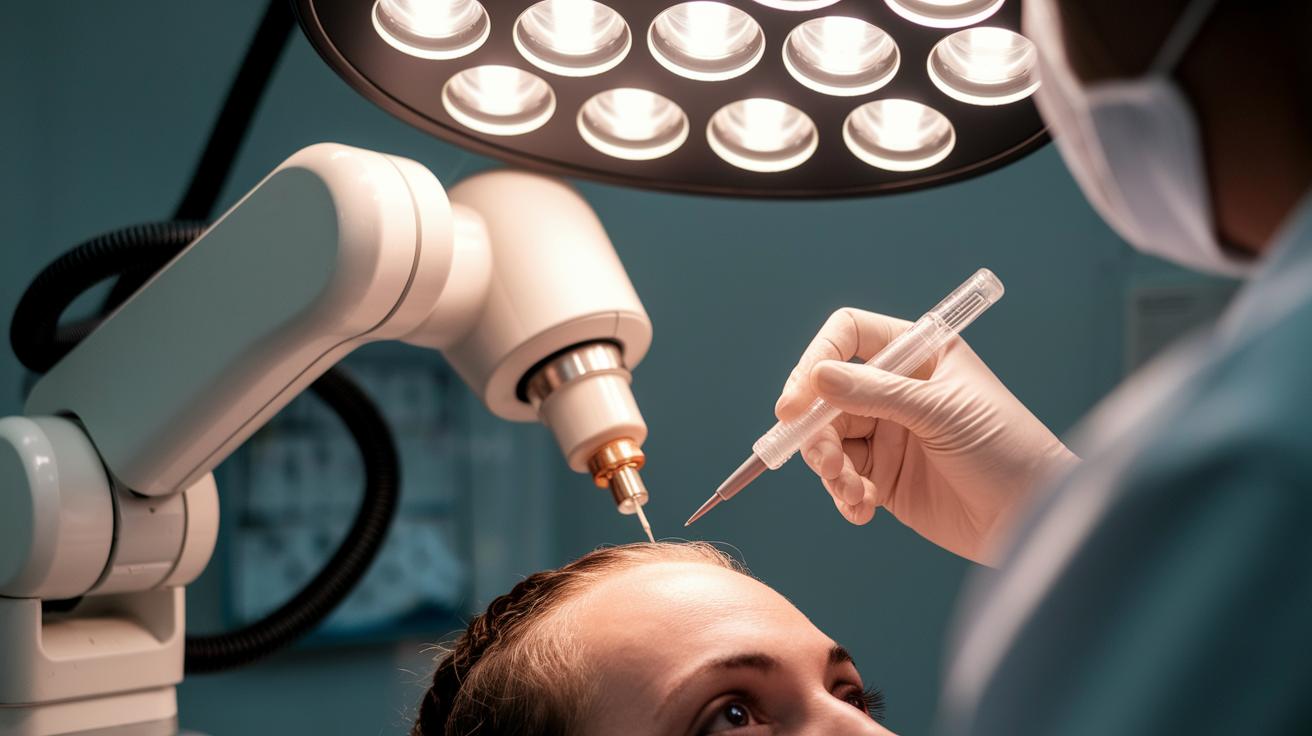
Artificial intelligence is sparking fresh possibilities in plastic surgery. Imagine the gentle precision of the ARTAS robotic arm carefully extracting and implanting hair follicles. This FDA-approved tool eases tissue trauma and cuts down procedure time, which means less discomfort and quicker recovery. It's like having a skilled technician working with the tiniest of instruments.
Robotic Hair Transplantation Systems
When you think of hair transplantation, picture the calm confidence of the ARTAS system. It extracts every follicle with high precision, placing each one perfectly. It’s almost like watching an artist delicately shape a masterpiece, which helps create a more natural look with less pain. Patients often notice the ease and speed as they quickly get back to their regular routines.
AI-Driven Clinic Workflow Automation
Automation is also changing the everyday experience at cosmetic clinics. Digital kiosks help speed up check-ins, and automated billing along with friendly chatbot assistants cut administrative tasks by about 30%. Imagine a smooth ride where every step of your visit is streamlined, making the whole process more convenient and enjoyable.
Predictive Analytics and Simulation Techniques for Cosmetic Outcomes

AI is changing how patients and doctors approach cosmetic procedures. It gathers data from past cases to predict results for treatments like facelifts, fillers, and contouring. Imagine seeing a realistic simulation of your new look before you even book an appointment. This smart, data-driven method helps you choose treatments that work best for your unique skin and healing process.
Virtual reality cosmetic consultations take things even further. In these sessions, you step into a 3D world where you can explore potential changes in a very interactive way. Learn how ai based simulation for aesthetic procedures is fine-tuning the consultation process with detailed digital imaging and dynamic modeling. This innovative approach not only shows you what might change but also lets your doctor craft a treatment plan tailored just for you.
Deep learning techniques make these simulations even more personal. They adjust the predictions based on factors like your skin tone, hydration levels, and how your healing might progress. This thoughtful blend of advanced tech and clear visuals builds trust and makes the steps ahead feel less daunting for everyone involved.
In the end, combining predictive models with realistic simulations gives you a clearer picture of what to expect. This integration helps both patients and clinicians make decisions together with confidence and clarity, ensuring a smoother journey towards achieving the look you desire.
Ethical and Regulatory Considerations in AI-Assisted Aesthetic Medicine

When we use AI in aesthetic medicine, keeping things ethical and following the rules is a big deal. Patient privacy is our top priority when systems check your personal data for the best treatment options. There’s also worry about bias in the way algorithms work, which can sometimes seem unfair. That’s why new rules demand careful testing and solid clinical standards, so safety always comes first. These clear policies build trust and protect every patient along the way.
Clinician oversight is key here. Doctors and other registered professionals always check the decisions made by AI to manage risks and add a human touch. They follow policy guidelines that focus on both safety and fairness in using AI for aesthetic treatments. By strictly managing patient data and watching for any bias, we can provide better care. This balance between speed and ethical care helps everyone feel secure in a world that’s quickly embracing digital health solutions. Open conversations and regular reviews ensure that AI remains a trusted partner in patient care.
Emerging Trends and Innovations in AI for Aesthetic Medicine

Adaptive learning algorithms are catching on because they adjust treatment steps in real time. Think of it like a tool that tweaks your care plan as fresh data pops in, like an artist making little adjustments to a painting as details appear.
And then there’s augmented reality, which is blending into your in-clinic visits. This tech creates an interactive view that lets you see what potential enhancements might look like on you. Imagine stepping into a room where digital images overlay your reflection, offering a preview before any procedure starts.
AI-driven regenerative therapies are also turning heads. They boost collagen production to keep your skin firm and youthful, sort of like a team giving your skin a tune-up. Plus, outcome analytics are coming into play by predicting long-term satisfaction and treatment success, so every step is measured and improved.
Looking ahead to 2024 and beyond, deep neural networks will fine-tune facial treatments even more. Soon, minimally invasive, AI-guided procedures will deliver precise and streamlined solutions, ushering in a new era in cosmetic care.
Final Words
In the action, we explored how artificial intelligence is reshaping cosmetic care. The discussion covered smart diagnostics, personalized treatment planning, and state-of-the-art image analysis to guide procedures. Robotics and automated workflows further refine clinical efficiency, while predictive simulations enhance patient understanding. We also touched on ethical standards and emerging breakthroughs that balance safety with innovation. How ai is transforming aesthetic medicine promises a future of smarter, safer treatments and a more tailored patient experience.
FAQ
How is AI transforming aesthetic medicine?
AI is streamlining aesthetic medicine by automating communication, refining diagnostics, and guiding procedures. It uses data to customize treatments, integrating robotics and smart workflows to improve outcomes and reduce wait times.
How can AI be used for personalized treatment planning in cosmetic procedures?
AI personalizes treatment planning by analyzing genetics, lifestyle, and skin data. It translates real-time metrics into tailored recommendations for wrinkle reduction and skin tone improvements that meet individual patient goals.
What role does digital imaging play in skin analysis?
AI-powered digital imaging detects early skin changes with high-resolution scans. It compares patient images to extensive data sets, boosting diagnostic accuracy and helping patients understand their skin health better.
What benefits do robotics bring to cosmetic procedures?
Robotics, like the ARTAS system, bring precision to procedures such as hair transplantation. They reduce tissue trauma and procedure times, paving the way for faster recovery and enhanced patient satisfaction.
How do predictive analytics enhance cosmetic outcomes and patient decision-making?
Predictive analytics use historical data to forecast treatment results. These simulations help patients visualize expected changes and guide clinicians in designing more effective, personalized cosmetic procedures.
What ethical considerations exist in AI-assisted aesthetic procedures?
Ethical considerations include safeguarding patient data and monitoring algorithm bias. Ongoing regulatory updates and clinician oversight are key to maintaining trust, safety, and transparency in aesthetic treatments.
What emerging trends in AI are shaping the future of aesthetic medicine?
Emerging trends include adaptive learning models, augmented reality consultations, and AI-driven regenerative therapies. These innovations promise more precise, personalized procedures and set the stage for next-generation cosmetic care.


