Have you ever thought that little changes in care could lead to big improvements for patients? Sometimes, just talking things through in simple language and following trusted steps can boost both results and comfort. When clinicians break down information into everyday words and use modern tools, everyone feels more informed and cared for. In this article, we look at six practical ways to enhance care quality and patient satisfaction, showing that even small tweaks can make a big difference in overall well-being.
Key Strategies for Improving Patient Outcomes

Health professionals can put a few core methods to work right away that not only boost clinical results but also help patients feel better about their care. For example, a clinician might say, "Let's break down your treatment step by step," which makes patients feel informed and comfortable.
There are six main strategies:
- Communication: Chatting openly and regularly with patients builds trust and ensures everyone knows what to expect.
- Evidence-based care: Following trusted guidelines (like those set for oncology) means treatments are spot on and effective.
- Preventive services: Early action with routine screenings can catch issues before they worsen, often cutting down on hospital readmissions.
- Inpatient safety: Keeping a close eye on vital signs and using solid infection control practices helps ward off complications.
- Technology use: Tools like electronic health records and real-time monitoring streamline decision-making.
- Data analytics: Using apps or surveys to tap into patient feedback offers insights that help tailor care plans just right.
There are also extra ways to further improve outcomes. Making the patient intake process smoother helps transition from the first consultation to a proper diagnosis. Creating a better work environment for clinicians not only raises productivity but also boosts job satisfaction, which in turn reduces errors in diagnosis. Being clear about quality, price, and outcome metrics adds transparency and sets a high standard for care. Utilizing advanced diagnostic tools in treatment planning sharpens the focus on what the patient really needs. Connected care models, where care teams communicate seamlessly through mobile devices, ensure everyone stays in sync. And finally, ongoing post-discharge follow-ups help keep patients engaged and on track with their treatment plans.
These strategies work together to enhance patient care, making sure that every clinical setting can continuously improve the quality of treatment.
Measuring Patient Outcomes in Clinical Practice
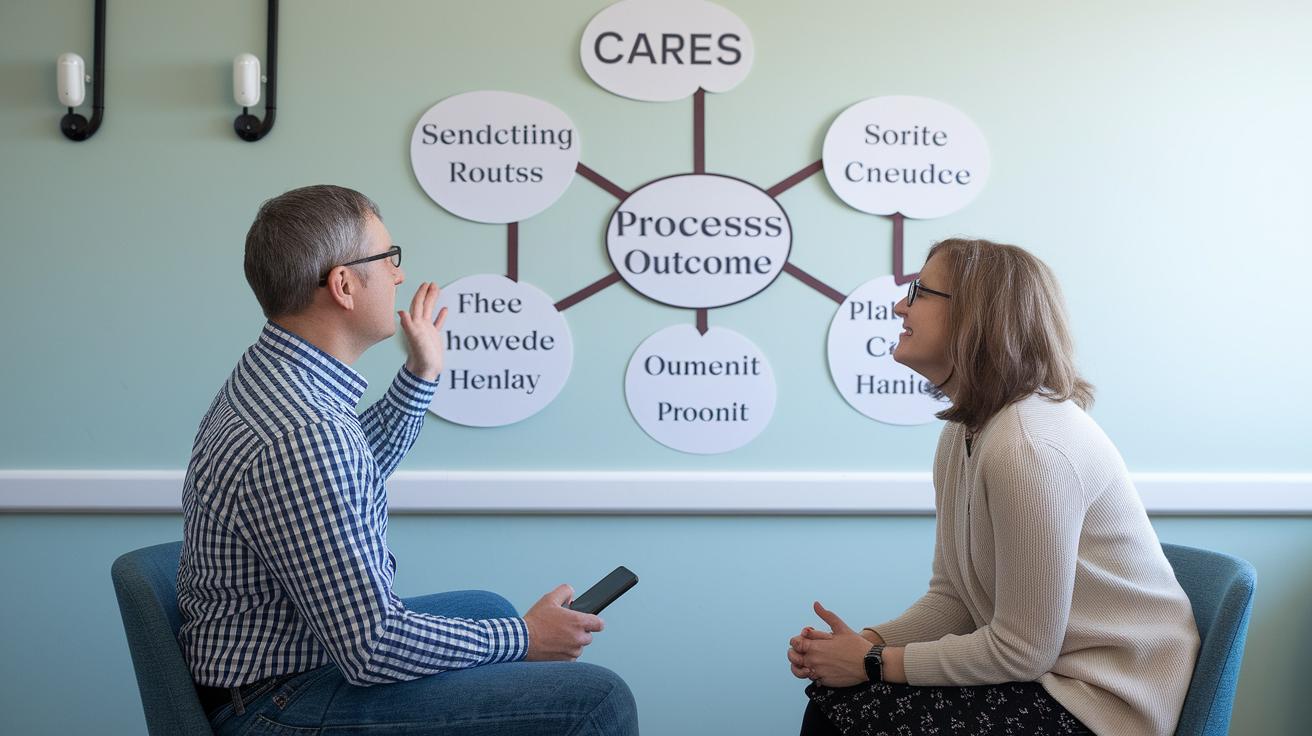
In clinical practice, measuring care starts with three key building blocks: structure, process, and outcome measures. We look at the care setting, check the staff and equipment, and see if the facility meets quality standards. Then, we follow the steps taken during each treatment and make sure they line up with established guidelines. Finally, we capture the results, like fewer symptoms, shorter hospital stays, or a boost in life quality.
Patients play a big part in this process too. Many clinics now use self-report apps, simple questionnaires, and patient portals to gather real-time feedback. This firsthand input helps guide changes that match each patient’s needs. For example, HCAHPS scores survey how patients felt about their hospital stay, giving us consistent data on satisfaction and safety. We also look at standard indicators like re-admission rates to round out our picture of quality care.
By using these measurements, healthcare teams can see what’s working well and where improvements are needed. They adjust their methods to offer care that is both effective and based on the best evidence, so each patient gets a treatment plan designed just for them.
Evidence-Based Practice to Enhance Patient Outcomes

Relying on research-backed methods really boosts the quality of care. When care teams follow specific guidelines, like detailed cancer treatment plans, they work with more confidence and less guesswork. Advanced tools such as high-resolution imaging and real-time monitoring add an extra layer of clarity. Picture the gentle buzz of an imaging device confirming a clear view of the treatment area, this builds trust for both you and your provider.
Using proven protocols helps create personalized treatment plans and keeps practice variations to a minimum. Think of it like following a simple roadmap from diagnosis to recovery, each step fitting together like pieces of a puzzle. These techniques not only cut down on mistakes but also lower unnecessary risks, blending both the art and science of medicine into a process that feels reliable and easy to understand.
When doctors stick to these best practices, they know each decision is backed by solid data. This approach leads to treatments that pinpoint problems just right and improve overall results, strengthening the bond between patient and provider. For example, one study found that keeping to standard care guidelines reduced complications by 30%. That kind of evidence truly reignites the passion for evidence-based care.
Interprofessional Collaboration for Improved Patient Outcomes
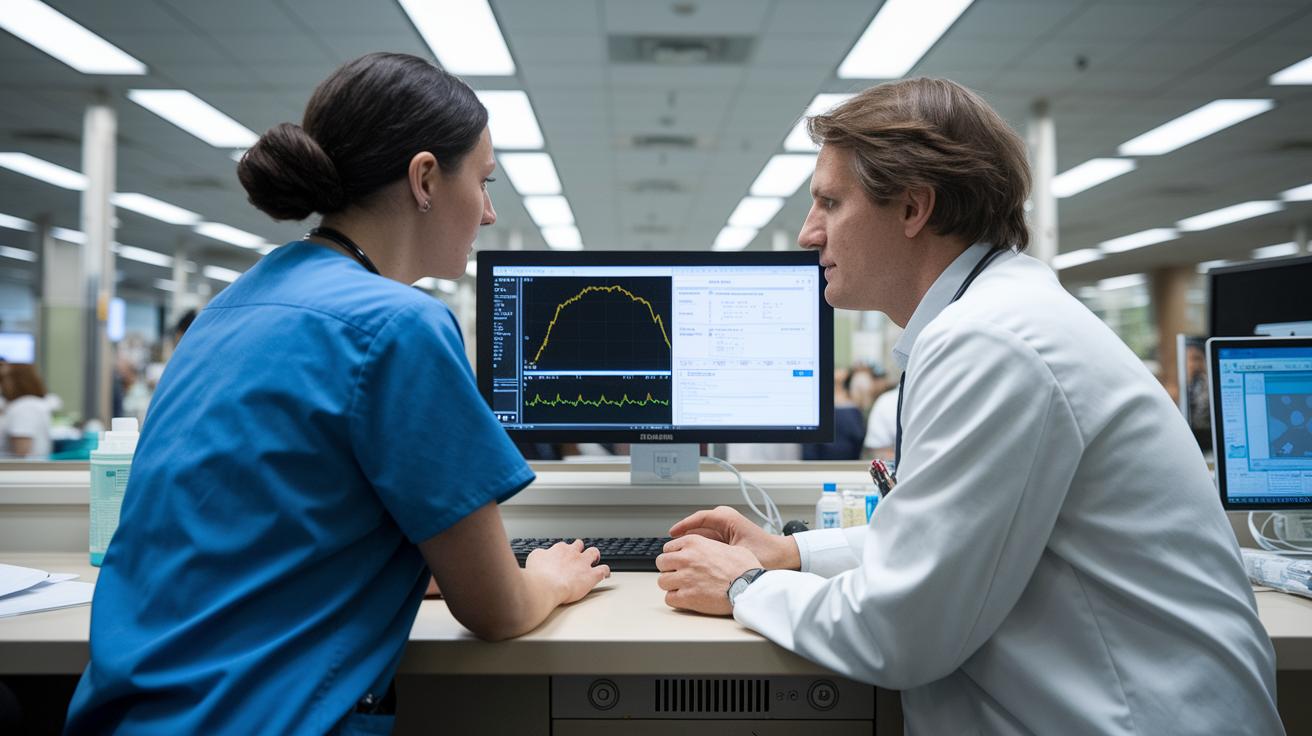
Working as a team really makes a difference in healthcare. When our experts work together, checking patients in smoothly and making quick decisions, it speeds up diagnosis and cuts down on costs. Everyone, from nurses to doctors, gets to focus on what they do best, which means a better treatment plan for patients. One triage nurse even said, "When I quickly collect the right information, it makes things easier for the whole team."
Letting each clinician do their part is key to good care. When professionals trust each other and share details on time, the quality of care goes up. A doctor shared, "I count on my team to keep me updated, so I can fine-tune each treatment plan." Sharing clear and accurate information helps each team member make the best decisions for patients.
Modern tech also plays a big role in this teamwork. New mobile apps help nurses, pharmacists, and other health experts update patient information in real time. This means everyone stays on the same page and can adjust care as needed. It’s like having a smooth conversation where every update counts, making sure patients get the best treatment possible.
Applying Quality Improvement Methodologies to Improve Patient Outcomes

Quality improvement methods can really change how patients are cared for. Hospital teams often use small tests called PDSA cycles (Plan-Do-Study-Act) to see if a new idea works before using it everywhere. One unit shared, "We started with a tiny change, just rearranging supplies to speed up emergency responses, and soon saw a 15% improvement in response time!" This kind of hands-on testing helps find the best ways to cut down on wait times and even prevent falls.
Another helpful tool is lean process mapping. This means drawing out every step of how care is given, kind of like sketching a map of your neighborhood to find the quickest route in an emergency. By looking at each step, staff can easily spot where delays or wasted efforts may be happening, uncovering hidden inefficiencies along the way.
Six Sigma analytics also makes a big impact by helping to control infection rates. These data-driven techniques focus on keeping processes consistent. By using solid statistics, teams set clear standards that lead to real improvements, both in saving money and in boosting patient care.
| Methodology | Focus |
|---|---|
| PDSA Cycles | Testing ideas on a small scale to reduce wait times |
| Lean Process Mapping | Mapping out steps to streamline work and cut waste |
| Six Sigma Analytics | Using data to control infections and keep processes smooth |
Across hospitals, specialty services, and community health centers, an evidence-based patient activation strategy ties these standards to both financial and clinical results. In simple terms, it builds a strong system focused on continuous, patient-centered care improvements.
Clinician Training and Workflow Enhancements for Better Patient Outcomes

Investing in ongoing education and practical training can really change patient care. When clinicians use tools like VR simulation modules, which let nurses practice handling emergencies in a realistic setting, or hands-on wound care workshops, they gain true confidence. One clinician shared, "I experienced a VR module that felt just like a real emergency, and it really boosted my confidence." Regular certification reviews and clear assessments keep the whole team aligned with their care duties.
Streamlining workflows is just as key. Hospitals now use simple compliance tools for mandatory training along with competency management systems to standardize practices across departments. In obstetrics, onboarding programs help new staff settle into specialized roles quickly, reducing delays and mistakes. By combining these training methods with efficient workflows, hospitals ensure that every patient gets care from a skilled, confident team.
Supporting evidence from industry reports backs up these ideas. For example, the 2023 DSP Survey Report insights from 763 direct support professionals and the 2024 Behavioral Health Crisis Management Training Report with feedback from nearly 9,000 providers both highlight the benefits of focused workforce development.
Investing in these care improvement techniques strengthens the role of nurses by aligning care with performance measurement systems. This approach results in measurable improvements in care quality across many settings, ensuring that each patient benefits from a team that is well-prepared and responsive to their needs.
Digital Health Innovations Improving Patient Outcomes

Imagine chatting live with your doctor from anywhere, thanks to secure telemedicine tools that bring expert care right to your screen. In these live video sessions, you can feel more at ease while your important health stats are checked from afar. It’s not just about convenience, these systems give doctors real-time information so they can adjust your treatment on the spot.
Electronic health records make a huge difference too. Picture a doctor quickly looking over your health history on a digital screen that updates instantly, even during your visit. This clear view helps speed up decisions and makes sure everyone on your care team is on the same page.
Remote patient monitoring is really stepping up the game with smart devices and apps. Wearable gadgets can keep track of things like your heart rate, blood pressure, and blood sugar levels while sending that data securely to your doctor right away. Many patients appreciate knowing their doctor can keep an eye on their progress anytime, helping catch issues early before they become serious.
New digital health tools also make early diagnosis easier. For instance, on February 4, 2025, a self-triage tool was launched in the U.S. that helps people check their symptoms at home before booking a visit. Later, on June 22, 2025, a report showed how AI-powered systems can help doctors spot problems much earlier.
All these technologies work together to create a steady flow of useful health information. By moving care out of traditional settings and into a connected, modern space, they help lift the quality of care to a whole new level.
Case Studies Demonstrating Improvement in Patient Outcomes

At PAM Health, focused training and smart performance tools made a real difference in how patients feel about their care. They boosted HCAHPS scores by 20% and cut HRRP penalties by 10%. One clinician said, "Using our performance tools felt like fine-tuning every aspect of patient care, and the results speak for themselves." It’s clear that when you invest in better training, patients not only feel more confident but the numbers back it up too.
At CSIG, innovative care steps slashed readmission rates by 25%. They improved the way clinicians talked with each other and set up steady patient follow-ups, ensuring regular check-ins after discharge. Imagine a system where every patient feels like the top priority, this approach helped CSIG move toward fewer complications and smoother recoveries.
Technology also played a big role. AI self-triage systems and remote monitoring helped streamline appointments while expanding service reach and quality. One patient noted, "The remote check-ins made me feel secure even when I couldn’t be in the hospital." These examples show that when you mix proper training with effective technology and dedicated follow-up care, patients truly experience better outcomes.
Patient Education and Engagement Strategies for Better Patient Outcomes

Keeping in touch with patients is so important. It helps them feel empowered and safe. Doctors and nurses often set up friendly phone calls or send emails to remind you about the next steps in your care. For example, a nurse might say, "I'll call next week to check how you're feeling and answer any questions," so you really know help is always nearby.
Learning to take care of yourself is another big part of feeling confident about your health. Many clinics offer simple classes where you can learn how to manage daily tasks like caring for a wound or keeping your blood sugar in check. Think of these sessions as interactive group chats where everyone shares useful tips. And here's an interesting fact: studies show that patients who take an active role in managing their care are 40% more likely to stick to their treatment plans.
Digital tools can make your life easier too. Online portals let you see reminders for your appointments, update your progress, and quickly get in touch with your healthcare team. Imagine logging in and seeing your treatment calendar updated right away or using a mobile app to share how you're doing. It's like having a personal health assistant at your fingertips.
When you understand your health and work together with your doctor on treatment decisions, you’re more likely to stick with the plan. Clear explanations and shared choices can boost your confidence and satisfaction, paving the way for a healthier future.
Safety Protocol Implementation to Improve Patient Outcomes
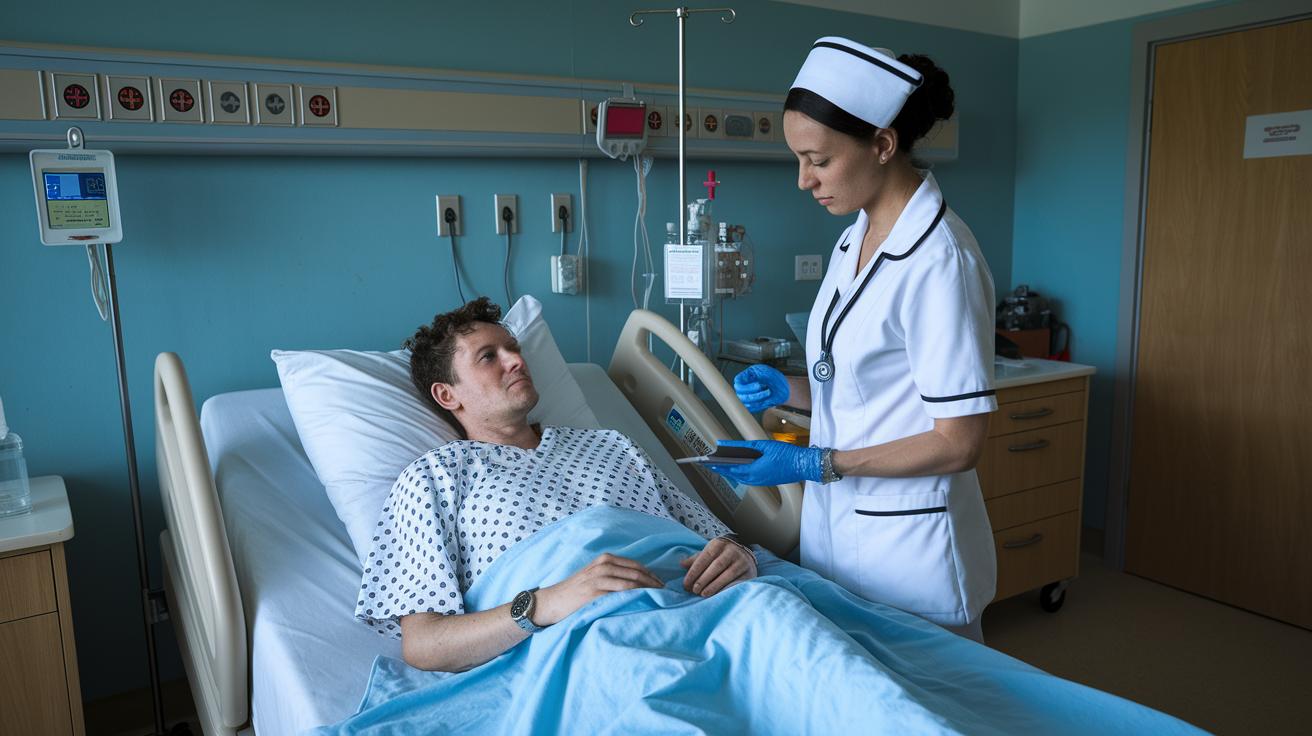
Hospitals rely on clear safety steps to protect patients during their stay. Nurses and doctors keep a close eye on key numbers like heart rate, blood pressure, and breathing. They check these often so that any change can be spotted right away. One nurse even mentioned, "I constantly monitor your vitals so we can catch any issues early." Clean hands and well-sanitized equipment also help stop germs from moving between patients.
Having enough caregivers on each shift is very important. When there are the right number of staff, errors are less likely to happen. Regular safety checks let the team catch little mistakes before they become big ones. And when one caregiver clearly explains a patient’s condition to the next shift, it makes sure nothing is missed. A clinician once said, "A clear handoff tells me everything that happened, so nothing slips through the cracks."
Encouraging everyone to report their concerns or mistakes without fear leads to quick fixes and better care for everyone. All these measures work together to reduce infections acquired in the hospital and lessen diagnostic errors. In the end, these efforts truly improve how patients do and make the whole hospital environment safer.
Final Words
In the action, we reviewed proven strategies that weave together clear communication, evidence-based practice, and streamlined team care. We observed how modern digital tools and ongoing clinician training bolster care quality. Small, simple changes, whether in patient education or safety protocols, can have a big impact. Each approach shares a common goal: to improve patient outcomes using measured, thoughtful techniques backed by real-world examples. Positive, steady progress in these areas gives us hope for a safer, more effective future in patient care.
FAQ
What do patient outcomes mean, and what are some synonyms for improved patient outcomes?
Patient outcomes denote the measurable health improvements that result from treatment, such as recovery rates or enhanced quality of life. They are also known as treatment effectiveness, successful care results, or optimized clinical outcomes.
How can healthcare professionals like nurses optimize patient outcomes and quality of care?
Healthcare professionals can optimize outcomes by following evidence-based practices, applying safety protocols, engaging in continuous training, and fostering teamwork—ensuring that every patient receives high-quality, effective care.


