Have you ever thought that a computer might boost your cosmetic treatment results? AI is now helping doctors fine-tune every step to get treatments just right for you.
Imagine a tool that looks at your skin and checks your history to pick the best plan. It even tries to predict how a treatment might work.
From clinics in Lebanon and Dubai to Delray Beach, this technology is making treatments safer and more natural. It feels like starting a brand-new chapter in personalized care.
How AI Improves Aesthetic Patient Outcomes
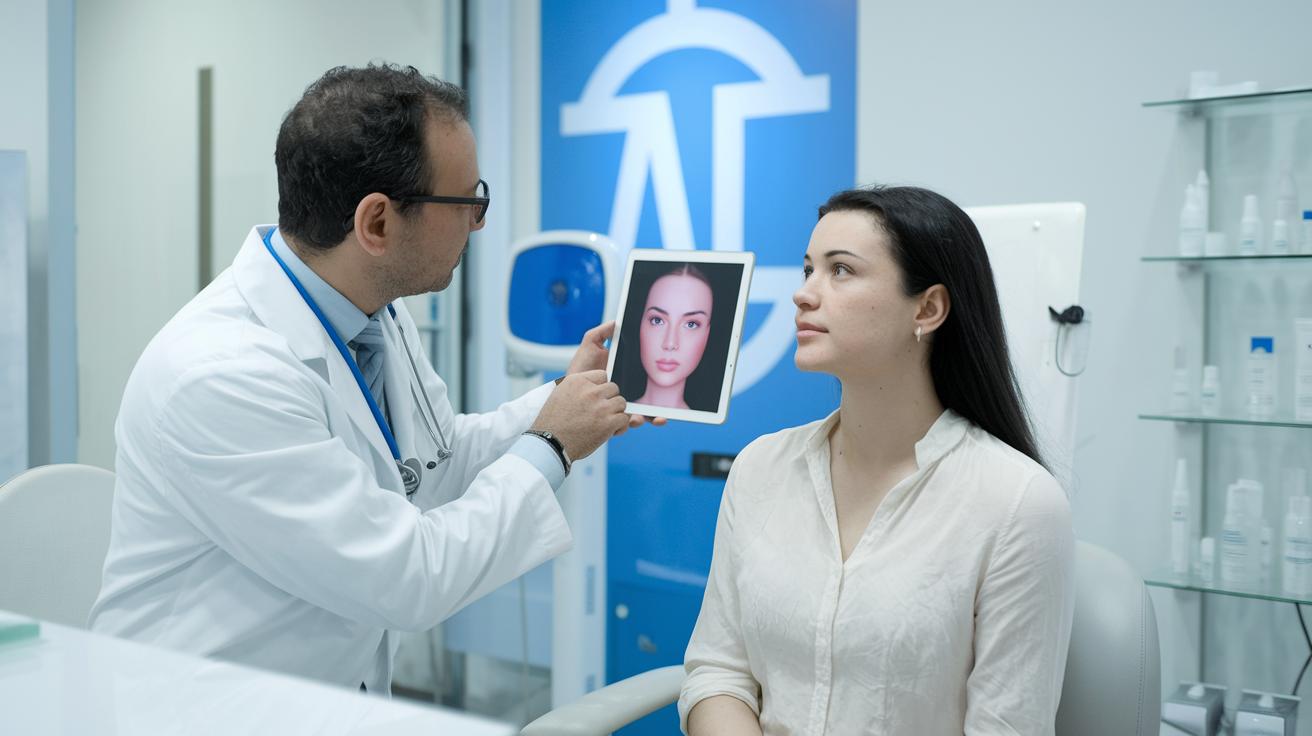
AI is changing the game in aesthetic medicine. It helps doctors make better diagnoses while offering real-time insights that fine-tune treatments. Smart algorithms review details like skin type, age, medical history, and even genetic markers to design a plan that’s just right for you. Clinics in places like Lebanon, Dubai, and Delray Beach now use these innovative tools for everything from Botox and thread lifts to laser therapies. In fact, AI can even predict how a treatment might work before it starts.
Patient-focused tech has also simplified the whole care journey. Automated scheduling and messaging cut down on mistakes, meaning treatments go smoothly. These systems use live data to adjust procedures on the spot, ensuring you receive care tailored to your unique needs. With everyday tasks running on autopilot, clinicians can concentrate more on quality care and less on paperwork.
Cosmetic treatments are now more data-driven than ever. AI brings precision to every step, allowing doctors to monitor treatments in real time and make quick tweaks. This hands-on approach leads to more natural-looking results and boosts safety. Ultimately, the blend of technology and expert care raises patient satisfaction and builds trust in advanced, personalized aesthetic treatments.
AI Diagnostics in Aesthetic Medicine for Better Outcomes
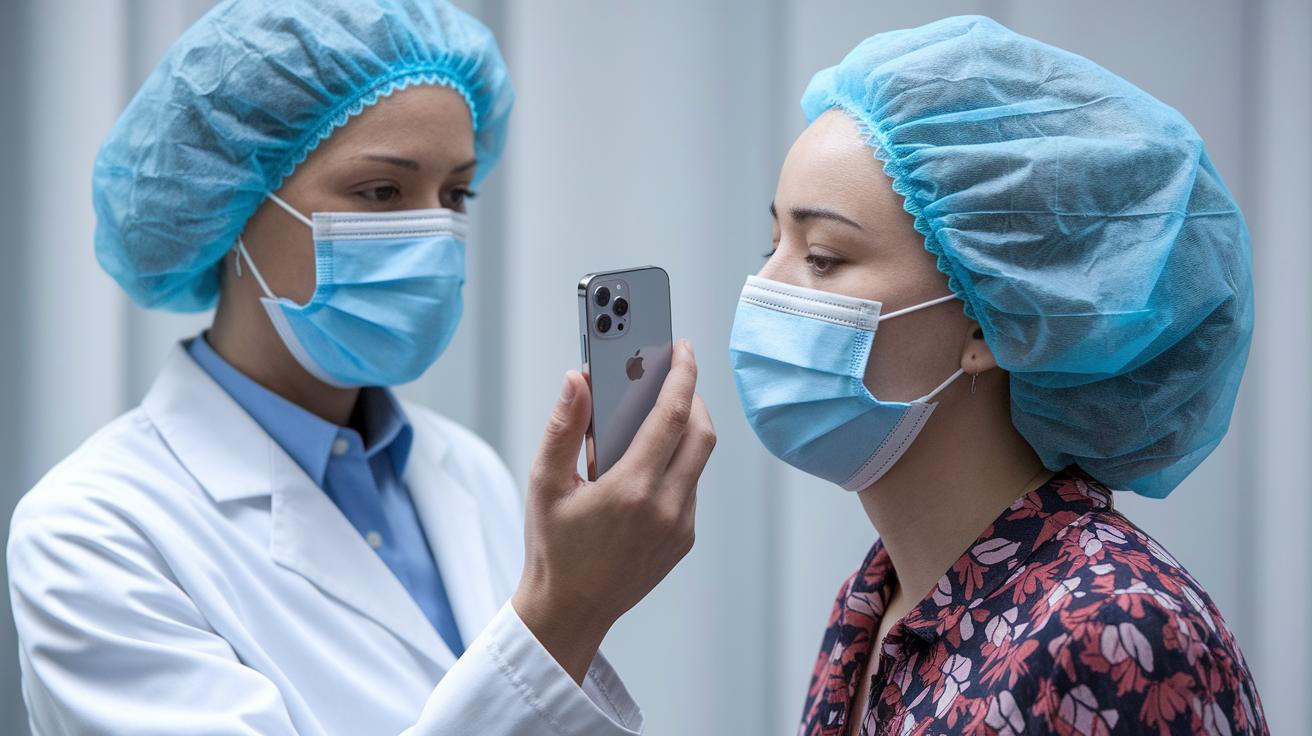
AI skin analysis is changing how doctors check skin health. It uses smart imaging to spot tiny details like wrinkles, spots, acne, and even small blood vessel issues. Think of it like a high-resolution camera that picks up every little bit, even flaws that the naked eye might miss. The system quickly goes through your history and clear photos, cutting down the waiting time during your first visit.
New image tools also help spot uneven facial features. This modern method lets doctors plan treatments like filler injections or surgical tweaks more carefully, matching each patient’s unique look. Real-time information works like a feedback loop, helping the expert adjust the treatment step-by-step, just like perfecting a recipe as it cooks.
By mixing these smart tools into care, treatment plans can change on the fly. This means safer, more precise results. With constant checks on how your skin heals, AI assists doctors in crafting a personal plan that boosts satisfaction and lowers risks during any procedure.
Predictive Modeling and AI-Powered Treatment Personalization
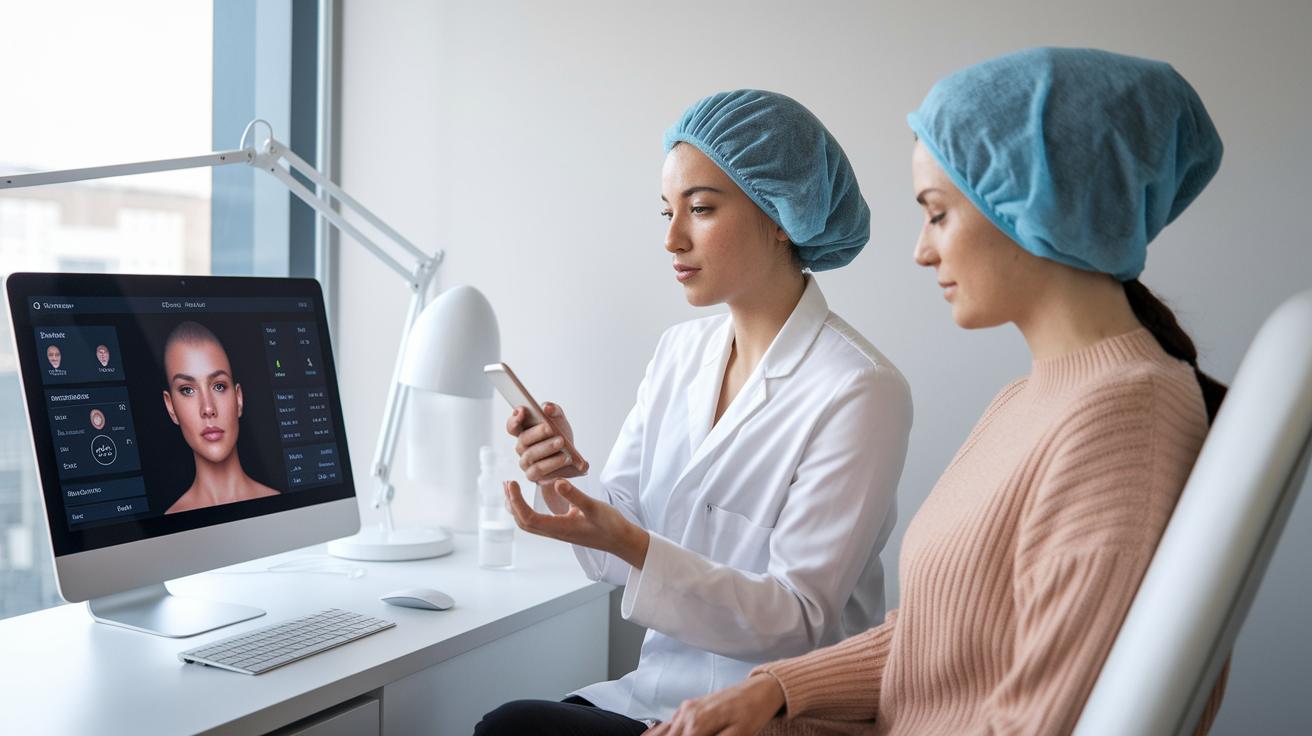
Using advanced tools that crunch patient details like skin type, genetic traits, and medical history, we now create treatment plans that fit each person perfectly. This means moving away from one-size-fits-all methods and instead offering plans that lower risks and boost results. Plus, with digital previews, patients can see potential changes before treatment even starts, boosting their confidence.
Real-time tracking is another game-changer. As you recover, your treatment plan can be fine-tuned on the fly, think adjusting filler amounts or tweaking laser settings as needed. This flexible approach ensures that your care plan grows and changes with you. If you're curious to learn more, check out this link: AI in Personalized Aesthetic Treatments.
| Planning Approach | Customization Level | Prediction Accuracy | Average Treatment Time | Patient Satisfaction Score |
|---|---|---|---|---|
| Traditional Planning | Low | 70% | 90 minutes | 78% |
| AI-Based Planning | High | 92% | 60 minutes | 93% |
This smart use of technology shifts us from static methods to a lively, responsive planning process. The ability to preview treatments in 3D and adjust them in real time makes procedures quicker, safer, and more satisfying. It’s a fresh, patient-centered approach that consistently leads to better outcomes.
Real-Time Aesthetic Feedback and Monitoring with AI
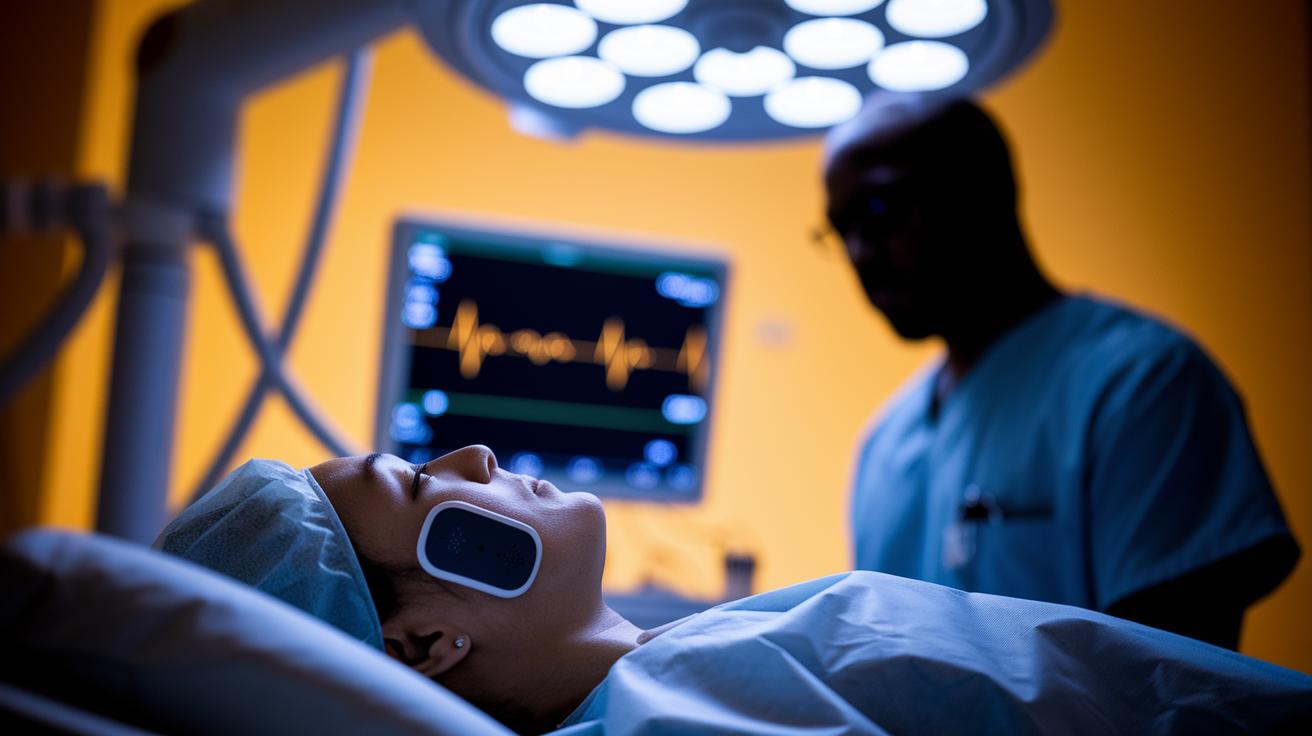
During procedures, clever AI tools work quietly in the background to warn clinicians if there are small changes in tissue tension, temperature, or symmetry. So when a filler is being placed or a laser treatment is underway, smart sensors keep an eye on the patient’s condition like a careful assistant. This helps ensure that every step of the procedure stays safe and precisely tuned.
After the treatment, care goes on. Automated chatbots offer clear post-care steps, remind patients about upcoming appointments, and even ask about any side effects. These digital helpers collect real-time feedback, while recovery algorithms follow changes in swelling and skin healing through photos sent by patients. This flow of updates lets care teams adjust treatment plans quickly and keeps recovery on track.
Digital dashboards bring all patient data together in one simple view, cutting out the need for long manual check-ups. Clinicians get a continuous stream of information about recovery, so they can spot any worrying shifts right away. This easy, watchful system not only makes patients safer but also boosts satisfaction by addressing any concerns as soon as they pop up.
Measuring and Validating AI-Driven Outcomes in Aesthetics
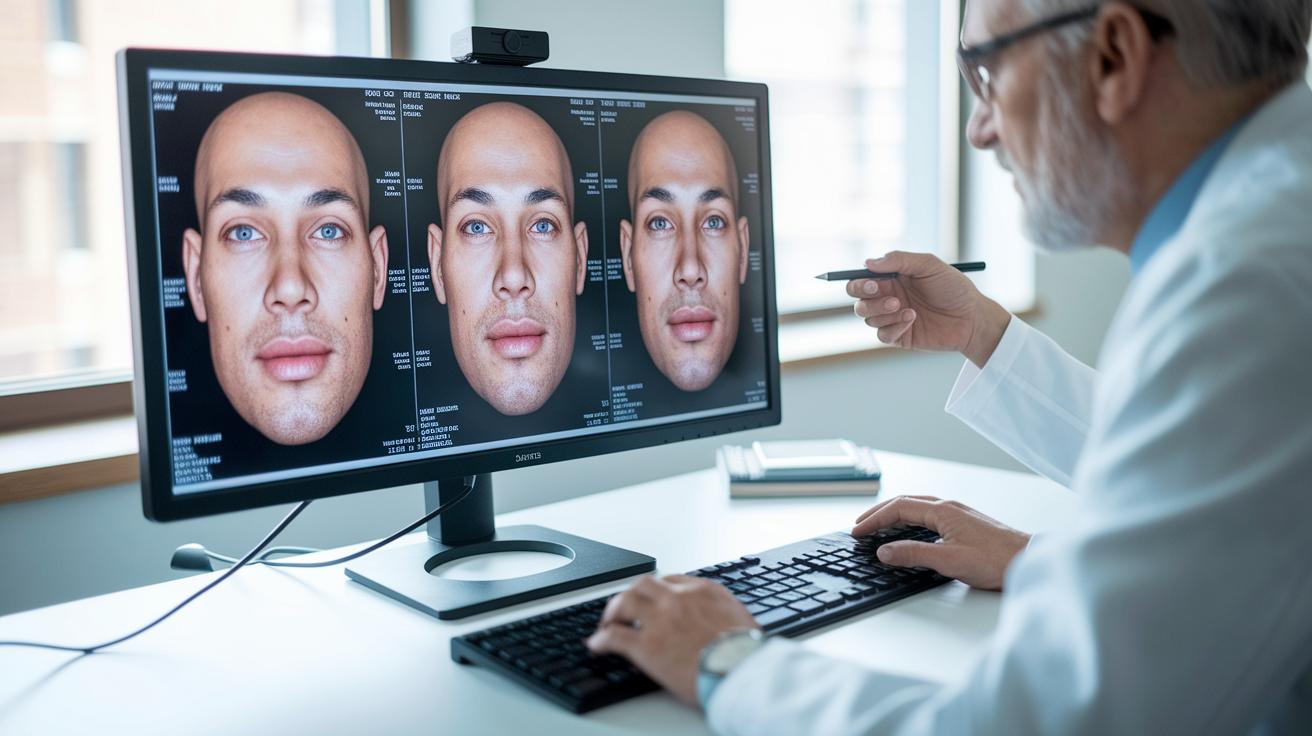
AI tools are now a key part of how doctors check treatment success. They measure things like how accurately a diagnosis is made, how happy patients are with the results, and even how often complications happen. Think of it like collecting little snapshots of feedback right after a procedure, patients might fill out digital surveys telling us about their pain, recovery time, and overall satisfaction with their look. And by comparing 3D images from before and after treatment, we get a clear, visual check on changes in volume and symmetry.
We also use these measurements to see if the new AI-assisted methods work as well as, or even better than, the old ways. By keeping a close watch on results, we can fine-tune the process so that every step meets today’s high clinical standards. This regular check-in helps us make sense of satisfaction scores and other key numbers, so we can be sure that every treatment is as safe and effective as possible.
Every bit of new data helps the AI get smarter. It improves its ability to predict how a patient will heal, sometimes by up to 25%. This means every treatment is part of a learning loop that makes the technology more precise and reliable, leading to better outcomes for everyone in the fast-changing world of aesthetics.
Challenges and Considerations in AI-Driven Aesthetic Procedures
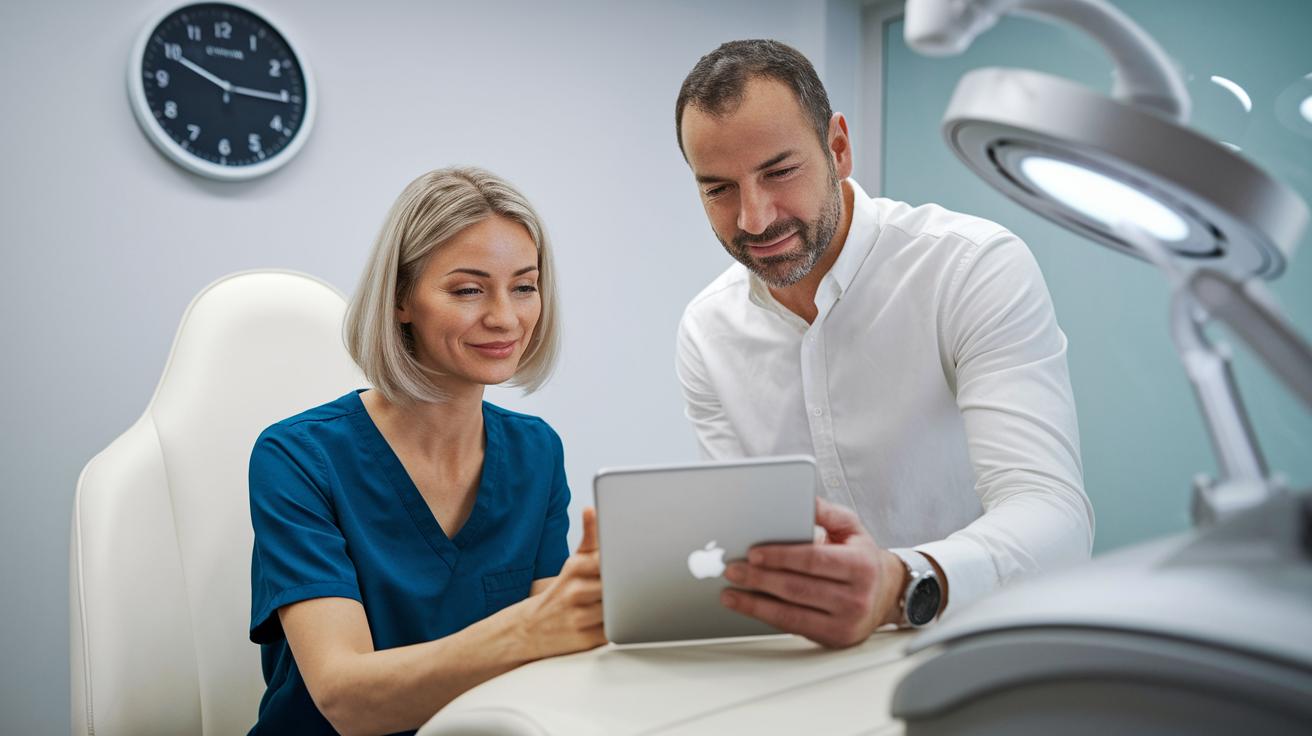
Using artificial intelligence in aesthetic medicine comes with its own set of hurdles that clinics must face. Subscriptions for AI platforms and the need for new hardware often push the break-even point out by 12 to 18 months. Plus, staff may need about 20 to 40 hours of training to get comfortable with the new systems. While these challenges can feel daunting at first, many see them as a necessary step toward offering more advanced and tailored treatments.
Another key issue is keeping patient data safe. Clinics must meet strict HIPAA and local privacy rules by using secure cloud storage and clear consent protocols. This extra layer of security also brings up questions about whether the AI might have built-in biases. If you’re curious about these ethical concerns, you can check out "Ethical Considerations of AI in Aesthetics" at Cosmeticsurgeryinsider.com. All these factors, training costs, security measures, and the need for ethical oversight, mean that a significant investment of both time and resources is required before clinics can expect a return on their investment.
- High software and hardware costs
- Extensive staff training needs
- Data privacy and security compliance
- Integration complexity with existing workflows
- Algorithmic bias and regulatory approvals
Every one of these obstacles calls for careful planning and smart use of resources. Ultimately, while AI has the potential to improve patient outcomes, the journey forward needs ongoing checks on cost-effectiveness, ethical responsibility, and smooth integration with everyday clinical practices.
Future Trends in Improving Patient Outcomes with AI in Aesthetics
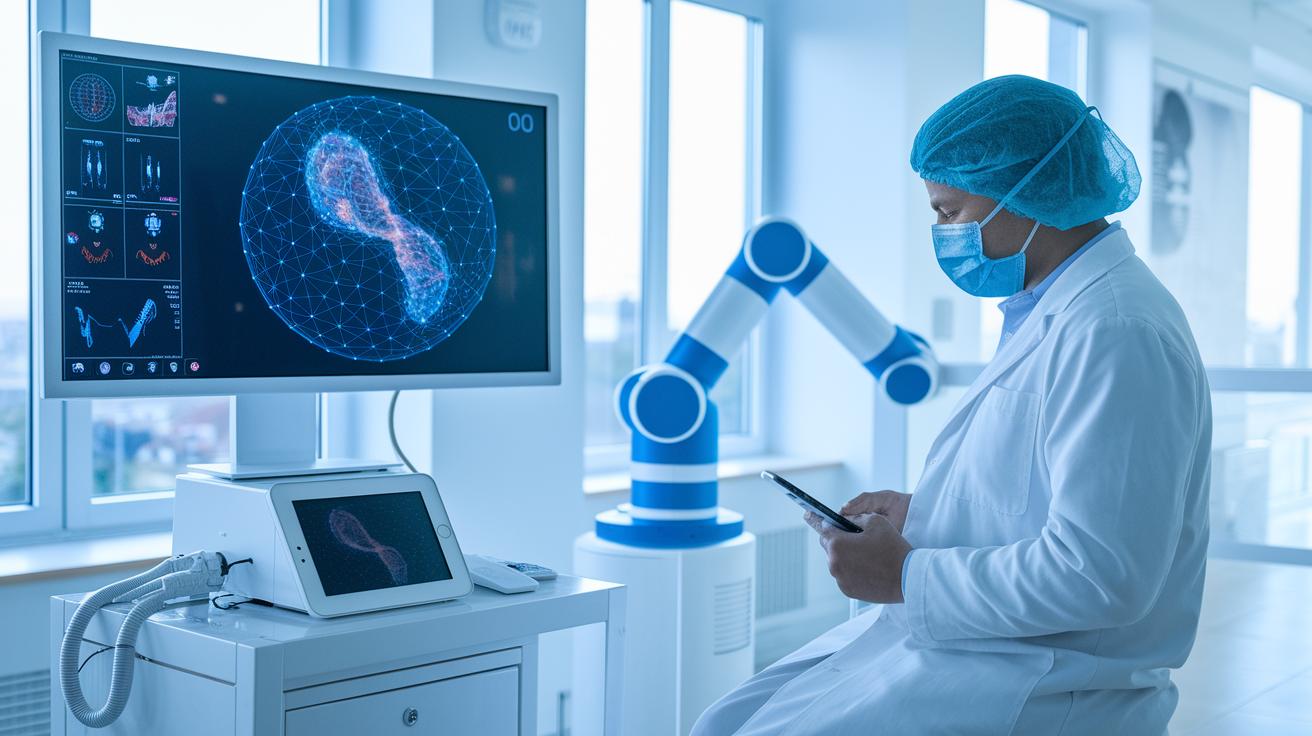
New predictive models are changing how doctors plan care, offering insights into each patient’s unique healing journey. These advanced computer programs mix real-time updates with past data to estimate healing times and spot any potential risks early on. This means doctors can tweak treatments as needed, helping patients get better faster and with less downtime.
Robotic tools are another thrilling development now in the spotlight. These smart machines help make tiny, precise cuts and injections that enhance both the safety and look of a treatment. With improved 3D imaging and feedback tools you can almost see the future, both patients and doctors get a clear picture of what to expect.
Even outside the surgical room, technology is making a big impact. Clinics are using AI to understand patient preferences and trends, which helps them tailor their messages and stay connected in a more personal way. This thoughtful approach not only strengthens the doctor-patient bond but also makes sure that every patient feels well cared for throughout their journey.
Final Words
In the action, we explored how smart technology streamlines AI diagnostics, personalizes treatment plans, and monitors patients in real time. We broke down how algorithms and imaging tools work together to refine procedures and boost treatment precision.
These insights show just how transformative technology can be. Ultimately, improving patient outcomes with ai in aesthetics opens doors for safer, more tailored treatments. The future looks bright for a field focused on patient care and scientific progress.
FAQ
How does AI improve aesthetic patient outcomes?
The use of AI improves aesthetic patient outcomes by enhancing diagnostic accuracy, automating scheduling, and offering real-time analytics that help create personalized treatment plans for improved safety and satisfaction.
How do AI-powered diagnostics enhance the precision of cosmetic treatments?
AI-powered diagnostics improve precision by analyzing skin conditions and facial features with high accuracy, guiding clinicians in choosing the best methods and enhancing overall treatment safety and effectiveness.
How does AI-driven predictive modeling personalize cosmetic treatments?
AI-driven predictive modeling personalizes treatments by combining details such as skin type, genetic factors, and patient history to generate tailored protocols that adjust treatment recommendations based on real-time patient response.
How does real-time AI feedback assist during and after aesthetic procedures?
Real-time AI feedback assists clinicians by monitoring tissue changes and alerting them to shifts in symmetry, while it also helps in post-care by providing automated instructions and tracking recovery progress through patient photos.
How are AI-driven outcomes measured and validated in aesthetics?
AI-driven outcomes are measured using diagnostic accuracy, patient satisfaction surveys, and 3D imaging comparisons, all of which help track improvements and refine algorithms for better future treatment performance.
What challenges exist in adopting AI for aesthetic procedures?
Adoption challenges include high software and hardware costs, extensive staff training, compliance with data privacy laws, integration with current systems, and addressing concerns about algorithm bias and transparency.
What future trends in AI are expected to enhance aesthetic patient outcomes?
Future trends include advanced predictive models that forecast healing times, robotic assistance for precision techniques, enhanced imaging tools for noninvasive treatments, and data insights that better connect patients with tailored cosmetic solutions.


